Navigating the Monroe Road Construction Timeline: Current Status and Project Overview
The Monroe Road construction timeline reflects a multi-phase infrastructure modernization effort designed to improve traffic flow, enhance pedestrian safety, and upgrade aging utility systems along this critical corridor. As of 2026, m...
The Monroe Road construction timeline reflects a multi-phase infrastructure modernization effort designed to improve traffic flow, enhance pedestrian safety, and upgrade aging utility systems along this critical corridor. As of 2026, major segments of the project have transitioned from initial site preparation and utility relocation to active pavement reconstruction and streetscape improvements, with completion dates varying by specific sector.
Contents
Understanding the Scope of Monroe Road Infrastructure Improvements
The ongoing work on Monroe Road is not a singular project but a series of interconnected infrastructure interventions. Municipal road planning typically categorizes these efforts into phases to manage traffic disruption and ensure budget compliance. The overarching goal is to modernize a route that serves as a vital artery for local commerce and residential transit.
In urban and suburban planning, such projects generally follow a lifecycle: planning and design, utility relocation, heavy construction (grading and paving), and final site restoration. By 2026, most segments of Monroe Road are in the heavy construction phase, which is often the most visible and disruptive period for daily commuters. The project's primary objectives include expanding turn lanes to alleviate bottlenecks at high-traffic intersections, upgrading stormwater drainage systems to mitigate flood risks, and implementing “Complete Streets” initiatives, which integrate dedicated bike lanes and widened sidewalks.
Verified Status of Construction Phases
Tracking the specific progress of the Monroe Road timeline requires distinguishing between the northern, central, and southern segments. Because of the scale of the work, these sections often operate on asynchronous schedules.
- Phase I: Planning and Right-of-Way Acquisition: This initial phase was finalized in previous years. It involved surveying land, securing easements, and completing environmental impact assessments. Any delays encountered here often serve as the baseline for why the current timeline extends into the 2026 calendar year.
- Phase II: Underground Utility Relocation: Before surface-level changes can occur, aging water lines, fiber optic cables, and gas mains must be modernized or moved. This is often the most unpredictable phase, as crews frequently encounter legacy infrastructure that was not accurately mapped in original municipal records.
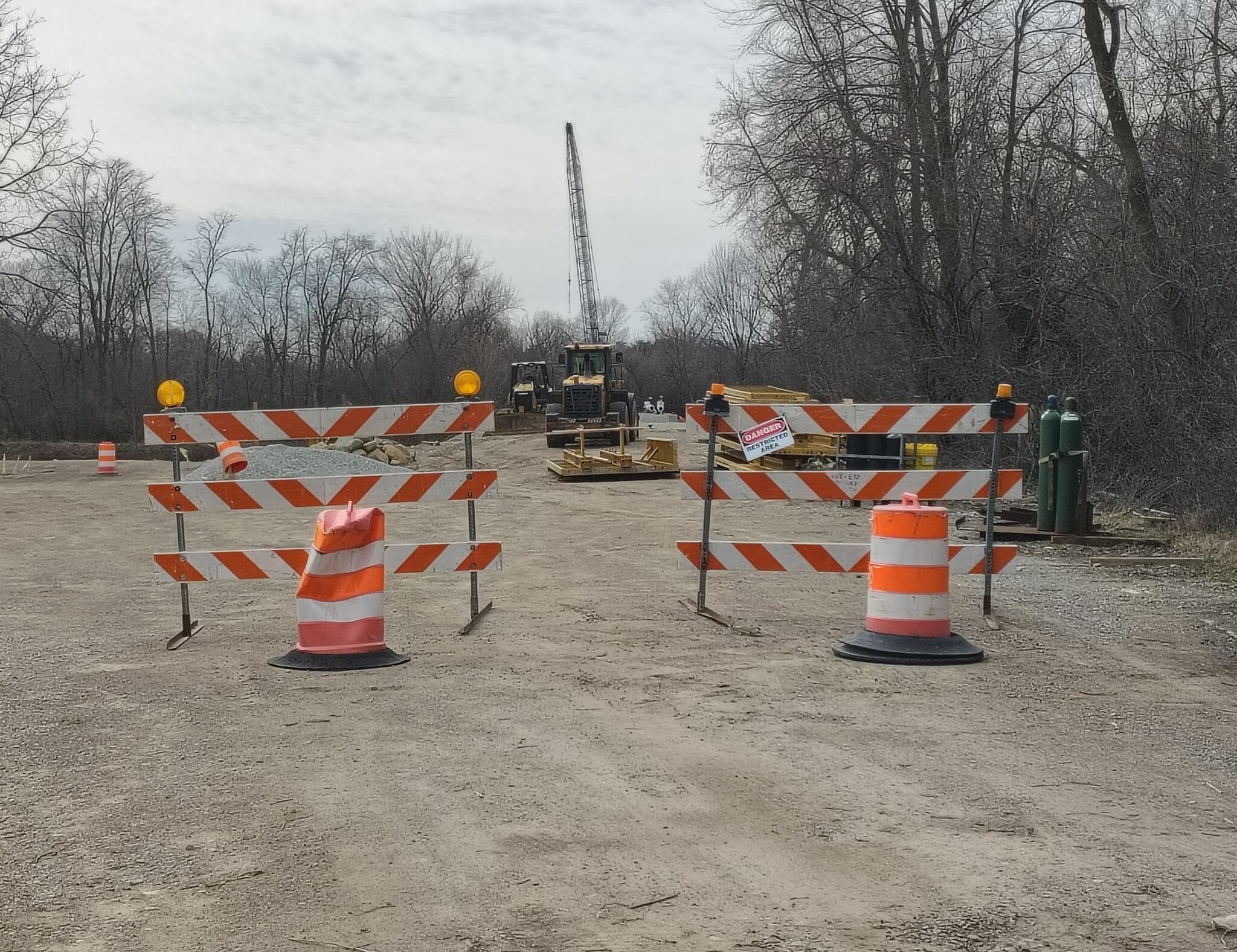
- Phase III: Surface Reconstruction and Road Widening: As of 2026, this is the dominant activity. Crews are actively pouring concrete, laying new asphalt, and installing traffic signaling systems. This phase requires the most significant lane closures and traffic detours.
- Phase IV: Final Paving and Landscaping: The final touch involves the application of the finishing coat of asphalt, painting permanent lane markings, and installing street furniture such as lighting, benches, and landscaping features.
Managing Traffic Impacts and Commuter Safety
Construction zones present inherent safety risks to both motorists and site personnel. Understanding the project's phased approach allows residents to better plan their daily routes.
During the 2026 construction season, officials have implemented a standard traffic management plan that prioritizes school zones and high-density business districts during peak morning and evening hours. However, lane shifts are frequent. Motorists are advised to pay close attention to temporary signage, as speed limits are strictly enforced within the work zones for the safety of construction crews. When navigating Monroe Road during active construction, it is recommended to:
- Observe Posted Speed Limits: Fines are typically doubled in work zones.
- Utilize Traffic Apps: Real-time navigation tools often reflect the most current lane closures and detours caused by daily construction movements.
- Plan for Delays: Add an additional 10–15 minutes to your commute if your route includes primary construction segments.
Comparative Overview of Project Impacts
The following table summarizes the typical impacts and considerations for commuters and local businesses during the active construction phases observed on Monroe Road.
| Project Phase | Primary Impact | Recommended Action |
|---|---|---|
| Utility Work | Intermittent lane closures, noise | Use alternate side streets |
| Grading/Paving | Major traffic shifts, dust, delays | Allow extra commute time |
| Signaling Upgrades | Intermittent stop-and-go traffic | Follow manual flagger signals |
| Landscaping/Finishing | Minor curb-side restrictions | Watch for stationary equipment |
Addressing Frequently Asked Questions
Why does the construction on Monroe Road seem to pause periodically? Periods of inactivity are often intentional. Work may pause while waiting for specific materials to be delivered, for concrete to cure to the required strength, or for coordination with third-party utility providers. Additionally, work is often scheduled to avoid major holidays or local events to minimize community impact.
How is the budget for the Monroe Road construction being managed in 2026? The project is funded through a combination of municipal allocations and regional transportation grants. Budget oversight is managed by the Department of Transportation or local public works oversight committees, which audit progress and expenditures to ensure that the project remains aligned with the allocated funds as of the 2026 fiscal cycle.
Are local businesses accessible during the construction process? Yes, contractors are legally and contractually required to maintain access to commercial driveways and pedestrian entrances. If a business is temporarily inaccessible due to heavy paving, site managers are generally required to provide advanced notice to the affected business owners.
Who is responsible for the quality of the road surface once construction concludes? The primary contractor carries a bond and a multi-year warranty on the work performed. Following the completion of the project, a formal inspection is conducted by municipal engineers to ensure the road meets safety standards before the contractor is released from their obligation.
How can residents report safety issues in the construction zone? Concerns regarding road hazards, such as deep potholes in a work zone or missing signage, should be directed to the municipal non-emergency number or the specific project manager contact portal established by the local government.
Ensuring Future Project Success
The completion of the Monroe Road project is essential for the long-term viability of the area’s transportation network. As the project enters its final stages throughout 2026, the focus will shift from heavy machinery to site stabilization and final aesthetic improvements.
For those navigating the area, the most effective strategy is to stay informed via official municipal project updates. Local government websites and public notice boards serve as the most accurate sources for road closure schedules and anticipated milestones. By remaining aware of the project's objectives—such as improved safety and capacity—commuters can better tolerate the temporary inconveniences associated with this necessary infrastructure investment. Residents are encouraged to monitor local city council meeting minutes or transportation department portals for the most up-to-date monthly status reports as the work progresses toward completion.
Image Gallery