The Evolution and Impact of 1990s Ninja Movies: A Decade of Shadow Warriors
The rise of 1990s ninja movies marked a significant shift from the gritty, R-rated martial arts tropes of the 1980s toward a diverse spectrum of family-friendly comedies, high-budget fantasy adaptations, and direct-to-video action. Thi...
The rise of 1990s ninja movies marked a significant shift from the gritty, R-rated martial arts tropes of the 1980s toward a diverse spectrum of family-friendly comedies, high-budget fantasy adaptations, and direct-to-video action. This era reshaped the archetype of the "shadow warrior" for a global audience, blending traditional martial arts with Western pop culture sensibilities.
Contents
The Cultural Transition from the 1980s Ninja Craze
To understand the rise of ninja cinema in the 1990s, one must first recognize the foundation laid by the "Ninja Boom" of the 1980s. During that decade, companies like Cannon Films popularized the ninja as a lethal, silent assassin, often portrayed by icons like Sho Kosugi. These films were characterized by their dark tone, high body counts, and an emphasis on "ninjutsu" as a mysterious, almost supernatural art of war.
As the calendar turned to 1990, the industry faced "ninja fatigue" among adult audiences. The saturated market of low-budget clones led to a necessary evolution. Filmmakers realized that to sustain the genre, they needed to pivot. This resulted in two distinct paths: the "kid-fication" of ninjas for the massive youth market and the integration of ninjas into the burgeoning world of high-tech and fantasy blockbusters. The 1990s did not just continue the ninja trend; it democratized it, making the mask and katana accessible to every demographic from kindergartners to hardcore gamers.
The Catalyst: Teenage Mutant Ninja Turtles and the Youth Market
The single most influential event in the rise of 1990s ninja movies was the release of Teenage Mutant Ninja Turtles (1990). While based on a gritty 1984 comic book, the film capitalized on the massive success of the animated series. Produced by New Line Cinema with practical creature effects by Jim Henson’s Creature Shop, the movie became a cultural phenomenon.
It demonstrated that ninjas could be protagonists in a heroic, albeit pizza-loving, context. The film's success—earning over $200 million against a modest budget—proved that the "ninja" brand was incredibly lucrative when marketed to families. This success directly led to a decade-long surge in "kid-ninja" projects. Studios began looking for ways to replicate the formula: young protagonists, slapstick humor, and sanitized martial arts choreography that emphasized agility and teamwork over lethal force.
The Rise of the "Junior" Ninja: 3 Ninjas and Surf Ninjas
Following the success of the Turtles, the early-to-mid 1990s saw a wave of films featuring children as trained warriors. The most prominent of these was 3 Ninjas (1992), directed by Jon Turteltaub and released by Disney’s Touchstone Pictures. The film followed three brothers trained by their Japanese grandfather.
The brilliance of 3 Ninjas lay in its relatability; it allowed children to see themselves as the masters of the screen. The film was a massive financial success, spawning three sequels: 3 Ninjas Kick Back (1994), 3 Ninjas Knuckle Up (1995), and 3 Ninjas: High Noon at Mega Mountain (1998). This franchise cemented the idea that ninja movies didn't need to be restricted to the "grindhouse" or late-night cable slots; they could be summer tentpoles for suburban families.
Other films like Surf Ninjas (1993) leaned even further into the absurdity of the decade, blending the ninja aesthetic with California surf culture and early video game integration (using the Sega Game Gear as a plot device). These films utilized the "ninja" as a shorthand for "cool," stripping away the historical weight of the shinobi in favor of a bright, neon-tinted heroism.
High-Fantasy and Video Game Adaptations
While children’s movies dominated the box office, another segment of the 1990s ninja rise occurred in the realm of high-budget fantasy. As digital visual effects improved, directors could finally portray the superhuman feats associated with ninjutsu.
- Mortal Kombat (1995): Directed by Paul W.S. Anderson, this film brought the iconic ninjas Scorpion and Sub-Zero to the big screen. Their rivalry remains one of the most recognized elements of 90s cinema, showcasing ninjas with supernatural powers—teleportation, ice manipulation, and spear-throwing—that moved the genre away from "realistic" martial arts into the realm of the superhero.
- The Hunted (1995): Starring Christopher Lambert, this film attempted a more "serious" take on the ninja mythos, exploring a secret society of ninjas in modern-day Japan. While it didn't achieve the blockbuster status of its peers, it represented the 90s' interest in blending corporate intrigue with ancient traditions.
These films relied heavily on the aesthetic of the ninja—the hood, the mask, and the hidden blades—to create a visual language that audiences immediately understood. The ninja became a modular antagonist or hero that could be dropped into any setting, from a magical tournament to a high-tech skyscraper.
The Direct-to-Video Boom and the "Action Star" Legacy
Parallel to the theatrical releases, the 1990s was the golden age of the Direct-to-Video (DTV) market. Companies like PM Entertainment and Nu Image thrived on the demand for martial arts action in video rental stores. For fans who missed the R-rated intensity of the 80s, the DTV market provided a steady stream of content.
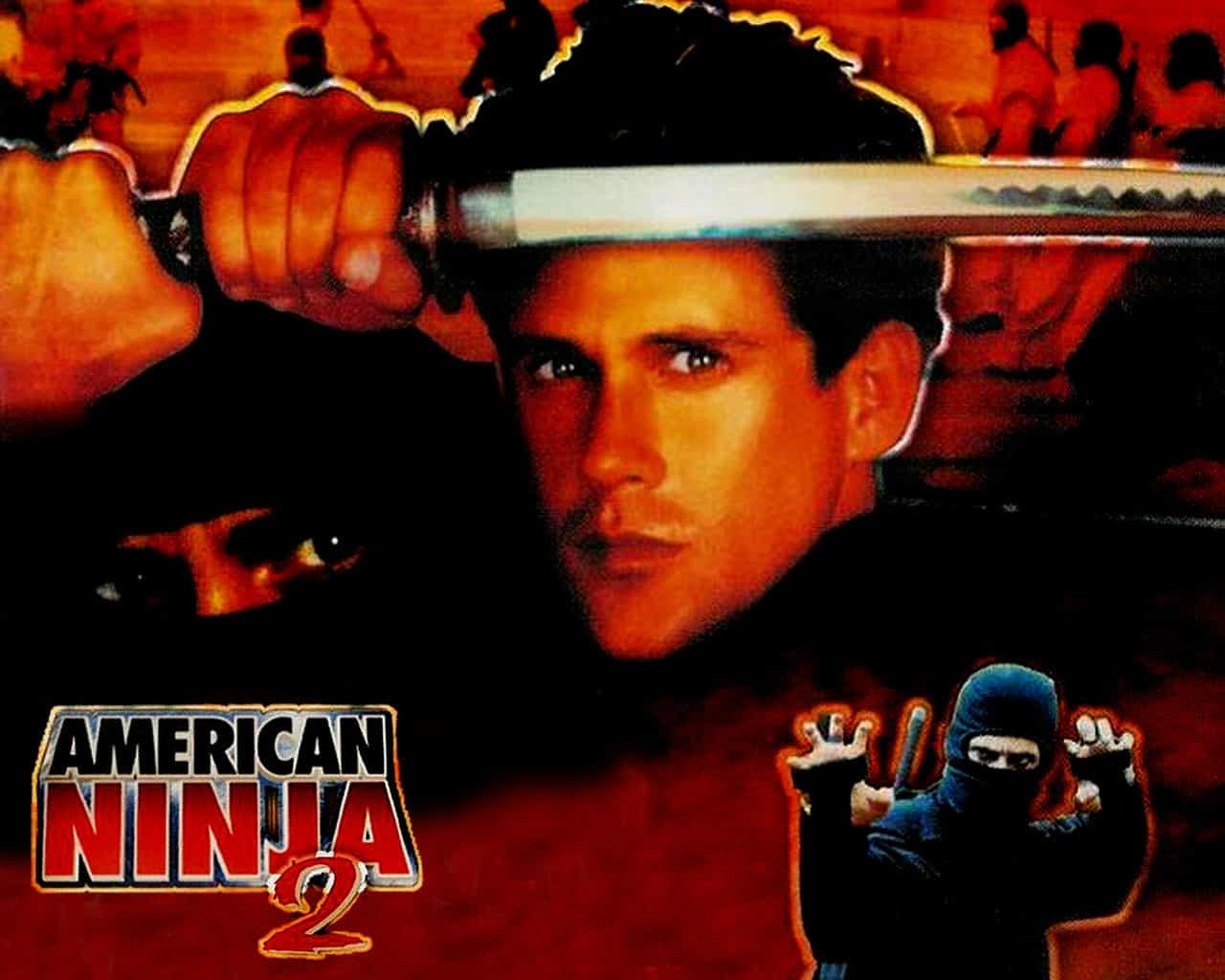
The American Ninja series continued into this decade, with American Ninja 4: The Annihilation (1990) and American Ninja 5 (1993). While these films saw a decline in production value compared to the original 1985 classic, they maintained a loyal audience. The DTV market allowed for experimentation, often blending ninjas with science fiction (cyborg ninjas) or police procedurals. This era kept the "traditional" ninja movie alive, even as the mainstream cinema turned toward comedy and fantasy.
Comparison of Key 1990s Ninja Films
The following table compares the most impactful ninja-themed films of the decade based on their primary audience, tone, and lasting legacy as seen from 2026.
| Film Title | Release Year | Primary Genre | Target Audience | Key Legacy Element |
|---|---|---|---|---|
| Teenage Mutant Ninja Turtles | 1990 | Action/Adventure | Families/Kids | Proved the commercial viability of "fun" ninjas. |
| 3 Ninjas | 1992 | Comedy/Action | Children | Launched the "kid-ninja" sub-genre boom. |
| Surf Ninjas | 1993 | Comedy | Teens/Kids | Integrated 90s surf culture and video games. |
| Mortal Kombat | 1995 | Fantasy/Action | Young Adults | Established the "supernatural ninja" archetype. |
| The Hunted | 1995 | Thriller | Adults | Explored the "secret society" trope in modern Japan. |
| Beverly Hills Ninja | 1997 | Slapstick Comedy | General Audience | A satirical deconstruction of the ninja mythos. |
The Comedic Deconstruction: Beverly Hills Ninja
By the late 1990s, the ninja had become such a ubiquitous part of pop culture that it was ripe for parody. In 1997, Chris Farley starred in Beverly Hills Ninja, which became a surprise hit, opening at #1 at the US box office. The film played on every available trope: the "great white ninja" prophecy, the rigorous training, and the silent infiltration techniques, all contrasted against Farley’s physical comedy.
This film essentially marked the end of the 90s ninja "rise" by signaling that the archetype had been fully absorbed into the mainstream. When a cultural figure becomes the subject of a high-profile parody, it indicates that the audience is intimately familiar with the rules of the genre. Beverly Hills Ninja was a celebration and a "swan song" for the decade's obsession with the shinobi.
Technical and Aesthetic Shifts
Technically, 1990s ninja movies benefited from the evolution of stunt coordination. The influence of Hong Kong Action Cinema began to permeate Hollywood during this time. While 80s ninjas often engaged in stiff, karate-based fighting, 90s ninjas began using more acrobatic "wire-fu" and complex choreography.
This shift was also seen in the costuming. The 80s focused on the "black pajamas" look, but 90s films introduced more tactical gear, armor plating (as seen in Mortal Kombat), and even colorful variations that moved away from the traditional stealth requirements. The "ninja" was no longer just a spy; they were a high-performance athlete and a visual spectacle.
Frequently Asked Questions
Why did ninja movies move away from being R-rated in the 90s?
The shift was primarily financial. The massive success of the Teenage Mutant Ninja Turtles cartoon and toy line showed that the real money was in the youth and family demographics. Studios realized that a PG or PG-13 ninja movie could sell tickets, action figures, and video games, whereas an R-rated film had a much lower ceiling for merchandising.
Who was the most important ninja actor of the 1990s?
While Sho Kosugi was the king of the 80s, the 90s didn't have a single dominant ninja actor. Instead, it was an era of ensembles. However, Robin Shou (Liu Kang in Mortal Kombat) and the young stars of 3 Ninjas (Michael Treanor, Max Elliott Slade, and Chad Power) were the faces most associated with the genre’s peak in that decade.
Are 1990s ninja movies considered "real" martial arts films?
It depends on the film. While 3 Ninjas and Surf Ninjas prioritized comedy and stunts over technical martial arts, films like Mortal Kombat and several DTV titles employed highly skilled martial artists and choreographers. By 2026 standards, many of these films are viewed more as "action-adventure" than technical martial arts cinema.
How did the home video market affect the popularity of these movies?
The 1990s was the peak of the VHS and early DVD rental era. Ninja movies were "high-concept," meaning you could look at the box art and immediately know what you were getting. This made them perfect for the "Friday night rental" culture. Many films that failed at the box office became "cult hits" specifically because of their performance in Blockbuster and local video stores.
What caused the decline of the ninja movie at the end of the 90s?
The genre eventually succumbed to over-saturation and the rise of "bullet time" and digital effects following The Matrix (1999). Audiences moved away from masked martial artists toward leather-clad hackers and superheroes. The ninja archetype didn't disappear, but it integrated into larger franchises rather than standing as a standalone genre.
Recommendation for Enthusiasts
For those looking to revisit the rise of 1990s ninja movies, start with the original 1990 Teenage Mutant Ninja Turtles for its surprisingly dark atmosphere and excellent practical effects. Follow it with the first 3 Ninjas to see the peak of the family-friendly era. For a more modern perspective on how these films influenced today's media, watch the 1995 Mortal Kombat; its blend of electronic music, CGI, and martial arts defined the aesthetic that many modern action films still draw from in 2026.
Image Gallery