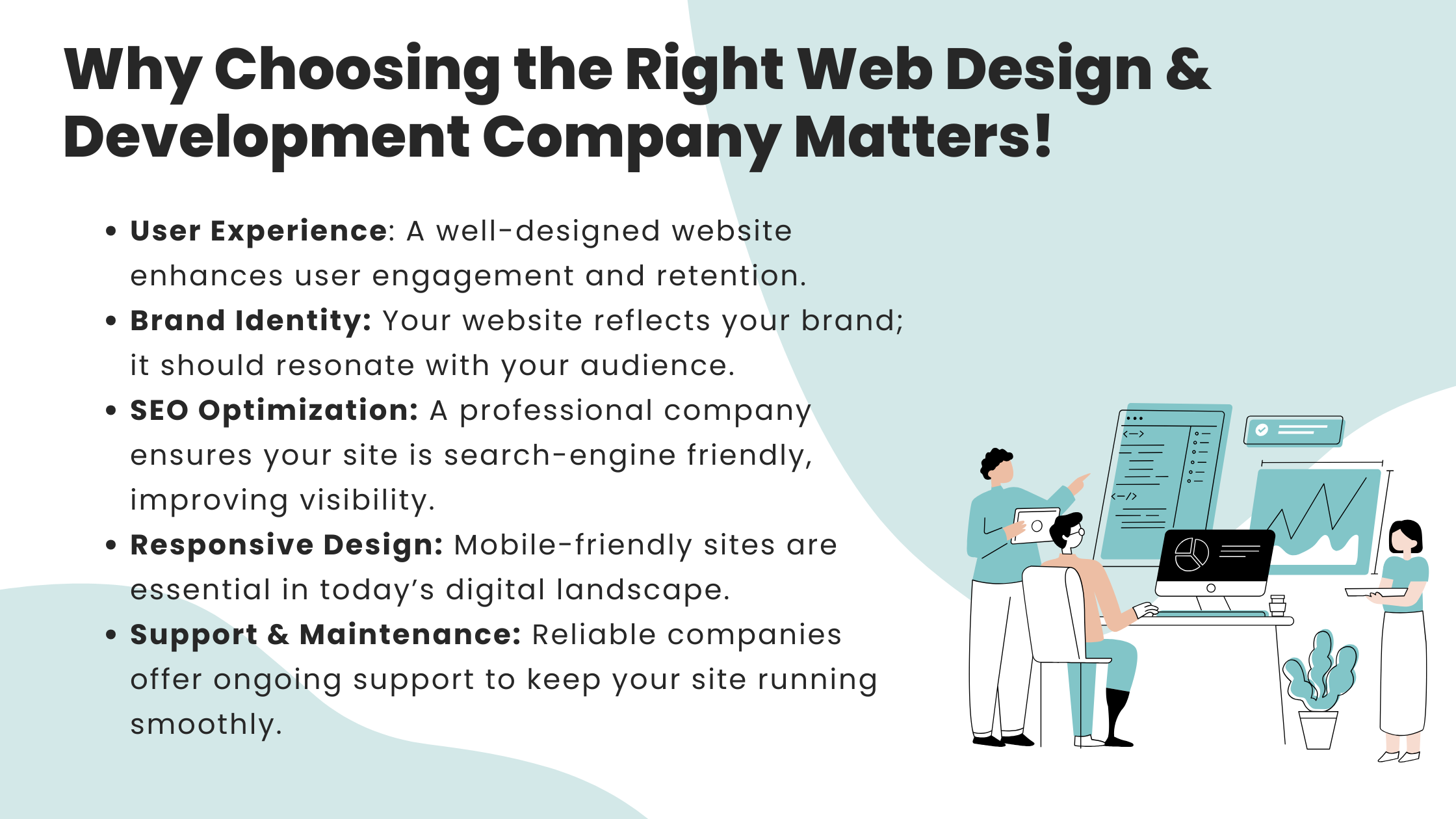
Best Practices for Choosing a Website Developer Company
Choosing a website developer company involves balancing your business goals, technical requirements, and budget against the provider's portfolio, expertise, and long-term support capabilities. Successful selection requires a structured...
Choosing a website developer company involves balancing your business goals, technical requirements, and budget against the provider's portfolio, expertise, and long-term support capabilities. Successful selection requires a structured approach that prioritizes transparent communication, rigorous technical vetting, and a clear understanding of the ownership terms for your digital assets.
Contents
Defining Your Requirements and Scope
Before you begin interviewing potential developers, you must establish a comprehensive project brief. A website is rarely just a "set of pages"; it is a functional tool that must perform specific tasks for your organization. Start by documenting your business objectives: Is the site intended to generate leads, process e-commerce transactions, serve as a content-rich knowledge base, or act as a high-security portal?
Determine if you require a custom-built solution, which offers maximum scalability and performance but comes with a higher cost, or a platform-based solution like WordPress, Shopify, or Webflow. Platform-based builds often reduce development time but may introduce dependencies on third-party ecosystems. Additionally, outline your required features, such as CRM integrations, custom API connectivity, multilingual support, or adherence to specific accessibility standards like the Web Content Accessibility Guidelines (WCAG).
The Vetting Process: Beyond the Portfolio
The most dangerous mistake in selecting a development partner is relying solely on a flashy visual portfolio. A beautiful design does not guarantee clean code, optimized loading times, or robust security. When reviewing a company’s past work, look for evidence of problem-solving rather than just aesthetic trends.
Ask for case studies that explain the "why" behind the design choices. Contact their previous clients to ask specific questions about the development process:
- Did the project meet the original budget, or were there significant cost overruns?
- How did the firm handle communication during unexpected technical hurdles?
- Did they provide documentation and training upon project completion?
- What is the response time for emergency support or critical bugs?
Comparing Agency Models and Pricing Structures
There is no "standard" price for a website, but there are standard pricing models. Understanding these models helps you mitigate financial risk and align expectations.
| Pricing Model | Description | Best For |
|---|---|---|
| Fixed Bid | A set price for a defined scope of work. | Small, well-defined projects with zero scope creep. |
| Time & Materials | Hourly billing based on actual development hours. | Complex projects where requirements may evolve. |
| Retainer | Monthly fee for ongoing maintenance and features. | Long-term growth, security updates, and SEO. |
| Value-Based | Pricing based on projected ROI for the business. | Specialized high-end custom enterprise applications. |
Avoid companies that provide a quote without asking detailed questions about your infrastructure or business processes. A responsible developer will always perform a discovery phase before committing to a final price.
Assessing Technical Depth and Security
In 2026, web security and performance are not optional. Your developer must demonstrate competency in current best practices. Ask specifically about their approach to site speed (Core Web Vitals), mobile responsiveness, and data privacy compliance (such as GDPR or CCPA, depending on your jurisdiction).
Request details on their development workflow. Do they use a "staging environment" to test updates before pushing them to your live site? Do they follow version control protocols (such as Git)? If a company does not utilize a staging environment or cannot explain their deployment process, you risk downtime and data loss every time a change is made. Furthermore, ensure they have a plan for long-term maintenance, including security patching for plugins, themes, and server-side software.
Intellectual Property and Ownership
The most common point of legal friction between clients and development firms involves the ownership of the final product. Your contract must explicitly state that the source code, design files, and content are the property of your business upon full payment.
Watch for "platform lock-in," where a developer uses proprietary, non-transferable software that prevents you from moving your site to another provider in the future. Demand that they use industry-standard frameworks and provide you with administrative access to all accounts, including domain registrars, hosting panels, and analytics dashboards. Never allow a developer to register your domain name or hosting account under their own name.
Frequently Asked Questions
What is the difference between a freelance developer and a development agency? Freelancers often provide a more personal touch and lower overhead costs, making them ideal for smaller, straightforward projects. Agencies offer a multi-disciplinary team, including project managers, QA testers, and UX designers, which provides greater stability and project oversight for large-scale enterprise builds.
Why is the "Discovery Phase" considered so important? The discovery phase is a preliminary period where the developer learns about your business goals, target audience, and technical needs. It prevents costly "scope creep" by ensuring both parties agree on what is—and is not—included in the project, resulting in a more accurate budget and timeline.
Should I prioritize design over functionality? Functionality and design are codependent. A visually stunning site that is difficult to navigate or slow to load will suffer from high bounce rates and poor conversion. Always prioritize user experience (UX) and site performance to ensure your design serves its intended business purpose.
How do I handle the transition after the site is launched? Plan for a "post-launch" support period. Expect bugs and minor adjustments within the first 30 to 90 days. A professional company will include this support in their initial contract. Beyond that, negotiate a service-level agreement (SLA) for routine maintenance to keep software current and secure.
Next Steps
Once you have narrowed your list to three potential companies, invite them to submit a formal proposal that includes a project timeline, a breakdown of phases, and a clear budget estimate. Compare these proposals not just by price, but by their understanding of your business objectives and their ability to explain technical trade-offs. Schedule a final meeting to evaluate your rapport with the team—you will likely be working with them for several months, so clear, honest communication is the single most important factor for project success.
Image Gallery