Fresh Dill vs Dried Dill: Flavor Profiles, Conversion Ratios, and Culinary Applications
Choosing between fresh dill and dried dill comes down to understanding their distinct flavor compounds, moisture content, and how heat alters their chemical composition during cooking. Fresh dill delivers a bright, grassy punch with ci...
Choosing between fresh dill and dried dill comes down to understanding their distinct flavor compounds, moisture content, and how heat alters their chemical composition during cooking. Fresh dill delivers a bright, grassy punch with citrus undertones, while dried dill offers a more concentrated, earthy, and muted profile. Mastering their substitution ratios ensures your dressings, soups, and seafood dishes achieve the exact herbaceous balance intended.
Contents
Botanical Background and Flavor Chemistry
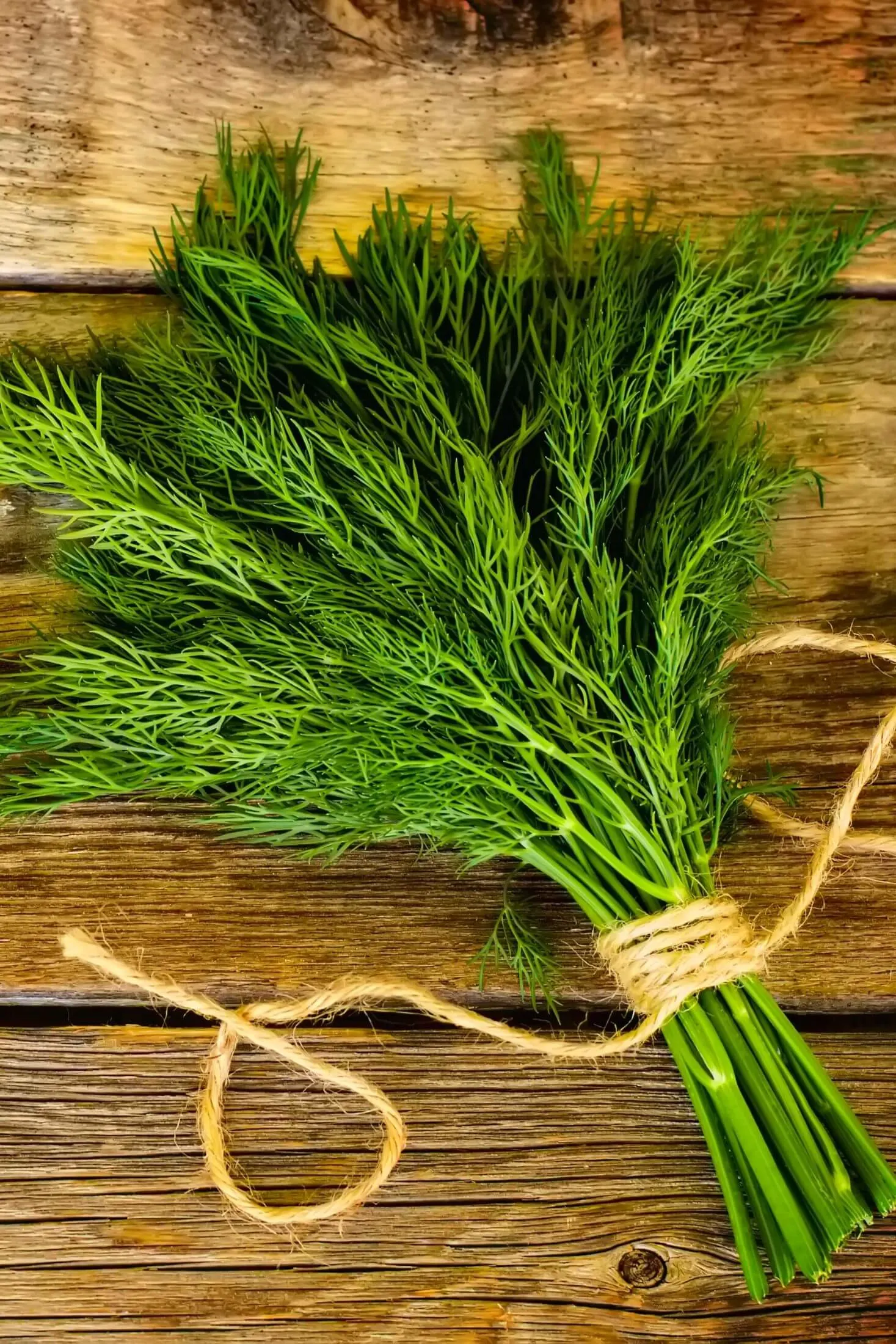
Dill (Anethum graveolens) is an aromatic annual herb belonging to the Apiaceae family, making it a botanical relative of celery, parsley, and carrots. Both the feathery green leaves (weed) and the seeds are utilized in cooking, but the leaves—whether fresh or dried—dictate everyday culinary applications.
The characteristic aroma of fresh dill is driven by volatile organic compounds, most notably carvone, limonene, and phellandrene. These essential oils evaporate quickly when exposed to heat, which is why fresh dill is traditionally added at the very end of the cooking process or used raw.
When dill is dehydrated to create dried dill weed, these delicate, volatile monoterpenes largely evaporate or degrade. The resulting product is dominated by heavier, less volatile compounds that provide a more subdued, slightly hay-like or grassy flavor. Because the water weight is removed, the remaining flavor compounds in dried dill are densely packed, requiring careful measurement adjustments when substituting one for the other.
Nutritional Profiles and Storage Characteristics
Fresh and dried dill differ significantly in their moisture levels, shelf life, and visual presentation in finished dishes.
- Moisture Content: Fresh dill contains roughly 86% water, giving it a crisp texture and vibrant green color. Dried dill has a moisture content typically below 10%, rendering it brittle and dark green-brown.
- Shelf Life: Fresh dill spoils rapidly. Stored unwashed in a damp paper towel inside a perforated bag in the refrigerator, it lasts roughly 5 to 7 days. Dried dill, kept in an airtight container away from light, heat, and moisture, retains acceptable potency for 1 to 3 years, though its volatile oils degrade noticeably after 6 months.
- Micronutrients: Gram-for-gram, dried dill appears more nutrient-dense because its weight is concentrated. However, because you consume vastly smaller quantities of dried dill compared to fresh dill, fresh herbs ultimately contribute more measurable vitamins A, C, and manganese to a dish.
Conversion Ratios: Substituting Fresh Dill for Dried Dill
Because drying concentrates the herb, you cannot swap fresh and dried dill on a 1:1 ratio. Using equal amounts of dried dill in place of fresh will underwhelm the palate, while substituting fresh dill with an equal amount of dried will overwhelm the dish with a concentrated, grassy bitterness.
Standard culinary conversion formulas dictate the following rule of thumb:
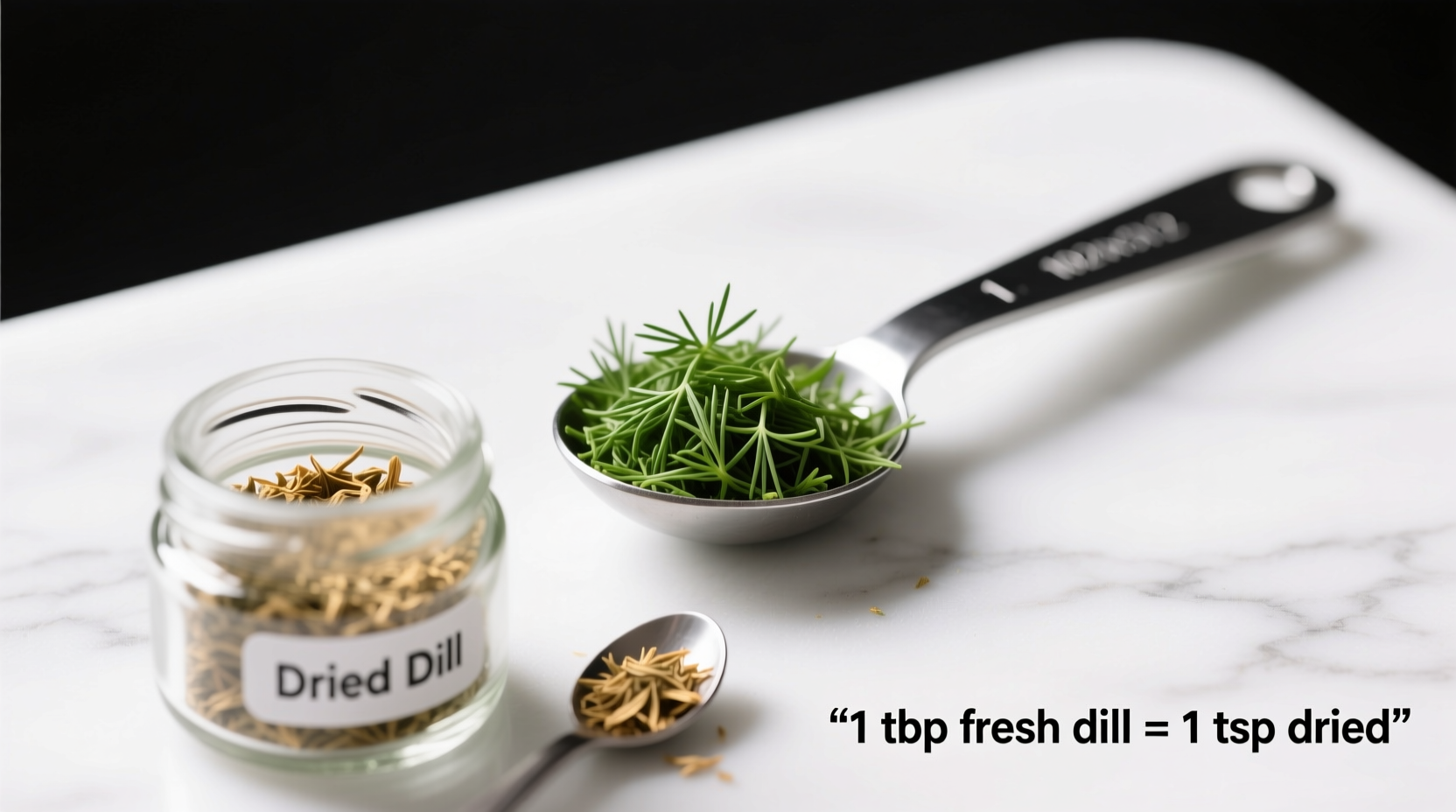
- From Fresh to Dried: Use 1 teaspoon of dried dill for every 1 tablespoon (3 teaspoons) of fresh dill. (Ratio: 1:3)
- From Dried to Fresh: Use 3 tablespoons of fresh dill for every 1 teaspoon of dried dill. (Ratio: 3:1)
| Measurement Type | Fresh Dill Equivalent | Dried Dill Equivalent | Best Culinary Use Case |
|---|---|---|---|
| Small Batch | 1 tablespoon (chopped) | 1 teaspoon | Salad dressings, single-serving dips |
| Medium Batch | 3 tablespoons (chopped) | 1 tablespoon | Potato salads, marinades, light sauces |
| Large Batch | 6 tablespoons (chopped) | 2 tablespoons | Soups, large pickling batches, stews |
Culinary Applications: When to Use Which
Matching the herb to the cooking technique prevents wasted ingredients and culinary disappointment.
When to Use Fresh Dill
Fresh dill excels in cold preparations or dishes exposed to minimal heat. Its volatile oils remain intact, providing an immediate, aromatic pop.
- Salads: Enhances cucumber salads, grain bowls, and potato salads with crisp acidity.
- Sauces and Dips: Essential for creamy bases like tzatziki, tartar sauce, ranch dressings, and yogurt-herb dips.
- Garnishes: Sprinkled over roasted vegetables, creamy borscht, or poached salmon just before serving to maximize visual appeal and flavor delivery.
- Quick Pickling: Layered directly into jars with cucumbers, garlic, and brine for refrigerator pickles.
When to Use Dried Dill
Dried dill shines in long-simmering dishes where fresh dill would utterly disintegrate and lose its flavor profile.
- Long-Simmering Soups and Stews: Added during the early stages of cooking a hearty potato soup or cabbage stew, allowing the heavier oils to infuse the broth.
- Dry Rubs and Marinades: Blended with salt, garlic powder, and lemon pepper to coat meats, poultry, or fish before roasting or grilling.
- Baking: Folded into savory bread doughs, biscuits, or scones where fresh moisture would throw off the structural hydration balance.
Pros and Cons of Fresh vs Dried Dill
| Feature | Fresh Dill | Dried Dill |
|---|---|---|
| Flavor Profile | Bright, citrusy, grassy, complex | Muted, earthy, herbal, concentrated |
| Shelf Life | Short (5–7 days refrigerated) | Long (1–3 years in pantry) |
| Heat Stability | Low (degrades rapidly under heat) | High (withstands long cooking times) |
| Preparation | Requires washing, picking, and chopping | Ready to use straight from the jar |
| Cost Efficiency | Higher per use, prone to food waste | Economical, long-term pantry staple |
Troubleshooting Common Dill Mistakes
Even experienced home cooks encounter pitfalls when working with these herbs. Avoiding these common errors ensures consistent culinary results.
- Mistake: Adding fresh dill at the beginning of a long braise.
- Remedy: Add fresh dill during the final 2 to 3 minutes of cooking, or use it exclusively as a post-cooking garnish.
- Mistake: Using old dried dill that has lost its aroma.
- Remedy: Crush a pinch between your fingers and smell it. If there is no noticeable grassy or herbal aroma, the volatile oils have completely oxidized; replace the jar.
- Mistake: Failing to adjust liquid ratios when swapping.
- Remedy: While a tablespoon of dried dill won't alter liquid content, replacing a large volume of fresh dill with dried means you lose the minor moisture contribution fresh herbs add to delicate emulsions.
Frequently Asked Questions
Can I substitute fresh dill for dried dill in a 1:1 ratio?
No. Because dried dill is dehydrated, its flavors are far more concentrated by volume. Using a 1:1 ratio will make your dish overly herbaceous and bitter; use three times as much fresh dill as dried dill.
Does dried dill lose its flavor over time?
Yes. Dried dill loses its essential oils rapidly when exposed to heat, light, and air. For optimal flavor, replace your dried dill container every six months to one year.
Can I freeze fresh dill to extend its shelf life?
Yes. Chop fresh dill and freeze it in ice cube trays with a small amount of water or olive oil. While the texture will soften upon thawing, the flavor compounds will remain remarkably well-preserved for cooked dishes.
Is dill weed the same thing as dill seed?
No. Dill weed refers to the feathery leaves of the plant, which are mild and grassy. Dill seeds are harvested from the mature flower heads and feature a much stronger, caraway-like, pungent flavor profile.
How do I store fresh dill to keep it from turning slimy?
Wrap unwashed fresh dill loosely in a slightly damp paper towel, place it inside a perforated plastic bag, and store it in the crisper drawer of your refrigerator.
Image Gallery