Jetter Services Overview: Understanding Hydro Jetting and Pipeline Maintenance
Jetter services utilize high-pressure water streams to scour, clean, and clear blockages within residential, commercial, and municipal plumbing systems. By deploying specialized pumps, high-strength hoses, and precision nozzles, these...
Jetter services utilize high-pressure water streams to scour, clean, and clear blockages within residential, commercial, and municipal plumbing systems. By deploying specialized pumps, high-strength hoses, and precision nozzles, these operations eliminate stubborn grease, tree roots, scale, and debris while preserving the structural integrity of drainage infrastructure.
Contents
Introduction to Modern Hydro Jetting Technology
Plumbing maintenance has evolved significantly beyond traditional mechanical cabling and traditional snaking techniques. While a mechanical auger merely punches a temporary hole through a clog, hydro jetting thoroughly cleans the entire interior circumference of the pipe. This technology relies on high-pressure water propulsion—typically ranging from 1,500 to 4,000 pounds per square inch (psi)—delivered at controlled flow rates.
Understanding jetter services requires examining how fluid dynamics, specialized hardware, and proper system diagnostics intersect. Whether managing a chronically failing restaurant grease trap, clearing municipal sewer mains, or restoring residential cast-iron lines, professional contractors depend on hydro jetting to deliver long-lasting pipe rehabilitation without destructive excavation.
Core Components and Mechanics of a Jetting System
A professional hydro jetter is not merely a high-powered pressure washer; it is an engineered system designed specifically for wastewater infrastructure. Every primary component plays a vital role in balancing PSI and gallons per minute (GPM) to ensure safe, effective cleaning.
The Power Source and High-Pressure Pump
The system begins with an engine—typically gas or diesel powered—that drives a positive displacement plunger pump. This pump pressurizes water drawn from a onboard storage tank or a direct municipal fire hydrant hookup. The pump determines the maximum operating pressure and volume, which must be carefully calibrated to match the pipe diameter, material, and structural condition.
Hoses and Reels
Standard garden hoses cannot withstand the immense internal pressure generated by sewer jetters. Jetting hoses are constructed with durable inner cores, high-tensile braided steel wire reinforcement, and abrasion-resistant polyurethane outer covers. These hoses are flexible enough to navigate multiple 90-degree pipe bends while maintaining structural integrity under thousands of pounds of pressure.
Nozzle Engineering and Fluid Dynamics
The nozzle is the most critical operational component of any jetter setup. It converts static hydraulic pressure into dynamic kinetic energy. Nozzles feature strategically angled rear-facing jets (typically at 15- to 45-degree angles) that propel the nozzle forward while scouring the pipe walls. Many nozzles also feature a forward-facing jet to pierce through dense blockages, grease plugs, or compacted silt.
Types of Jetter Services by Application
Jetter services are categorized by scale, equipment size, and target infrastructure. Contractors deploy different setups depending on the environment they are servicing.
| Service Category | Typical Equipment | Primary Application |
|---|---|---|
| Residential Jetting | Portable or cart-mounted units(1,500 - 3,000 PSI) | Main lines, root intrusion, soap scum, and grease buildup |
| Commercial Jetting | Trailer-mounted medium units(3,000 - 4,000 PSI) | Restaurant grease interceptors, multi-story stacks, commercial kitchens |
| Municipal Jetting | Heavy-duty combination trucks(High GPM, dedicated water tanks) | Large storm sewers, main trunk lines, silt and debris removal |
Residential Hydro Jetting
Homeowners typically request jetting services when standard drain snakes fail to resolve recurring backups. Residential lines—usually 2 inches to 4 inches in diameter—benefit from jetting by completely removing accumulated hair, soap residue, scale, and invasive tree roots that infiltrate clay or older PVC joints.
Commercial and Industrial Applications
Commercial establishments, particularly food service facilities, generate high volumes of fats, oils, and grease (FOG). When these substances enter interior drainage lines, they cool and solidify. Commercial jetter services utilize specialized hot-water jetters (hydro-scouring units) that melt grease while simultaneously flushing it down the municipal lateral.
Municipal and Stormwater Management
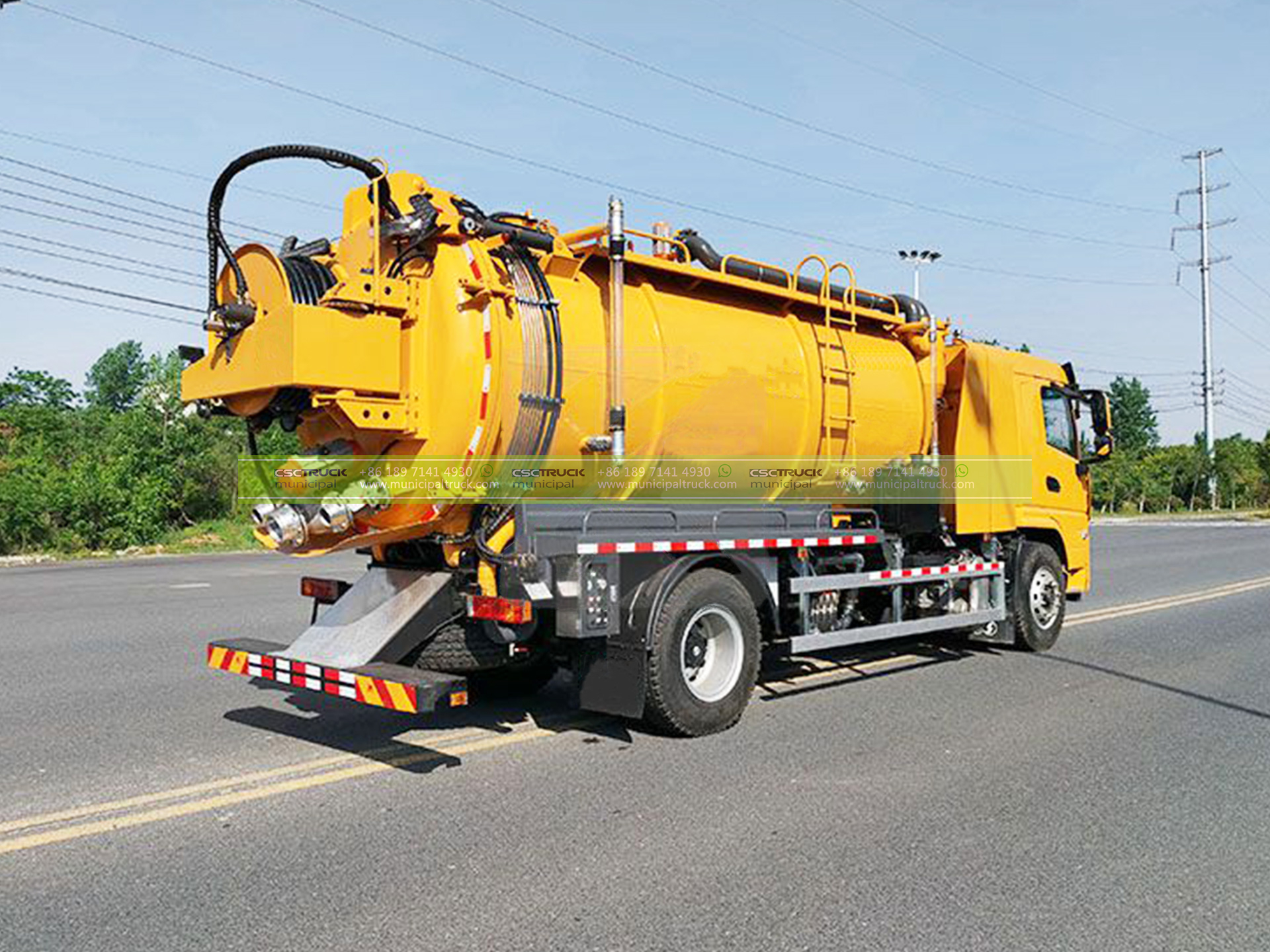
Municipalities rely on large combination trucks that combine high-pressure jetting with powerful vacuum excavation systems. These heavy-duty units clear massive mainline blockages, clear out sand and gravel from storm catch basins, and maintain large-diameter sanitary sewer systems.
Pre-Inspection Protocols and Safety Requirements
Before any high-pressure water enters a drainage system, rigorous preparation is mandatory to prevent property damage, environmental contamination, and personal injury.
Video Camera Inspection
A comprehensive closed-circuit television (CCTV) pipeline inspection must precede hydro jetting. Technicians push a specialized camera through the line to identify:
- Pipe material (PVC, cast iron, clay, Orangeburg, or concrete).
- Structural defects, cracks, major offsets, or collapsed sections.
- The exact location and nature of the blockage.
Warning: Applying high-pressure water to a severely compromised, structurally failed, or collapsed pipe can cause catastrophic pipe failure, structural cave-ins, and expensive property damage. If a pipe is heavily degraded, alternative trenchless rehabilitation methods like Cured-In-Place Pipe (CIPP) lining must be considered before cleaning.
Personal Protective Equipment and Operator Training
High-pressure water streams can inflict severe lacerations and drive bacteria deep into human tissue. Operators must wear certified personal protective equipment (PPE), including face shields, waterproof suits, heavy-duty gloves, and steel-toe boots. Proper training ensures that operators maintain control of the hose reel, monitor pressure gauges continuously, and safely retract nozzles near pipe openings.
Step-by-Step Operational Workflow
Executing a professional jetter service involves a systematic sequence designed to maximize cleaning efficiency while safeguarding the surrounding plumbing infrastructure.
- System Diagnosis and Access Location: Technicians locate an accessible cleanout port outside or inside the building to minimize disruption to the interior living or working space.
- Pressure and Flow Calibration: Based on the video inspection findings, the operator sets the pump regulator to the appropriate PSI and GPM. Residential lines typically require lower pressure (around 1,500 to 2,500 PSI) to protect aging joints, whereas industrial lines may safely tolerate up to 4,000 PSI.
- Nozzle Selection: The crew selects a specialized nozzle tailored to the obstruction—such as a penetrating nozzle for solid scale, a rotating spinner nozzle for grease-coated walls, or a root-cutting saw nozzle for biological intrusions.
- Insertion and Propulsion: The hose and nozzle are fed into the cleanout. The rear-facing jets drive the nozzle upstream against gravity, washing loosened debris backward toward the access point.
- Extraction and Scouring: As the operator slowly retracts the hose, the high-pressure water thoroughly scours the top, bottom, and sides of the pipe interior, leaving a smooth, clean conduit.
- Post-Cleaning Verification: A final video inspection is performed to verify that all blockages, roots, and buildup have been completely removed and that the pipe walls are intact.
Cost Considerations and Value Assessment
The financial investment for jetter services varies based on several geographical and technical factors. Homeowners and property managers should evaluate these variables when requesting estimates from licensed plumbing contractors.
- Geographical Location: Labor rates and municipal disposal regulations vary significantly by region.
- Severity and Type of Blockage: Standard grease clogs require less time than heavy root intrusion or concrete slurry removal.
- Pipe Accessibility: Buried or hard-to-reach cleanouts may require additional excavation or specialized setup time.
- Scope of Work: One-time emergency clearings differ in pricing from routine preventative maintenance contracts for commercial properties.
While hydro jetting carries a higher initial cost than traditional snaking, its long-term value is superior. By completely eliminating buildup rather than punching a temporary hole, jetting significantly reduces the frequency of emergency plumbing service calls and extends the operational lifespan of the entire drainage system.
Frequently Asked Questions
Can hydro jetting damage my plumbing pipes?
When performed by a trained professional following a pre-inspection camera run, hydro jetting is safe for modern PVC, cast iron, and sound clay pipes. However, applying high-pressure water to severely corroded, structurally compromised, or fragile vintage pipes (such as deteriorated Orangeburg pipe) can cause failure. This is why a pre-cleaning camera inspection is mandatory.
How often should commercial properties schedule hydro jetting?
Commercial kitchens and food processing facilities typically require hydro jetting every 3 to 6 months to prevent severe grease accumulation and maintain compliance with local health codes. Standard office buildings or retail spaces with minimal grease output may only require preventative jetting every 12 to 24 months.
Is hydro jetting environmentally friendly?
Yes. Hydro jetting relies purely on water power without introducing harsh chemical drain cleaners into the municipal wastewater system. These chemical drain openers can corrode metal pipes, damage rubber seals, and introduce toxic compounds into local water treatment facilities.
What is the difference between snaking and hydro jetting?
Snaking (or cabling) uses a steel coil with a cutting head to punch a hole through a blockage, restoring basic flow while leaving residual sludge, grease, and scale lining the pipe walls. Hydro jetting uses high-pressure water streams to scrub the entire 360-degree interior surface of the pipe, completely removing all accumulated debris and buildup.
How long does a standard residential jetting service take?
For a typical residential home with easily accessible cleanouts, a complete hydro jetting service—including the pre-inspection, the jetting process, and the post-inspection—generally takes between 1 to 3 hours depending on the complexity of the clog.
Conclusion and Next Actions
Jetter services represent the gold standard in modern drainage maintenance, offering a comprehensive, chemical-free method for restoring pipe capacity and cleanliness. Property owners experiencing recurring backups, slow drains, or commercial grease issues should contact a licensed plumbing professional equipped with hydro jetting technology. Always insist on a preliminary video camera inspection to verify pipe health before authorizing high-pressure cleaning, ensuring safe, effective, and enduring results for your drainage infrastructure.
Image Gallery