The Rarest Beanie Boo Explained: A Collector’s Guide to the Holy Grail of Ty
The rarest Beanie Boo is widely considered to be Bubblegum the Koala, specifically the 2009 version released during the initial UK test launch. Its rarity stems from a rapid name change to "Kooky" and a subsequent redesign, leaving ver...
The rarest Beanie Boo is widely considered to be Bubblegum the Koala, specifically the 2009 version released during the initial UK test launch. Its rarity stems from a rapid name change to "Kooky" and a subsequent redesign, leaving very few authentic "Bubblegum" tagged plushies in circulation among collectors today.
Contents
The Genesis of Beanie Boo Rarity
To understand why certain Beanie Boos are worth thousands of dollars while others are found in bargain bins, one must look back to the 2009 launch. When Ty Inc. first introduced Beanie Boos, they were a radical departure from the traditional Beanie Babies. These new plushies featured oversized heads and massive, shimmering "button" eyes. The initial rollout was not global; it began as a limited test market in the United Kingdom.
This localized launch created a "perfect storm" for rarity. Many of the original designs were altered, renamed, or discontinued almost immediately after they hit shelves. For collectors in 2026, these "First Seven" and "First Five" iterations represent the pinnacle of the hobby. The scarcity is not just about the number of units produced, but the specific combination of tag errors, regional exclusivity, and short production windows.
The Absolute Rarity: Bubblegum the Koala (2009)
Bubblegum the Koala is the undisputed "Holy Grail" for Beanie Boo enthusiasts. When the line debuted in the UK in June 2009, Bubblegum was one of the flagship characters. He featured a vibrant, multi-colored coat of pink, blue, and yellow fur.
The Name Change Mystery
Shortly after the initial release, Ty Inc. changed the name of the koala from Bubblegum to Kooky. There are various theories regarding this change, ranging from trademark conflicts to marketing pivots, but the result was the same: the "Bubblegum" heart tag became an instant relic. Finding a 2009 Bubblegum with a mint-condition "1st Generation" UK heart tag is exceptionally difficult.
Physical Variations
Beyond the name, the physical design of the koala evolved. The earliest versions had a specific fur texture and eye placement that differed slightly from later mass-market iterations. In the secondary market of 2026, a verified, authentic Bubblegum can command prices upwards of $1,500 to $2,500, depending on the condition of the tag.
The "First Seven" and the UK Exclusives
Before Beanie Boos became a global phenomenon, the first seven characters released in the UK set the standard for rarity. While Bubblegum is the most famous, the others in this group are equally sought after by serious collectors.
- Bamboo (Panda): The original version featured a different fabric sheen than the later US release.
- Coconut (Monkey): Early UK versions have distinct tush tags that predate the standard holographic tags.
- Kiwi (Frog): Known for its vibrant green color, the original UK Kiwi is significantly rarer than the subsequent 2010 global version.
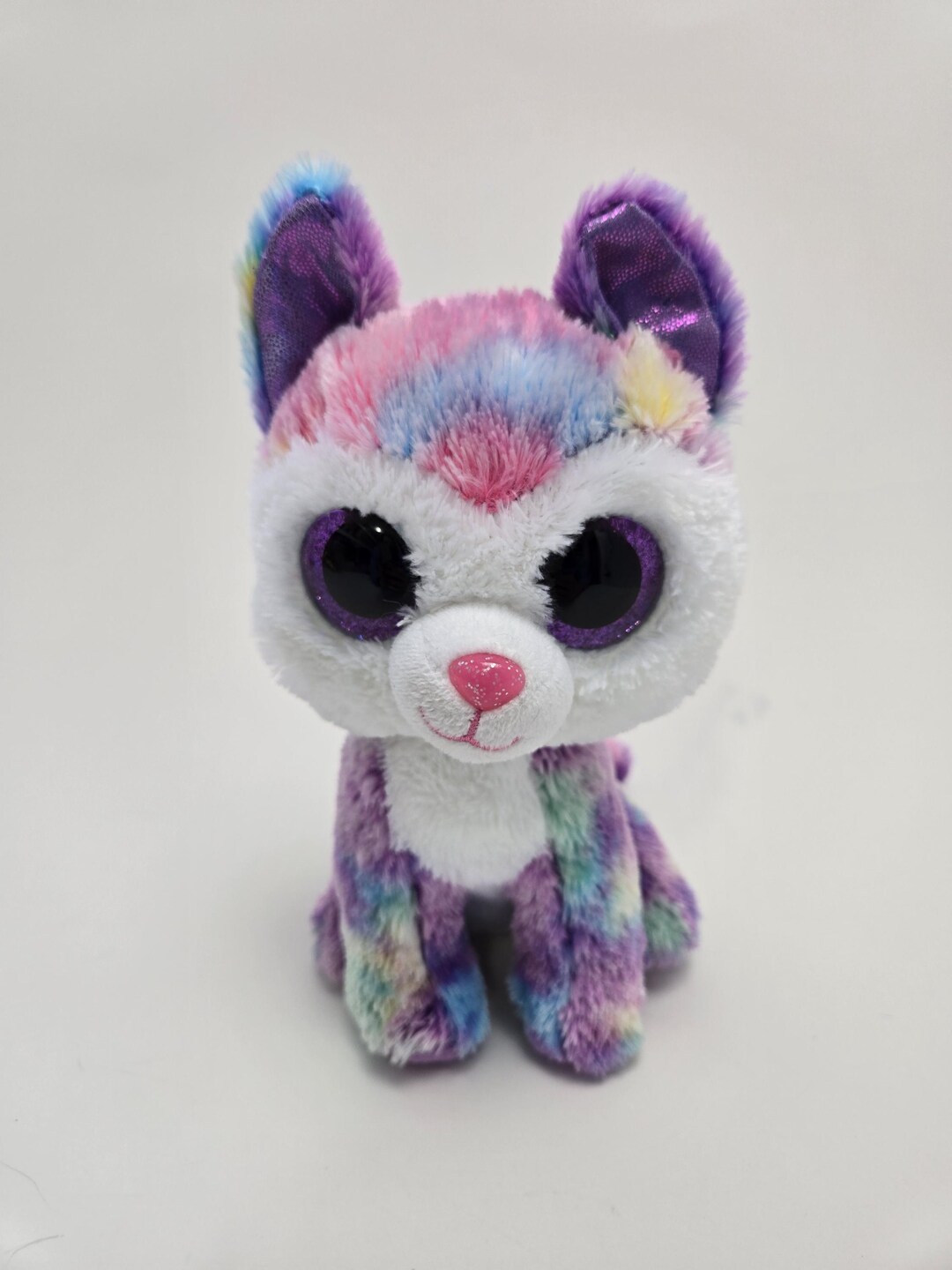
- Slush (Husky): While Slush became one of the most popular Beanie Boos ever, the original UK 2009 version with the 1st Gen tag is a "whale" for collectors.
- Waddles (Penguin): Similar to Slush, the rarity lies in the specific date code and tag generation.
- Peanut (Elephant): Not to be confused with the famous Peanut the Royal Blue Beanie Baby, the Beanie Boo version from 2009 is quite scarce.
- Cleo (Bush Baby): This is perhaps the most confusing rarity. The original Cleo was a Bush Baby, but the name was later reused for a Leopard.
Identifying Rarity: The Science of Tags
In the world of Ty collecting, the "swing tag" (the heart-shaped tag attached to the ear) and the "tush tag" (the cloth tag on the bottom) are the primary indicators of value. To identify the rarest Beanie Boos in 2026, you must understand these technical specifications.
Swing Tag Generations
- 1st Generation (UK): These are smaller than modern tags and do not have a "To/From" section inside. They were only available in the UK in 2009.
- 2nd Generation (US/Global): These introduced the birthday and poem format that became standard.
- Gold Framed Tags: Later anniversary editions used gold foil, which are collectible but generally less valuable than the 2009 originals.
The Tush Tag "Red Flags"
A true 2009 rarity will have a tush tag that lacks the holographic strip found on modern Beanie Boos. If you find a "Bubblegum" but the tush tag has a 2014 copyright date, it is likely a replica or a later "re-release" that does not carry the same historical value.
Comparative Value and Rarity Table (2026 Market Data)
The following table outlines the estimated market values and rarity factors for the top-tier Beanie Boos based on current 2026 auction trends.
| Name | Animal | Release Year | Rarity Factor | Est. Value (Mint) |
|---|---|---|---|---|
| Bubblegum | Koala | 2009 (UK) | Name change / Limited run | $1,800 - $2,500 |
| Cleo (V1) | Bush Baby | 2009 (UK) | Design retired / Name reuse | $800 - $1,200 |
| Treasure | Unicorn | 2013 (Justice) | Pink horn variant / Store exclusive | $400 - $600 |
| Slush (1st Gen) | Husky | 2009 (UK) | Original 1st Gen tag | $350 - $500 |
| Goldy | Bear | 2019 | 10th Anniversary / Limited production | $150 - $300 |
| Patti | Platypus | 2024 (Limited) | Small batch regional release | $100 - $200 |
Other Notable Rarities: Store Exclusives and Prototypes
While the 2009 UK originals dominate the high-end market, other factors can make a Beanie Boo "rare."
The Justice Exclusives
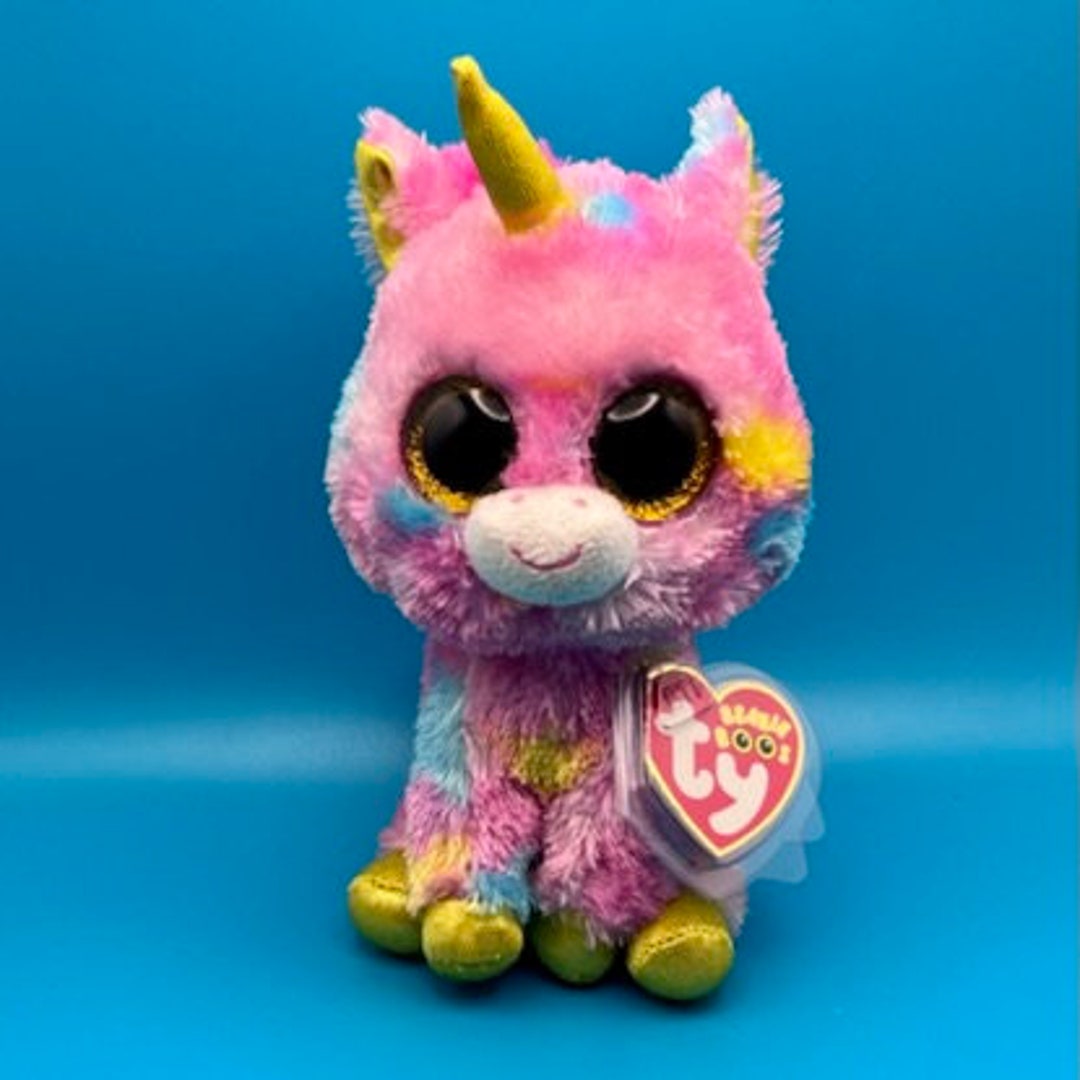
The clothing retailer Justice (formerly Limited Too) had a long-standing partnership with Ty. Several Beanie Boos were released exclusively through Justice stores. Treasure the Unicorn is a prime example. While common versions exist, a specific variant with a pink horn and specific eye colors is considered a top-tier rarity.
Prototypes and Employee Exclusives
As with any manufacturing process, prototypes exist. These are often unreleased colorways or designs that were rejected by Ty Warner himself. Furthermore, Ty Inc. occasionally produces "Employee Only" plushies for corporate events or holiday gifts. These items rarely have official names or poems and are almost never sold in retail stores, making them "off-book" rarities that can fetch thousands in private sales.
Verification and Counterfeit Prevention
As values for rare Beanie Boos have climbed, the market has seen an influx of sophisticated counterfeits. In 2026, verify your potential purchase using the following steps:
- Check the "Eyes": Authentic Beanie Boos have high-quality acrylic eyes. Counterfeits often have scuffed plastic or incorrectly centered pupils.
- Tag Font and Spacing: Ty uses a specific font for the "Ty" logo and the internal text. Look for "kerning" errors (spacing between letters) which are common in fakes.
- Fabric Weight: Original 2009 models used a slightly heavier plush fabric compared to the lighter, "minky" fabrics used in later mass-production runs.
- The "Heart" Fold: The crease of the heart tag should be clean. If the tag feels flimsy or the lamination is peeling at the edges, it is a red flag.
For high-value items like Bubblegum, it is highly recommended to use a third-party authentication service. These experts examine the stitching, fill material, and tag ink to provide a certificate of authenticity (COA).
Frequently Asked Questions
Is the original Peanut the Elephant Beanie Boo rare?
Yes, but it depends on the tag. The 2009 UK Peanut with a 1st Generation tag is rare, but the 2010 US version is much more common. Always check the copyright date on the tush tag to confirm which version you have.
Why is Treasure the Unicorn so expensive?
Treasure was a Justice store exclusive. The specific "rarity" comes from the fact that there were two versions: one with a tush tag that matches the heart tag and one with mismatched details. The version with the pink horn and blue eyes is the most sought after.
How can I tell if my Beanie Boo is a 1st Generation?
A 1st Generation (UK) Beanie Boo tag will be smaller than a standard tag, will not have a birthday or poem inside, and will only list "Ty UK Ltd." on the back. These were only produced in late 2009.
Are newer Beanie Boos from 2025 or 2026 worth anything?
Most modern Beanie Boos are produced in such high quantities that they do not appreciate in value. However, "Limited Edition" holiday releases or location-specific exclusives (like those found at certain theme parks or airports) may hold a modest premium over time.
Does removing the tag ruin the value?
Absolutely. For rare Beanie Boos like Bubblegum or Cleo, removing the swing tag can reduce the market value by 80% to 90%. Collectors prioritize "MWMT" (Mint with Mint Tags) status above all else.
Expert Recommendation for Collectors
If you are looking to acquire the rarest Beanie Boo, focus your search on UK-based secondary markets. Because the most valuable models were exclusively released in the United Kingdom in 2009, many "forgotten" rarities still reside in attics and toy boxes across Britain. Always request high-resolution photos of the front and back of both the swing tag and the tush tag before completing a transaction. For those just starting, look for the "First Seven" models with 1st Generation tags, as these have shown the most consistent value appreciation over the last decade.
Image Gallery