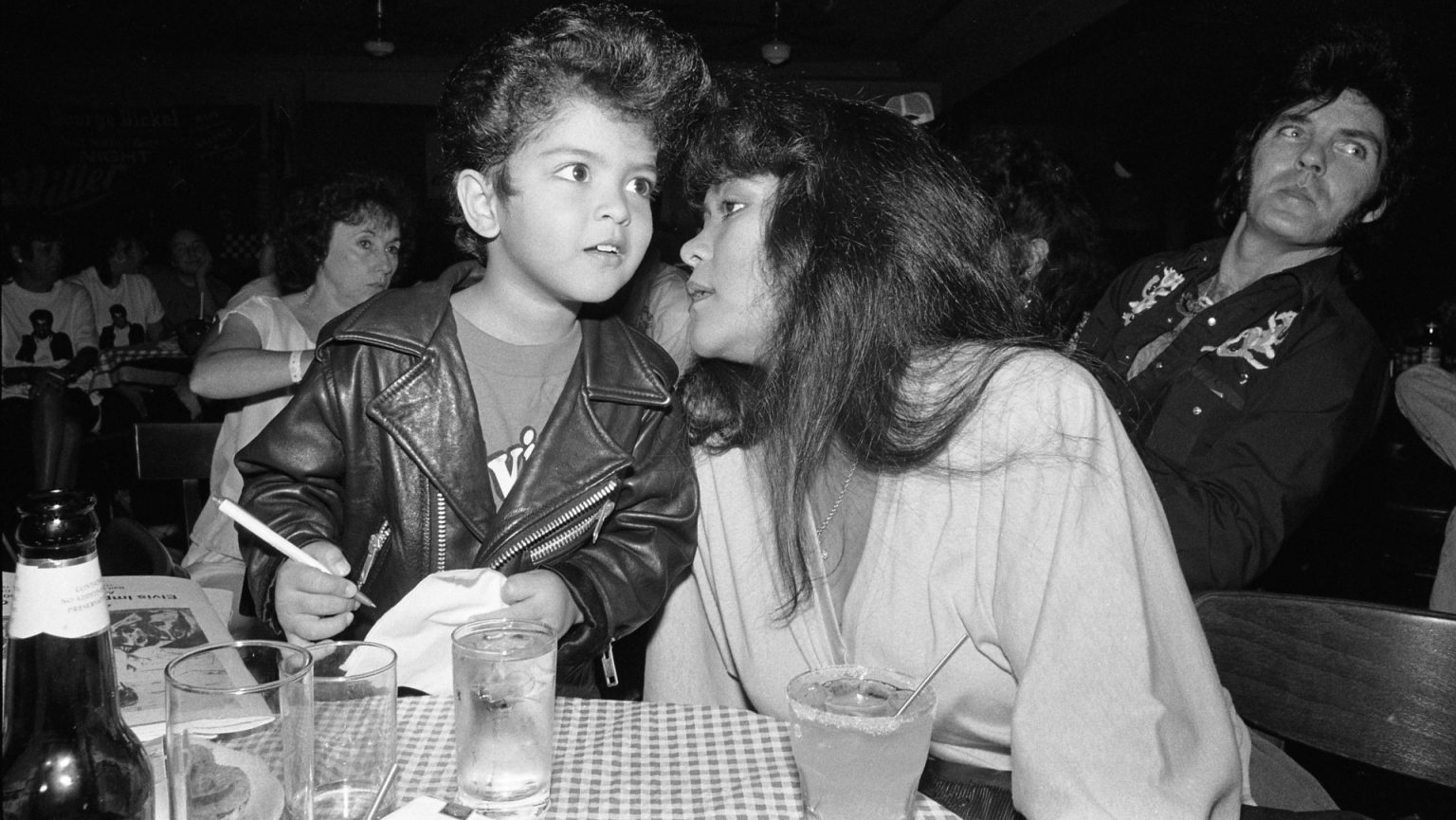
The Truth About Bernadette San Pedro Bayot’s Nationality and Heritage
Bernadette San Pedro Bayot was a natural-born citizen of the Philippines who later immigrated to the United States and became a naturalized American citizen, making her nationality Filipino-American. Widely recognized as the mother of...
Bernadette San Pedro Bayot was a natural-born citizen of the Philippines who later immigrated to the United States and became a naturalized American citizen, making her nationality Filipino-American. Widely recognized as the mother of international music superstar Bruno Mars (Peter Gene Hernandez), her birth in Manila and subsequent life in Hawaii established her dual cultural legacy.
Contents
Who Was Bernadette San Pedro Bayot?
Bernadette San Pedro Bayot was born on August 14, 1957, in Manila, Philippines. Raised in the Philippines during her early childhood, she moved to Hawaii as a young girl alongside her family. Settling in Oahu, she developed a deep passion for the performing arts, eventually working professionally as a hula dancer and vocalist in Waikiki's vibrant tourist show circuit.
It was during her career as an entertainer in Hawaii that she met Peter Hernandez, a Brooklyn-born musician of Puerto Rican and Jewish descent who performed as a Latin percussionist. The couple married and raised a musical family of six children: Eric, Presly, Tahiti, Tiara, Hawaii, and Peter Gene (who later adopted the stage name Bruno Mars).
Bernadette remained the emotional and artistic backbone of the family until her sudden passing on June 1, 2013, at the age of 55, due to a brain aneurysm at The Queen's Medical Center in Honolulu.
- Born in Manila, Philippines (1957)
- Immigrated to Hawaii, USA (Naturalized Citizen)
- Married Peter Hernandez & Raised Bruno Mars (Peter Gene)
Dissecting Bernadette San Pedro Bayot’s Nationality and Citizenship
Public curiosity regarding Bernadette San Pedro Bayot’s nationality often stems from confusion surrounding citizenship, country of birth, and ethnic heritage. To understand her official status, it is necessary to examine both Philippine legal framework and United States immigration history.
1. Philippine Nationality by Birth
Under the provisions of the 1935 Philippine Constitution—which governed citizenship at the time of her birth in 1957—Philippine nationality is primarily determined through the principle of jus sanguinis (right of blood). Because both her father, Fernando Bayot, and her mother, Maria L. San Pedro, were citizens of the Philippines, Bernadette was a natural-born Philippine citizen from birth.
2. Migration and U.S. Naturalization
Upon moving to Hawaii, Bernadette became an immigrant residing permanently within the United States. Through standard U.S. Citizenship and Immigration Services (USCIS) procedures, foreign nationals residing permanently in the U.S. can acquire citizenship via naturalization. By taking the oath of allegiance, Bernadette became an American citizen. Consequently, her correct legal nationality across her lifetime transitioned from Philippine to naturalized American, often described socio-culturally as Filipino-American.
3. Nationality vs. Ethnicity vs. Residence
To resolve common online misconceptions, it is helpful to separate these three distinct attributes:
- Nationality (Legal Status): Philippines by birth; United States by naturalization.
- Ethnicity (Ancestral Roots): Filipino (Tagalog / Philippine archipelago ancestry).
- Residence (Geographic Location): Manila, Philippines (early childhood); Honolulu, Hawaii, USA (adulthood).
Ancestry and Naming Conventions: Debunking Spanish Origin Myths
A frequent point of confusion among biographical researchers is whether Bernadette San Pedro Bayot held Spanish nationality or was directly from Spain. This myth stems largely from her Spanish-sounding surnames: San Pedro (maternal) and Bayot (paternal).
The Historical Context of Philippine Surnames
The prevalence of Spanish surnames across the Philippines is not direct proof of recent Spanish nationality or European birth. In 1849, Governor-General Narciso Clavería y Zaldúa issued a decree known as the Catálogo Alfabético de Apellidos (Alphabetical Catalog of Surnames). This decree mandated that native Filipinos adopt systematic Spanish family names for taxation, census registration, and administrative organization under Spanish colonial rule.
While some families in the Philippines do possess mixed Spanish genealogical ancestry (mestizo lineage), having names like "San Pedro" or "Bayot" is standard across the Philippine population.
- The Bayot Family Lineage: Historical records in the Philippines show the Bayot surname established in various provinces, including Luzon and the Visayas.
- The San Pedro Family Lineage: "San Pedro" is a widespread maternal surname across Tagalog-speaking regions, including Metro Manila and Bulacan.
Bernadette San Pedro Bayot did not hold Spanish citizenship, nor was she a national of Spain. Her legal citizenship was grounded entirely in the Philippines and the United States.
Impact on Bruno Mars’ Identity and Career
Bernadette's Filipino background played a central role in shaping the identity and artistic development of her son, Peter Gene Hernandez (Bruno Mars).
Growing Up in a Multicultural Household
Bruno Mars grew up in a household that blended his mother's Filipina heritage with his father's Puerto Rican and Jewish background. In Hawaiian culture, where multicultural backgrounds are common, Mars was raised surrounded by diverse musical styles, from traditional Filipino songs and hula dance to salsa, rock, and rhythm and blues.
- Bernadette San Pedro Bayot (Filipino-American / Singer-Dancer)
- Peter Hernandez (Puerto Rican & Jewish / Percussionist)
- Bruno Mars (Peter Gene Hernandez)
- Exposed to diverse musical genres
- Strong ties to the Philippines
- Raised in Honolulu, Hawaii
- Bruno Mars (Peter Gene Hernandez)
Musical Discipline and Artistic Support
As a professional singer and dancer, Bernadette introduced her children to stage performance at an early age. She encouraged Bruno Mars' early talents as an Elvis Presley impersonator and young vocalist. Mars has frequently cited his mother as his primary vocal inspiration and the source of his stage charisma.
Cultural Connection to the Philippines
Throughout his global tours, Bruno Mars has publicly highlighted his maternal Filipina roots. During concerts in Manila and international interviews, he has spoken about his pride in his mother's heritage, reinforcing the strong connection between Bernadette's background and his international fanbase in Asia and the Pacific.
Fact Breakdown: Bernadette San Pedro Bayot
The following table summarizes the verified facts regarding Bernadette San Pedro Bayot’s background, legal status, and family history.
| Attribute | Verified Fact / Detail | Legal & Historical Significance |
|---|---|---|
| Full Birth Name | Bernadette San Pedro Bayot | Follows traditional Philippine naming (Maternal: San Pedro, Paternal: Bayot). |
| Date of Birth | August 14, 1957 | Born in Manila, Philippines. |
| Place of Birth | Manila, Philippines | Establishes natural-born Philippine nationality under the 1935 Constitution. |
| Date of Death | June 1, 2013 (Aged 55) | Passed away in Honolulu, Hawaii, USA due to a brain aneurysm. |
| Birth Nationality | Philippine (Filipina) | Determined by jus sanguinis (parents were Philippine citizens). |
| Final Legal Citizenship | United States (Filipino-American) | Naturalized U.S. citizen following long-term residence in Hawaii. |
| Primary Ethnicity | Filipino | Indigenous/Asian lineage from the Philippine archipelago. |
| Parents | Fernando Bayot & Maria L. San Pedro | Both native to the Philippines. |
| Notable Offspring | Peter Gene Hernandez (Bruno Mars) | Passed down her music skills and Filipina cultural heritage. |
Frequently Asked Questions
Was Bernadette San Pedro Bayot born in the Philippines?
Yes. Bernadette San Pedro Bayot was born in Manila, Philippines, on August 14, 1957. She spent her early childhood in the Philippines before her family relocated to Honolulu, Hawaii.
What was Bernadette San Pedro Bayot’s legal nationality?
Her nationality by birth was Philippine. After immigrating to the United States and completing the naturalization process, she became a naturalized U.S. citizen. Her complete national identity is accurately described as Filipino-American.
Was Bernadette San Pedro Bayot a Spanish citizen?
No. She was not a citizen of Spain. Although her paternal and maternal family names ("Bayot" and "San Pedro") are of Spanish origin, this is due to the historical adoption of Spanish surnames across the Philippines under the 1849 Catálogo Alfabético de Apellidos. Her citizenship was Philippine by birth and American by naturalization.
How did Bernadette San Pedro Bayot influence Bruno Mars' music career?
As a professional entertainer (hula dancer and singer), Bernadette introduced Bruno Mars to music and live performance at a young age. She supported his early childhood performances in Waikiki and provided guidance in vocal performance and stage presence.
What is the origin of the surname Bayot in the Philippines?
The surname Bayot is a recognized family name in the Philippines, tracing back to the Spanish colonial period when surnames were formally standardized. It is shared by many Filipino families across Luzon and the Visayas and does not indicate foreign citizenship.
Where did Bernadette San Pedro Bayot pass away?
She passed away on June 1, 2013, at The Queen's Medical Center in Honolulu, Hawaii, after suffering a sudden brain aneurysm.
Summary and Verification Guidance
When researching the lineage and citizenship of historical or public figures, it is important to distinguish between birthplace, ethnic background, and legal citizenship.
Bernadette San Pedro Bayot was a Filipino citizen by birth from Manila who became a naturalized citizen of the United States in Hawaii. Claims attributing Spanish nationality or alternative European citizenship to her are inaccurate and stem from a misunderstanding of Philippine surname history.
For genealogical researchers verifying family records from the Philippines:
- Consult official civil registries managed by the Philippine Statistics Authority (PSA) for official birth certificate records.
- Cross-reference immigration records via the U.S. National Archives and Records Administration (NARA) for historical naturalization data.
- Distinguish between colonial naming conventions (Catálogo Alfabético de Apellidos) and verified ancestral lineage.
Image Gallery