Understanding How a Life Insurance Schedule Works: A Comprehensive Guide
A life insurance schedule, often referred to as a policy schedule or schedule of benefits, is a foundational document that outlines the specific terms, coverage limits, and personalized details of your life insurance contract. It serve...
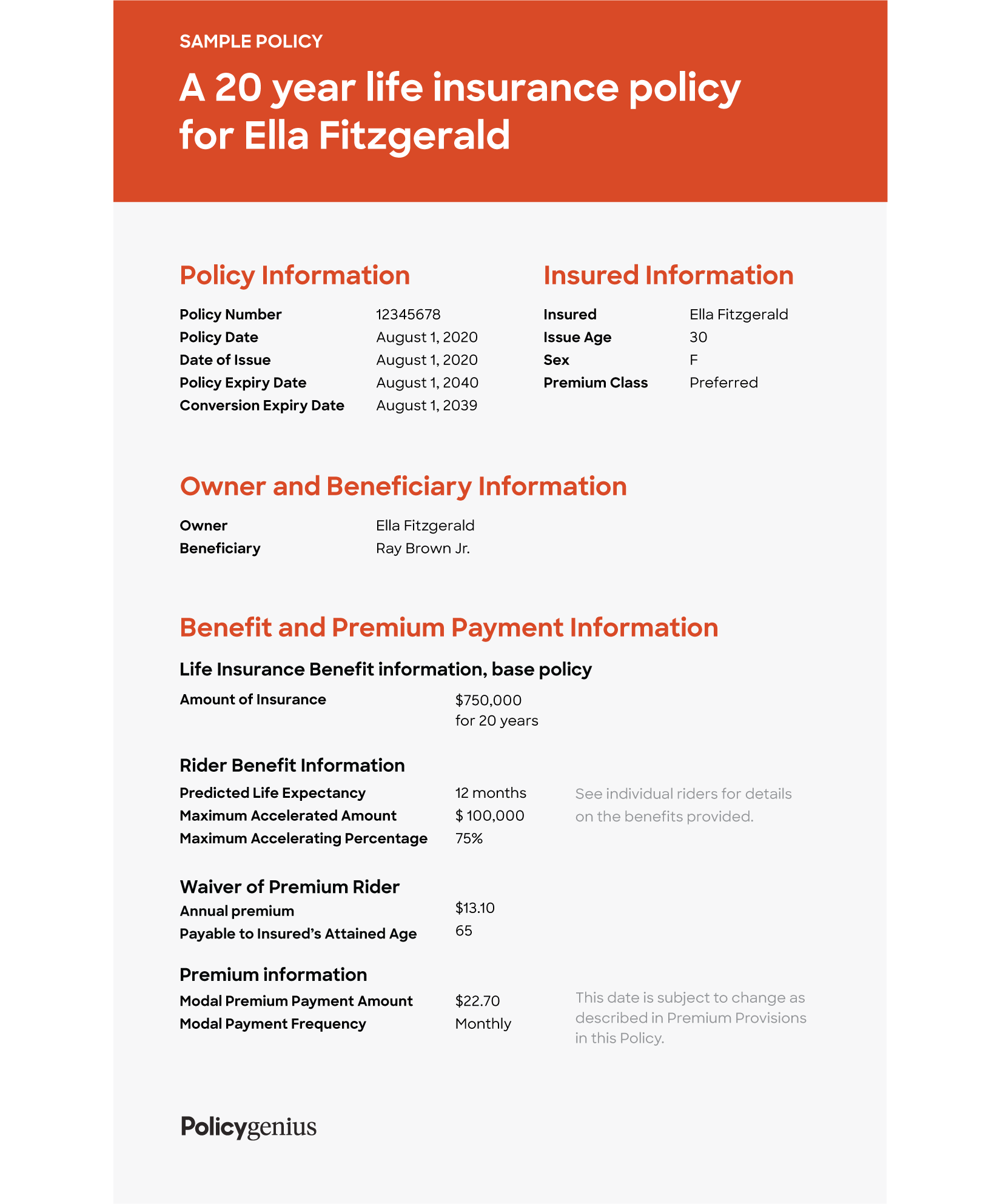
A life insurance schedule, often referred to as a policy schedule or schedule of benefits, is a foundational document that outlines the specific terms, coverage limits, and personalized details of your life insurance contract. It serves as the primary reference point for identifying the policyholder, the insured, the coverage amount, premium obligations, and the specific beneficiaries entitled to the death benefit.
Contents
The Role of the Policy Schedule in Insurance Contracts
When you purchase a life insurance policy, you receive a comprehensive "policy packet." While the main policy document contains the general terms and conditions—legal language that applies to every policyholder within a specific product line—the schedule is the individualized "snapshot" of your specific agreement.
Think of the main policy as the "Terms of Service" for a product and the schedule as the "Receipt and Specifications" page. Without the schedule, you would have a contract, but no way to know exactly how much coverage you purchased, what your specific premium is, or who is authorized to receive the benefits. Because insurance companies often use standardized, pre-printed legal documents for thousands of customers, the schedule acts as the bridge that makes a generic legal contract applicable to you personally.
Key Components Found in a Life Insurance Schedule
While formatting varies by insurer, almost all life insurance schedules will contain a standard set of variables. Reviewing these sections during the initial "free look" period—a 10-to-30-day window after policy delivery—is critical to ensuring your coverage matches your expectations.
1. Policy Owner and Insured Identification
The schedule explicitly names the policy owner (who controls the policy) and the person whose life is insured. In many cases, these are the same person, but in instances such as trust-owned policies or business-owned key person insurance, they may differ.
2. Coverage Amount and Policy Type
This section dictates the face amount (death benefit). It also specifies the type of policy, such as term life, whole life, or universal life. For permanent policies, the schedule may also note the cash value accumulation features or current dividend scales, if applicable.
3. Premium Details and Billing Schedule
This area clarifies how much you pay, the frequency of payments (monthly, quarterly, annually), and the "due date." For term policies, this may also show the "level premium period," indicating how many years your current rate is guaranteed before it potentially increases.
4. Beneficiary Designations
This identifies the primary and contingent beneficiaries. It is essential to ensure that the legal names listed here are accurate to prevent complications during the claims process.
5. Riders and Endorsements
If you have purchased supplemental coverage—such as an accidental death benefit, waiver of premium, or child term rider—these will be listed in the schedule, usually with an associated cost.
Comparison Table: Why the Schedule Matters
| Feature | Main Policy Document | Policy Schedule |
|---|---|---|
| Purpose | Sets legal rights and obligations | Defines personalized policy specifics |
| Customization | Standardized for all policyholders | Unique to your personal application |
| Frequency | Stays the same throughout the life of the product | Updated periodically or upon policy changes |
| Primary Use | Dispute resolution and definitions | Verification of coverage and claims |
How to Verify and Maintain Your Schedule
Upon receiving your policy documents in 2026, you should perform a manual audit of the schedule. Common errors—such as a misspelled beneficiary name, an incorrect birth date for the insured, or an omitted rider—can create significant hurdles for your family if a claim is filed.
Step-by-Step Verification:
- Cross-Reference: Compare the details on the schedule against your original application form.
- Check Dates: Ensure the "Policy Date" and "Effective Date" align with when your coverage was intended to begin.
- Verify Beneficiaries: Confirm that all names and social security numbers (if requested) match government-issued identification.
- Audit Premiums: Ensure the premium amount matches the quote provided by your agent or the insurer’s underwriting department.
If you find a discrepancy, contact your insurance provider or agent immediately. They will typically issue a "policy correction" or a "policy endorsement" to rectify the error, which will then be attached to your schedule.
Common Misconceptions Regarding the Schedule
A frequent error is assuming that the schedule is static. While the death benefit of a term policy is usually fixed, other policies are dynamic. For example, in a Universal Life policy, the "planned periodic premium" listed on your schedule may change based on the policy’s performance, interest rates, or the cost of insurance charges.
Additionally, many policyholders confuse the Certificate of Insurance with the Policy Schedule. A certificate is often a summary provided to a third party (like a lender) to prove coverage exists, whereas the schedule is the internal legal document that binds the insurance company to the specific terms of the contract.
Troubleshooting Potential Issues
What happens if you lose your schedule? Most insurers provide a "Policy Summary" or "Certificate of Coverage" through their secure online portals. However, for legal purposes, you should always request a certified copy of the original policy schedule from the insurer’s home office. Keeping a digital copy in a secure, encrypted file—along with physical copies kept with your estate planning documents—is a recommended best practice.
If you believe your coverage has changed but your schedule has not been updated, check your "Notice of Change" documents. Insurers are required to notify policyholders of material changes to the contract. If no such notice exists, the schedule remains the governing document for your coverage limits.
Frequently Asked Questions
Does the schedule show my current cash value? Generally, no. The schedule shows the policy’s base structure and guaranteed amounts. Cash value is a fluctuating figure and is typically provided in a separate annual "Policy Anniversary Statement."
What if my beneficiary dies before I do? If a primary beneficiary passes away, your schedule remains valid, but the death benefit will default to the contingent beneficiary or, if none is named, to your estate. It is essential to update your schedule through a formal "Change of Beneficiary" form provided by your insurer.
Is the schedule the same as a life insurance quote? No. A quote is an estimate provided before underwriting. The schedule is a binding legal contract issued after the insurer has evaluated your risk and finalized your policy.
Can I change the terms listed on my schedule? You can usually request changes to your beneficiary, coverage amount, or premium payment frequency. However, substantive changes to the policy contract often require a new application or a formal policy amendment document signed by both parties.
How do riders affect the schedule? Riders represent additional contract language that expands your coverage. Each rider will have its own section in the schedule, specifying the additional premium required and the conditions under which the rider benefit is paid.
Next Steps for Policyholders
Your immediate priority should be locating your policy schedule within your insurance packet. Once found, verify that the beneficiary information is current—a step often forgotten by individuals following life events like marriage, divorce, or the birth of a child. If your information is outdated, visit your insurer’s official website or contact your financial representative to obtain the necessary forms to update your designations. Always ensure your family knows where these documents are stored so they can easily access the information in the event of a death claim.
Image Gallery