Navigating Cloud Security Slideshare Presentations for Professional Development
Cloud security slideshare presentations serve as a vital repository for industry practitioners, offering structured visual summaries of complex security frameworks, threat landscapes, and architectural best practices. Professionals uti...
Cloud security slideshare presentations serve as a vital repository for industry practitioners, offering structured visual summaries of complex security frameworks, threat landscapes, and architectural best practices. Professionals utilize these resources to accelerate their understanding of shared responsibility models, identity access management, and incident response strategies through peer-reviewed or expert-authored slide decks.
Contents
Understanding the Role of Slideshare in Cybersecurity Knowledge Sharing
Slideshare, now part of the Scribd ecosystem, functions as a professional content-hosting platform where security architects, researchers, and vendors upload technical decks. Unlike long-form white papers, these presentations focus on visual hierarchy, summarizing high-level cloud security concepts into digestible bullet points, architectural diagrams, and process flows.
In 2026, the primary search intent for "cloud security slideshare" is twofold: professionals seeking immediate visual aids for team training and researchers looking for historical perspectives on cloud evolution. Because cloud security remains a fast-moving field, the utility of these decks depends on identifying verified information sources, such as major cloud service providers (CSPs) like AWS, Microsoft Azure, and Google Cloud, or recognized cybersecurity organizations like SANS and NIST.
Evaluating Content Quality and Relevance
Not all slide decks are created equal. When sourcing information from public repositories, the primary challenge is distinguishing between outdated configurations and modern zero-trust architecture requirements.
Criteria for Evaluating Security Decks:
- Source Authority: Does the author belong to a known security consultancy, a CSP, or an academic research body?
- Publication Date: Is the content relevant to the current threat landscape of 2026? Information regarding legacy cloud configurations may lead to misinterpretation of modern security protocols.
- Technical Depth: Are the slides providing high-level marketing overviews or detailed technical specifications? For implementation, prioritize decks that include specific tool chains, API security patterns, and compliance mapping.
- Completeness: Does the deck cite regulatory standards such as ISO/IEC 27017 or SOC 2? References to these standards ensure the information is grounded in objective, industry-wide compliance benchmarks.
Key Topics Found in High-Value Cloud Security Presentations
When exploring these presentations, focus your search on core architectural pillars rather than generic overview decks. The most valuable resources usually cover specific operational challenges rather than repeating basic definitions of cloud computing.
Common Technical Focus Areas
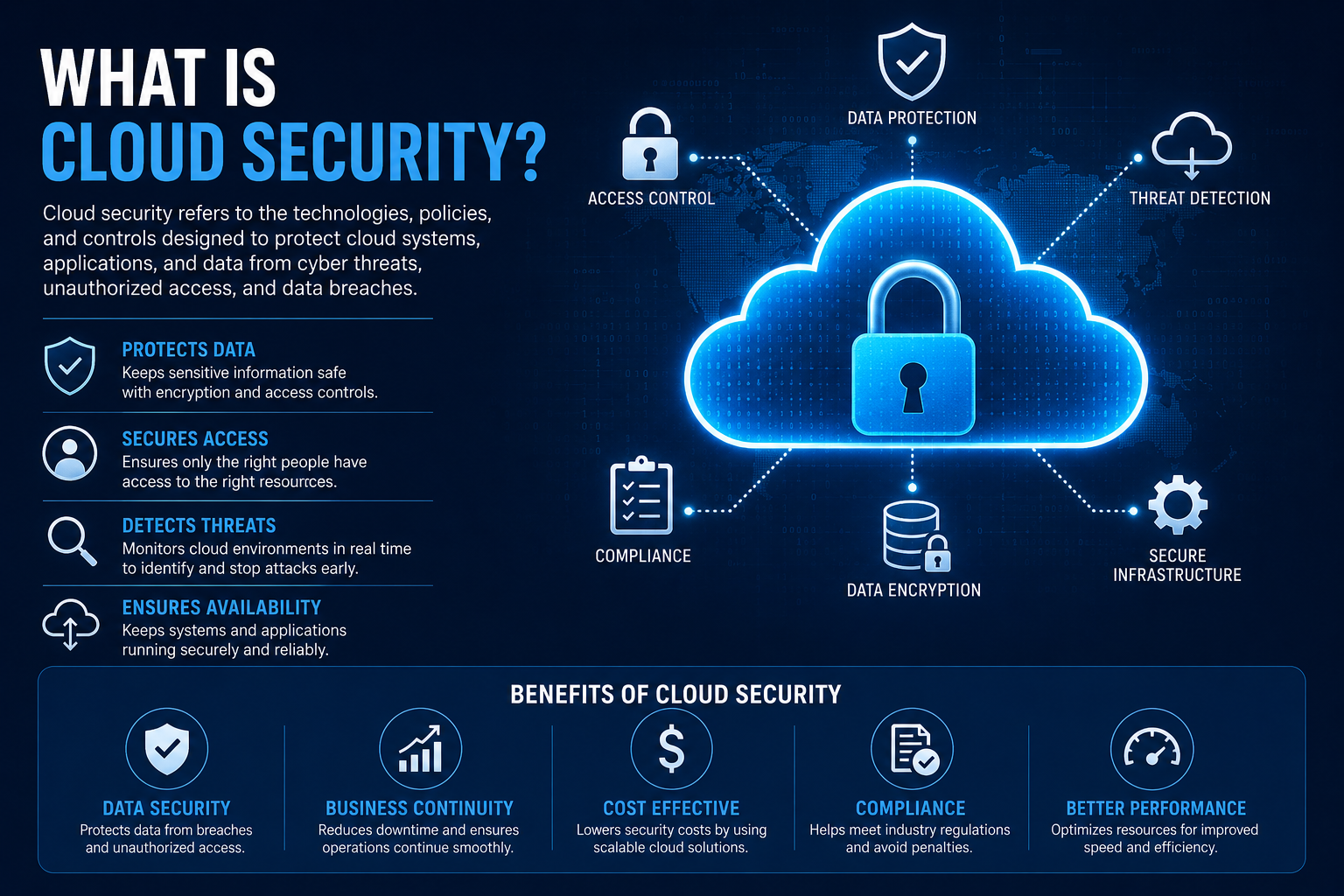
- Shared Responsibility Model: Deep dives into how responsibility shifts across Infrastructure-as-a-Service (IaaS), Platform-as-a-Service (PaaS), and Software-as-a-Service (SaaS).
- Identity and Access Management (IAM): Advanced strategies for managing service accounts, federated identities, and the principle of least privilege in multi-cloud environments.
- Data Sovereignty and Encryption: Technical guides on implementing encryption-at-rest and in-transit, including key management services (KMS) and hardware security modules (HSM).
- Cloud-Native Security (CNAPP): Presentations detailing how to integrate security into CI/CD pipelines to achieve "shift-left" security, covering container security and serverless protection.
Comparison of Learning Formats for Cloud Security
Selecting the right medium for learning is essential for technical competency. While slide decks offer brevity, they must be augmented with official documentation for implementation.
| Format | Strengths | Limitations | Best Use Case |
|---|---|---|---|
| Slideshare Decks | Visual, high-level, quick scan | Often lacks granular implementation detail | Team briefings and strategy planning |
| Official White Papers | Deep, authoritative, precise | Time-intensive to consume | Technical deep-dives and compliance audits |
| Documentation Sites | Real-time, up-to-date, actionable | Can be overwhelming in scope | Active troubleshooting and engineering |
| Industry Webinars | Contextual, interactive | Variable quality and pacing | Keeping up with recent trends |
Verification and Operational Application
After identifying a relevant presentation, do not rely on it as a single source of truth. Security controls must be verified against current platform documentation. For instance, if a slideshare presentation suggests a specific firewall configuration or bucket policy, verify that policy syntax against the official 2026 documentation of the relevant CSP.
A common pitfall is the use of expired security tools. Cloud environments are ephemeral; security services that existed in 2020 may have been deprecated or replaced by more integrated managed services. Always check if the tools mentioned in a deck are still supported by the vendor.
Frequently Asked Questions
Are older cloud security presentations still useful in 2026? The core principles of security—such as the principle of least privilege and data encryption—remain constant. However, specific configurations and service names change frequently. Use older slides for foundational concepts but verify all technical steps against current, vendor-provided documentation.
How can I ensure the information in a slide deck is accurate? Cross-reference the information with official documentation from the cloud provider (e.g., AWS Security Hub or Azure Security Center documentation). If the deck lacks citations or links to official standards like NIST or CIS Benchmarks, treat the claims with skepticism.
Can I use these presentations for corporate training? Yes, but you must ensure that the presentation does not contain proprietary information or outdated security practices that could violate your organization’s security policy. Always review and customize the deck to align with your specific cloud infrastructure.
What is the best way to search for high-quality decks?
Use specific search operators in your browser, such as site:slideshare.net "Cloud Security" "2026" or include specific sub-topics like site:slideshare.net "Zero Trust Architecture". This helps filter results to more recent or specific files.
Do these decks count as legitimate certification study materials? They serve as excellent study aids, but they should not replace official vendor certification guides, lab exercises, or hands-on practice. Use them to clarify complex topics that are difficult to visualize in text-only manuals.
Next Steps for Implementation
To maximize the value of cloud security resources, follow these steps:
- Define your objective: Are you preparing for a certification, planning a security audit, or designing a new architecture?
- Filter by date and source: Prioritize materials from 2024–2026 published by trusted security researchers or CSPs.
- Extract architectural patterns: Use diagrams and logic flows to build your internal knowledge base.
- Validate against current docs: Verify every command, policy example, or configuration step against the provider’s live 2026 documentation.
- Apply with caution: Implement concepts in a sandbox or non-production environment before applying them to production infrastructure.
Image Gallery