Fairfax County Property Assessment, Taxes, and Real Estate Guide for 2026
Navigating Fairfax County property ownership involves understanding official assessment valuations, managing annual real estate tax obligations, and complying with local zoning regulations administered by Fairfax County, Virginia. Prop...
Navigating Fairfax County property ownership involves understanding official assessment valuations, managing annual real estate tax obligations, and complying with local zoning regulations administered by Fairfax County, Virginia. Property owners must track annual assessment notices issued by the Department of Tax Administration, pay semi-annual tax installments, and adhere to local land-use mandates.
Contents
Understanding Fairfax County Property Assessments and Valuations
Fairfax County property assessments serve as the foundation for local real estate taxation. The Fairfax County Department of Tax Administration (DTA) evaluates all real property annually to determine fair market value as of January 1 of the tax year. Property owners receive annual assessment notices in early March, outlining the current market value, previous year's value, and the percentage change.
Market values are determined using mass appraisal techniques, which analyze recent real estate transactions, neighborhood market trends, property size, age, condition, and structural improvements. Homeowners who believe their assessment exceeds fair market value can file an administrative appeal through the DTA or appeal directly to the Fairfax County Board of Equalization.
- Annual Reassessment Cycle: Properties are evaluated every year to reflect dynamic market conditions across Northern Virginia.
- Inspection Rights: Assessors inspect properties periodically, following structural additions, major renovations, or routine cyclical reviews.
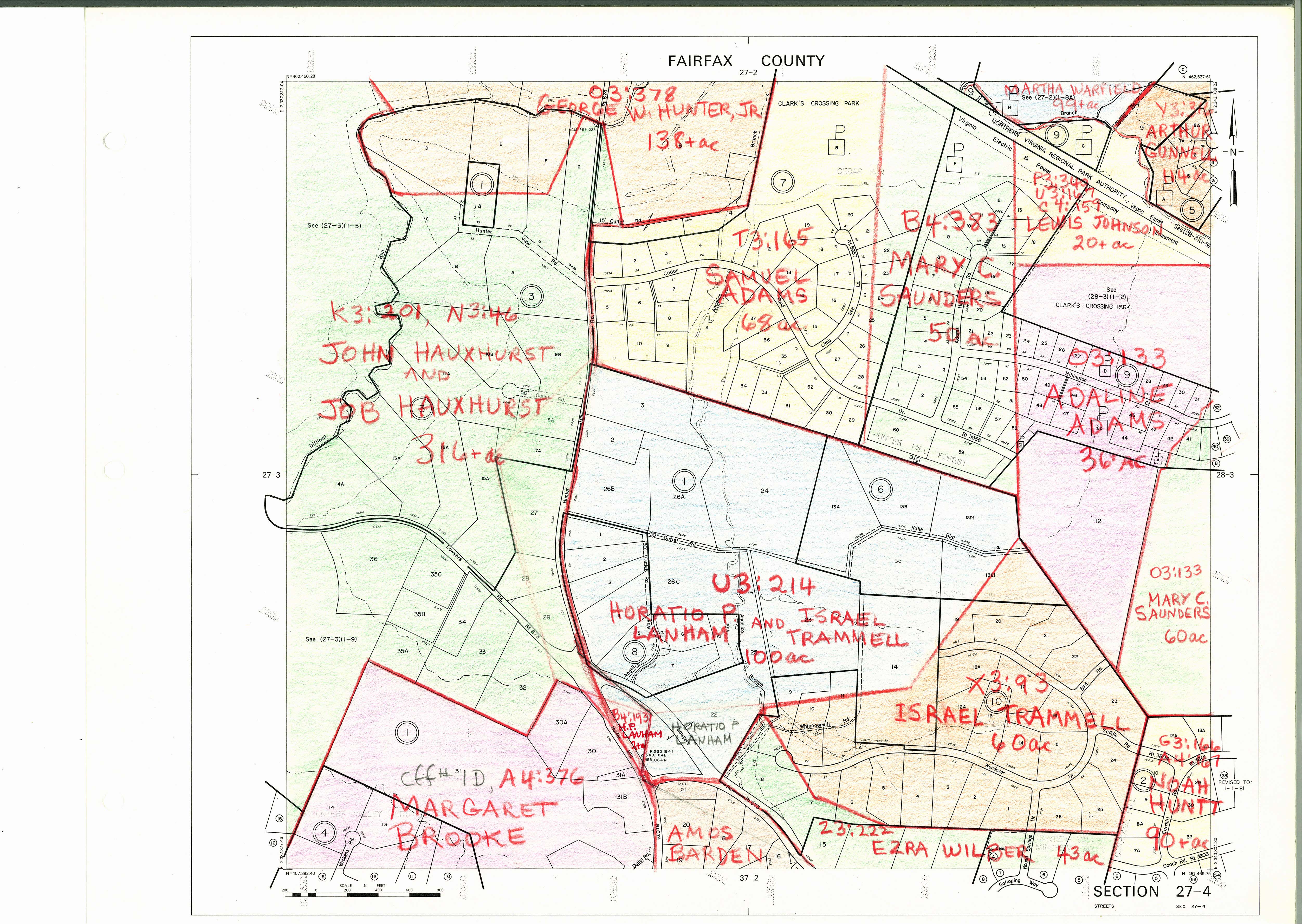
- Public Records Access: Detailed assessment histories, property characteristics, and tax maps are publicly accessible via the Fairfax County Property Viewer online tool.
Fairfax County Real Estate Tax Rates and Payment Structures
Real estate taxes fund essential county services, including public education, transportation infrastructure, public safety, and park maintenance. The Fairfax County Board of Supervisors sets the real estate tax rate annually as part of the adoption of the county budget. For 2026, understanding the precise levy structure and payment deadlines prevents costly penalties and interest charges.
Property taxes are billed semi-annually. Tax bills are typically mailed in June and October, with payment deadlines set for July 28 and December 5, respectively. Failure to remit payment by the statutory deadlines incurs a 10% penalty plus interest charged at a statutory rate per month.
| Tax Component | Billing Schedule | Statutory Deadline | Primary Funding Allocation |
|---|---|---|---|
| First Half Real Estate Tax | Semi-Annual (June Mailing) | July 28 | Public Schools, County Services |
| Second Half Real Estate Tax | Semi-Annual (October Mailing) | December 5 | Public Safety, Infrastructure |
| Special Service Districts | Billed with Real Estate Tax | July 28 / December 5 | Metrorail Improvements, Leaf Collection |
Real Estate Tax Relief Programs for Qualified Residents
Fairfax County offers targeted tax relief programs to assist senior citizens, individuals with permanent and total disabilities, and disabled veterans. These programs are designed to ease the financial burden of property ownership and help residents remain in their homes.
Eligibility for tax relief is subject to strict household income and net worth thresholds, which are adjusted periodically by the Board of Supervisors. Applicants must submit detailed financial documentation, including federal income tax returns, bank statements, and proof of disability or age, to the DTA before the designated annual filing deadline.
Tax Relief Qualifications
Age and Disability Criteria: Applicants must be at least 65 years of age or permanently and totally disabled as of December 31 of the preceding year.
Financial Thresholds: Combined gross household income and total net worth (excluding the primary residence and up to a designated acreage limit) must fall within current county limits.
Zoning Ordinances, Land Use, and Property Compliance
Owning property in Fairfax County requires strict adherence to county zoning ordinances and land-use regulations. The Fairfax County Zoning Ordinance governs what activities can occur on a property, how structures can be built, and how land must be maintained.
Property owners planning additions, decks, sheds, or major landscaping changes must secure proper building permits from Land Development Services (LDS) before beginning construction. Failure to obtain necessary permits can result in stop-work orders, fines, and complications during future property sales.
- Zoning Districts: Properties are classified into residential, commercial, industrial, or mixed-use districts, each with specific setback, height, and lot coverage restrictions.
- Environmental and Tree Preservation: The Chesapeake Bay Preservation Ordinance and county tree-saving policies regulate grading, clearing, and construction near streams and protected environmental resource areas.
- Property Maintenance Codes: The Fairfax County Property Maintenance Code addresses structural integrity, sanitation, and neighborhood aesthetics, prohibiting accumulation of junk vehicles, overgrown weeds, and unsafe building conditions.
Comparative Overview of Fairfax County Property Management Options
Property owners navigating transactions, rentals, or development often evaluate whether to manage real estate independently or engage professional service providers. Each approach carries distinct operational and financial considerations.
| Management Approach | Primary Advantages | Potential Risks and Drawbacks |
|---|---|---|
| Self-Management | Full operational control, zero management fee overhead, direct tenant or contractor interaction. | High time investment, complex regulatory compliance, potential liability exposure under local landlord-tenant laws. |
| Professional Property Management | Expertise in local market rental rates, handling of maintenance emergencies, strict legal compliance. | Ongoing management fees (typically 8% to 12% of monthly rent), less direct control over day-to-day decisions. |
Frequently Asked Questions About Fairfax County Property
How is the Fairfax County real estate tax calculated?
Real estate taxes are calculated by multiplying the assessed market value of the property by the current county tax rate per 100 dollars of valuation. For example, a home assessed at 600,000 dollars facing a tax rate of 1.11 dollars per 100 dollars yields an annual tax of 6,660 dollars. Property owners can verify their specific tax rate and assessment breakdown on their official tax bill.
When are Fairfax County property tax payments due?
Fairfax County property taxes are paid in two equal semi-annual installments due on July 28 and December 5. Bills are mailed out approximately four to six weeks prior to each respective deadline. Timely payment avoids statutory penalties and monthly interest accruals.
Can I appeal my Fairfax County property assessment if I think it is too high?
Yes, property owners can appeal assessments by filing an administrative review request with the Department of Tax Administration or by appealing directly to the Board of Equalization. Appellants must provide supporting market evidence, such as recent comparable sales of similar properties in their neighborhood, to substantiate a lower valuation.
What exemptions or relief programs are available for disabled veterans?
Fairfax County provides a 100% real estate tax exemption on the primary residence for qualified veterans with a 100% service-connected, permanent, and total disability. Surviving spouses of qualifying veterans may also be eligible for this exemption under specific state and county guidelines.
How do I check zoning and land-use rules for a Fairfax County parcel?
Property owners can use the Fairfax County Zoning Information System (ZIS) and Property Viewer online mapping portals to review zoning districts, easements, and environmental overlays. For complex development or structural expansion questions, contacting the Fairfax County Zoning Evaluation Division provides official clarification.
Conclusion and Strategic Next Steps
Managing Fairfax County property successfully requires proactive engagement with county assessment schedules, tax deadlines, and zoning regulations. Property owners should regularly review their annual assessment notices, maintain open lines of communication with the Department of Tax Administration, and ensure all structural modifications comply with local building codes. For individualized tax relief inquiries or complex land-use applications, consult directly with official Fairfax County departments or licensed local real estate professionals to protect your long-term investment.
Image Gallery