How the International Space Station Was Launched: A Modular Engineering Achievement
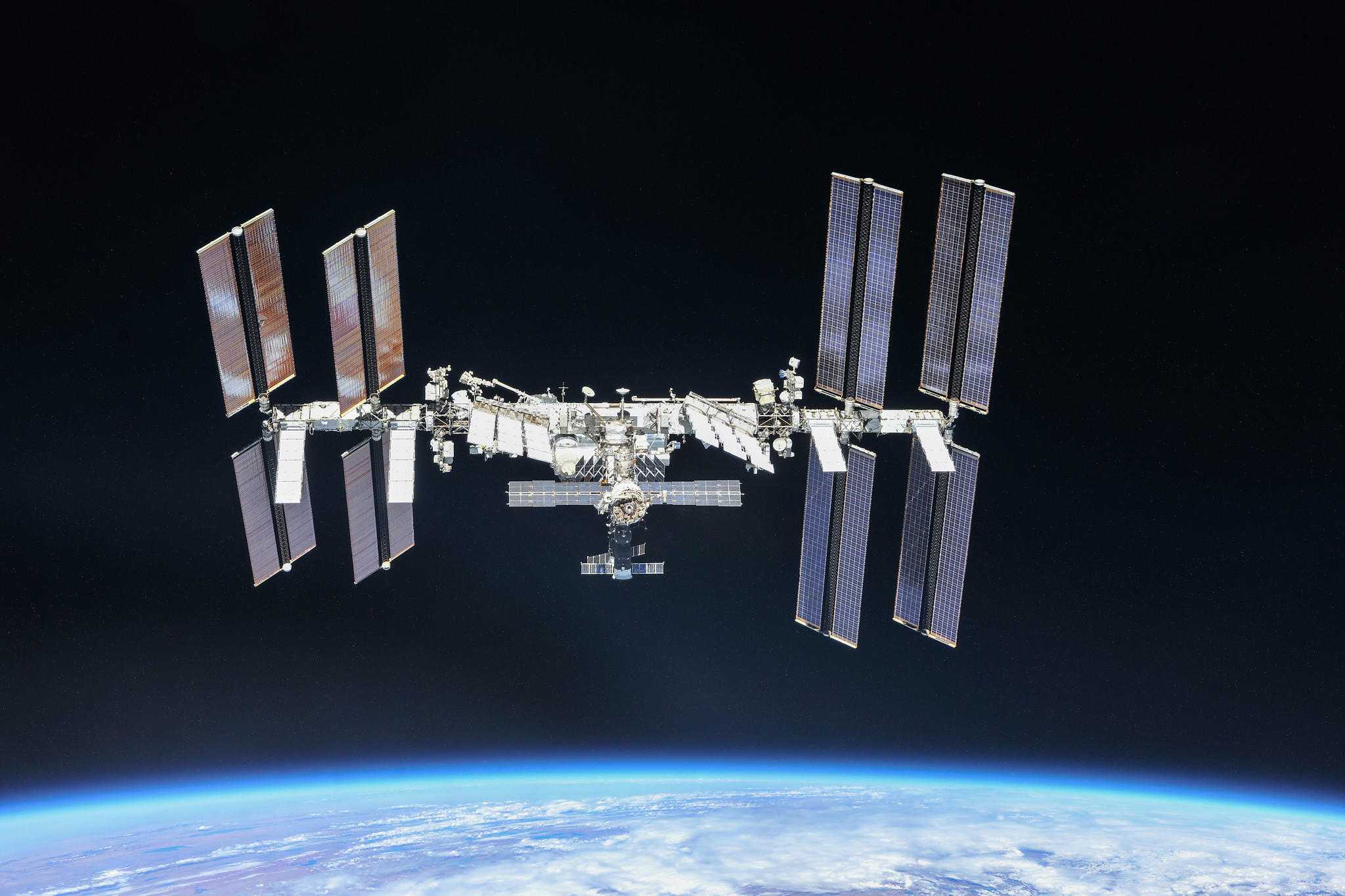
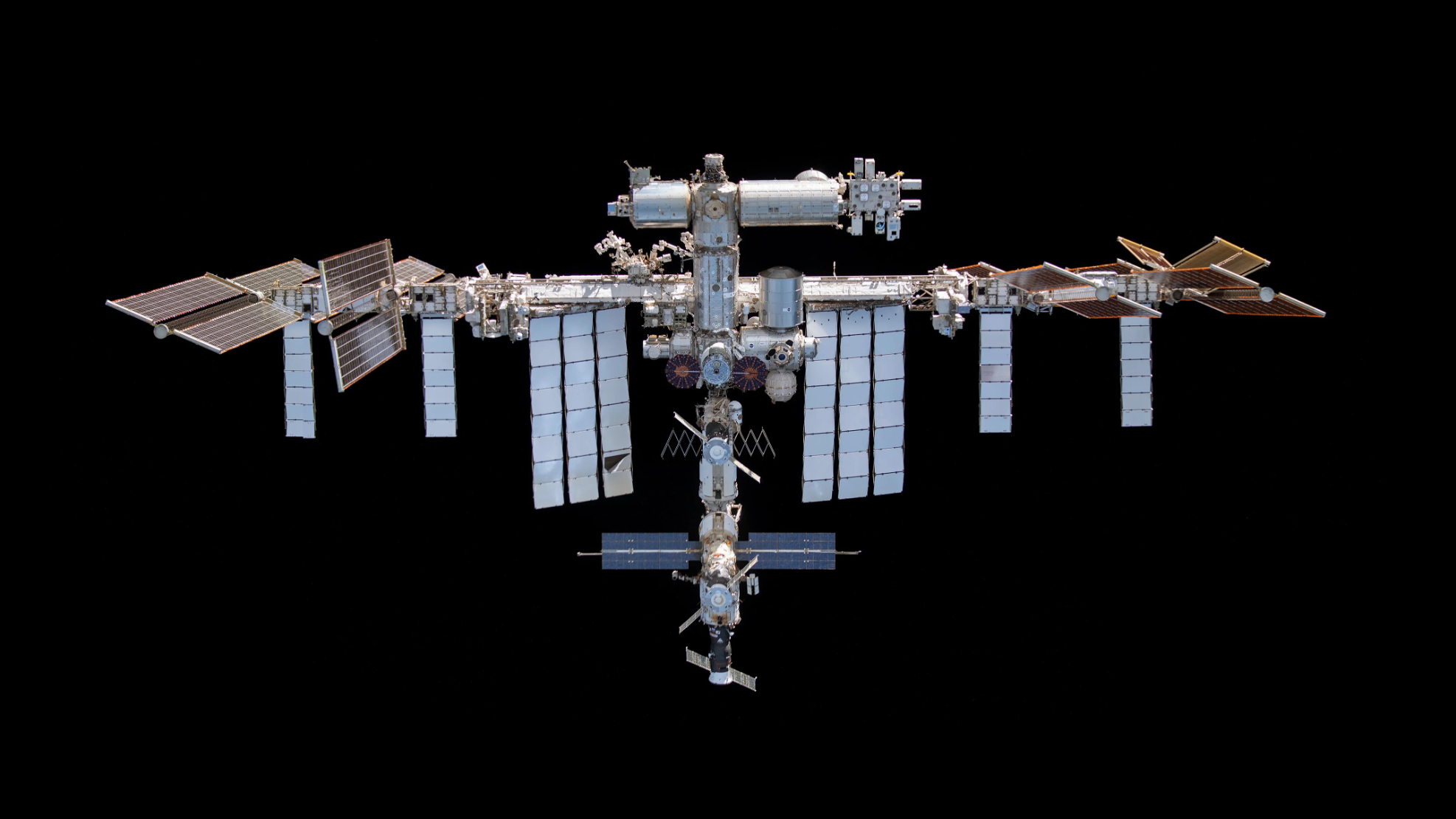
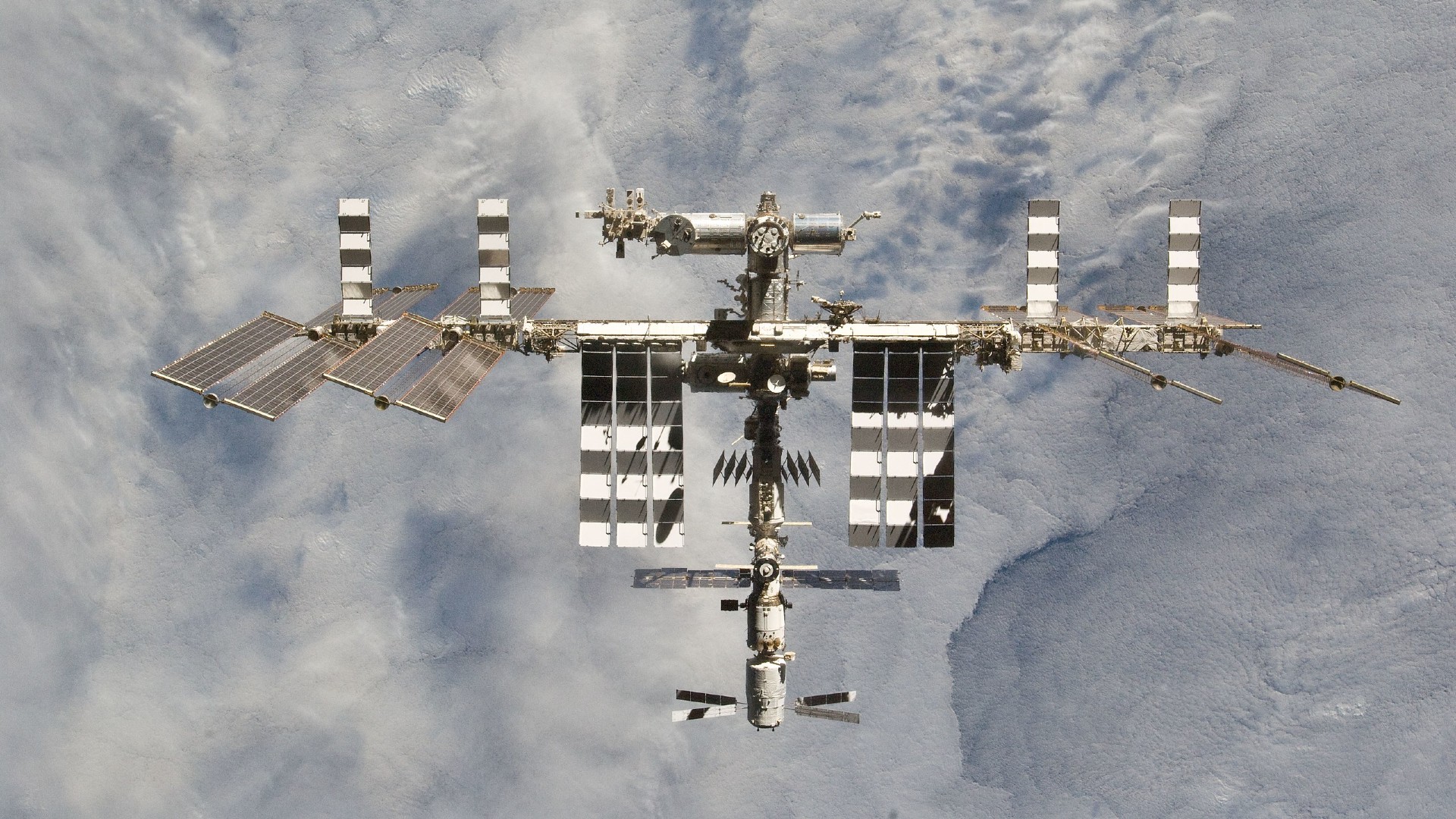
The International Space Station (ISS) was launched as a series of 42 individual assembly flights beginning in 1998 and spanning over a decade. Rather than a single launch, the station was constructed in low Earth orbit using a modular...
The International Space Station (ISS) was launched as a series of 42 individual assembly flights beginning in 1998 and spanning over a decade. Rather than a single launch, the station was constructed in low Earth orbit using a modular architecture, with components ferried into space by the Russian Proton and Soyuz rockets and the American Space Shuttle fleet.
Contents
The Conceptual Foundation and Modular Strategy
The International Space Station represents a pinnacle of international cooperation, requiring a unique approach to assembly. Because the scale of the ISS far exceeded the payload capacity of any single launch vehicle of the 1990s and early 2000s, space agencies—primarily NASA (USA), Roscosmos (Russia), JAXA (Japan), ESA (Europe), and CSA (Canada)—opted for an incremental assembly process.
This modular strategy allowed for the station to become functional in phases. By launching the core components first, crews could inhabit the station and assist with subsequent expansions. This was a departure from previous station designs like Skylab, which were launched as single, integrated units. The complexity of the ISS required each module to be designed for autonomous launch, orbital docking, and structural integration with existing hardware already present in space.
The Role of Major Launch Vehicles
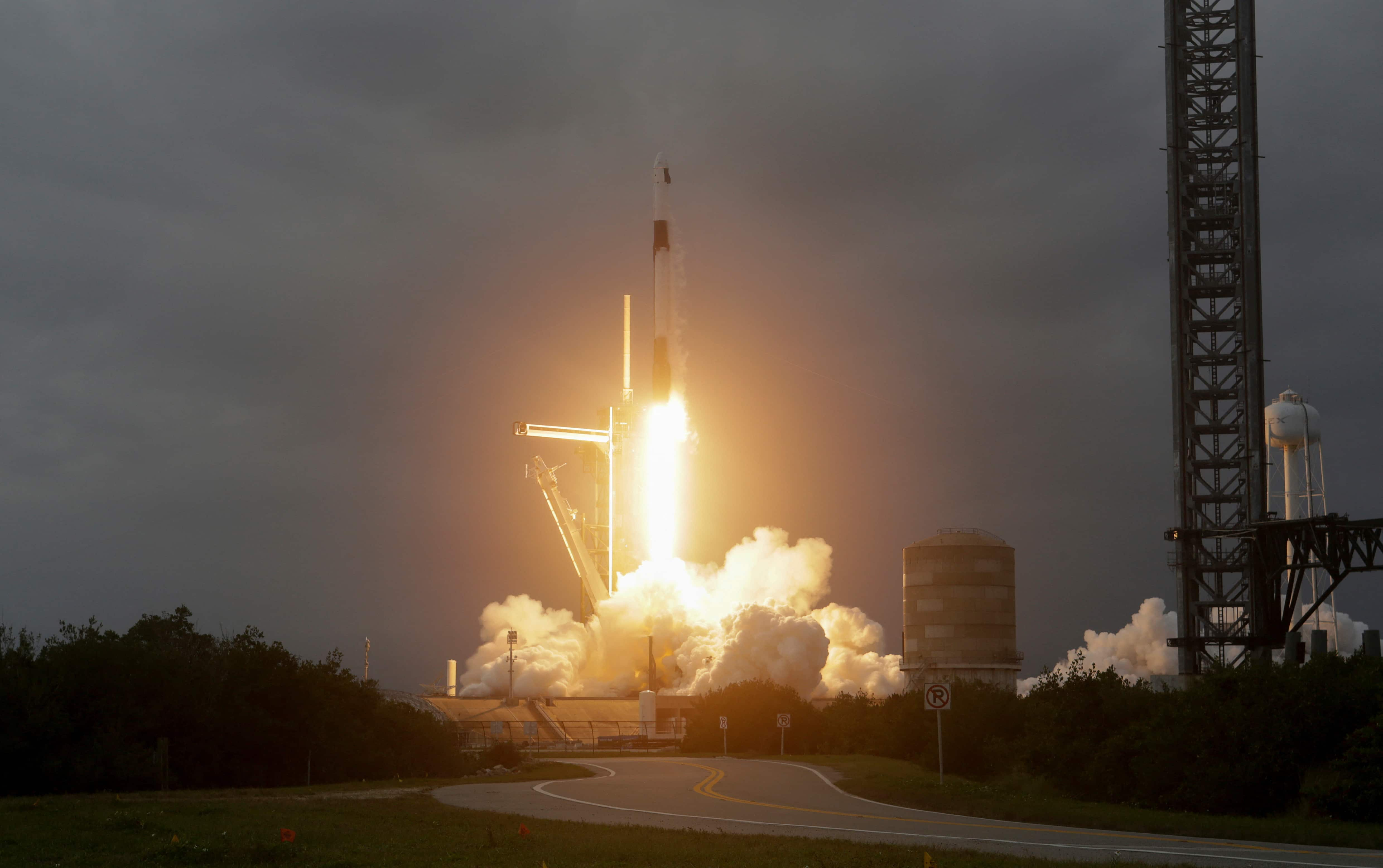
The assembly of the ISS relied on a combination of heavy-lift and crewed launch vehicles. The primary workhorses were:
- The Russian Proton-K and Proton-M: These heavy-lift rockets were instrumental in launching the heavy, self-contained modules of the Russian Orbital Segment, including the Zarya and Zvezda modules. Their ability to launch large payloads into orbit was essential for the station's foundation.
- The Space Shuttle Fleet (NASA): The Space Shuttle provided the unique capability to ferry large, pressurized modules (like Destiny or Unity) in its massive cargo bay. Furthermore, the Shuttle’s robotic arm, the Canadarm, and the expertise of its crews were vital for performing the complex spacewalks required to bolt, connect, and activate station components.
- The Russian Soyuz: Primarily used for crew transport, the Soyuz also functioned as a platform for launching essential supplies and smaller, automated modules, ensuring the station remained operational throughout the long construction phase.
Chronology of Assembly: Key Milestones
The assembly process began with the launch of the Zarya Control Module on November 20, 1998. Launched by a Russian Proton rocket from the Baikonur Cosmodrome, Zarya provided the initial power, storage, and propulsion capabilities for the nascent station.
Following Zarya, the Unity node was launched on Space Shuttle Endeavour (STS-88) in December 1998. This mission was the first time the American and Russian segments were physically connected in orbit. The subsequent years saw a rapid sequence of expansions, including the addition of the Zvezda service module in 2000, which provided the life support and living quarters necessary to host a permanent crew.
From 2001 to 2011, the station grew significantly. The installation of the Canadian-built Mobile Servicing System (Canadarm2) transformed the station's capability to move hardware and support spacewalks. Later missions added laboratory modules like Destiny (US), Columbus (Europe), and Kibo (Japan), turning the ISS into a fully equipped, world-class research laboratory.
Technical Challenges of Orbital Integration
Integrating hardware in the vacuum of space presents challenges distinct from terrestrial construction. Every module had to undergo rigorous ground testing to ensure that docking mechanisms, electrical interfaces, and environmental control systems would function upon arrival.
- Thermal Management: Components had to be designed to handle the extreme temperature fluctuations of low Earth orbit, which range from hundreds of degrees in direct sunlight to extreme cold in the shade.
- Structural Integrity: Docking modules at high orbital speeds required precision. Mechanisms like the Common Berthing Mechanism (CBM) were developed to ensure airtight, rigid connections between modules that were manufactured in different countries.
- Communication and Power: The station required a unified electrical grid and data handling system, allowing a module launched from Japan to communicate seamlessly with a server node launched from the United States or a power source from Russia.
Comparison of Primary Launch Assets
| Launch Vehicle | Primary Origin | Role in ISS Construction |
|---|---|---|
| Proton-K/M | Russia | Heavy-lift delivery of core modules (Zarya, Zvezda). |
| Space Shuttle | USA | Transport of lab modules, trusses, and solar arrays. |
| Soyuz | Russia | Crew rotation and logistics support. |
| H-II Transfer Vehicle | Japan | Logistics and resupply of specialized payloads. |
| Progress | Russia | Automated cargo resupply and orbital maneuvering. |
Operational Logistics and Requirements
Launching the ISS was not merely a matter of rocketry; it required a global logistics network. Each launch date was dictated by orbital mechanics—specifically the station's altitude and inclination, which remains at roughly 51.6 degrees. This inclination was a compromise between Russian launch sites, which favor higher latitudes, and American launch sites, which favor lower latitudes.
Prerequisites for each assembly mission included precise navigation data and the availability of ground tracking stations. Because the ISS travels at approximately 17,500 miles per hour, timing the launch of a supply vessel or a new module requires a "launch window" that lasts only a few minutes. Missing this window would result in the vehicle failing to reach the station's orbital plane, necessitating a delay.
Frequently Asked Questions
Why was the ISS launched in pieces instead of all at once? No rocket in existence at the time (or even today) possessed the payload capacity to lift the entire ISS into orbit in one piece. The station weighs nearly 500 tons; therefore, it had to be constructed modularly in orbit.
How did the modules connect in space? Modules were connected using specialized docking adapters and the Common Berthing Mechanism. These interfaces include electrical, data, and fluid lines that are connected by astronauts during spacewalks or through automated docking sequences.
What was the longest gap between assembly flights? The assembly timeline experienced various pauses due to historical events, most notably the Columbia disaster in 2003, which grounded the Space Shuttle fleet for over two years, temporarily halting the delivery of major American components.
How is the station kept in orbit? The ISS experiences atmospheric drag, which causes it to lose altitude over time. The Zvezda module and visiting cargo vehicles (like the Progress) perform periodic re-boost maneuvers to push the station back to its intended altitude.
Can modules be added today? Yes, the station remains modular. Newer components, such as the Bishop Airlock or modern solar array upgrades, have been added in recent years to support ongoing research and commercial space activities.
Next Actions for Further Research
To gain a deeper understanding of the specific engineering behind the station, readers are encouraged to review the NASA technical documentation regarding the Common Berthing Mechanism (CBM) specifications. Additionally, the archives of the ESA (European Space Agency) provide detailed mission reports on the launch and integration of the Columbus laboratory. For those interested in the logistics of assembly, the flight logs of the Space Shuttle missions (STS-88 through STS-135) serve as the most comprehensive primary record of the mechanical assembly process.
Image Gallery