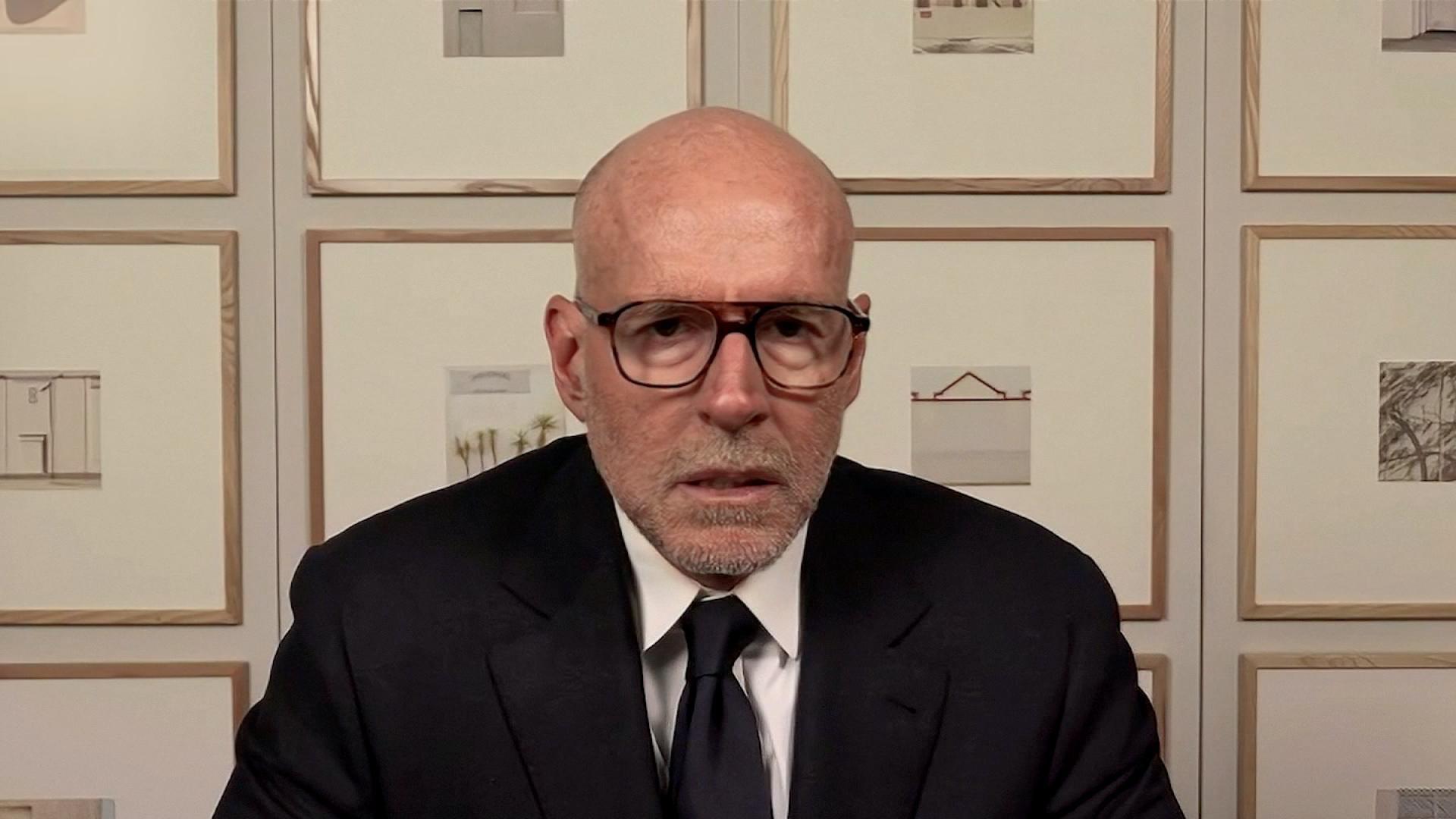
Is Scott Galloway Married? Relationship Status, Family Life, and Views on Partnership
Scott Galloway is currently married to his second wife, Beata Galloway. The couple has been married for over fifteen years and shares two sons. Galloway was previously married in his late twenties, a relationship that ended in divorce—...
Scott Galloway is currently married to his second wife, Beata Galloway. The couple has been married for over fifteen years and shares two sons. Galloway was previously married in his late twenties, a relationship that ended in divorce—an experience he frequently references when discussing personal finance, emotional resilience, and life strategy.
Contents
As a professor of marketing at New York University’s Stern School of Business, serial entrepreneur, host of The Prof G Pod, co-host of the Pivot podcast, and bestselling author, Galloway’s public persona is built on raw candor. Unlike many corporate commentators who separate their private lives from their professional output, Galloway frequently weaves his personal history—including his first divorce, his current marriage, and his experience as a father—into his lectures, books, and essays.
Understanding Galloway’s relationship status provides broader context for his popular frameworks on wealth, happiness, and career trajectory, as he frequently describes choosing a life partner as the single most consequential financial and personal decision an individual will ever make.
Scott Galloway’s Marital Status: Present and Past
Scott Galloway is married to Beata Galloway (née Robertson). The couple met in the mid-2000s and married after Galloway had established himself in academia and business following the dot-com era. Together, they have two sons and have maintained homes in New York, Florida, and the United Kingdom.
However, Galloway’s path to a stable family life was not linear. He speaks openly about his first marriage, which took place when he was in his late twenties. That early marriage ended in divorce in his mid-thirties, leaving him financially strained and emotionally recalibrating during a pivotal period of his career.
The Impact of His Early Divorce
Galloway has described his mid-thirties as a period of significant personal and financial volatility. Following the dissolution of his first marriage and the collapse of the dot-com bubble—which wiped out much of his early paper wealth—he found himself single, living in a small apartment in New York City, and starting over both financially and emotionally.
In his book The Algebra of Happiness and various essays on his platform No Mercy / No Malice, Galloway outlines how that divorce shaped his worldview:
- Financial Disruption: Divorcement at a young age divided his assets, disrupted long-term investment strategies, and required a complete rebuild of his personal balance sheet.
- Emotional Calibration: The end of his first marriage forced him to confront personal flaws, including hyper-focus on professional validation at the expense of interpersonal relationships.
- Perspective on Risk: Experiencing a public and financial failure in marriage demystified life setbacks, giving him the emotional fortitude to take calculated risks later in his business career.
Rather than treating his early divorce as a taboo subject, Galloway uses it as an empirical baseline when advising young professionals on how to navigate early adulthood and romantic commitments.
Who Is Beata Galloway?
Beata Galloway (formerly Beata Robertson) maintains a private profile compared to her husband’s high-visibility media presence. Originally from Europe, she has largely stayed out of the public eye, rarely appearing on media platforms or public industry events.
Despite her preference for privacy, Galloway routinely attributes much of his modern stability, professional focus, and personal wealth accumulation to his partnership with Beata. In his writings, he describes her as a stabilizing presence who provides honest feedback, shared governance of their household, and a clear set of shared values.
| Attribute | Details |
|---|---|
| Current Spouse | Beata Galloway (m. late 2000s) |
| Marital History | Married twice; divorced once in his mid-30s |
| Children | Two sons |
| Key Residences | New York City, Miami (Florida), London (UK) |
| Primary Themes | Wealth preservation, joint decision-making, male role models |
During the early 2020s, the family made headlines in business circles when Galloway announced their decision to relocate temporarily to London. He cited educational opportunities for their two sons, exposure to European culture, and proximity to international business hubs as primary drivers for the move—a decision made jointly with Beata to optimize their family's long-term quality of life.
The Galloway Philosophy: Marriage as an Economic and Strategic Partnership
One of Scott Galloway’s most widely cited concepts is his view that marriage is not merely a romantic union, but the primary risk management and capital accumulation vehicle in a person's life. He frequently argues that modern culture overemphasizes romantic passion while underestimating the tactical alignment required to maintain a multi-decade household.
According to Galloway, selecting a life partner requires evaluation across three fundamental criteria:
1. Value Alignment on Money and Lifestyle
Galloway asserts that financial conflict is one of the leading causes of divorce. He advises couples to establish absolute transparency regarding spending habits, savings targets, investment risk tolerance, and career ambitions before committing to marriage. In his economic framework, operating from two different financial playbooks guarantees long-term friction.
2. Agreement on Parenting and Domestic Division
For couples planning to have children, Galloway emphasizes the necessity of explicit alignment on child-rearing strategies, educational priorities, and household labor division. He notes that unexpressed expectations around domestic roles frequently manifest as resentment, eroding both the marriage and professional productivity.
3. Mutual Affection and Physical Chemistry
While placing heavy emphasis on practical alignment, Galloway maintains that genuine affection, humor, and attraction are essential requirements. He often notes that romantic attraction provides the necessary grace and patience required to navigate the inevitable challenges of joint asset management, health crises, and family stress.
Key Milestones in Scott Galloway’s Personal and Professional Timeline
The table below outlines how Galloway’s relationship milestones correlate with his major career developments and published philosophies.
| Era / Timeframe | Personal & Relationship Status | Major Business & Academic Milestones | Central Life & Relationship Philosophy |
|---|---|---|---|
| Late 1990s – Early 2000s | First marriage; lived in California and New York. | Founded Prophet Brand Strategy and Red Envelope; launched early e-commerce ventures. | Focus on high-growth career building; over-indexing on professional identity over personal balance. |
| Mid-2000s | Divorced; single in New York City; reset personal finances. | Joined NYU Stern School of Business as Clinical Professor of Marketing. | Realization of personal vulnerabilities; rebuilding financial base; rethinking partner selection criteria. |
| Late 2000s – 2010s | Married Beata Galloway; welcomed two sons. | Founded L2 Inc. (acquired by Gartner in 2017); published The Four (2017). | Establishing family roots; leveraging household alignment to scale business ventures and wealth. |
| 2020s – Present | Stable long-term marriage; relocated family periodically (Miami, London). | Launched Pivot podcast, The Prof G Pod, published The Algebra of Happiness and The Algebra of Wealth. | Advocating for economic pair-bonding, addressing male loneliness, framing marriage as a core financial decision. |
How Personal Experience Shapes Galloway's Views on Modern Dating and Loneliness
Galloway’s personal history significantly informs his public advocacy regarding societal trends, particularly male behavioral patterns, mating dynamics, and economic inequality. Through his essays on No Mercy / No Malice, Galloway frequently highlights demographic and economic shifts that impact how young adults form relationships.
The Economic Realities of Mating
Galloway often cites sociological data indicating that women historically and modernly demonstrate hypergamy—preferring partners with equal or higher socio-economic standing. He argues that as young men lag behind in higher education enrollment, labor force participation, and wage growth, the pool of economically viable partners shrinks, leading to lower marriage rates and higher rates of social isolation.
The "Loneliness Epidemic"
Drawing from his own experience of social isolation following his divorce in his thirties, Galloway speaks extensively about the health and economic consequences of loneliness. He argues that stable long-term partnerships act as a protective buffer against mental health challenges, physical decline, and financial instability.
- Galloway's Triad of Partner Selection:
- Financial & Value Alignment: Spending, investing, and lifestyle goals
- Domestic & Parenting Goals: Child raising, labor division, geography
- Mutual Attraction & Respect: Chemistry, friendship, and shared humor
Addressing Modern Dating Mechanics
Galloway is a vocal critic of modern dating applications, asserting that swipe-based algorithms create winner-take-all dynamics where a small percentage of men receive the vast majority of engagement, while the majority of users experience rejection and burnout. He advocates for a return to third-place socializing—sports leagues, professional associations, and community groups—to foster organic relationship building.
Common Misconceptions About Scott Galloway’s Personal Life
Because of Galloway’s unfiltered commentary on corporate culture, wealth, and dating trends, several public misconceptions occasionally arise regarding his personal circumstances:
- Misconception: Scott Galloway is a lifelong bachelor.
- Fact: Galloway has been married to his wife, Beata, for over fifteen years. While he often tells stories about his period of bachelorhood in his mid-thirties, those stories serve as historical context for his current stage of life.
- Misconception: He views marriage purely as a financial transaction.
- Fact: Although Galloway uses economic language—such as "capital allocation," "risk mitigation," and "joint ventures"—to describe marriage, he explicitly states in The Algebra of Happiness that deep emotional connection, mutual respect, and unconditional love are indispensable for a lasting partnership.
- Misconception: He keeps his family entirely public.
- Fact: Galloway shares anecdotes about fatherhood and general marriage insights, but he guards the specific privacy of his wife and sons. Beata Galloway rarely appears in public media, and their children are kept away from publicity.
Practical Takeaways from Galloway's Framework on Relationships
For readers evaluating their own relationship and financial decisions, Galloway’s work offers several actionable principles:
- Treat Partner Selection as an Investment: Evaluate potential life partners with the same rigor used for major business commitments. Assess long-term character, financial discipline, and resilience under stress.
- Normalize Direct Financial Conversations: Discuss debt, earning expectations, inheritance, and spending habits before marriage. Misaligned money habits compound negatively over decades.
- Recognize the Power of Shared Goals: A successful partnership requires a shared vision for geography, career priorities, and family structures. Divergent visions create friction regardless of emotional attachment.
- Invest in Emotional Maturity: Acknowledge personal shortcomings and seek growth. Galloway frequently notes that his second marriage succeeded because he took accountability for the mistakes made during his first.
Frequently Asked Questions
Who is Scott Galloway’s wife?
Scott Galloway is married to Beata Galloway (née Robertson). She is originally from Europe and maintains a private life, keeping out of the public spotlight while managing their family life and joint endeavors with Scott.
Has Scott Galloway been divorced?
Yes, Scott Galloway was married in his late twenties and divorced in his mid-thirties. He frequently discusses the emotional and financial lessons learned from his divorce in his writings and public speeches.
How many children does Scott Galloway have?
Scott Galloway and his wife, Beata, have two sons. Galloway frequently writes about fatherhood, emphasizing the importance of active male mentorship and involvement in raising children.
What does Scott Galloway say is the most important decision in life?
Galloway consistently states that choosing a life partner is the single most important decision an individual will ever make, both personally and financially. He notes that a supportive spouse accelerates success and stability, while an incompatible partner can destroy emotional and financial progress.
Where does Scott Galloway live with his family?
Galloway and his family have historically split their time between New York City and Florida, and they spent considerable time living in London, UK, to provide their sons with international educational and cultural experiences.
Recommended Next Actions
To gain deeper insights into Scott Galloway's perspectives on relationship mechanics, wealth building, and personal development, consider reviewing the following resources:
- Read The Algebra of Happiness (2019): Galloway's core book detailing his reflections on love, relationships, career success, and dealing with failure.
- Read The Algebra of Wealth (2024): Examines financial security, where Galloway outlines the structural economic benefits of stable household partnerships.
- Subscribe to No Mercy / No Malice: Galloway's weekly digital essay platform, which regularly covers societal trends, male loneliness, mating dynamics, and economic mobility.
Image Gallery