Honor and Remembrance: The 11 Lives Lost in the Deepwater Horizon Explosion
On April 20, 2010, eleven crew members lost their lives when the Deepwater Horizon mobile offshore drilling unit exploded in the Gulf of Mexico. These men—Jason Anderson, Aaron Dale Burkeen, Donald Clark, Stephen Ray Curtis, Gordon Jon...
On April 20, 2010, eleven crew members lost their lives when the Deepwater Horizon mobile offshore drilling unit exploded in the Gulf of Mexico. These men—Jason Anderson, Aaron Dale Burkeen, Donald Clark, Stephen Ray Curtis, Gordon Jones, Wyatt Kemp, Karl Kleppinger Jr., Keith Blair Manuel, Dewey A. Revette, Shane M. Roshto, and Adam Weise—were killed instantly or during the initial fire following a massive methane blowout.
Contents
The Deepwater Horizon disaster remains the worst offshore oil spill in United States history, but for the families of the deceased, the environmental catastrophe was secondary to the profound human loss. As of 2026, sixteen years after the tragedy, the names of these eleven individuals serve as a permanent reminder of the inherent risks of offshore energy extraction and the critical importance of rigorous industrial safety standards.
The Final Hours on the Macondo Prospect
In April 2010, the Deepwater Horizon, a semi-submersible drilling rig owned by Transocean and leased by BP, was finishing work on the Macondo Prospect, located about 41 miles off the coast of Louisiana. The crew was in the process of "temporarily abandoning" the well, a standard procedure intended to seal it with cement so a different rig could return later for production.
Tensions were high on the rig due to significant scheduling delays and cost overruns. Technical indicators suggested that the cement job meant to stabilize the well was failing. Despite several "negative pressure tests" showing that the well was not properly sealed, the decision was made to proceed with displacing heavy drilling mud with lighter seawater. This reduction in hydrostatic pressure allowed a massive bubble of methane gas to surge up the drill pipe.
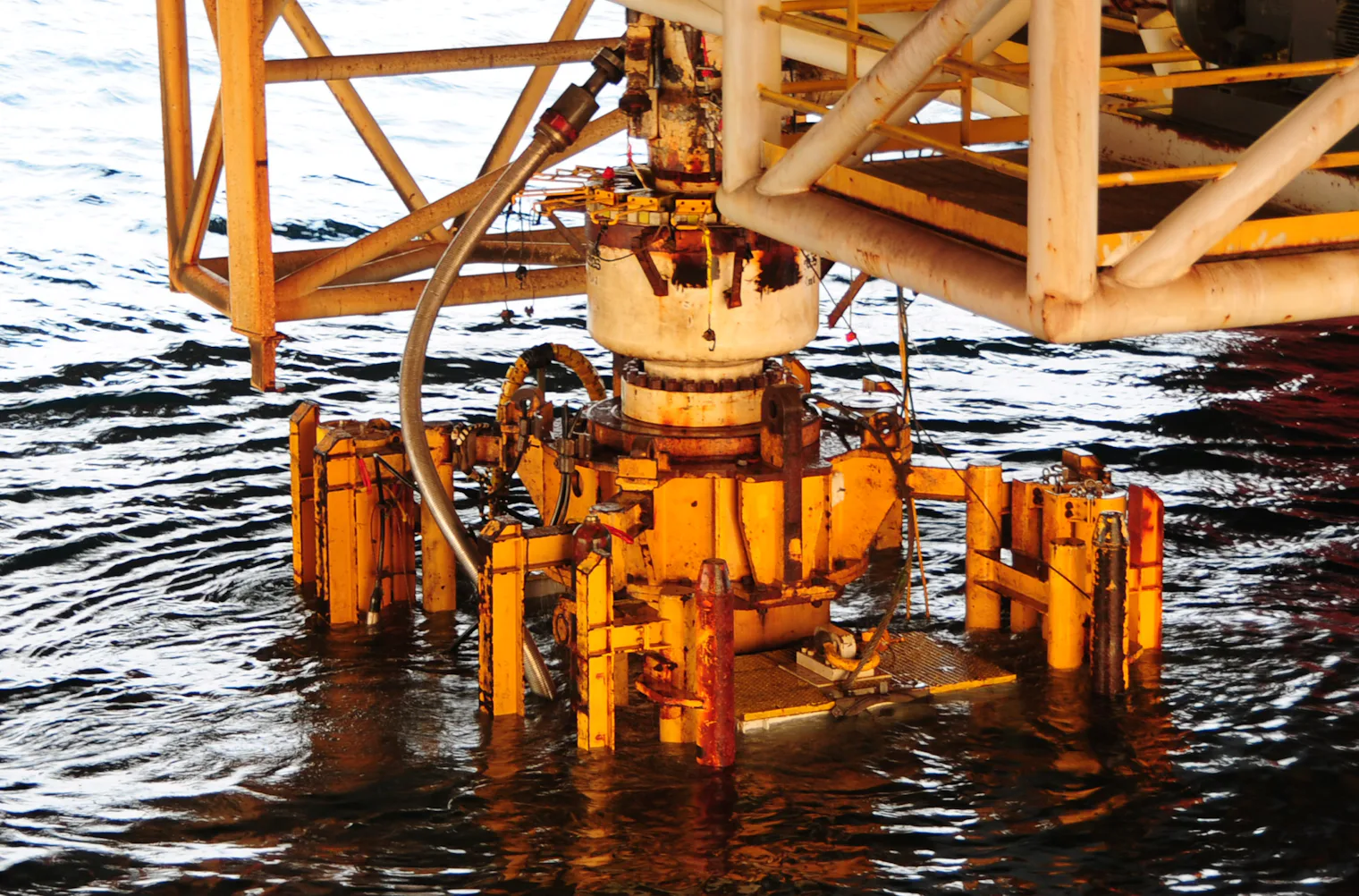
The gas bypassed the Blowout Preventer (BOP) at the seafloor and ignited upon reaching the rig's engine room. Two distinct explosions rocked the vessel, cutting off power and communications instantly. While 115 crew members managed to evacuate via lifeboats or by jumping into the burning water, eleven men were never seen again.
Profiles of the Fallen: The Human Cost of Macondo
To understand the magnitude of the loss, one must look at the specific individuals who comprised the "Deepwater 11." They were fathers, sons, husbands, and experienced oilfield veterans.
Jason Anderson (35)
A toolpusher from Midfield, Texas, Jason Anderson was a senior leader on the rig. Known for his commitment to safety, Anderson had expressed concerns about the well's stability shortly before the explosion. He left behind a wife and two children. His role involved overseeing the drilling operations, making him one of the most vital technical links between the engineering teams and the floor crew.
Aaron Dale Burkeen (37)
A crane operator from Philadelphia, Mississippi, Burkeen died on his wedding anniversary. Witnesses reported that he was at his post during the explosion, potentially helping others reach safety. As a crane operator, he was responsible for moving heavy equipment across the deck, a role that required immense precision and spatial awareness.
Donald "Don" Clark (49)
An assistant driller from Newellton, Louisiana, Clark was a veteran of the offshore industry. He was known for his calm demeanor and technical expertise. On the night of the explosion, he was working on the rig floor, the area most directly impacted by the initial surge of high-pressure gas.
Stephen Ray Curtis (40)
An assistant driller from Georgetown, Mississippi, Curtis worked closely with Donald Clark. The two were part of the core team responsible for managing the drill pipe and monitoring well pressures. His death highlighted the extreme danger faced by those working in the "moon pool" and rig floor areas during a blowout.
Gordon Jones (28)
A mud engineer from Baton Rouge, Louisiana, Jones had only been on the rig for a short time before the blast. He worked for M-I SWACO, a subsidiary of Schlumberger. His job was to monitor the "drilling mud," the fluid used to maintain pressure and cool the drill bit. Jones had recently become a father for the second time just before the accident.
Wyatt Kemp (27)
A derrickhand from Jonesville, Louisiana, Kemp worked high above the rig floor on the derrick. This position is one of the most physically demanding and dangerous on any drilling rig. Kemp was a young father who had followed in the footsteps of many in his community by seeking a career in the Gulf’s energy sector.
Karl Kleppinger Jr. (38)
A derrickhand from Natchez, Mississippi, Kleppinger was a veteran of the First Gulf War. He was known for his dedication to his family and his hard-working nature. Like Wyatt Kemp, his position on the derrick left him highly exposed during the initial fire and structural collapse of the rig’s upper sections.
Keith Blair Manuel (52)
A mud pumper from Gonzales, Louisiana, Manuel worked for M-I SWACO. He was a devoted fan of LSU sports and was well-liked by the crew for his upbeat personality. His role involved the mechanical operation of the pumps that circulated the drilling fluids, a critical component of well-control efforts that ultimately failed.
Dewey A. Revette (48)
A driller from State Line, Mississippi, Revette had over 29 years of experience in the industry. As the driller, he was the person physically operating the machinery that moved the drill string. His experience made him one of the most respected figures on the rig, yet even his expertise could not overcome the catastrophic failure of the well's cement and the BOP.
Shane M. Roshto (22)
A deckhand from Liberty, Mississippi, Roshto was the youngest victim of the disaster. His death sparked significant legal discussion regarding the "Death on the High Seas Act," as his family sought to hold the responsible parties accountable. His youth served as a poignant reminder of the generations of families that depend on the offshore industry.
Adam Weise (24)
A derrickhand from Yorktown, Texas, Weise was a former high school football star who spent his off-time hunting and fishing. He typically worked the night shift, which placed him on duty at the time of the 9:45 PM explosion.
Technical Summary of the Deceased and Their Roles
The following table summarizes the professional roles and origins of the eleven victims. Each role was essential to the operation of the Deepwater Horizon, illustrating how the disaster impacted every level of the rig’s hierarchy.
| Name | Age | Role | Employer | Hometown |
|---|---|---|---|---|
| Jason Anderson | 35 | Toolpusher | Transocean | Midfield, TX |
| Aaron Dale Burkeen | 37 | Crane Operator | Transocean | Philadelphia, MS |
| Donald Clark | 49 | Asst. Driller | Transocean | Newellton, LA |
| Stephen Ray Curtis | 40 | Asst. Driller | Transocean | Georgetown, MS |
| Gordon Jones | 28 | Mud Engineer | M-I SWACO | Baton Rouge, LA |
| Wyatt Kemp | 27 | Derrickhand | Transocean | Jonesville, LA |
| Karl Kleppinger Jr. | 38 | Derrickhand | Transocean | Natchez, MS |
| Keith Blair Manuel | 52 | Mud Pumper | M-I SWACO | Gonzales, LA |
| Dewey A. Revette | 48 | Driller | Transocean | State Line, MS |
| Shane M. Roshto | 22 | Deckhand | Transocean | Liberty, MS |
| Adam Weise | 24 | Derrickhand | Transocean | Yorktown, TX |
The Mechanics of the Tragedy
The deaths of the Deepwater 11 were the result of a "perfect storm" of mechanical failure and human error. In 2026, the technical community still studies the Macondo blowout as a primary case study in Process Safety Management (PSM).
- The Cement Failure: The primary barrier, a nitrogen-foamed cement slurry, failed to prevent hydrocarbons from entering the wellbore. Post-accident investigations by the Chemical Safety Board (CSB) and the Bureau of Ocean Energy Management, Regulation and Enforcement (BOEMRE) found that the cement was unstable.
- The Negative Pressure Test: The crew misinterpreted a pressure test. Despite seeing "bladder" effects and pressure readings that should have indicated a leak, the supervisors on duty—employed by both BP and Transocean—concluded the test was a success.
- The Blowout Preventer (BOP) Failure: When the gas reached the rig and the crew attempted to activate the BOP, the "blind shear rams" failed to completely cut the drill pipe and seal the well. This was partly due to the pipe being buckled by the extreme pressure of the rising gas, moving it out of the reach of the cutting blades.
- Ignition: The methane gas was drawn into the air intakes of the rig’s diesel generators. This caused the engines to overspeed and explode, providing the ignition source for the massive fire that eventually sank the rig on April 22, 2010.
Recovery Efforts and Legal Aftermath
Following the explosion, a massive search and rescue operation was launched by the U.S. Coast Guard. For three days, cutters and aircraft searched over 5,000 square miles of the Gulf. However, because the eleven men were likely at the "epicenter" of the blast on the rig floor or in the mud rooms, no remains were ever recovered. They were officially declared dead in absentia.
The legal battles that followed were among the most complex in maritime history. Families of the victims filed lawsuits against BP, Transocean, and Halliburton (the company responsible for the cement work). Most of these claims were settled out of court for undisclosed amounts. These settlements were intended to cover loss of income, emotional distress, and the "pre-death pain and suffering" of the victims.
A significant outcome was the scrutiny of the Death on the High Seas Act (DOHSA). Under the version of the law existing in 2010, families of those killed more than three nautical miles from shore could only recover economic damages (like lost wages), not "non-pecuniary" damages like loss of companionship. The Deepwater Horizon tragedy led to calls for legislative reform to allow families of offshore workers to receive fairer compensation.
The Safety Legacy: How Their Deaths Changed the Industry
The legacy of the people who died in the Deepwater Horizon is found in the overhauled safety regulations of the offshore industry. In the years following the disaster, the U.S. government restructured its oversight bodies, leading to the creation of the Bureau of Safety and Environmental Enforcement (BSEE).
Key changes included:
- Safety and Environmental Management Systems (SEMS): Operators are now required to implement comprehensive safety programs that are audited by third parties.
- The Well Control Rule: This mandate drastically increased the requirements for Blowout Preventer design, maintenance, and real-time monitoring from onshore centers.
- Containment Systems: Following the 87 days it took to cap the Macondo well, the industry created the Marine Well Containment Company (MWCC) to ensure that capping stacks are always available for immediate deployment.
Frequently Asked Questions
Were any of the bodies of the 11 victims ever found?
No. Despite extensive search and rescue efforts by the U.S. Coast Guard and private vessels, the remains of the eleven men were never recovered. The intensity of the initial explosion and the subsequent fire, followed by the sinking of the rig into 5,000 feet of water, made recovery impossible.
What caused the initial explosion on the Deepwater Horizon?
The explosion was caused by high-pressure methane gas that leaked from the well due to a failed cement seal. The gas traveled up the riser to the rig, where it ignited in the engine room. This is known in the industry as a "blowout."
Who was held legally responsible for the deaths?
BP, as the majority owner and operator of the well, pleaded guilty to 11 counts of felony manslaughter and paid billions in fines and settlements. Transocean (the rig owner) and Halliburton (the cementing contractor) also faced significant civil liabilities and reached various settlements with the Department of Justice and the victims' families.
Is there a memorial for the Deepwater 11?
Yes, several memorials exist. A prominent monument is located in Grand Isle, Louisiana, featuring the names of the eleven men. Additionally, many of the families have established scholarships or local foundations in their loved ones' names to support their home communities in Mississippi, Louisiana, and Texas.
How many people survived the Deepwater Horizon explosion?
There were 126 people on board the rig at the time of the explosion. 115 people survived, many of whom suffered significant physical injuries and post-traumatic stress disorder (PTSD) as a result of the event and the harrowing evacuation.
Moving Forward with Safety in Mind
For those working in the energy sector in 2026, the names of the Deepwater 11 are more than just a historical footnote. They represent the high stakes of "normalization of deviance"—the dangerous practice of ignoring small safety warnings until they culminate in a catastrophe.
To honor the memory of these eleven men, companies and regulators must prioritize a "safety first" culture that empowers any worker, regardless of rank, to stop a job if they perceive a risk. For the families, the loss remains a permanent part of their lives, and the best way to honor their sacrifice is through the continued, rigorous application of the safety reforms born from this tragedy.
Image Gallery