Vichyssoise Hot or Cold: The Definitive Guide to Serving Temperature and Tradition
Vichyssoise is traditionally served cold. Created as a refined, chilled version of the classic French leek and potato soup, it is prized for its silky texture and refreshing quality. While the same ingredients can be served hot—at whic...
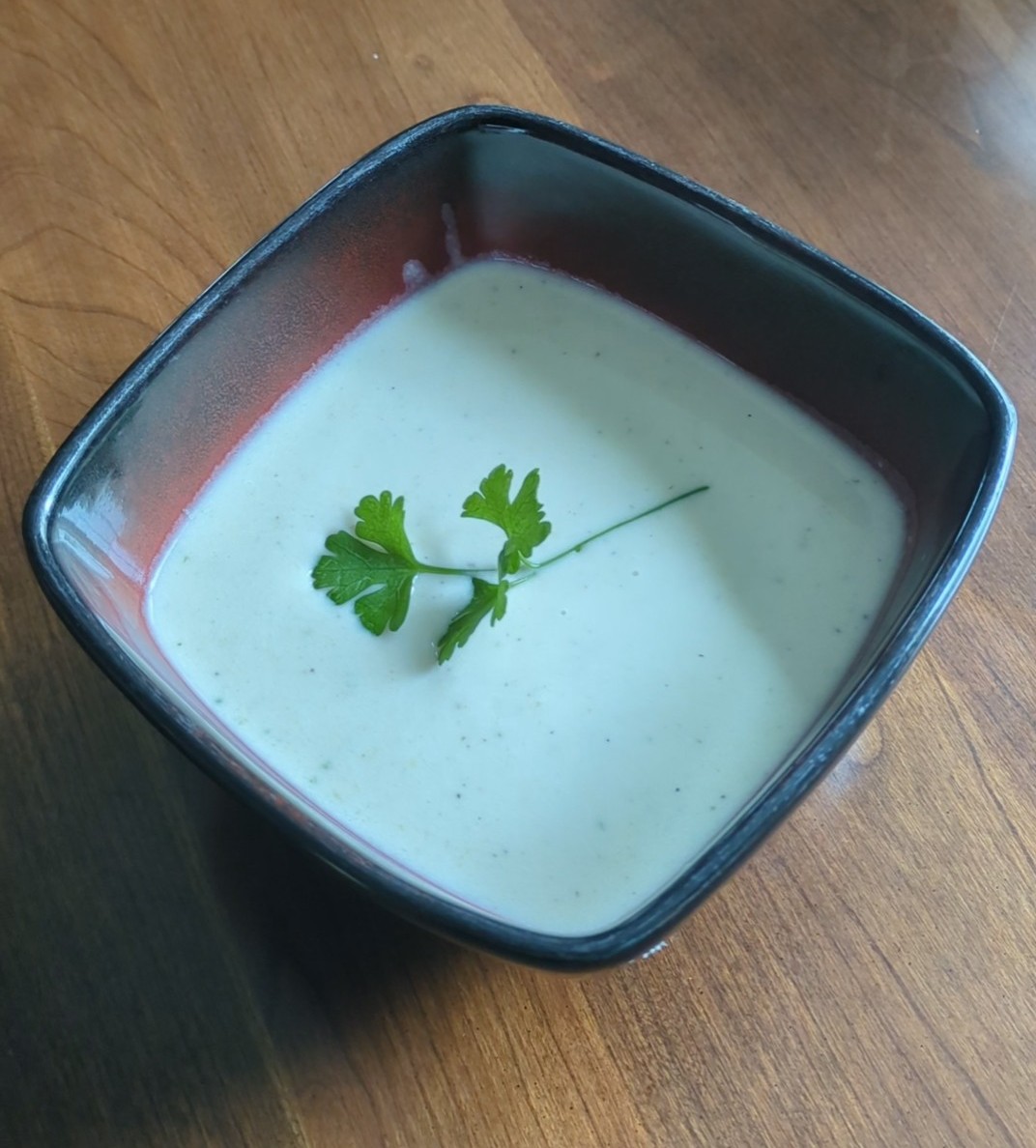
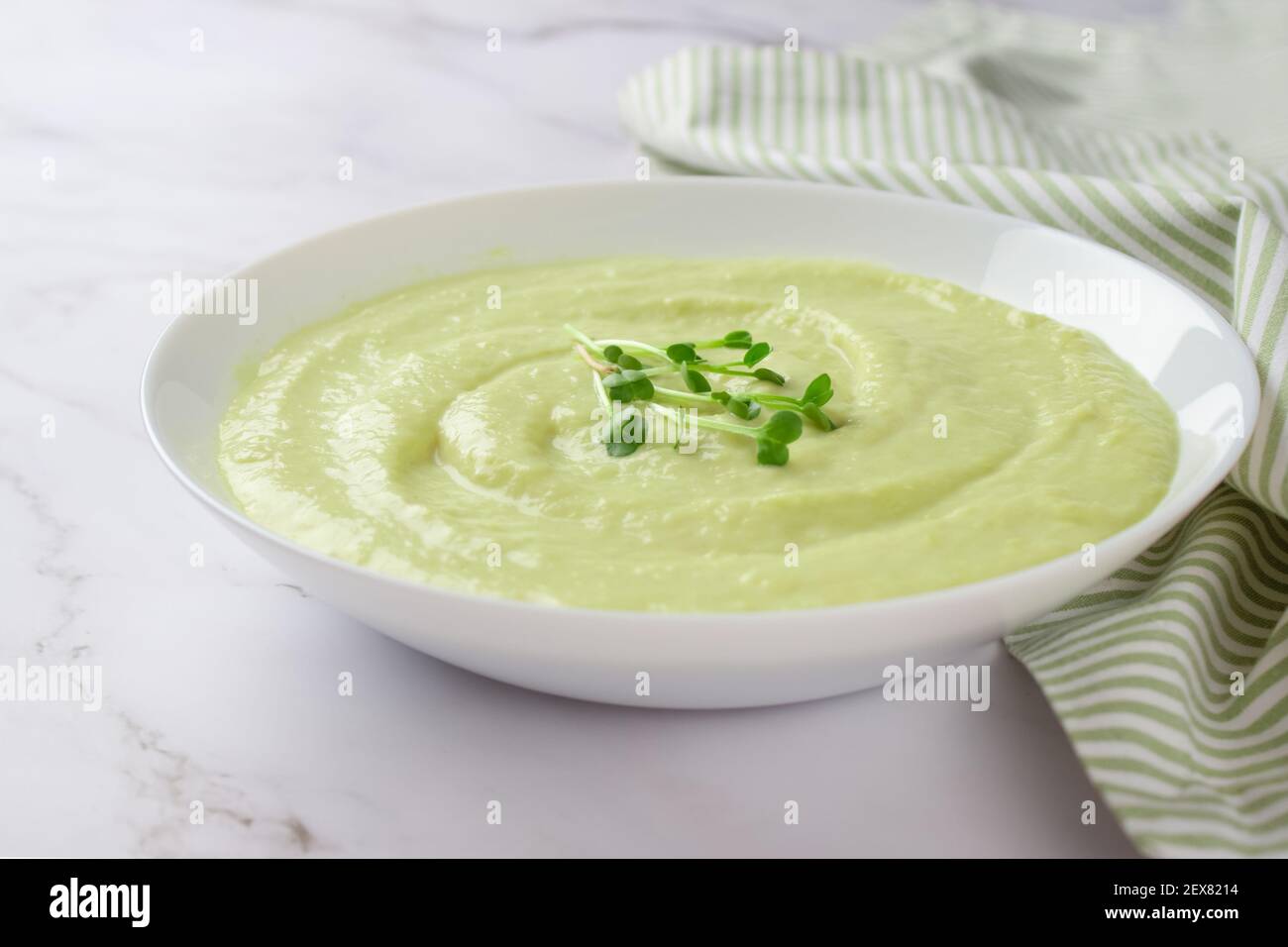
Vichyssoise is traditionally served cold. Created as a refined, chilled version of the classic French leek and potato soup, it is prized for its silky texture and refreshing quality. While the same ingredients can be served hot—at which point the dish is called Potage Parmentier—a true Vichyssoise is defined by its refrigeration.
Contents
The Historical Origin: Why Vichyssoise is Chilled
To understand why Vichyssoise is served cold, one must look to the summer of 1917 at the Ritz-Carlton in New York City. The dish is widely credited to Louis Diat, a French chef who sought to provide his guests with a cooling alternative to the heavy, steaming soups typical of the era. Diat recalled the leek and potato soup his mother made during his childhood in Montmarault, France. During the warm summer months, he and his brother would cool the soup by adding cold milk, finding it incredibly refreshing.
Diat recreated this childhood memory for the Ritz-Carlton’s rooftop garden restaurant, naming it Crème Vichyssoise Illustrée after the famous spa town of Vichy, located near his home. The "Illustrée" was later dropped, and the soup became a staple of high-end American and French-American gastronomy. By 2026, the dish remains a hallmark of culinary technique, representing the transition from rustic French home cooking to sophisticated metropolitan dining.
The decision to serve it cold was not merely a whim but a strategic culinary innovation. Chilled soups were rare in the early 20th century, and the introduction of a velvety, cream-based cold soup offered a novel sensory experience. It challenged the notion that soup must be a warming comfort food, positioning it instead as an elegant, refreshing appetizer for the warmer months.
The Science of Temperature and Flavor Perception
Serving a soup cold fundamentally changes how our taste buds perceive its ingredients. This is why a Vichyssoise served cold requires different preparation than its hot counterpart, Potage Parmentier.
Salt and Seasoning
Volatility of aromatic compounds decreases as temperature drops. When a liquid is cold, the molecules move more slowly, releasing fewer aromas to the olfactory receptors in the nose. Consequently, cold soups often taste blander than hot ones if seasoned identically. To compensate, a Vichyssoise must be seasoned more aggressively with salt and white pepper. In professional kitchens, chefs often season the soup while it is warm and then "adjust" the seasoning once it has reached its final serving temperature (usually between 40°F and 45°F).
Fat and Mouthfeel
Vichyssoise relies heavily on heavy cream and butter. When hot, these fats are liquid and coat the tongue easily. When chilled, they thicken, providing a luxurious, "velvety" mouthfeel. However, if the fat content is too high or the soup is too cold, the fat can leave a waxy film on the palate. Achieving the perfect balance of creaminess without heaviness is the primary technical challenge of a cold Vichyssoise.
The Role of the Potato
The starch in potatoes acts as the primary thickening agent. In a hot leek and potato soup, the starch provides body. In a cold Vichyssoise, the starch can become "tight" or even gummy if over-processed. Modern techniques in 2026 often suggest using high-starch potatoes like Russets for their floury texture, which breaks down into a smoother puree than waxy varieties like Red Bliss or Yukon Gold.
Vichyssoise vs. Potage Parmentier: Key Differences
While the ingredient lists for these two soups are nearly identical, the temperature at which they are served changes their culinary classification.
| Feature | Vichyssoise | Potage Parmentier |
|---|---|---|
| Serving Temperature | Chilled (40°F – 45°F) | Hot (140°F – 160°F) |
| Primary Liquid | Chicken stock and heavy cream | Vegetable or chicken stock |
| Texture | Ultra-smooth, often strained through a chinois | Can be smooth or slightly rustic |
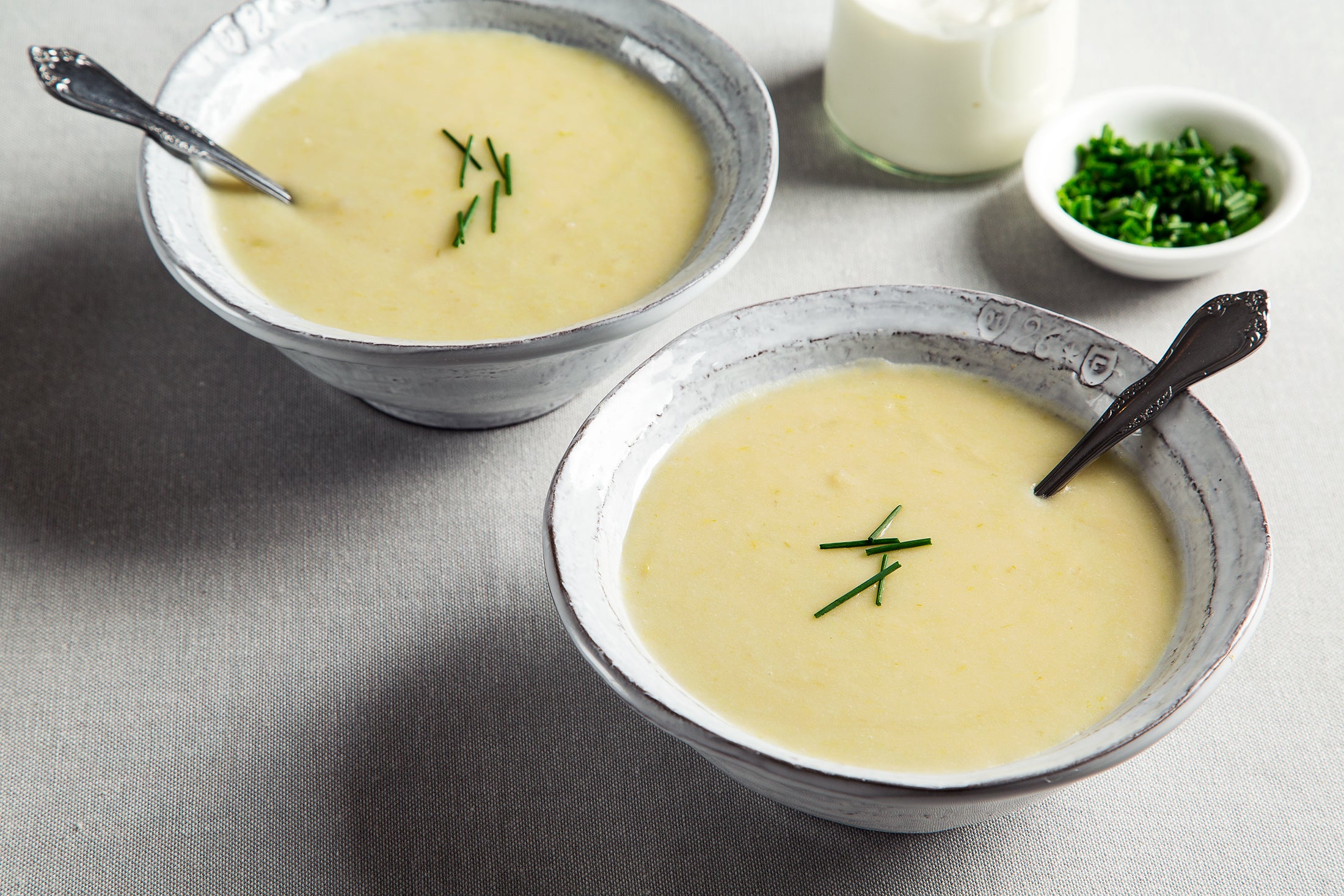
| Garnish | Freshly snipped chives (essential) | Parsley, croutons, or leek hay |
| Cream Content | High (for emulsification and mouthfeel) | Moderate to low |
| Flavor Profile | Delicate, sweet leek, cooling | Savory, earthy potato, warming |
Essential Technical Steps for the Perfect Chilled Soup
Creating a professional-grade Vichyssoise requires more than just boiling vegetables and throwing them in a blender. The technique determines whether the result is a sophisticated chilled cream or a grainy bowl of cold mashed potatoes.
1. Cleaning and Sweating the Leeks
Leeks are notorious for trapping sand and grit between their layers. To prepare them for Vichyssoise, use only the white and very light green parts. Slice them thinly and wash them thoroughly in a bowl of cold water, allowing the grit to sink to the bottom.
The next step is sweating. Unlike many savory dishes, Vichyssoise must remain pale. You must cook the leeks in butter over low heat without allowing them to take on any brown color. Browning the leeks creates a caramelized flavor that clashes with the delicate, "white" profile of the traditional soup.
2. The Choice of Stock
While vegetable stock can be used for a vegetarian version, classic Vichyssoise uses a light, clear chicken velouté or stock. The stock should be well-strained to ensure no solids remain. In 2026, many chefs prefer a pressure-cooked stock for maximum flavor extraction while maintaining a clear color.
3. Emulsification and Straining
To achieve the signature silkiness, the soup must be blended at high speed. A high-powered immersion blender or a Vitamix is preferred. After blending, the soup must be passed through a fine-mesh sieve or a chinois. This removes any fibrous leek bits or tiny potato lumps. This step is non-negotiable for an authentic Vichyssoise.
4. The Chilling Process and Food Safety
One of the most common mistakes is placing a hot pot of soup directly into the refrigerator. This can raise the internal temperature of the fridge, risking food safety issues, and causes the soup to cool unevenly.
Instead, use an ice bath. Place the container of hot soup into a larger bowl filled with ice and water. Stir the soup constantly to dissipate the heat rapidly. Once the soup reaches room temperature, cover it and move it to the refrigerator to chill for at least 4 hours, or preferably overnight. This resting period allows the flavors of the leek and cream to marry.
Common Variations and Modern Twists
By 2026, the culinary world has seen several variations of the classic recipe that respect the "cold" tradition while introducing new flavor profiles.
- The Vegan Vichyssoise: Utilizing cashew cream or full-fat coconut milk (though the latter adds a tropical note) to achieve the creaminess without dairy.
- Seafood Enhancements: A common high-end variation involves topping the chilled soup with a small dollop of caviar, a poached shrimp, or flakes of smoked trout. The saltiness of the seafood complements the sweetness of the leeks.
- The Truffle Infusion: A few drops of white truffle oil added just before serving can elevate the earthy notes of the potato.
- Watercress Vichyssoise: By blending fresh watercress into the soup at the very last second of the hot phase (before chilling), you create a vibrant green, peppery variation often called Potage Crème de Cresson.
Troubleshooting Your Vichyssoise
Even experienced cooks encounter issues with chilled soups. Here are the most frequent problems and how to resolve them:
The soup is too thick after chilling: Potatoes contain starch that continues to hydrate and thicken as the soup sits. If your Vichyssoise has turned into a semi-solid mass in the fridge, whisk in a small amount of cold milk or heavy cream until the desired consistency is reached. It should coat the back of a spoon but still be pourable.
The texture is "gritty": This is usually caused by using waxy potatoes or failing to strain the soup. If the soup is already cold, you can try re-blending it at high speed and passing it through a finer sieve.
The flavor is "flat": As discussed, cold temperatures dull flavor. If the soup tastes underwhelming, add a pinch more salt or a few drops of lemon juice. A tiny amount of acidity can "brighten" the soup without making it taste sour.
Frequently Asked Questions
Can you serve Vichyssoise hot if a guest requests it?
Yes, but technically you are serving them Potage Parmentier. If you choose to serve it hot, you may want to thin it slightly with more stock, as the creaminess intended for a cold soup can feel overly heavy when steaming.
Why is Vichyssoise always garnished with chives?
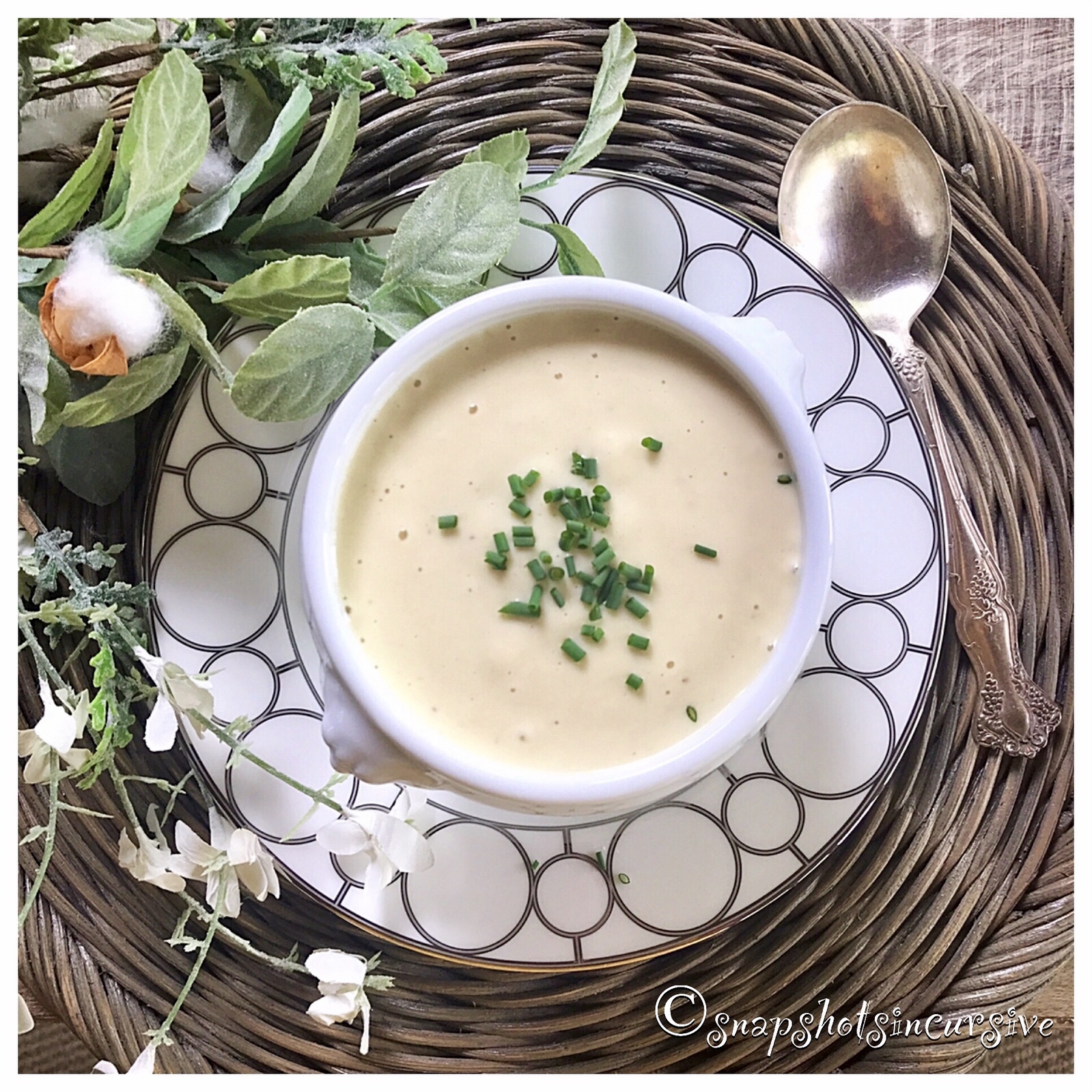
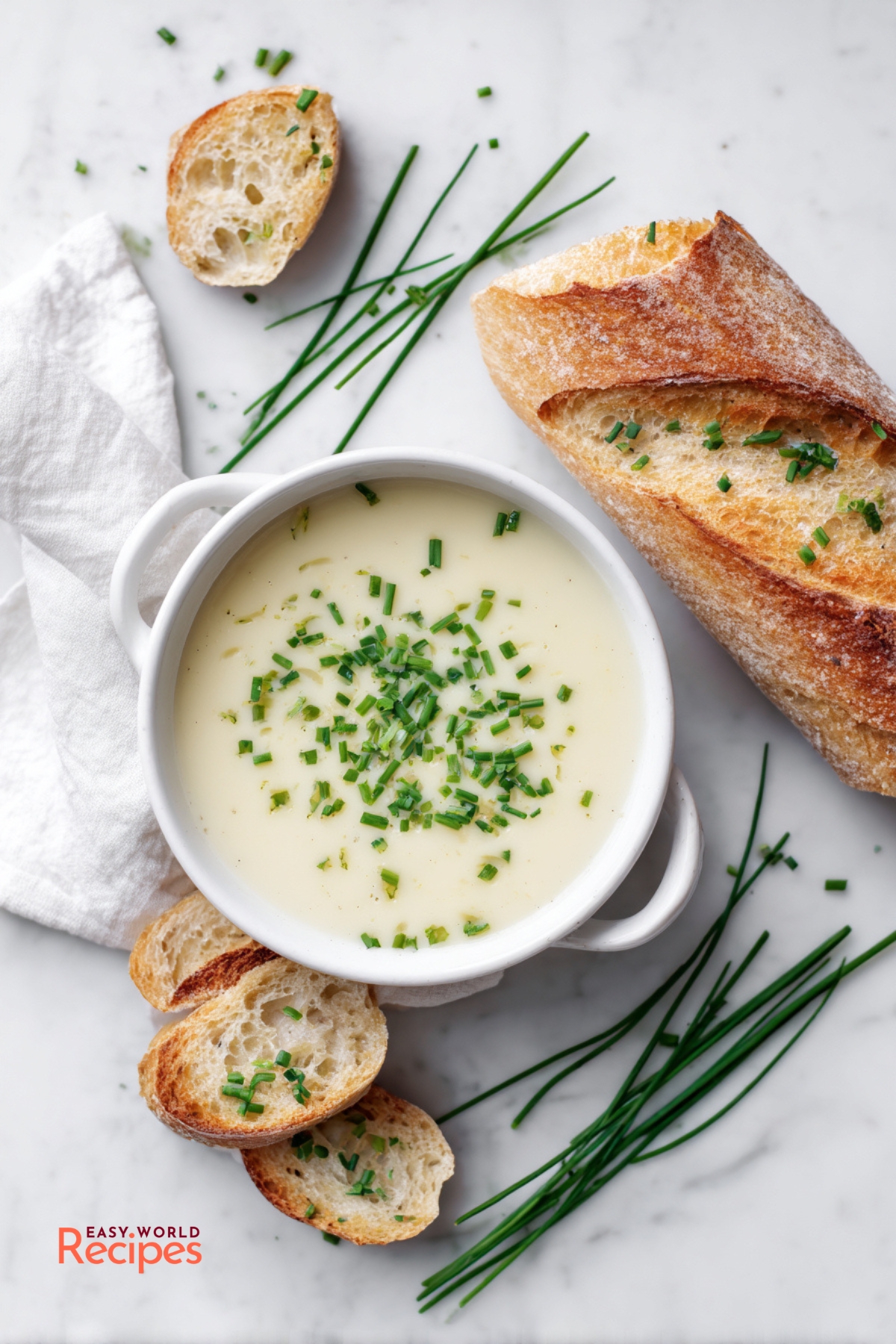
Chives provide a necessary visual contrast (bright green against off-white) and a sharp, onion-like bite that cuts through the richness of the heavy cream and butter. They are the traditional signature of the dish.
How long does Vichyssoise stay fresh?
Because it contains significant amounts of dairy and chicken stock, Vichyssoise should be consumed within 3 to 4 days when kept in an airtight container in the refrigerator. Do not leave it at room temperature for more than two hours.
Can you freeze Vichyssoise?
Freezing is generally not recommended. The emulsion of cream, stock, and potato starch often breaks upon thawing, resulting in a grainy, separated texture. If you must freeze it, do so before adding the heavy cream, then whisk the cream in after thawing and reheating/re-chilling.
Is Vichyssoise French or American?
It is a "French-American" hybrid. While its roots and ingredients are quintessentially French, the specific preparation of serving it chilled and the name itself originated in the United States at the Ritz-Carlton.
Summary Recommendation
For the most authentic and rewarding experience, always serve Vichyssoise cold. Prepare the soup at least 24 hours in advance to allow the flavors to develop and the texture to set. Ensure you use a high-quality heavy cream and perform the final seasoning adjustment only after the soup has been fully chilled. Serve in chilled bowls with a generous sprinkle of fresh chives to honor the 1917 tradition of Louis Diat.
Image Gallery