Why the Yacht Vendetta Stands Out: Design, Performance, and Engineering Excellence
The yacht Vendetta stands out in the luxury maritime market due to its unique combination of classic mid-century commuter styling, advanced lightweight composite engineering, and high-performance propulsion capabilities designed to del...
The yacht Vendetta stands out in the luxury maritime market due to its unique combination of classic mid-century commuter styling, advanced lightweight composite engineering, and high-performance propulsion capabilities designed to deliver exceptional speed and stability on the water.
Contents
In the world of custom superyachts and high-performance luxury vessels, few watercraft capture the imagination quite like the yacht Vendetta. Commissioned originally by music legend Billy Joel and built by New York-based Derecktor Shipyards to designs by Tripp Design Naval Architecture, this vessel represents a distinct departure from the ultra-voluminous, floating-hotel style of modern mega-yachts. Instead, Vendetta channels the sleek, understated elegance of 1920s and 1930s Long Island Sound commuter boats while packing a thoroughly modern, high-speed punch. Understanding why this yacht commands attention requires a closer look at its heritage, its structural engineering, its propulsion dynamics, and its enduring influence on luxury boatbuilding.
Design Philosophy and Aesthetic Heritage
The genesis of Vendetta lies in a specific nostalgic aesthetic. During the golden age of American industrial might, wealthy financiers and industrialists traveled from their Gold Coast estates on Long Island to Manhattan offices aboard fast, mahogany-hulled commuter yachts. These vessels prioritized speed, line, and gentlemanly comfort over multi-deck staterooms.
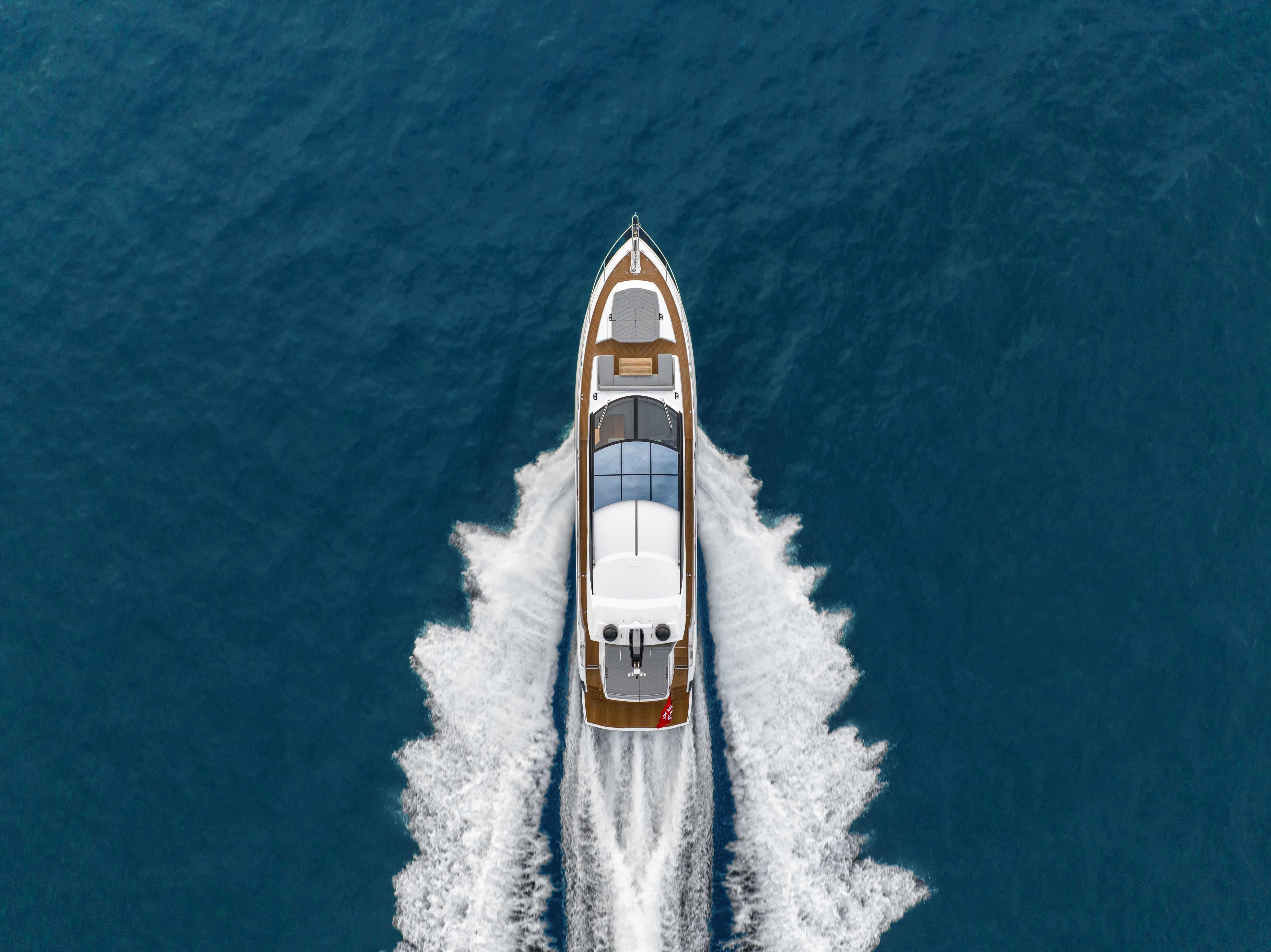
Billy Joel envisioned a modern interpretation of this classic archetype. Rather than replicating old-century heavy wood construction—which requires intensive maintenance and imposes significant weight penalties—the design team utilized contemporary styling cues executed with advanced materials. The result is a low-profile silhouette featuring long, sweeping sheer lines, a traditional teak deck, polished stainless steel hardware, and a classic mahogany interior trim that honors maritime history without sacrificing modern functional ergonomics.
Advanced Engineering and Lightweight Construction
One of the primary technical reasons the yacht Vendetta stands out is its hull construction and weight-saving engineering. Achieving the performance targets specified by the owner required a rigid yet remarkably lightweight structure capable of handling high hydrodynamic loads at high speeds.
Tripp Design engineered a composite hull utilizing cold-molded wood techniques paired with modern cold-molded epoxy and fiberglass reinforcement, or advanced vacuum-infused composite sandwiches depending on the specific structural station. This approach minimized displacement, allowing the vessel to plane efficiently without requiring monstrous, space-consuming engine installations. By keeping the hull light, the designers achieved superior power-to-weight ratios, which directly translates to responsive handling, sharper turning radiuses, and reduced fuel consumption at cruising speeds compared to heavier fiberglass or steel yachts of similar dimensions.
Structural Comparison: Traditional Commuter vs. Vendetta
| Feature | Traditional 1930s Commuter | The Yacht Vendetta | Modern Production Cruiser |
|---|---|---|---|
| Hull Material | Solid mahogany planking on oak frames | Advanced composite / cold-molded epoxy | Standard solid fiberglass / balsa core |
| Weight | Extremely heavy; requires massive framing | Lightweight; optimized strength-to-weight | Moderate to heavy volume-optimized |
| Maintenance | High susceptibility to rot and seasonal caulking | Low maintenance; stable composite surfaces | Standard gelcoat and fiberglass upkeep |
| Efficiency | Lower hull speed limits; displacement focused | High planing efficiency and speed | Optimized for interior volume and comfort |
Propulsion and High-Speed Performance
Performance is where Vendetta truly diverges from standard luxury day-cruisers. Powered by twin modern diesel engines coupled to surface-piercing drives or water jets (depending on specific refit configurations over its lifespan), the yacht is capable of achieving thrilling top speeds well in excess of 40 knots.
Cruising at high speeds on rough coastal water demands exceptional hull stability. The deep-V hull geometry of Vendetta is optimized to slice through chop smoothly, minimizing passenger fatigue and slamming forces. The placement of the engineering plants ensures a low center of gravity, maintaining exceptional dynamic balance during high-speed maneuvers. This performance envelope makes Vendetta not just a floating social platform, but a true driver's boat capable of rapid transit between coastal ports.
Interior Layout and On-Board Amenities
While the exterior silhouette emphasizes low-profile speed, the interior layout focuses on intimate luxury and practical comfort. Vendetta is designed primarily as a fast day-boat and coastal cruiser rather than a transatlantic expedition vessel, which dictates its spatial allocation.
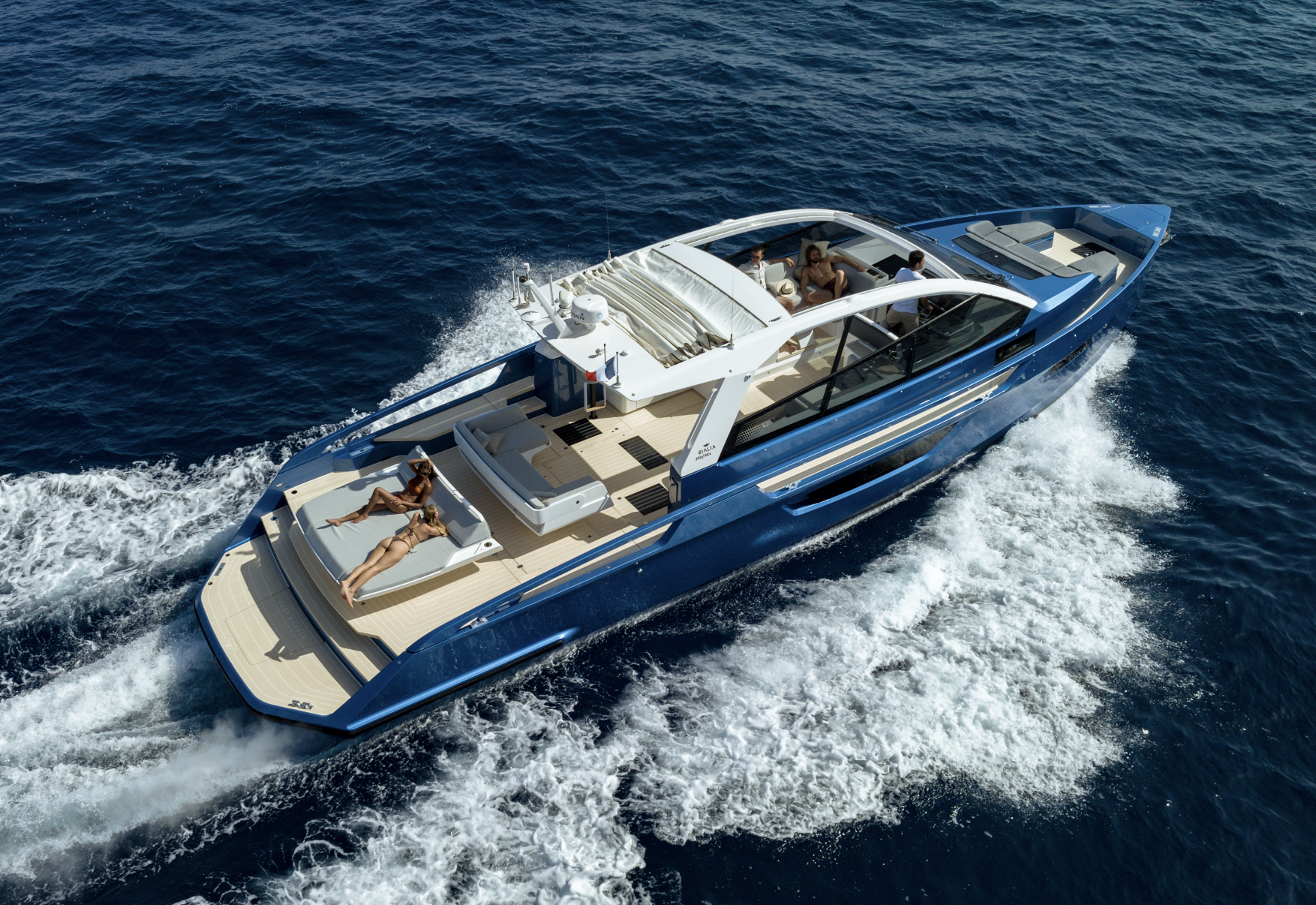
The main cockpit area features wrap-around cushioned seating designed to keep guests secure and comfortable even when the vessel is operating at high speeds. Protected by a sturdy composite windshield and a streamlined hardtop, the helm station integrates advanced marine electronics, navigation suites, and engine telemetry displays into a clean, classic dash layout. Below deck, the vessel offers a surprisingly cozy cuddy cabin equipped with comfortable berths, a compact head, and fine woodwork, providing adequate shelter for weekend getaways or resting during extended day trips.
Market Impact and Legacy in Custom Yachting
Vendetta stands out because it established a design template that later inspired numerous custom builders to re-examine retro-modern aesthetics. Before its launch, the custom yacht market was heavily dominated by either traditional wooden restorations—which are notoriously difficult and expensive to upkeep—or hyper-modern, futuristic sportfishers and motor yachts.
By proving that a classic aesthetic could be successfully merged with cutting-edge composite construction and high-output diesel propulsion, Vendetta carved out a distinct niche. It demonstrated that owners do not have to choose between historical charm and modern engineering reliability.
Practical Considerations and Operational Realities
Owning or operating a high-performance custom vessel like Vendetta involves specific operational requirements and financial commitments that prospective buyers or maritime enthusiasts should understand.
- Specialized Maintenance: The combination of fine woodwork, stainless steel brightwork, and high-performance mechanical systems requires skilled, specialized marine technicians for routine servicing.
- Fuel Management: Operating twin high-output marine diesels at high speeds generates substantial fuel burn, necessitating careful logistical planning for longer coastal voyages.
- Berthing and Docking: Because of its unique length-to-beam ratio and specialized propulsion gear, maneuvering in tight slipways requires experienced helm handling.
- Regulatory Compliance: High-speed commercial or private operation in coastal waters requires adherence to strict local speed limits, safety equipment carriage requirements, and environmental discharge regulations.
Frequently Asked Questions
Who originally commissioned the yacht Vendetta?
The yacht Vendetta was originally commissioned by iconic American singer-songwriter Billy Joel in the early 2000s to reflect his passion for classic Long Island Sound commuter boats.
What is the top speed of the yacht Vendetta?
Vendetta is engineered for high-performance cruising, capable of reaching top speeds exceeding 40 knots, depending on sea conditions and load configurations.
Where was the yacht Vendetta built?
The vessel was built by Derecktor Shipyards, a renowned American boatbuilding firm with facilities in New York and Florida, known for handling complex custom composite and metal builds.
What materials are used in Vendetta's hull?
The vessel utilizes advanced lightweight composite construction techniques, combining structural core materials with high-strength resins to minimize weight and maximize hydrodynamic efficiency.
Is Vendetta designed for long-distance ocean crossings?
No. Vendetta is optimized as a high-speed coastal cruiser and day yacht, prioritizing rapid transit, aesthetic elegance, and day-trip luxury over multi-week transatlantic voyaging.
Conclusion and Final Recommendation
The yacht Vendetta remains an engineering and aesthetic milestone in modern yachting history. For maritime enthusiasts, designers, and prospective custom yacht owners, studying Vendetta offers valuable lessons in how to balance form and function. Anyone looking to commission a custom day-cruiser should evaluate the Vendetta model as a prime example of how lightweight composite engineering can breathe new life into traditional maritime design, proving that speed and classic elegance can coexist seamlessly on the water.
Image Gallery