Miami Weather Forecast 2026: Comprehensive Climate Analysis and Meteorological Guide
Navigating the Miami weather forecast requires understanding its distinct subtropical climate, characterized by warm, humid summers and mild, dry winters. Located at the southern tip of the Florida peninsula, Miami experiences signific...
Navigating the Miami weather forecast requires understanding its distinct subtropical climate, characterized by warm, humid summers and mild, dry winters. Located at the southern tip of the Florida peninsula, Miami experiences significant maritime influences from the Atlantic Ocean and the Gulf of Mexico, making accurate tracking of daily temperatures, precipitation patterns, and tropical storm activity essential for residents, businesses, and visitors alike.
Contents
Understanding the Subtropical Climate of South Florida
Miami sits within the Köppen climate classification of a true tropical monsoon/rainforest border climate, featuring distinct wet and dry seasons rather than the traditional four meteorological seasons found in temperate zones. The atmospheric profile of South Florida is shaped heavily by its latitude, low elevation, and surrounding warm coastal waters.
The region experiences year-round warmth, with daytime high temperatures rarely dropping below 75 degrees Fahrenheit even during the peak of winter in January. This thermal consistency is moderated by prevailing easterly trade winds blowing off the Atlantic, which help keep the heat index manageable despite high relative humidity levels.
Meteorological Drivers of Miami Weather
- The Atlantic Ocean and Gulf Stream: These warm water bodies act as thermal reservoirs, influencing coastal temperatures and providing the primary moisture source for convective rainfall.
- The Florida Sea Breeze: A critical local phenomenon where differential heating between the land and ocean creates converging wind boundaries, frequently triggering afternoon thunderstorms during the warmer months.
- The Bermuda High: A semi-permanent subtropical high-pressure system that dictates wind direction, bringing steady easterly and southeasterly flows for much of the year.
Seasonal Weather Breakdown and Historical Norms
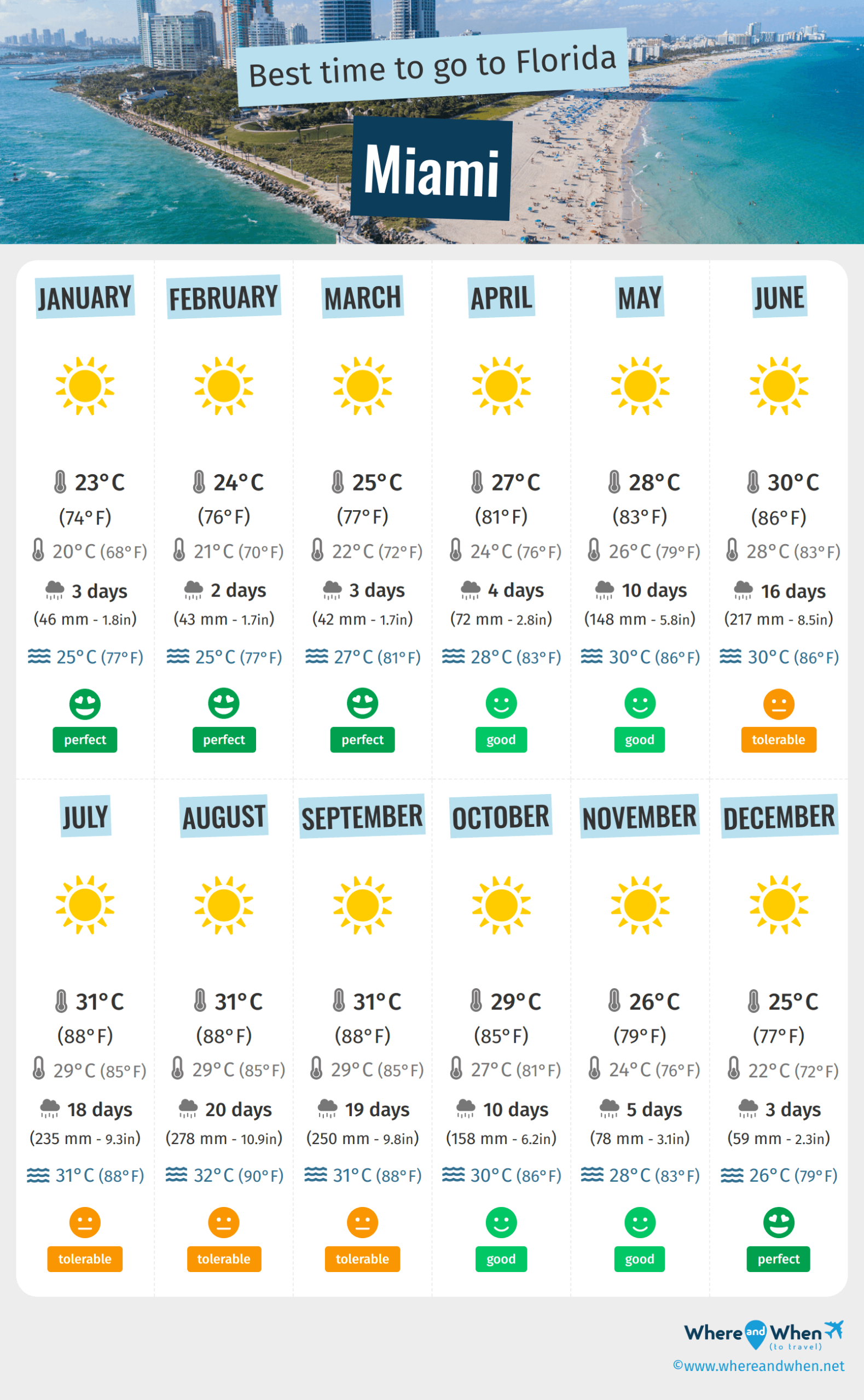
A reliable miami weather forecast relies on recognizing the distinct shifts between the dry winter season and the wet summer season. Planning outdoor activities, construction schedules, or travel itineraries requires careful attention to these seasonal transitions.
| Season | Months | Average Temperature Range | Precipitation Characteristics |
|---|---|---|---|
| Dry Season (Winter/Spring) | November – April | 65°F – 80°F (18°C – 27°C) | Low humidity, minimal rainfall, passing cold fronts |
| Wet Season (Summer/Fall) | May – October | 77°F – 90°F (25°C – 32°C) | High humidity, frequent afternoon downpours, tropical systems |
During the dry season, weather patterns are often dominated by continental cold fronts moving down the Florida peninsula. These fronts can bring refreshing, cooler, and less humid air masses known locally as "dry spells," though they occasionally produce brief squalls as they encounter warm local air.
Conversely, the wet season brings daily convective activity. Solar radiation heats the land intensely by midday, causing warm air to rise, condense, and form towering cumulonimbus clouds. These clouds frequently erupt into heavy downpours, lightning storms, and occasional localized flooding across low-lying urban areas like Brickell, Downtown, and South Beach.
Hurricane Season Preparedness and Tropical Tracking
The Atlantic hurricane season officially runs from June 1 through November 30, with climatological peak activity occurring between mid-August and late October. For Miami, understanding tropical weather forecasts is a vital safety requirement.
When tropical waves, depressions, or hurricanes form in the tropical Atlantic or Caribbean Sea, meteorologists utilize advanced satellite imagery, Doppler radar networks, and NOAA hurricane hunter aircraft to track their paths.
Essential Hurricane Preparedness Protocol
- Monitor Official Sources: Rely on updates from the National Hurricane Center (NHC) and the National Weather Service (NWS) Miami-South Florida office rather than unverified social media reports.
- Understand Watch vs. Warning: A Hurricane Watch means sustained winds of 74 mph or higher are possible within 48 hours, while a Warning indicates these conditions are expected within 36 hours, requiring immediate action.
- Maintain an Emergency Kit: Stock at least one gallon of water per person per day, non-perishable food for a minimum of seven days, flashcards, battery-powered radios, and vital medications.
- Know Your Evacuation Zone: Miami-Dade County is divided into zones (A through E) based on storm surge vulnerability. Review local county evacuation maps annually before the season begins.
Daily Forecasting Metrics: Decoding Heat Index and UV Risk
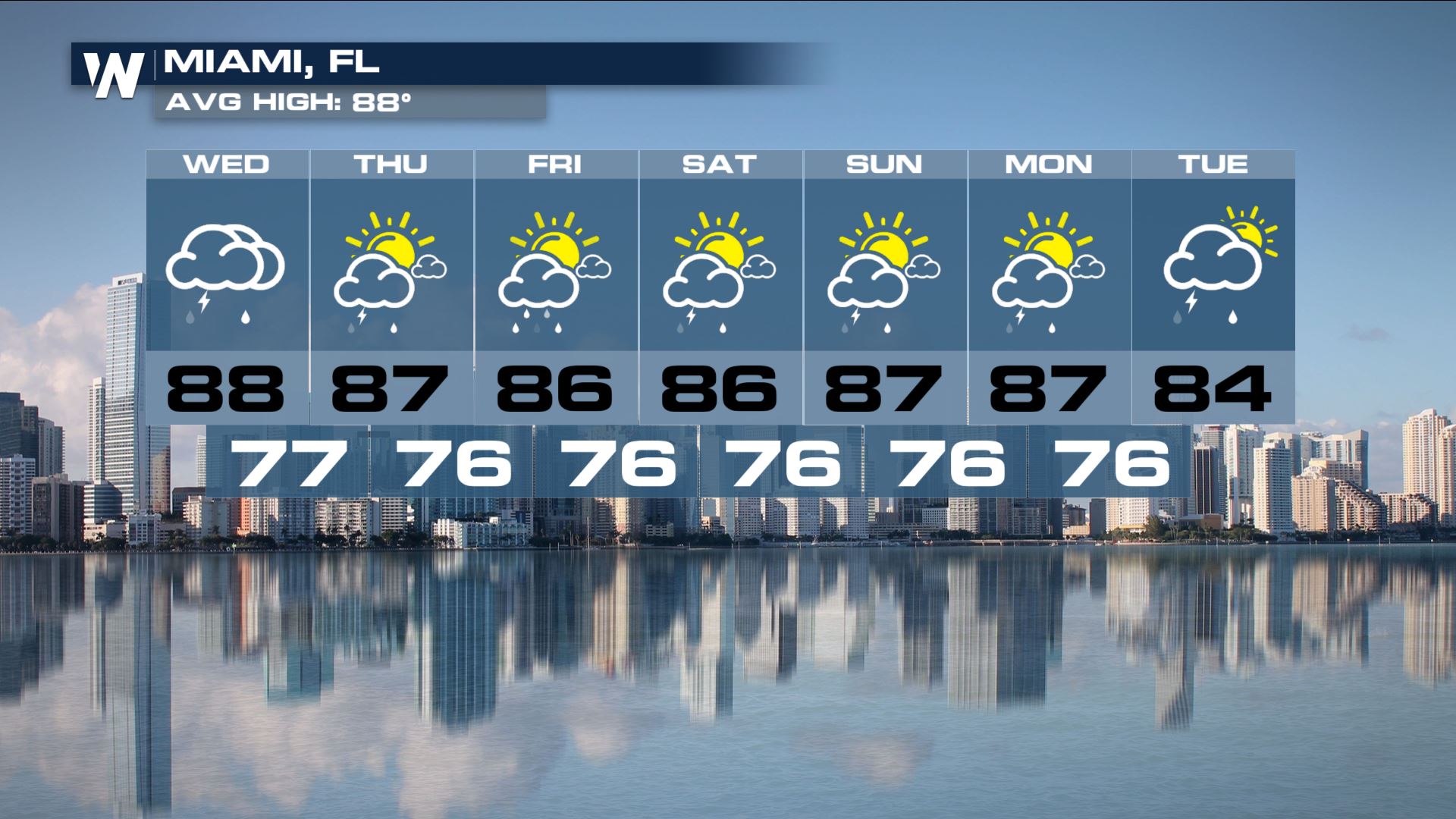
When checking a daily miami weather forecast, looking solely at the ambient air temperature can be misleading. Due to the proximity of the Everglades and warm coastal waters, the air is frequently saturated with moisture, significantly impacting how the weather actually feels.
Key Meteorological Indices to Monitor
- Heat Index (Apparent Temperature): Combines air temperature and relative humidity to quantify how hot the body feels. In mid-summer, Miami routinely sees heat indices exceeding 100°F to 105°F, prompting heat advisories or excessive heat warnings.
- Ultraviolet (UV) Index: South Florida's southern latitude means the sun's rays are exceptionally direct. The UV index frequently reaches extreme levels (10 or higher) between 10:00 AM and 4:00 PM, requiring robust sun protection measures.
- Rainfall Probability (PoP): Indicates the chance that any given point in the forecast area will receive at least 0.01 inches of rain. A 50% chance of rain does not mean it will rain for half the day; rather, it means there is a 50% probability of precipitation occurring in the designated zone.
Expert Meteorological Note: Afternoon rain showers in Miami can develop rapidly within 30 to 45 minutes. Checking radar loops alongside numerical percentage forecasts provides a much clearer picture of immediate storm movement and intensity than static numbers alone.
Frequently Asked Questions About Miami Weather
What is the best time of year to visit Miami for optimal weather?
The dry season, spanning from November through April, offers the most pleasant weather in Miami. During these months, temperatures are comfortable, humidity is lower, and rainfall is minimal, making it ideal for outdoor activities and beach visits.
How hot does Miami get during the peak of summer?
Average daytime high temperatures in July and August routinely reach 89°F to 91°F (32°C to 33°C). However, combined with high relative humidity, the heat index frequently pushes apparent temperatures past 100°F.
How accurate are the daily afternoon thunderstorm forecasts?
Because summer thunderstorms are driven by localized sea breeze collisions, they can be highly localized. While meteorologists can accurately predict a high probability of storm development across South Florida, pinpointing the exact neighborhood or street that will receive rain remains challenging.
When is the peak of the Atlantic hurricane season in Miami?
Statistically, the most active period for tropical storm and hurricane formation in the Atlantic basin occurs between mid-August and late October, with September 10 recognized as the climatological peak of the season.
Are there microclimates within the Miami area that affect local weather?
Yes, coastal areas like Miami Beach often experience slightly cooler breezes off the ocean compared to inland western suburbs like Doral or Kendall, which can trap heat and experience more intense afternoon storm buildups.
Practical Recommendations for Weather Monitoring
To stay adequately prepared for changing atmospheric conditions in South Florida, establish a routine of checking certified meteorological platforms. Enable emergency weather alerts on mobile devices for severe thunderstorm warnings, flash flood warnings, and tropical storm or hurricane bulletins. Whether preparing for a beach excursion or securing a property ahead of a tropical system, relying on data-driven, official weather forecasts ensures safety and optimal planning in Miami's dynamic climate environment.
Image Gallery