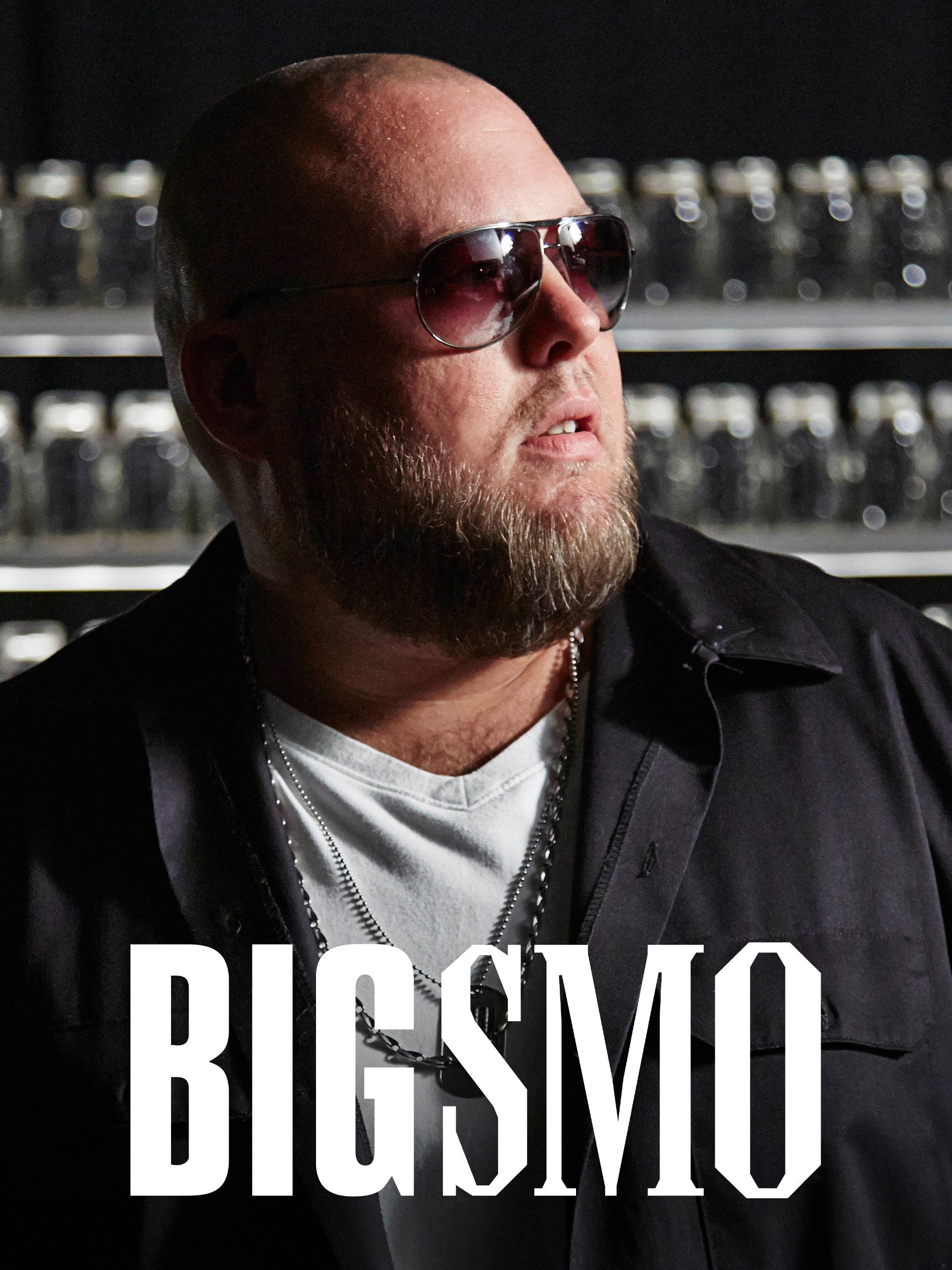
What Happened to Big Smo? The Current Status of the Country Rap Pioneer
As of 2026, Big Smo—born John Lee Smith—remains an active force in the independent music scene, though his career has shifted significantly from the mainstream spotlight he occupied during his mid-2010s peak. After transitioning away f...
As of 2026, Big Smo—born John Lee Smith—remains an active force in the independent music scene, though his career has shifted significantly from the mainstream spotlight he occupied during his mid-2010s peak. After transitioning away from major label representation and his high-profile reality television series on A&E, he has refocused his efforts on the "Kinfoke" community, producing music through independent channels and maintaining a consistent touring schedule across the American South and Midwest.
Contents
Big Smo is widely recognized as one of the primary architects of the "Hick-Hop" genre, a fusion of country themes and rap production. While many casual viewers remember him from the two seasons of his self-titled reality show, his trajectory over the last decade illustrates the challenges and rewards of navigating the music industry as a niche artist.
The Evolution of the "Kinfoke" Brand
To understand what happened to Big Smo, one must first look at the height of his commercial success and the subsequent pivot to independence. In 2014, Big Smo signed with Warner Music Nashville and released the album Kuntry Livin', which peaked at number three on the Billboard Top Country Albums chart. This era was defined by high-budget music videos and the national platform provided by A&E.
However, the reality of major label contracts often involves a trade-off between visibility and creative control. By the late 2010s, Smo began the transition back to his roots. The "Kinfoke" brand, which refers to his dedicated fanbase, became the central pillar of his business model. Instead of relying on traditional radio play—which has historically been hesitant to embrace country-rap—Smo leaned into digital distribution and direct-to-consumer marketing.
By 2026, this model has proven sustainable. While he no longer commands the same level of national media attention as he did during the A&E years, his streaming numbers remain robust among core demographics. His independence has allowed him to release projects like Special Reserve and This Is My Life without the bureaucratic delays often associated with major labels.
Legal Challenges and Management Disputes
A significant factor in the perceived "quiet periods" of Big Smo's career involved complex legal and management transitions. Like many artists who find sudden fame through reality television, the contractual obligations surrounding his image, music rights, and management fees became a point of contention.
In the years following the conclusion of his reality show, Smo navigated various disputes regarding the ownership of his brand and back-catalog royalties. These legal hurdles are a common reason why artists may seem to disappear from the public eye; during active litigation or contractual restructuring, releasing new material can be legally risky.
Smo eventually cleared these hurdles by establishing a more localized management structure. This shift allowed him to reclaim the "Big Smo" moniker fully and operate his touring business without the heavy overhead of Nashville's "Music Row" infrastructure. These experiences often find their way into his lyrics, which have evolved to reflect the "grind" of the independent artist.
Health, Physical Transformation, and Personal Growth
One of the most visible changes for fans following Big Smo over the years has been his physical transformation. During his early career, Smo's large stature was part of his "larger-than-life" persona. However, health concerns, including issues with his knees and general cardiovascular health, prompted a significant lifestyle change.
Over several years, Smo documented his weight loss journey and commitment to a healthier lifestyle. This was not merely about aesthetics; for a high-energy performer whose live shows involve significant movement, the physical toll of touring was becoming unsustainable. In 2026, Smo continues to advocate for health awareness within the rural communities he represents, often sharing his progress and setbacks with his followers to humanize the struggle of maintaining wellness while on the road.
The State of "Hick-Hop" in 2026
The landscape of country rap has changed dramatically since Big Smo first "kicked it in the sticks." When he began, the genre was often treated as a novelty. Today, artists like Upchurch, Jelly Roll, and Struggle Jennings have expanded the genre's reach into the multi-platinum territory.
Big Smo's role in 2026 is often viewed as that of an elder statesman or pioneer. While newer artists may have higher current chart positions, Smo’s early groundwork paved the way for the commercial viability of the genre. He frequently collaborates with both veteran and up-and-coming artists in the scene, maintaining his relevance through features and joint tours.
Key Milestones in Big Smo’s Career Trajectory
| Period | Primary Focus | Notable Project/Event | Status |
|---|---|---|---|
| 2010–2013 | Underground Growth | Grass Roots EP | Independent |
| 2014–2016 | Mainstream Peak | Kuntry Livin' / A&E Show | Warner Music Nashville |
| 2017–2019 | Transition Era | We The People | Independent/Hybrid |
| 2020–2023 | Digital Pivot | This Is My Life | Independent |
| 2024–2026 | Legacy & Touring | The People's Champ (Tours) | Independent |
The Impact of Independent Distribution
The primary reason Big Smo remains a viable artist in 2026 is his early adoption of independent digital platforms. By cutting out the middleman, an artist with a dedicated following of 500,000 to 1,000,000 fans can often earn more than a "mainstream" artist who is still paying back label debts.
Smo’s strategy involves:
- Direct-to-Fan Merchandising: Selling "Kinfoke" branded gear directly through his website.
- YouTube Monetization: His music videos continue to garner millions of views, providing a steady stream of ad revenue.
- Regional Touring: Focusing on outdoor venues, mud bogs, and rural festivals where his target audience congregates.
- Social Media Engagement: Using platforms like Facebook and Instagram to maintain a "no-filter" relationship with his audience.
Frequently Asked Questions
Is Big Smo still making music in 2026?
Yes, Big Smo is still actively recording and releasing music. He focuses on independent releases and frequently drops singles and EPs directly to streaming platforms. While he does not have a major label deal as of 2026, his output remains consistent, catering specifically to his "Kinfoke" fanbase.
Why was Big Smo's reality show canceled?
The A&E series Big Smo ran for two seasons. Like many reality shows, it was not "canceled" in the traditional sense of failure but rather reached the end of its production cycle. Changes in network programming direction and the high costs of producing "docu-soap" style content often lead to shows concluding after their initial surge of popularity. Smo has since expressed that while the show was a great promotional tool, the lack of cameras allowed him to return to a more authentic lifestyle.
What is Big Smo's real name?
Big Smo’s real name is John Lee Smith. He was born and raised in Tennessee, which serves as the primary inspiration for his "Kuntry Livin'" brand and lyrical content.
Where does Big Smo live now?
Big Smo continues to reside in Tennessee. He has often spoken about his love for his home state and his commitment to staying close to his roots, rather than moving to major industry hubs like Los Angeles or New York. He maintains a farm and recording studio in the middle Tennessee area.
How does Big Smo make money now?
In 2026, Big Smo’s income is diversified across several streams. This includes streaming royalties from his extensive catalog, ticket sales from live performances, and a robust merchandise business. By owning a larger percentage of his work as an independent artist, he is able to sustain his career without the need for constant mainstream radio airplay.
Next Actions for Fans
If you are looking to catch up with Big Smo’s latest developments in 2026, the best route is through his official social media channels and independent website. Unlike major-label artists whose news is filtered through PR firms, Smo handles much of his communication directly.
- Check Tour Dates: Visit his official site to see his current schedule, which often focuses on southern festivals and mid-sized music venues.
- Stream Recent Releases: Search for his latest EPs on Spotify or Apple Music, as he often releases music under his own imprint.
- Support Directly: If you want to support his career, purchasing merchandise directly from his store ensures that the majority of the profit stays with the artist, fueling future independent projects.
Big Smo’s journey is a testament to the power of a loyal niche audience. While the bright lights of A&E have dimmed, the "Kinfoke" community remains as active as ever, proving that for some artists, independence is the ultimate form of success.
Image Gallery