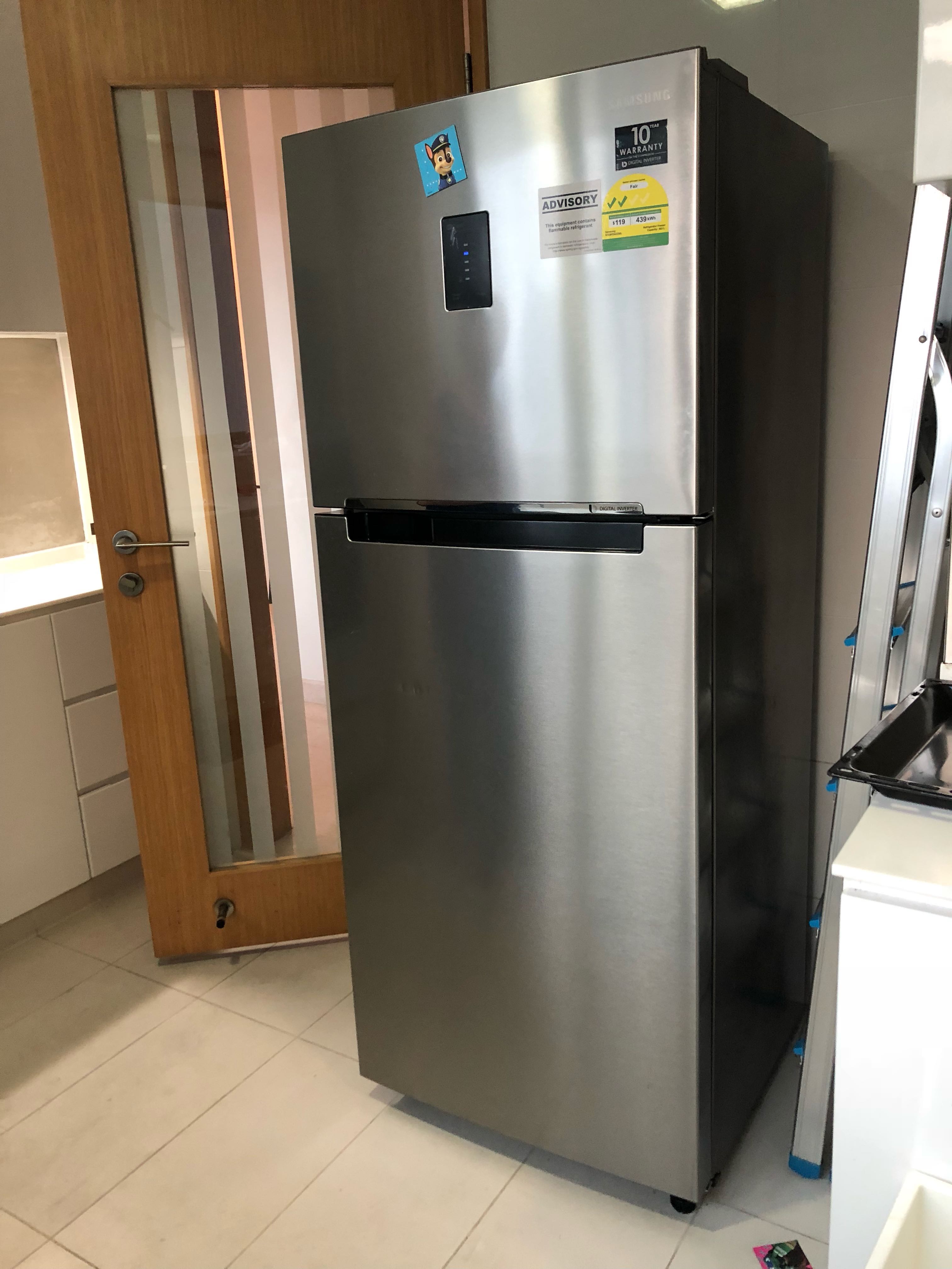
Samsung Refrigerator Door Adjustment Explained: A Complete Guide to Alignment and Leveling
Adjusting a Samsung refrigerator door involves leveling the unit’s front legs to stabilize the chassis and then using the integrated adjustment nuts or C-clips located on the hinges to fine-tune the vertical alignment. Proper adjustmen...
Adjusting a Samsung refrigerator door involves leveling the unit’s front legs to stabilize the chassis and then using the integrated adjustment nuts or C-clips located on the hinges to fine-tune the vertical alignment. Proper adjustment ensures an airtight gasket seal, prevents energy loss, and eliminates mechanical scraping between doors or drawers.
Contents
The Critical Importance of Door Alignment
In 2026, modern Samsung refrigerators, including the Bespoke and high-capacity French Door series, rely on precision-engineered seals to maintain strict Energy Star efficiency ratings. When doors are misaligned, even by a few millimeters, the magnetic gaskets may fail to create a hermetic seal. This leads to warm air infiltration, which causes the compressor to run excessively and results in frost accumulation on the evaporator coils.
Beyond energy efficiency, mechanical alignment is vital for the longevity of the appliance. Misaligned doors place uneven stress on the hinge pins and bushings. Over time, this can lead to the "sagging" of a door, which may eventually damage the plastic liners or the center mullion (the folding flap on French door models). Ensuring your refrigerator is level and the doors are flush is a foundational maintenance task that should be performed upon installation and checked annually as the house settles.
The Essential Pre-Adjustment Checklist
Before attempting to turn any bolts, you must verify that the environment is conducive to a successful adjustment. A refrigerator placed on a significantly sloped or soft floor (such as thick carpeting or unreinforced vinyl) will continue to shift, making permanent alignment impossible.
Required Tools and Preparation
Most Samsung refrigerators come with a small installation kit, but if yours has been misplaced, you will need the following standard tools:
- A spirit level: Essential for verifying the tilt of the main cabinet.
- A flat-head screwdriver: Used for adjusting the leveling legs and removing the base grille.
- A 4mm Allen wrench (Hex key): Primarily used for the height adjustment nut on the door hinges.
- A 19mm open-end wrench: Required for some larger leveling leg bolts.
- C-clips (Snap rings): These are often included in the owner's manual packet for specific height adjustments on French door models.
Ensure the refrigerator is loaded with a typical amount of food. The weight of items in the door bins significantly affects how the door hangs. Adjusting an empty refrigerator may result in misalignment once the door is filled with heavy milk jugs and condiments.
Phase 1: Leveling the Refrigerator Chassis
You cannot align the doors if the refrigerator cabinet itself is twisted or tilted forward. Leveling is the "macro" adjustment that must precede the "micro" adjustment of the hinges.
Adjusting the Front Leveling Legs
Access the leveling legs located at the bottom front of the unit. On many models, you may need to remove the base cover (the plastic grille) by pulling it forward or unscrewing it.
- Check the Front-to-Back Tilt: Place your level on the top of the refrigerator. Samsung recommends that the front of the unit be slightly higher than the rear (roughly a 1/4-inch to 1/2-inch tilt). This slight rearward slope allows the doors to close automatically using gravity and ensures the internal drain system functions correctly.
- Adjusting for Stability: Insert a flat-head screwdriver into the slot of the leveling leg control lever or use a wrench on the nut. Turn the leg clockwise to raise that corner of the refrigerator and counter-clockwise to lower it.
- Eliminating Side-to-Side Lean: Place the level across the front top of the cabinet. If the bubble is not centered, adjust one leg until the cabinet is perfectly level horizontally. If the cabinet is leaning to the right, the right door will naturally hang lower than the left.
Phase 2: Adjusting French Door Alignment (RF Models)
French door models are prone to "uneven height" where the left and right doors do not meet perfectly at the top. This is usually corrected at the bottom hinge of the right-hand door.
Using the Height Adjustment Nut
Most Samsung French door units feature an adjustment nut on the lower hinge of the right door.
- Locate the Hinge: Open the freezer drawer to gain a clear view of the bottom hinges of the refrigerator doors.
- The Adjustment Nut: On the bottom of the right door hinge pin, you will see a small nut. Insert your 4mm Allen wrench into this nut.
- Raising or Lowering: To raise the door, turn the nut clockwise. To lower the door, turn it counter-clockwise.
- Verification: Close both doors and check the alignment at the top. It is often helpful to run your finger across the top seam; if you feel a "step," continue adjusting in small increments.
The C-Clip (Snap Ring) Method
If your specific model does not have a threaded adjustment nut, or if you have reached the maximum height on the nut and the door is still low, Samsung provides plastic C-clips of varying thicknesses (usually 1mm, 1.5mm, 2mm).
- Lift the Door: With the door open, manually lift the lower door upward.
- Insert the Clip: Snap the C-clip onto the hinge pin between the hinge grommet and the lower hinge bracket. This acts as a permanent shim to hold the door higher.
- Safety Note: Do not use more than two clips per hinge, as this can cause the hinge pin to become unseated from the top bracket, creating a safety hazard.
Phase 3: Side-by-Side Refrigerator Adjustment (RS Models)
In Side-by-Side models, the doors are much taller and heavier, making alignment slightly more technical. The adjustment is typically performed at the bottom of the unit near the leveling legs.
Vertical Alignment via the Hinge Bolt
- Open the Doors: Most side-by-side units have an adjustment bolt accessible from the front bottom, often tucked behind the leg cover.
- Identify the Bolt: Look for a bolt located on the underside of the door hinge.
- Turn to Align: Use a wrench to turn the bolt. Turning it clockwise will lift the door. Because these doors are long, a small turn at the bottom results in a significant movement at the top.
- Check the Gap: Ensure the vertical gap between the refrigerator and freezer doors is uniform from top to bottom. If the gap is wider at the top than at the bottom, the unit is likely not leveled correctly at the base legs.
Summary of Adjustment Methods by Model Type
| Refrigerator Type | Primary Adjustment Location | Method | Common Tool |
|---|---|---|---|
| French Door (RF) | Lower Right Hinge | Threaded Nut or C-Clips | 4mm Allen Wrench / Snap Rings |
| Side-by-Side (RS) | Lower Front Hinge | Vertical Adjustment Bolt | 19mm Wrench or Pliers |
| Bespoke Series | Under Door / Hinge Pin | Integrated Leveling System | Provided Samsung Tool |
| 4-Door Flex | Mid-Hinge / Bottom Hinge | Spacer Clips / C-Clips | Manual insertion |
Troubleshooting Common Alignment Issues
The Door Won't Stay Open or Closes Too Fast
This is rarely a hinge issue and almost always a leveling issue. If the refrigerator is tilted too far backward, the doors will "slam" shut, which can eventually crack the door bins. If the unit is tilted forward, the doors may swing wide and hit adjacent cabinetry. Adjust the front leveling legs to achieve a subtle 1-degree rearward tilt.
The Center Mullion is Rubbing
On French door models, the vertical flap (mullion) on the left door must fold flat to allow the right door to close. If the doors are misaligned, this flap may hit the right door or the top frame. If you hear a "clunk" when closing the left door, check the height of the left door relative to the right. You may need to raise the left door using C-clips if a nut is not present.
Gasket Gaps and Air Leaks
If the doors look straight but you suspect an air leak, perform the "Paper Test." Place a sheet of paper or a dollar bill against the cabinet and close the door. Try to pull the paper out. If it slides out with no resistance, the gasket is not making contact. This often happens if the door is "twisted" rather than just low. Check that the refrigerator feet are both making firm contact with the floor. If one foot is dangling, the cabinet will warp, pulling the gasket away from the frame.
Maintenance and Long-Term Care
Once aligned, the hardware should stay in place. However, the heavy vibrations of the compressor and the daily impact of door closings can occasionally loosen the adjustment nuts.
- Lubrication: While adjusting, inspect the hinge pins. If you see plastic shavings or hear squeaking, apply a small amount of food-grade silicone grease to the hinge bushings. Never use WD-40, as it can degrade the plastic components.
- Weight Distribution: Avoid placing all heavy glass bottles in a single door bin. Distribute weight evenly between the left and right doors to prevent the hinges from settling unevenly over time.
- Annual Check: Use your level once a year to ensure your flooring hasn't shifted, especially if your kitchen is over a crawlspace or basement.
Frequently Asked Questions
Why is my Samsung refrigerator door higher than the other after installation?
Most refrigerators are shipped with the doors slightly offset because manufacturers anticipate the weight of food being added to the door bins. Once you load the refrigerator with groceries, the doors often settle into a level position. If they remain uneven after 24 hours of being loaded, follow the manual adjustment steps using the hinge nut or C-clips.
Can I adjust the doors without unplugging the refrigerator?
Yes, door alignment does not require disconnecting power. However, be mindful of the door-open alarm. Some models allow you to "mute" the alarm during maintenance. If you are adjusting the top hinges (which involve removing plastic covers), be careful not to pinch the wire harnesses that connect the door display and ice dispenser to the main control board.
What should I do if the adjustment nut won't turn?
Do not force the nut, as it is often made of relatively soft metal and can strip. Ensure you are using the correct 4mm Allen wrench. If it feels stuck, check for any debris or dried spills in the hinge area. You may need to lift the door slightly by hand to take the weight off the threads while you turn the nut.
How many C-clips can I safely use on one door?
Samsung generally advises against using more than two C-clips. If the door still requires more height after two clips, the issue is likely that the refrigerator cabinet is not level or the floor is sagging. Over-stacking clips can cause the hinge pin to lose its grip on the upper housing, potentially allowing the door to fall off its mount.
Does door misalignment affect the ice maker?
Yes, indirectly. If the doors are misaligned to the point that the gasket leaks air, the internal temperature of the refrigerator will rise. This can cause the ice in the door-mounted ice bucket to melt slightly and then refreeze into a solid block, leading to dispenser jams. Proper door alignment is essential for a functional ice-making system.
Practical Recommendation
If you have performed both the leveling and the hinge adjustments but the doors still appear crooked, measure the diagonal dimensions of the front of the cabinet. If the diagonals are not equal, the cabinet is "racked" (twisted). This usually happens when the floor is uneven. To fix this, you must adjust the leveling legs specifically to untwist the frame, rather than just to level it. For persistent issues where the door seems to be physically bent, or if the hinge brackets are loose, contact an authorized Samsung service technician to inspect the internal frame integrity.
Image Gallery