The Casey Kasem Profile: Life, Broadcasting Innovations, and Media Legacy
The profile of Casey Kasem—frequently searched under phonetic variations such as "Casey Casum"—documents the career of one of American broadcasting's most influential personalities. As the co-creator and long-time host of American Top...
The profile of Casey Kasem—frequently searched under phonetic variations such as "Casey Casum"—documents the career of one of American broadcasting's most influential personalities. As the co-creator and long-time host of American Top 40 and the definitive voice of Shaggy Rogers in Scooby-Doo, Kasem transformed music radio syndication, elevated voice artistry, and later inspired landmark elder guardianship legislation across the United States.
Contents
Biographical Overview and Early Career Origins
Kemal Amin "Casey" Kasem was born on June 27, 1932, in Detroit, Michigan, to Lebanese-American immigrant parents. Raised in a working-class household, Kasem developed a deep interest in audio storytelling and vocal performance during his high school years at Northwestern High School in Detroit, later pursuing speech and English at Wayne State University.
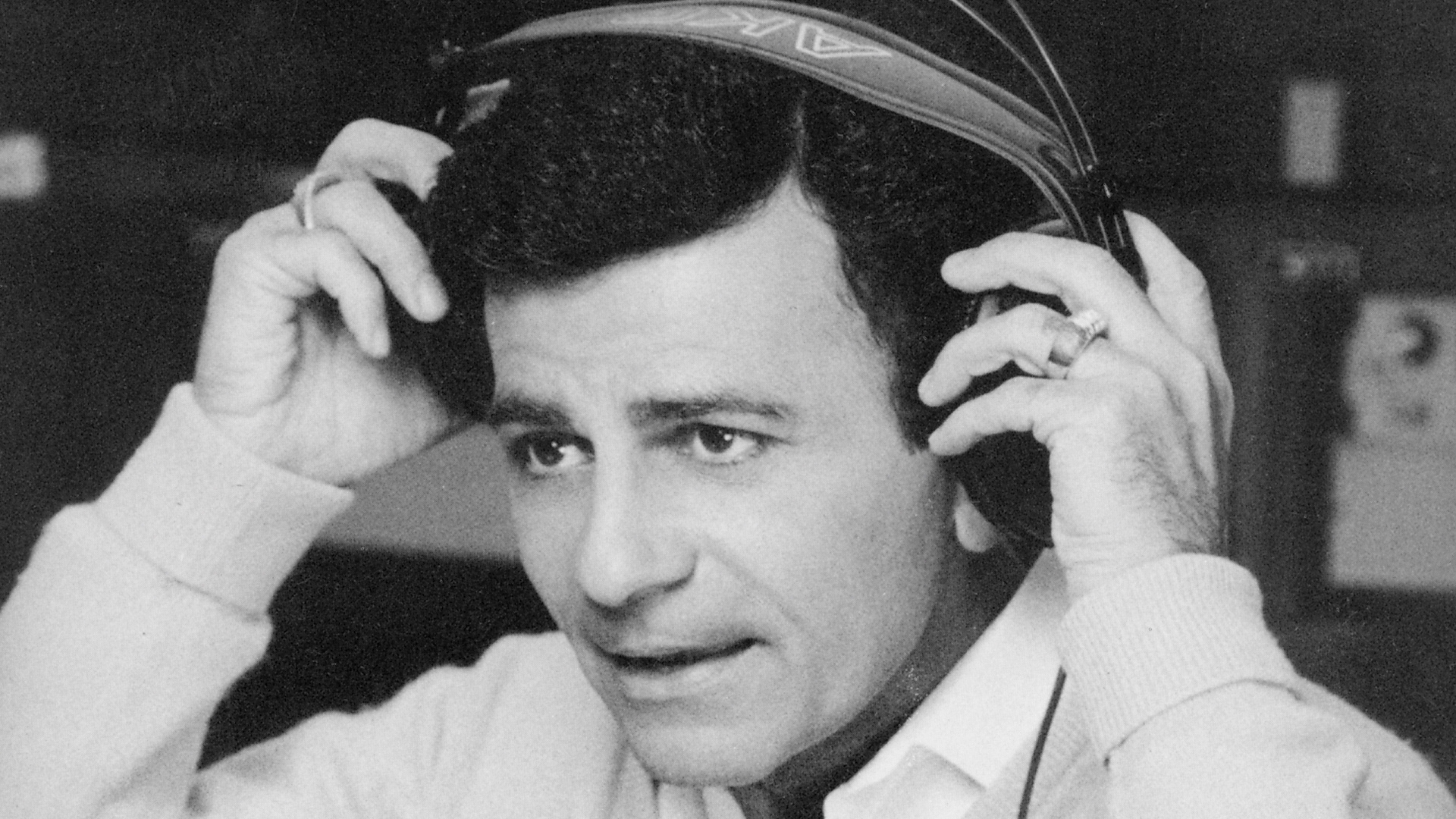
Kasem’s professional broadcasting career took shape during his military service in the United States Army during the Korean War. Drafted in 1952, he was assigned to the Armed Forces Radio Service (AFRS) in Korea, where he served as a DJ and announcer. It was during this military tenure that Kasem honed his signature relaxed, warm, and conversational delivery. Rather than adopting the frenetic, shouting style common among early rock-and-roll radio disc jockeys, Kasem favored a narrative-driven approach that prioritized warmth, pacing, and human interest stories.
Upon returning to civilian life, Kasem worked as a disc jockey at several radio stations across North America, including stations in Flint, Detroit, Buffalo, Cleveland, Oakland, and San Francisco. During his time at KOBY in San Francisco and KYA in Oakland, Kasem perfected the technique that would define his later national radio empire: the drop-in biographical feature, commonly referred to as "teaser" storytelling. Instead of simply introducing a song title and artist, Kasem introduced short, engaging anecdotes about the performer's life, struggles, or breakthrough moments before cueing the music track.
- Artist Tease / Biographical Anecdote
- Chart Position Announcement
- Track Playback / Song
By the mid-1960s, Kasem relocated to Los Angeles, hosting music programs on KRLA and hosting local television music shows such as Shebang. His growing visibility in Southern California set the stage for a dramatic expansion into national radio syndication and network voice talent work.
The Creation and Evolution of American Top 40
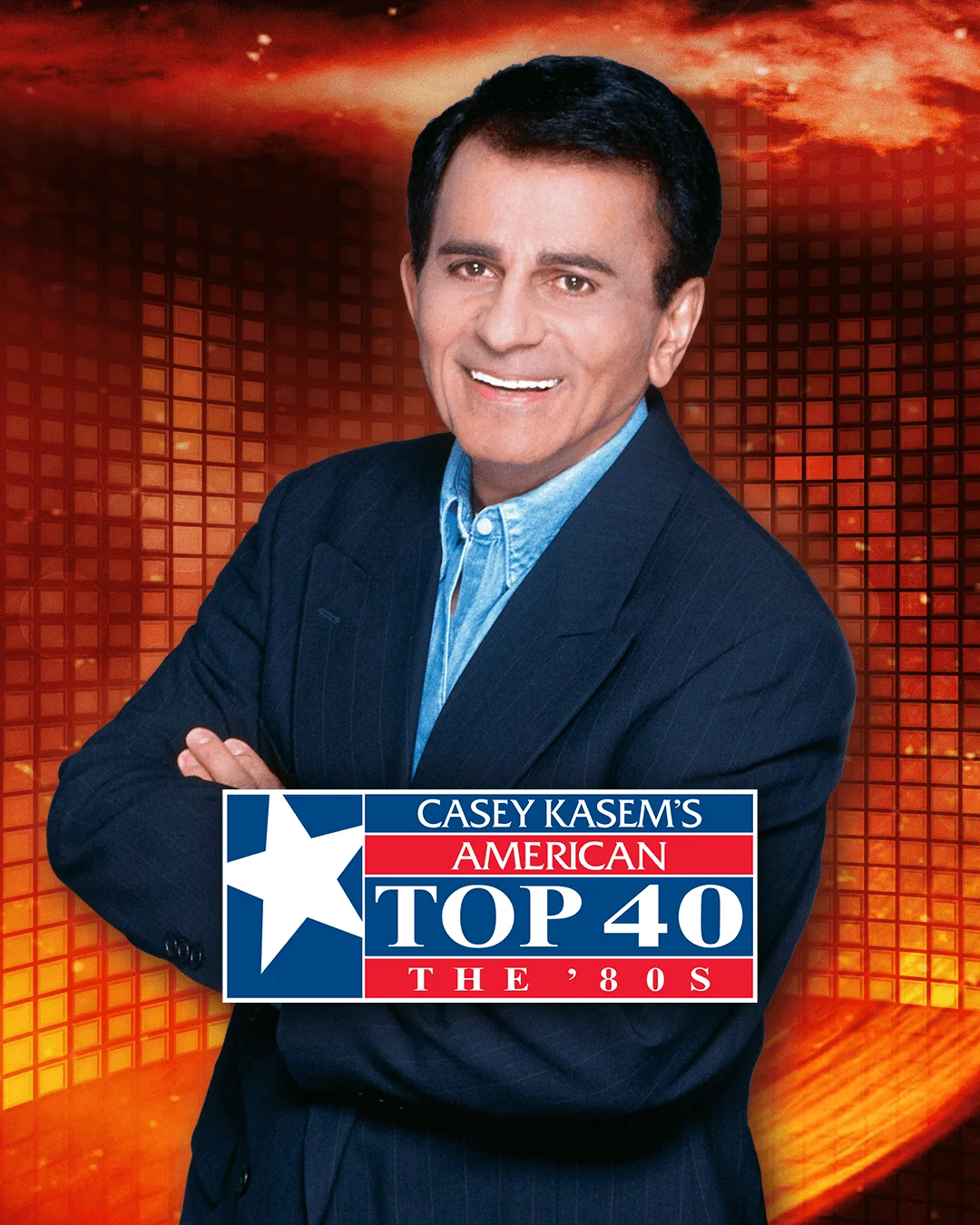
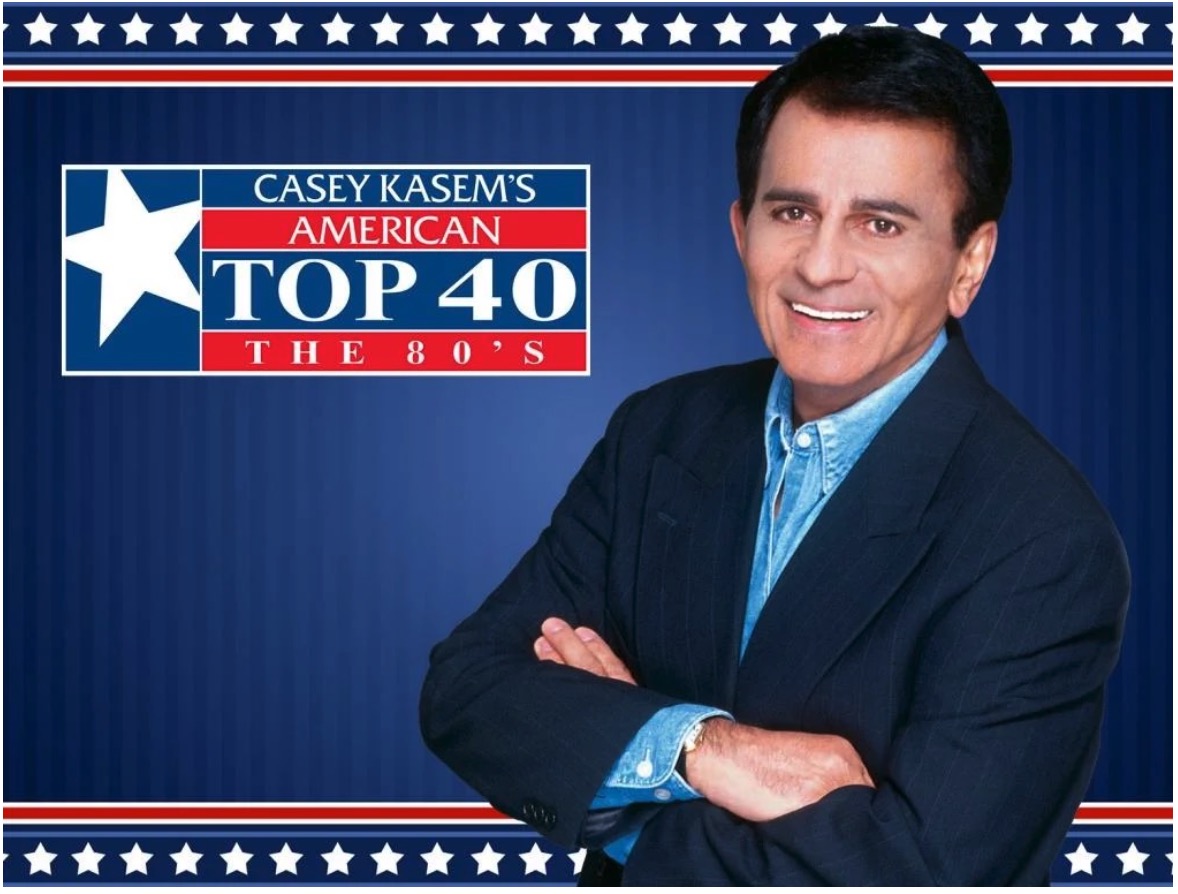
In 1970, Casey Kasem paired with producer Don Bustany, along with radio executives Tom Rounds and Ron Jacobs, to develop a nationally syndicated weekly radio program dedicated to tracking the top-selling songs in America. On July 4, 1970, American Top 40 (AT40) debuted on seven radio stations across the United States.
| Year | Evolution of American Top 40 (AT40) |
|---|---|
| 1970 | Debut on 7 stations with Billboard Hot 100 rankings |
| 1978 | Expanded from 3-hour to 4-hour format; broadcast globally |
| 1989 | Contract dispute leads to "Casey's Top 40" on Westwood One |
| 1998 | Rights reclaimed; relaunch of classic AT40 format |
| 2004 | Ryan Seacrest takes over pop AT40; Kasem hosts AC spin-offs until 2009 |
Format and Syndication Model
AT40 transformed national music syndication by providing local radio stations with high-quality, pre-recorded reel-to-reel (and later vinyl, cassette, and compact disc) programming tailored to fit standard weekly broadcast grids. The show utilized the Billboard Hot 100 singles chart as its statistical base, counting down from position number 40 to number 1 every weekend.
Kasem brought several distinct segments to the broadcast that became permanent fixtures of pop culture:
- Trivia and Chart Facts: Historical breakdowns of record sales, artist achievements, and chart longevity.
- Bio-Bits: Short biographical sketches offering listeners background context on rising musical acts.
- Long Distance Dedications: A segment launched in 1978 where Kasem read heartfelt letters from listeners sending songs to loved ones across distances, reconciliations, or memorial remembrances.
- The Sign-Off: Kasem concluded every broadcast with his trademark catchphrase: "Keep your feet on the ground and keep reaching for the stars."
Business Expansion and Network Transitions
By the late 1970s, American Top 40 was heard on hundreds of domestic radio stations and distributed internationally via the Armed Forces Radio Network to over 50 countries. In 1988, following a contract dispute with Watermark/ABC Radio Networks, Kasem departed AT40 to create Casey's Top 40 with Westwood One Radio Network, incorporating alternative chart tracking mechanisms such as Radio & Records magazine charts.
In 1998, Kasem acquired the rights to the original program title and launched a revived version of American Top 40. He hosted the flagship mainstream pop countdown until January 2004, when he handed hosting duties to Ryan Seacrest, while Kasem continued hosting adult contemporary spin-off countdowns (American Top 20 and American Top 10) until his official retirement from radio in July 2009.
Iconic Voice Acting and Character Portrayals
While Casey Kasem established an unprecedented radio legacy, his parallel career as a commercial and animation voice actor made his voice universally recognizable across multiple generations.
| Animation Character | Franchise / Production |
|---|---|
| Norville "Shaggy" Rogers | Scooby-Doo (1969–1997, 2002–2009) |
| Robin / Dick Grayson | Super Friends / DC Super Heroes (1973–85) |
| Cliffjumper & Teletraan I | The Transformers (1984–1986) |
| Mark | Battle of the Planets (Gatchaman) |
| Network Voice / Announcer | NBC Network Promos (1980s–1990s) |
Norville "Shaggy" Rogers (Scooby-Doo)
In 1969, Hanna-Barbera cast Kasem as Norville "Shaggy" Rogers in the animated series Scooby-Doo, Where Are You! Kasem initially auditioned for the role of Fred Jones, but director Joseph Barbera assigned him to Shaggy, encouraging Kasem to adopt a beatnik-inspired, stuttering vocal cadence.
Kasem voiced Shaggy continuously for nearly three decades. As a committed vegan and advocate for animal rights, Kasem famously stepped away from voicing the character in 1997 when requested to voice Shaggy for a commercial featuring meat products. He returned to the role in 2002 for the animated series What's New, Scooby-Doo? under the agreement that Shaggy would be portrayed as a vegetarian within the show's narrative.
Other Notable Character Work
Beyond Scooby-Doo, Kasem provided vocal talent for numerous high-profile animated series and corporate identities:
- Robin/Dick Grayson: Voice of Batman’s sidekick in The Super Friends franchise produced by Hanna-Barbera throughout the 1970s and 1980s.
- The Transformers: Provided the voices of Autobot Cliffjumper, standard computer Teletraan I, and Bluestreak in the original 1980s animated series The Transformers.
- Commercial Announcing: Served as the signature network promo announcer for NBC Television during the 1980s, alongside voice-overs for national brands including Ford, Dairy Queen, and Sears.
Career Milestones and Historical Profile Matrix
The following matrix outlines the key operational periods, roles, distribution platforms, and structural innovations throughout Casey Kasem’s six-decade career.
| Era / Active Years | Primary Role / Title | Network / Distribution Platform | Key Innovations & Cultural Impact |
|---|---|---|---|
| 1952–1955 | AFRS Announcer | U.S. Armed Forces Radio (Korea) | Developed conversational pacing; introduced narrative radio drops. |
| 1956–1969 | Local DJ / TV Host | KOBY, KYA, KRLA, TV's Shebang | Invented the "teaser" anecdote structure preceding top-40 music tracks. |
| 1969–2009 | Voice Actor | Hanna-Barbera, Warner Bros., Sunbow | Voiced Shaggy (Scooby-Doo), Robin (Super Friends), Cliffjumper (Transformers). |
| 1970–1988 | Host & Co-Creator | American Top 40 (Watermark / ABC) | Pioneered weekly national music chart countdown syndication; introduced "Long Distance Dedications." |
| 1989–1998 | Host & Producer | Casey's Top 40 (Westwood One) | Maintained market leadership across competing radio networks using Radio & Records data. |
| 1998–2004 | Host & Franchisor | American Top 40 Relaunch (AMFM / Premiere) | Reclaimed original broadcast brand; modernized countdown presentation for modern pop radio. |
| 2004–2009 | Host (AC Formats) | American Top 10 / American Top 20 | Dedicated broadcasts to Adult Contemporary radio markets prior to formal retirement. |
Legal Legacy: Conservatorship and the "Casey Kasem Law"
In the final years of Casey Kasem’s life, his physical health declined significantly due to Lewy body dementia and progressive supranuclear palsy. The complex family disputes surrounding his care, conservatorship, and end-of-life visitation rights became a major national legal story, eventually driving significant statutory reforms in U.S. elder law.
- Incapacitated Adult / Parent
- Conservator / Guardian Appointed
- Mandatory Notice to Adult Children (Established by "Casey Kasem Law")
- Guaranteed Visitation & Medical Updates
The Family Dispute and Conservatorship Battle
In 2013, a high-profile legal dispute emerged between Kasem's second wife, Jean Kasem, and his adult children from his first marriage (Kerri, Julie, and Mike Kasem). The dispute centered on access to Kasem, control over his medical directives, and visitation authorization as his condition deteriorated.
The prolonged court filings highlighted gaps in state guardianship laws, where a primary conservator or spouse could restrict biological children and immediate relatives from visiting or obtaining medical status updates regarding an incapacitated parent.
Legislative Impact and Visitation Protections
Following Kasem's passing on June 15, 2014, at the age of 82, his daughter Kerri Kasem established the Kasem Cares Foundation to advocate for elder protection legislation. This advocacy led to the passage of legal reforms commonly designated as the Casey Kasem Law or Visitation Rights Acts across numerous state legislatures.
Key statutory provisions introduced under these state laws (including California Assembly Bill 1085, as well as laws enacted in Texas, Iowa, and Illinois) include:
- Mandatory Notification Requirements: Conservators or designated guardians are legally required to notify immediate family members (such as adult children) upon the hospitalization, relocation, or death of an incapacitated adult.
- Right to Petition for Visitation: Grants adult children express legal standing to petition probate courts for visitation rights if access is unreasonably withheld by a guardian or spouse.
- Prevention of Isolation: Prohibits guardians from arbitrarily isolating an adult ward from family members unless explicitly authorized by a judge following a showing of cause.
Frequently Asked Questions
Why is "Casey Kasem" sometimes spelled "Casey Casum"?
"Casey Casum" is a common phonetic misspelling of Kemal Amin "Casey" Kasem. Because the name was primarily spoken on radio airwaves for decades without visible text branding for listeners, search queries frequently reflect phonetic interpretations of his last name.
What was Casey Kasem's famous radio sign-off phrase?
Kasem concluded every radio countdown broadcast with the iconic sign-off: "Keep your feet on the ground and keep reaching for the stars."
Who took over hosting American Top 40 after Casey Kasem?
In January 2004, broadcaster Ryan Seacrest assumed hosting duties for the mainstream pop edition of American Top 40. Kasem continued hosting the adult contemporary versions (American Top 10 and American Top 20) until his retirement in July 2009.
Did Casey Kasem voice characters outside of radio countdowns?
Yes. Kasem was a prolific voice actor, most notably providing the voice of Norville "Shaggy" Rogers in Scooby-Doo from 1969 to 2009. He also voiced Robin in Super Friends, Cliffjumper and Teletraan I in The Transformers, and served as the network promo voice for NBC Television.
What is the "Casey Kasem Law"?
The "Casey Kasem Law" refers to elder abuse and visitation legislation passed in several U.S. states. Inspired by legal disputes during Kasem's final years, these laws mandate that conservators inform immediate family members of an adult ward’s medical status, end-of-life care, or location changes, while protecting rights to visitation.
Archival and Research Resources
For media historians, researchers, and broadcasting professionals examining Kasem’s legacy, primary records and historical broadcast materials can be reviewed through official media archives:
- Historical radio syndication records and broadcast history are indexed through the Museum of Broadcast Communications.
- Information on elder legislation, visitation rights statutes, and probate law reform is documented by state legislative databases such as the California State Assembly Archives.
Image Gallery