How the All-In-One Facial Cleanser Works: Mechanisms, Formulation Chemistry, and Skin Science
An all-in-one facial cleanser is formulated with a balanced blend of surfactants, humectants, and conditioning agents designed to dissolve surface sebum, lift particulate pollution, and clear away makeup in a single step without disrup...
An all-in-one facial cleanser is formulated with a balanced blend of surfactants, humectants, and conditioning agents designed to dissolve surface sebum, lift particulate pollution, and clear away makeup in a single step without disrupting the stratum corneum barrier.
Contents
Modern skincare routines often prioritize efficiency, leading many consumers to adopt multi-functional products that promise to cleanse, tone, and occasionally hydrate the skin simultaneously. Understanding how the all-in-one facial cleanser works requires a close look at cosmetic chemistry, skin physiology, and the physical mechanisms of surfactant interaction. Rather than relying on aggressive friction or harsh organic solvents, these formulations utilize sophisticated molecular engineering to target and eliminate impurities while preserving the skin's delicate moisture balance.
The Core Problem: Navigating Skin Contamination and Barrier Integrity
Human skin is continuously exposed to a complex mixture of endogenous secretions and exogenous pollutants. Sebaceous glands secrete sebum—a lipid-rich substance composed of squalene, wax esters, triglycerides, and free fatty acids—which forms a protective film on the surface. While natural sebum is vital for maintaining cutaneous hydration and microbial defense, it readily oxidizes and traps environmental detritus, including particulate matter ($PM_{2.5}$), dust, pollen, and lingering cosmetic pigments.
When these substances accumulate, they clog pores, dull the complexion, and promote inflammatory responses. However, removing them presents a biochemical paradox. Water alone cannot dissolve lipophilic (oil-based) substances due to the hydrophobic effect. Conversely, applying strong, unbuffered degreasing agents strips away the epidermal lipids necessary for barrier function.
This disruption leads to trans-epidermal water loss (TEWL), triggering compensatory sebum production, irritation, and sensitivity. The all-in-one facial cleanser is engineered to resolve this tension. It bridges the gap between effective lipid solubilization and gentle physiological preservation, allowing for comprehensive surface decontamination in a single application.
The Chemistry of Cleansing: Surfactants and Micellar Mechanics
At the heart of every all-in-one cleanser lies surfactant (surface-active agent) technology. Surfactants are amphiphilic molecules possessing a hydrophilic ("water-loving") head and a lipophilic ("fat-loving") tail. This dual nature allows them to interact with both water and oily residues, serving as the bridge that enables the rinsing away of impurities.
How Micelles Capture Impurities
Many popular all-in-one formulations, particularly micellar waters, rely on non-ionic surfactants suspended in purified water. When these surfactant molecules are introduced to an aqueous solution at a specific concentration known as the critical micelle concentration (CMC), they spontaneously self-assemble into spherical clusters called micelles.
- Orientation: The hydrophilic heads point outward, interacting freely with the surrounding water molecules.
- Core Formation: The hydrophobic tails orient inward, creating a microscopic, oil-loving core shielded from the water.
- Encapsulation: When applied to the face via a cotton pad or fingertips, these micelles open up upon contact with oily sebum and makeup. The hydrophobic tails burrow into and dissolve the lipid-based debris, breaking it apart from the skin surface.
- Removal: As the micelle closes back around the trapped particle, the entire complex becomes water-soluble. It is then easily wiped or rinsed away without requiring vigorous scrubbing.
Surfactant Classification and Skin Compatibility
The choice and concentration of surfactants dictate whether a cleanser feels gentle or stripping. Manufacturers blend various classes of surfactants to balance cleansing power with cutaneous comfort.
| Surfactant Class | Characteristics | Common Examples | Impact on Skin Barrier |
|---|---|---|---|
| Non-Ionic | Mild, low irritation potential, excellent for sensitive skin. | Polysorbate 20, Coco-Glucoside, Decyl Glucoside | Minimal disruption; preserves natural lipid matrix. |
| Amphoteric (Zwitterionic) | pH-dependent charge, highly compatible with skin, reduces irritation. | Cocamidopropyl Betaine, Sodium Lauroamphoacetate | Low irritation; often paired with stronger agents to buffer harshness. |
| Anionic | High foaming capacity, powerful degreasing action. | Sodium Cocoyl Isethionate, Sodium Laureth Sulfate (SLES) | Moderate to high; can strip essential lipids if improperly formulated. |
Multi-Tasking Formulations: Beyond Basic Surfactants
An all-in-one cleanser does more than simply wash away oil; it incorporates secondary functional ingredients that mimic the effects of subsequent skincare steps, such as toning and initial hydration.
Humectants and Moisture Retention
To counteract the transient drying effect of surfactant action, formulators incorporate humectants—hydrophilic molecules that draw moisture from the deeper layers of the epidermis and the surrounding atmosphere into the stratum corneum.
- Glycerin: A classic, highly biocompatible humectant that supports enzyme activity in the skin and maintains barrier homeostasis.
- Hyaluronic Acid: A glycosaminoglycan capable of binding up to 1,000 times its molecular weight in water, plumping surface dehydration lines instantly upon cleansing.
- Propylene Glycol and Butylene Glycol: Acting as both humectants and solvent enhancers, these compounds ensure active ingredients remain uniformly distributed throughout the liquid matrix.
pH Buffering and Acid Mantle Preservation
The surface of healthy human skin maintains an acidic pH, typically ranging between 4.5 and 5.5. This acidic environment, known as the acid mantle, inhibits the proliferation of pathogenic microorganisms while supporting resident microflora and lipid-processing enzymes.
Traditional bar soaps are often alkaline (pH 9 to 10), which neutralizes the acid mantle and causes corneocyte swelling and protein denaturation. All-in-one cleansers are meticulously pH-adjusted using buffering agents such as citric acid or sodium citrate. Maintaining a physiological pH ensures that the skin's enzymatic processes—such as ceramide synthesis and desquamation—continue uninterrupted during the cleansing process.
Step-by-Step Breakdown of the Cleansing Interaction
To understand the practical application of how an all-in-one facial cleanser works, it helps to examine the sequence of events that occurs from application to final rinse or wipe.
- Application and Wetting
- The product is dispensed onto the skin or a substrate (like a cotton round). Water molecules in the formula lower the surface tension of the skin, allowing the liquid to spread evenly across micro-crevices.
- Surfactant Adsorption
- Hydrophobic tails seek out sebum, waterproof cosmetics, and particulate pollutants. They insert themselves into the lipid layers of these impurities.
- Emulsification and Lifting
- Mechanical action (gentle wiping or massaging) shears the bound impurities away from the epidermal cells. The oil droplets become suspended within the surfactant structures.
- Final Extraction
- Wiping the face lifts the suspended complexes away. In rinse-off versions, running water flushes the micelles and solubilized debris down the drain without leaving an oily or tacky film behind.
Balancing Convenience and Comprehensive Care
While all-in-one cleansers offer undeniable efficiency, understanding their operational limits ensures optimal skin health.
Advantages of Single-Step Formulations
- Time Efficiency: Consolidates makeup removal, cleansing, and light refreshing into a single operational phase.
- Reduced Mechanical Trauma: Eliminates the need for harsh scrubbing or multiple rounds of product application, lowering the risk of friction-induced micro-tears and redness.
- Formulation Stability: Modern preservation systems ensure that active ingredients remain stable and uncontaminated over extended use periods.
Operational Limitations
- Heavy Waterproof Cosmetics: Highly tenacious, silicone-heavy theatrical or waterproof formulations may require a dedicated lip-and-eye makeup remover or a primary oil-based cleanser before the all-in-one formula can effectively clear the remaining residue.
- Heavy Particulate Loads: In environments with severe industrial pollution or after intense athletic exertion, a single pass may not capture all particulate deep within dilated pores, occasionally necessitating a double-cleansing approach.
Common Mistakes When Using All-In-One Cleansers
Even the most advanced formulations can underperform if applied incorrectly. Avoiding common user errors ensures the product functions as intended.
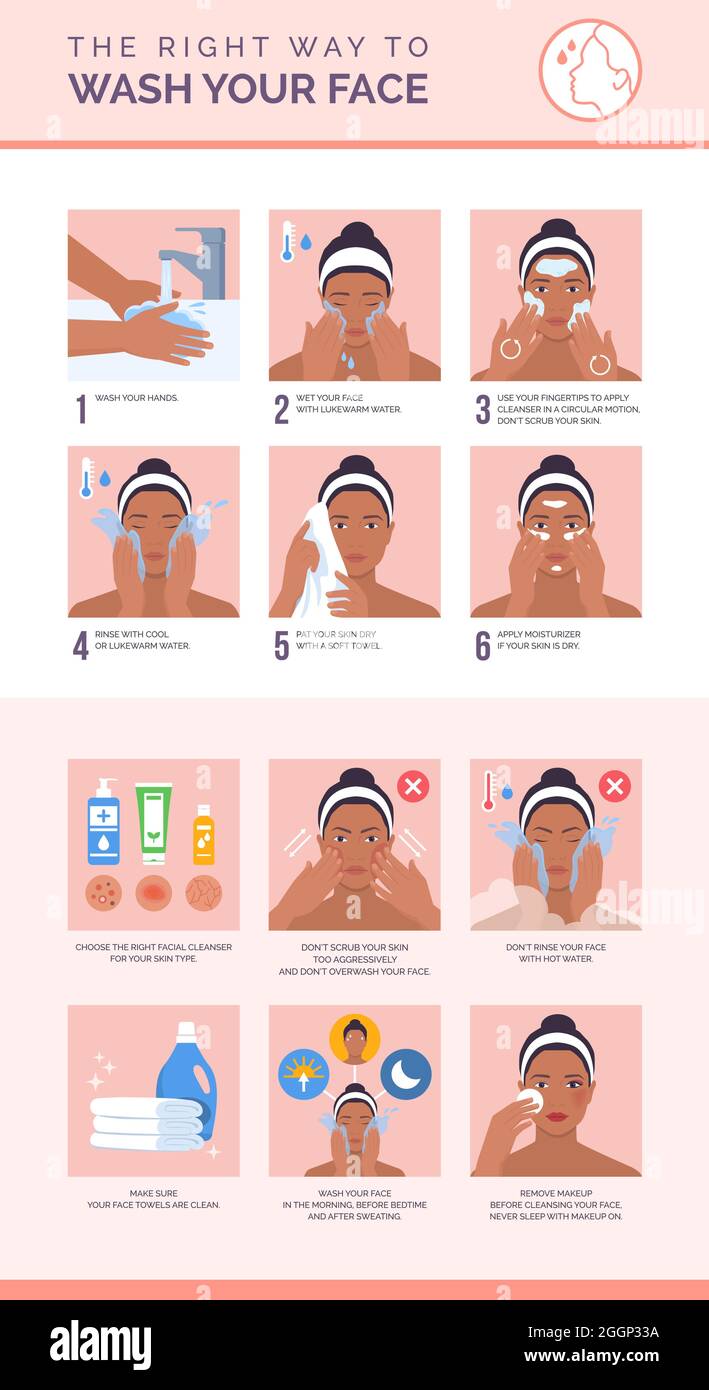
- Using Insufficient Product: Skimping on the cleanser or using a dry, abrasive cotton pad creates unnecessary friction. The pad or skin must be adequately saturated to allow micelles to form and glide smoothly.
- Skipping the Rinse (When Required): While many micellar waters are marketed as "no-rinse," individuals with reactive skin may experience minor surfactant residue accumulation over time, leading to low-grade irritation. Splashing the face with lukewarm water after application can mitigate this.
- Applying Excessive Pressure: Pressing hard into the skin does not improve chemical solubilization; it only damages the stratum corneum. Let the surfactants do the chemical work.
Frequently Asked Questions
Do all-in-one cleansers replace a traditional double-cleans routine?
They can replace a double cleanse for individuals wearing light daily makeup, sunscreen, and normal sebum levels. However, those wearing heavy-duty waterproof makeup or high-coverage sunscreens often benefit from an initial oil-based balm followed by the all-in-one cleanser to ensure total pore clearance.
Why do some all-in-one cleansers require rinsing while others do not?
Formulations labeled as no-rinse typically contain very low concentrations of mild, non-ionic surfactants that evaporate or leave behind beneficial humectants without disrupting the skin barrier. Formulations with higher foaming capacities or specialized active additives are designed to be rinsed to prevent residue build-up.
Can an all-in-one cleanser strip natural skin oils?
If formulated with high concentrations of aggressive anionic surfactants like sodium lauryl sulfate, yes. However, quality all-in-one cleansers utilize non-ionic or amphoteric surfactants paired with humectants, designed specifically to cleanse without stripping the skin's natural lipid matrix.
Are all-in-one cleansers suitable for acne-prone skin?
Yes, provided the formula is non-comedogenic and oil-free. Clear surfactant technology lifts excess sebum and pore-clogging debris effectively, but individuals with active acne should ensure the product is free from heavy waxes or pore-blocking emollients.
How does the cleanser interact with the skin's acid mantle?
A properly formulated all-in-one cleanser is adjusted to a pH matching the skin's natural acid mantle (approx. 4.5 to 5.5). This prevents the temporary alkaline shock associated with traditional soaps, protecting resident microflora and maintaining natural barrier function.
Practical Next Actions
If you are incorporating an all-in-one facial cleanser into your daily regimen, evaluate your skin's immediate response after the first week of use. Check for signs of tightness, stinging, or flaking, which indicate that the surfactant strength may be too high for your specific barrier type. For heavy makeup wearers, test the cleanser's efficacy on your hardest-to-remove products; if residue persists, pair the product with a dedicated pre-cleanse oil or balm to maintain clean, balanced, and healthy skin.
Image Gallery