Understanding the Artistic Valuation and Net Worth of Swoon
Calen "Swoon" Hollingshead, the acclaimed street artist and printmaker, has built a career defined by monumental paper installations, community-based social practice, and fine art gallery presence. As of 2026, estimations of her net wo...
Calen "Swoon" Hollingshead, the acclaimed street artist and printmaker, has built a career defined by monumental paper installations, community-based social practice, and fine art gallery presence. As of 2026, estimations of her net worth remain speculative, as her income stems from a diversified portfolio of museum exhibitions, private art sales, public art commissions, and social justice projects, rather than liquid assets or public corporate holdings.
Contents
Defining the Professional Scope of Swoon
To understand the financial standing of a contemporary artist like Swoon, one must first recognize that "net worth" in the fine art sector is rarely a static figure. It is an accumulation of historical sales, intellectual property value, the market performance of individual works, and the operational costs of maintaining a large-scale studio practice.
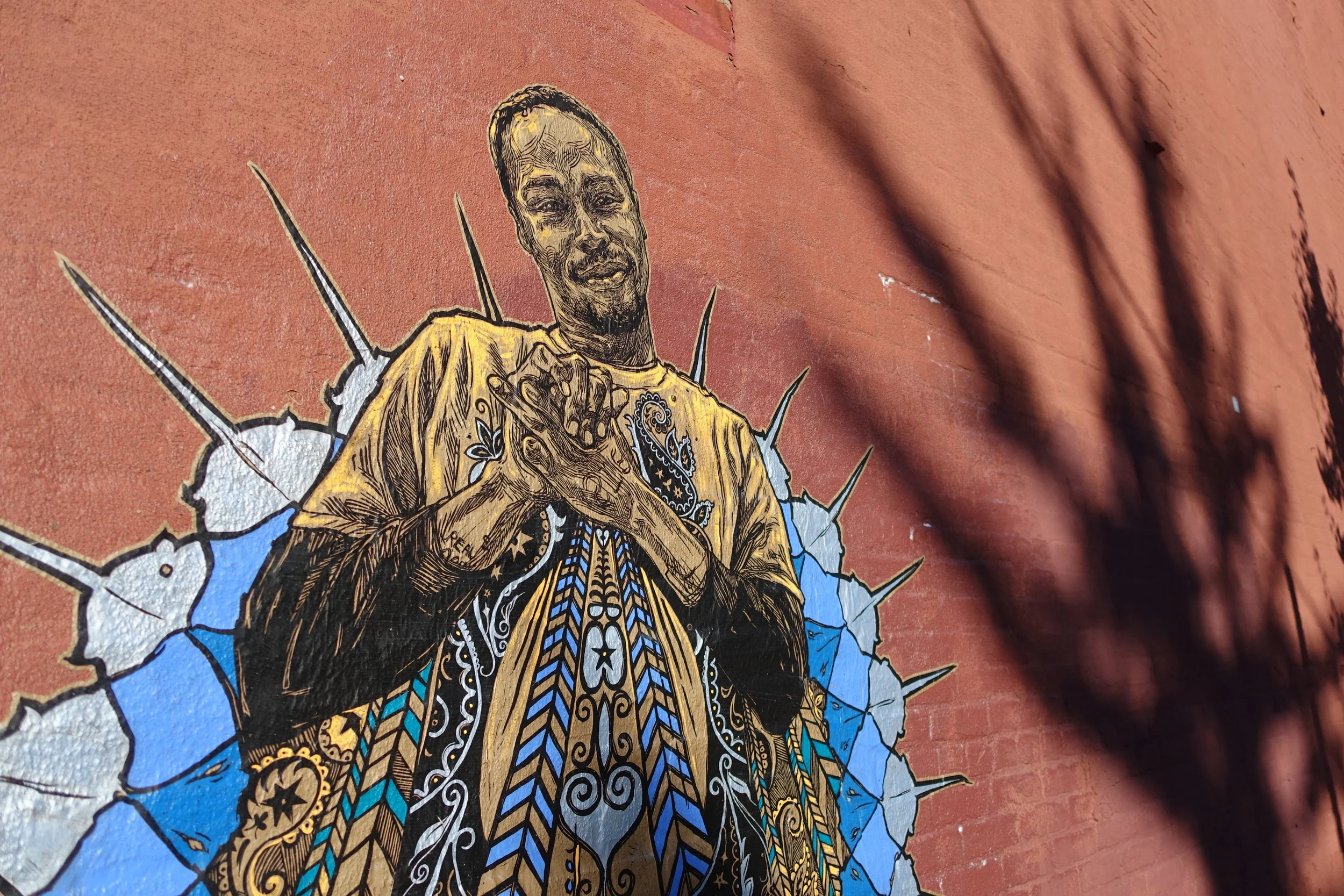
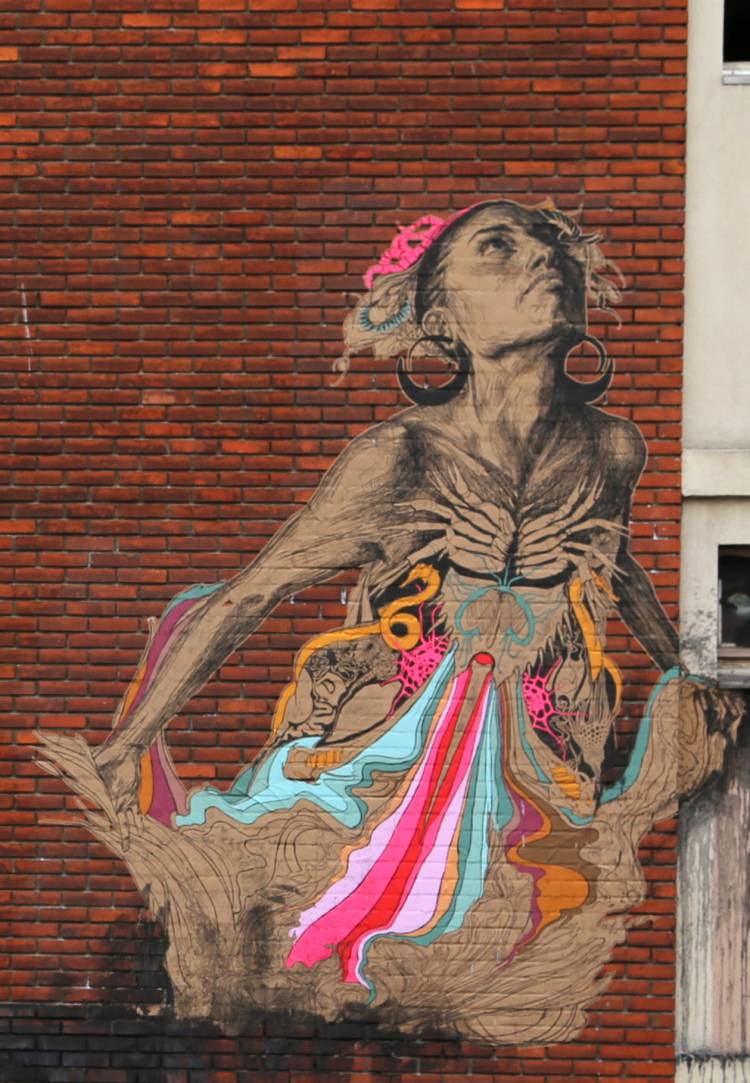
Swoon’s career began in the early 2000s on the streets of New York City. Her unique technique involves wheat-pasting intricate, hand-cut linoleum-block prints of human figures onto urban architecture. Unlike artists who focus exclusively on the commercial gallery circuit, Swoon’s work has consistently straddled the line between ephemeral street art and museum-grade archival fine art. This duality is central to her financial profile. Galleries represent her primary revenue stream through secondary market sales and exhibitions, but her long-term value is bolstered by institutional acquisitions, where her works are added to the permanent collections of major global entities such as the Museum of Modern Art (MoMA) and the Tate Modern.
Revenue Streams in Contemporary Fine Art
The financial ecosystem surrounding an artist like Swoon operates through several distinct channels. Understanding these is essential for evaluating why public "net worth" figures for artists are frequently misunderstood or misquoted.
- Gallery Representation and Primary Sales: When Swoon exhibits at high-end galleries, her works are sold to collectors. These primary market sales provide immediate revenue, though the artist typically retains only a portion—usually 50%—after the gallery takes its commission.
- Institutional Commissions: Projects such as public art installations or site-specific commissions are often funded through grants, municipal budgets, or non-profit organizations. While these projects may not always yield high profit margins compared to gallery sales, they significantly increase the artist's "brand equity," which drives up the price of smaller works sold to private collectors.
- Print Editions and Multiples: To make her work accessible, Swoon produces limited edition prints. These editions provide a steady cash flow and allow a broader demographic of collectors to invest in her work at entry-level price points.
- Social Practice and Non-Profit Initiatives: Swoon is deeply involved in humanitarian efforts, notably through the Heliotrope Foundation. While these projects are vital to her mission, they operate as a separate financial entity and do not generally function as personal income sources.
The Impact of Market Volatility on Artistic Value
In 2026, the art market continues to be influenced by global economic conditions, the rise of digital authentication, and shifts in institutional spending. For artists who emerged from the street art movement, value is largely driven by provenance and scarcity.
A critical factor for collectors is the condition and rarity of Swoon’s early street-based works versus her current archival installations. Because much of her early street art was designed to be ephemeral—meant to decay over time—it does not hold "market" value in the same way as her canvas or wood-panel works stored in climate-controlled environments. This distinction is vital for any realistic assessment of her financial portfolio. Investors generally prioritize works with clear provenance and formal gallery documentation over salvaged street fragments, which are often legally and physically compromised.
Comparative Financial Overview
The table below illustrates the varying value drivers for an artist of Swoon’s stature, contrasting the accessibility of different asset types with their potential for long-term appreciation.
| Asset Class | Primary Market Price | Long-Term Appreciation | Liquidity |
|---|---|---|---|
| Large-Scale Installations | High (Commission based) | Moderate | Low |
| Gallery Canvas Works | Moderate to High | High | Moderate |
| Limited Edition Prints | Low to Moderate | Moderate | High |
| Unique Paper Cut-Outs | Moderate | High | Moderate |
The Challenge of Estimating Artist Wealth
Financial reporting sites that attempt to list "net worth" figures for contemporary artists often fail to account for the "Artist’s Paradox." This occurs when an artist possesses high "paper wealth"—the market value of their unsold inventory—but lacks the liquidity of an executive or entrepreneur.
Furthermore, Swoon’s practice is labor-intensive. She employs teams of assistants to help with the meticulous cutting and installation of her work. These operational costs are significant and must be deducted from gross sales to determine net income. In 2026, as in previous years, an artist’s wealth is better understood as a reflection of their influence in the art world rather than a simple bank balance. Her net worth is inherently tied to the longevity of her career, the continued interest of art critics, and the consistent acquisition of her work by public institutions.
Frequently Asked Questions
How is the value of Swoon’s art determined in the secondary market? The secondary market (auctions and private resales) determines value based on past sales records, the scarcity of the specific edition, and the current prestige of the artist. As Swoon’s work gains more institutional recognition, her auction results tend to establish a higher floor price for her primary market gallery works.
Does street art have the same financial value as gallery art? Generally, no. Street art, by definition, is often located on public property and is subject to weather, removal, or vandalism. Art that is created specifically for the gallery or museum setting is archival and easier to verify, making it a much safer asset for investment and insurance purposes.
What is the role of the Heliotrope Foundation in her financial profile? The Heliotrope Foundation is a non-profit organization founded by Swoon to support community-based art projects. It is an independent entity. Funds directed here are typically for social causes, neighborhood revitalization, and disaster relief, rather than for personal financial accumulation.
Are there legal restrictions on selling street art removed from buildings? Yes. Removing art from public or private property without the owner's consent can be considered theft or vandalism. Collectors who purchase "street" pieces must ensure the seller has legal title to the piece, as most street-based works are legally considered property of the building owner, not the artist.
How does an artist's exhibition history impact their net worth? Exhibitions at reputable institutions act as a "seal of approval." They increase demand among high-net-worth collectors and galleries, which directly translates to the ability to command higher prices during primary market sales.
Recommendation for Collectors and Interested Parties
If your interest in Swoon’s net worth is motivated by potential art investment, shift your focus from speculative wealth figures to the acquisition of authenticated works. Prioritize purchasing from recognized galleries or primary dealers who can provide a certificate of authenticity (COA). If you are looking to support her work, consider donating to the Heliotrope Foundation or attending her major museum exhibitions, as institutional support is the strongest indicator of an artist’s long-term professional stability.
Image Gallery