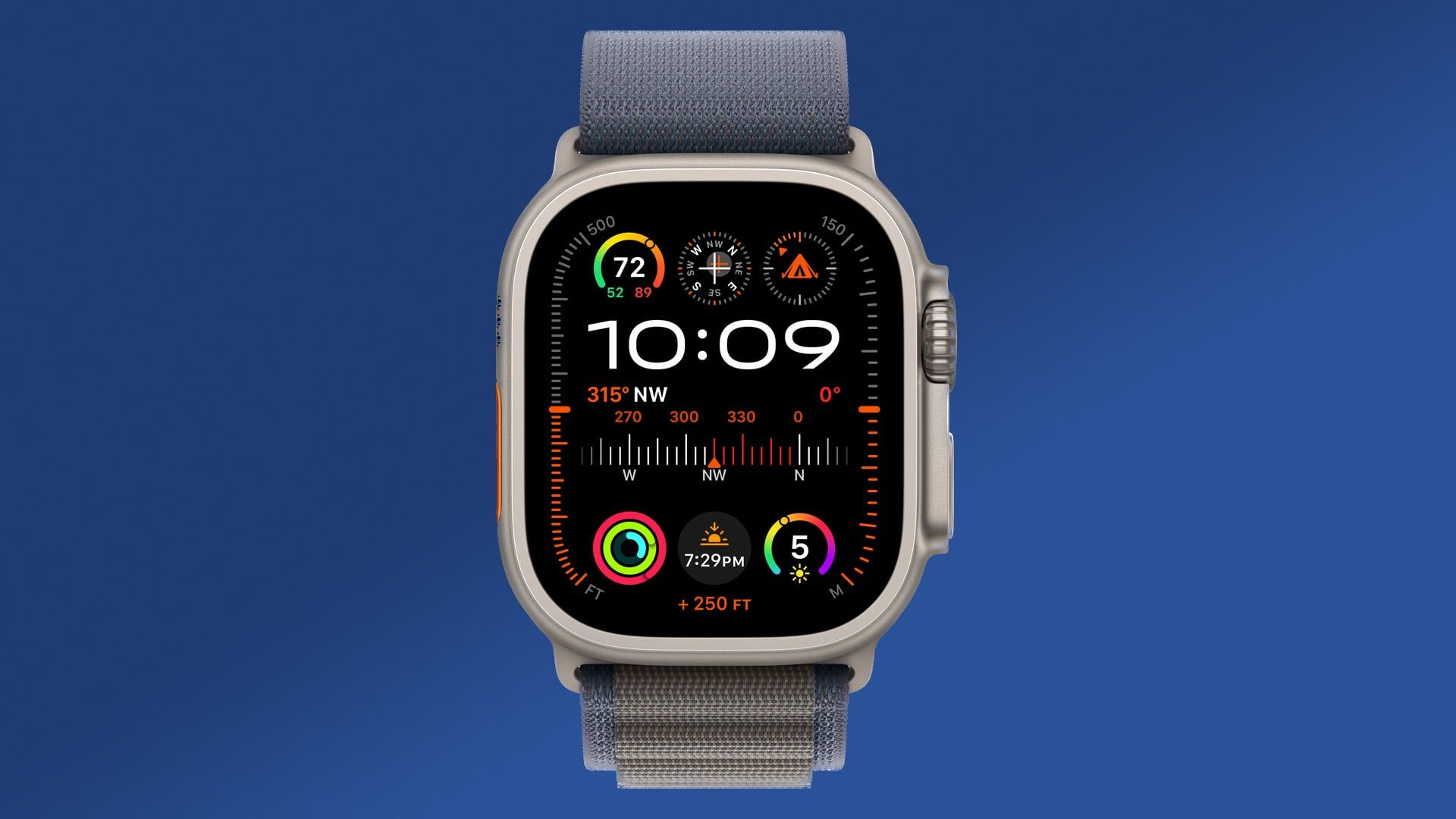
Why Vitality Policyholders Can Actually Get an Apple Watch
Vitality policyholders can obtain an Apple Watch because the insurer utilizes a "shared value" insurance model that incentivizes physical activity to reduce long-term health risks. By subsidizing the hardware, Vitality encourages membe...
Vitality policyholders can obtain an Apple Watch because the insurer utilizes a "shared value" insurance model that incentivizes physical activity to reduce long-term health risks. By subsidizing the hardware, Vitality encourages members to exercise regularly; as members meet activity targets, they "earn" the watch, reducing their monthly repayments to zero.
Contents
The relationship between health insurance and wearable technology has shifted from a niche perk to a fundamental component of modern preventative medicine. For Vitality, the Apple Watch is not merely a promotional gift but a sophisticated tool for behavioral change. By offering the latest Series or Ultra models, the company effectively gamifies fitness, creating a win-win scenario where the insurer reduces potential claim costs and the policyholder improves their cardiovascular health while acquiring premium technology.
The Shared Value Model: Why Insurers Invest in Hardware
To understand why Vitality—a company known for Health and Life insurance—would involve itself in consumer electronics, one must look at the "Shared Value" insurance framework developed by Discovery Ltd (Vitality's parent company). Traditional insurance models are reactive: you pay a premium, and the company pays out when something goes wrong. Vitality’s model is proactive.
When a policyholder is active, their risk of developing chronic conditions such as Type 2 diabetes, hypertension, and cardiovascular disease decreases significantly. Clinical data has shown that even a modest increase in daily steps can lead to a measurable reduction in hospital admissions. By providing an Apple Watch, Vitality provides a "nudge"—a behavioral economics concept—that keeps the policyholder engaged with their health goals daily.
The hardware serves as a constant biometric feedback loop. It tracks heart rate, VO2 max, sleep patterns, and daily movement, feeding this data back to the Vitality app. The cost of the watch is a fraction of the cost of treating a major health event, making the subsidy a sound financial investment for the insurer.
Eligibility and Qualifying Policies
Not every Vitality customer is automatically eligible for the Apple Watch benefit. As of 2026, the program remains tiered based on the type of insurance product held and the monthly premium amount.
Qualifying Plans
The benefit is typically available to members with the following:
- VitalityHealth: Private Medical Insurance (PMI) plans, usually excluding basic or "Essentials" tiers unless specified.
- VitalityLife: Term Life Insurance or Whole of Life policies, often requiring a minimum monthly premium (e.g., £30 or £45 per month) to unlock the "Select" or "Premier" reward tiers.
- Corporate Healthcare: Some employer-sponsored plans include the benefit, though this depends on the specific contract negotiated between the employer and Vitality.
The Credit Agreement
It is a common misconception that the watch is "free" from day one. In reality, the policyholder enters into a consumer credit agreement (often a 24-month or 36-month interest-free loan) with a third-party lender integrated into the Vitality ecosystem. Vitality then "pays" the monthly installments on behalf of the member, provided the member meets specific activity targets. If the member fails to meet these targets, they are responsible for the monthly repayment themselves via Direct Debit.
How the Financial Structure Works
The acquisition of an Apple Watch through Vitality involves an upfront payment followed by variable monthly repayments. The upfront cost usually ranges from £20 to £99, depending on the model (e.g., Apple Watch Series 11 vs. Apple Watch Ultra 3).
Once the watch is strapped to the wrist, the monthly repayment amount is determined by the "Vitality Points" earned in the preceding month. Points are earned by tracking activity through the watch and syncing it with the Vitality Member app.
Monthly Repayment Tiers (Illustrative 2026 Model)
| Activity Points per Month | Monthly Repayment Amount | Policyholder Out-of-Pocket Cost |
|---|---|---|
| 160+ Points | £0.00 | Full subsidy by Vitality |
| 120 - 159 Points | £2.50 | Partial subsidy |
| 80 - 119 Points | £5.00 | Partial subsidy |
| 40 - 79 Points | £7.50 | Low subsidy |
| 0 - 39 Points | £10.00+ | Full repayment by policyholder |
Note: Repayment amounts vary based on the specific Apple Watch model chosen and the duration of the credit agreement.
The Mechanics of Earning Points
The "why" behind the Apple Watch is tied directly to the "how" of point accumulation. Vitality rewards intensity and consistency. Points are awarded based on heart rate elevation or step counts, recorded by the Apple Watch and transmitted via Apple HealthKit to the Vitality app.
- Step-Based Points:
- 7,000 steps = 5 points
- 10,000 steps = 8 points
- 12,500 steps = 10 points
- Heart-Rate Based Points:
- 30 minutes of activity at 60% of maximum heart rate = 5 points
- 30 minutes of activity at 70% of maximum heart rate = 10 points
- 60 minutes of activity at 60% of maximum heart rate = 10 points
- Gym Visits:
- Checking into a partner gym (e.g., Nuffield Health or Virgin Active) can also trigger daily points, though the watch remains the primary validation tool for independent workouts.
To reach the 160-point threshold for a "free" month, a policyholder typically needs to earn roughly 40 points per week. This can be achieved through four 12,500-step days per week or four vigorous 30-minute workouts.
Technical Setup and Integration Requirements
For the system to work, the "actually getting" part must be followed by "actually syncing." Policyholders must navigate a specific technical pipeline:
- The Vitality Member App: This is the command center. Policyholders must download the app and link it to their Vitality membership number.
- HealthKit Permissions: On iPhone, the user must grant the Vitality app permission to read "Workouts," "Heart Rate," and "Steps" from the Apple Health app.
- The Etika/Credit Link: Once eligible, the member receives a specific link or code within the Vitality portal to order the watch. This process involves a soft or hard credit check (depending on local regulations in 2026) to finalize the 0% APR loan.
- Data Latency: It is vital to note that points often take 24–48 hours to appear in the Vitality app. The monthly repayment is calculated based on points settled by the end of the calendar month.
Limitations and Practical Considerations
While the prospect of a subsidized Apple Watch is attractive, policyholders should be aware of the "fine print" that governs the deal.
The Impact of Plan Cancellation
If a policyholder cancels their Life or Health insurance policy before the 24- or 36-month credit agreement is finished, the remaining balance on the Apple Watch becomes due immediately. Because the subsidy is tied to the active policy, leaving the insurer turns the "earned" watch into a standard retail purchase.
Fitness Level Realism
For individuals with sedentary lifestyles or physical disabilities, reaching 160 points a month can be challenging. Vitality does offer "Active Rewards" adjustments for members with documented medical conditions, but for the general population, the cost of the watch is directly tied to physical effort. If you are injured and cannot exercise for a month, you will likely have to pay the full monthly installment for that period.
Device Upgrades
The Vitality deal is generally limited to one watch per policyholder per cycle. You cannot typically "trade in" your watch through Vitality halfway through the agreement to get a newer model. You must wait until the credit agreement is settled before becoming eligible for a new device subsidy.
Why This Works for Apple
From Apple's perspective, the partnership with Vitality (and other insurers globally) is a massive customer acquisition and retention engine. It positions the Apple Watch as a medical device rather than a tech gadget. By integrating with insurance providers, Apple gains access to a demographic that might not have considered a smartwatch otherwise, further solidifying the Apple Watch's dominance in the "Health Tech" sector.
Comparison: Vitality Apple Watch vs. Retail Purchase
| Feature | Vitality Benefit Path | Standard Retail Path |
|---|---|---|
| Upfront Cost | Low (£20 - £99) | High (£399 - £799+) |
| Monthly Cost | £0 to £12 (Variable) | £0 (If paid upfront) |
| Motivation | High (Financial incentive) | Self-motivated |
| Commitment | 24-36 month insurance policy | None |
| Ownership | Owned by user (via credit) | Owned by user |
Frequently Asked Questions
Can I get an Apple Watch Ultra through Vitality?
Yes, as of 2026, Vitality includes the Apple Watch Ultra series in its rewards program. However, the upfront cost and the maximum monthly repayment are higher than the standard Series models. Even with maximum activity points, there may still be a small residual monthly fee for the Ultra models due to their higher retail price point.
What happens if I don't earn enough points in a month?
If you fail to reach the point thresholds, Vitality will not pay the full installment to the credit provider. The remaining balance will be taken from your bank account via Direct Debit. For example, if your monthly payment is £10 and you earn 80 points, you might pay £5, and Vitality pays the other £5.
Does the watch track all types of exercise?
The Apple Watch tracks various activities, including swimming, cycling, running, and HIIT. Vitality's system recognizes these as long as they are recorded in the Apple Workouts app and meet the heart rate or duration requirements. Standard "movement" that doesn't significantly raise the heart rate may only count toward step-based points.
Can I use an existing Apple Watch with Vitality?
You can use an existing Apple Watch to earn other Vitality rewards (like coffee or cinema tickets), but you cannot retroactively apply the "subsidized repayment" benefit to a watch you bought elsewhere. The monthly repayment benefit only applies to watches purchased through the specific Vitality/Etika link provided in the member portal.
Is my health data shared with my employer?
No. While Vitality tracks your data to award points, they do not share specific biometric data or individual activity levels with your employer. Employers may receive aggregated, anonymized reports about the overall health of the workforce, but your specific workout data remains private between you and the insurer.
Final Recommendation for Policyholders
If you are already a Vitality policyholder or are considering a plan, the Apple Watch benefit is one of the most tangible ways to "recoup" the cost of your insurance premiums. However, it is only a financial win if you are committed to a consistent exercise routine. Before signing the credit agreement, review your previous three months of activity. If you already average 10,000 steps a day or three gym sessions a week, the watch will effectively cost you nothing more than the upfront fee. If you are starting from zero, prepare for the possibility of paying the monthly installments for the first few months as you build your fitness habits.
Image Gallery