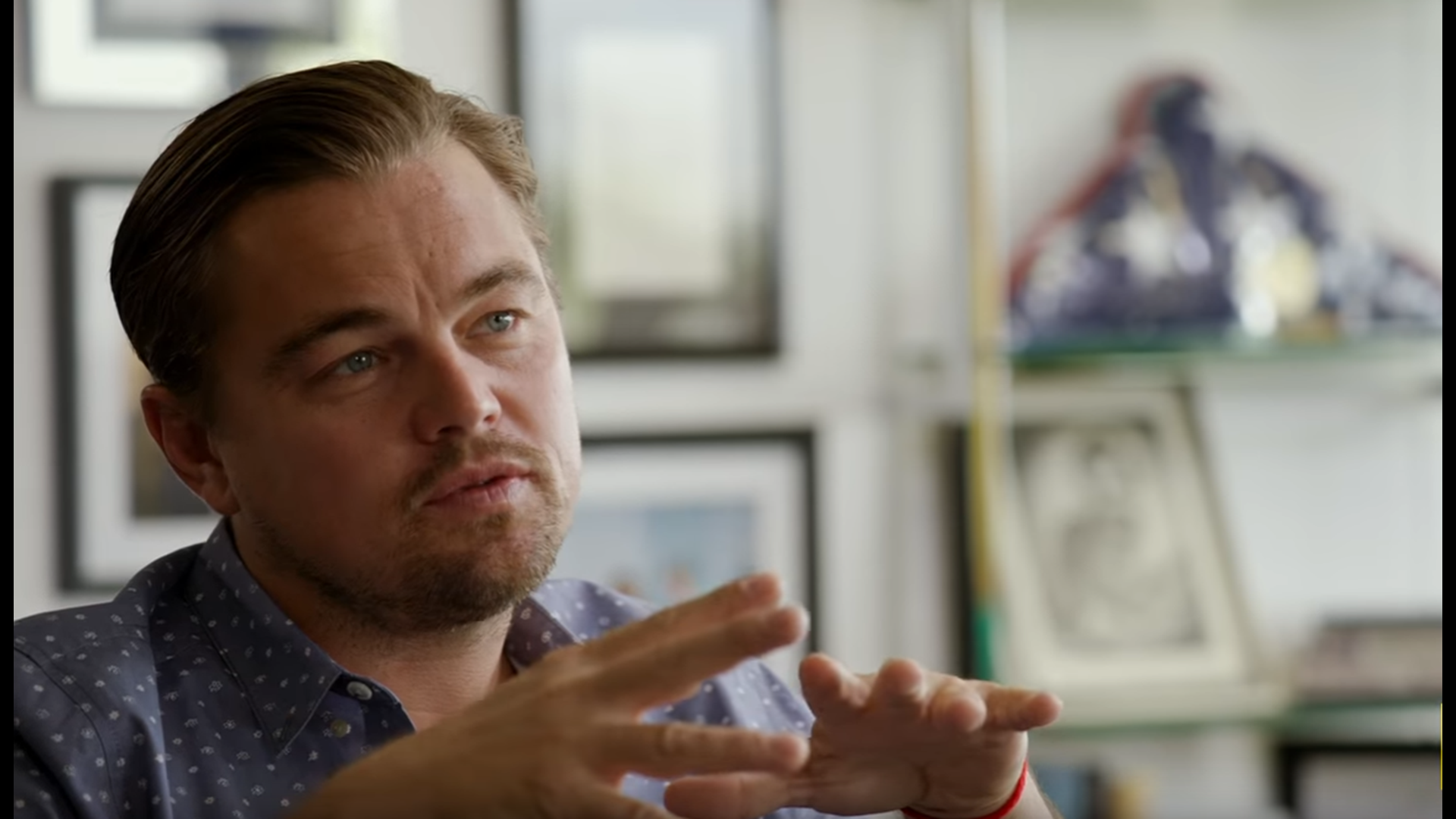
Leonardo DiCaprio’s Definitive Documentary on Climate Change: Examining Before the Flood
When people search for a Leonardo DiCaprio movie about climate change, they are almost universally referring to Before the Flood, a feature-length documentary released in 2016. Directed by Fisher Stevens and produced alongside heavywei...
When people search for a Leonardo DiCaprio movie about climate change, they are almost universally referring to Before the Flood, a feature-length documentary released in 2016. Directed by Fisher Stevens and produced alongside heavyweights like Martin Scorsese, the film serves as both a sweeping global diagnostic of ecological degradation and a personal chronicle of DiCaprio’s multi-year tenure as a United Nations Messenger of Peace. Rather than functioning as a standard nature film, it operates as an urgent cinematic journalism piece designed to bring complex environmental science, geopolitical roadblocks, and industrial economics into the mainstream cultural conversation.
Contents
The Genesis and Core Purpose of Before the Flood
To understand the impact of this specific Leonardo DiCaprio movie about climate change, one must examine the context of its production. Commissioned by National Geographic and distributed widely across digital and broadcast platforms free of charge upon its release, the project was conceptualized not as a profitable box-office venture, but as an educational and advocacy tool. DiCaprio spent upwards of three years traveling to remote corners of the globe—from the burning rainforests of Sumatra and the melting glaciers of the Canadian Arctic to the rising sea levels in Kiribati and the smog-choked metropolises of Beijing.
The primary objective of the film is to expose the systemic mechanisms driving global warming while interviewing key figures who shape environmental policy and scientific consensus. DiCaprio serves as a surrogate for the everyday viewer, asking fundamental questions of scientists, political leaders, and industrialists. By grounding global climate metrics into tangible human experiences, the documentary bridges the gap between abstract atmospheric data and lived reality.
Key Locations and Scientific Encounters Documented in the Film
The narrative structure of Before the Flood relies heavily on visual evidence gathered across diverse global ecosystems. Each location visited by DiCaprio highlights a specific facet of the broader climate crisis, creating a multi-layered case study on planetary stress.
- The Canadian Arctic (Baffin Island): Witnessing firsthand the rapid retreat of glacial ice, DiCaprio speaks with climatologist Dr. Jason Box, who demonstrates how drastically the Arctic ice cap has diminished over preceding decades. This section establishes the baseline reality of warming temperatures and the disruption of planetary albedo effects.
- Sumatra, Indonesia: The documentary exposes the devastating environmental toll of palm oil plantations, which require clear-cutting and burning ancient rainforests. Here, the film illustrates how consumer goods and industrial agriculture destroy vital carbon sinks while endangering indigenous species like the Sumatran orangutan.
- Beijing, China: As the world's then-largest emitter of greenhouse gases, China provides a complex case study. DiCaprio examines both the staggering human health costs of heavy coal reliance and the rapid, aggressive state-led transition toward massive solar and wind infrastructure.
- Miami, Florida: Highlighting domestic climate impacts in the United States, the film explores how rising sea levels routinely flood coastal streets, requiring municipal governments to spend millions of dollars raising roads and installing expensive drainage pumps just to maintain daily commerce.
Core Arguments: Fossil Fuels, Economics, and Policy
Beyond illustrating environmental damage, the documentary delves deeply into the socioeconomic and political architectures that perpetuate the climate crisis. A central thesis of the film is that reliance on fossil fuels is propped up not by a lack of alternative technologies, but by entrenched financial interests and political lobbying.
The film prominently features economist and environmental theorist Jeremy Rifkin, who articulates the vision of a "Third Industrial Revolution" powered by renewable energy grids and decentralized energy storage. Furthermore, the documentary highlights the role of the carbon tax as a market-based mechanism to internalize the hidden costs of pollution. By forcing corporations to pay for their greenhouse gas emissions, a carbon tax theoretically shifts economic incentives away from coal, oil, and gas, and toward clean energy development.
| Core Subject | Status / Real-World Mechanism | Primary Obstacle Highlighted |
|---|---|---|
| Fossil Fuel Subsidies | Trillions in global public support | Political lobbying & entrenched power |
| Carbon Pricing | Taxing emissions to shift economics | Partisan gridlock & industry pushback |
| Renewable Infrastructure | Solar, wind, and storage expansion | Capital investment & grid modernizing |
| Tropical Deforestation | Clearing carbon sinks for agriculture | Global supply chain consumption |
Critical Reception and Public Impact
Upon its release in October 2016, Before the Flood received generally favorable reviews from film critics and environmental advocates alike. Reviewers noted that while DiCaprio’s presence as an actor and celebrity occasionally injected an overt Hollywood tone into a serious scientific subject, his genuine curiosity and earnest dedication grounded the narrative.
Crucially, the film achieved unprecedented digital distribution. National Geographic made the feature available to stream for free across platforms like YouTube, Facebook, Twitter, and television networks globally during its initial launch window. This accessibility strategy allowed the documentary to amass tens of millions of views within days, making it one of the most widely watched environmental documentaries in history. Educators frequently utilize the film in high school and university classrooms as an accessible primer on global climate policy, geopolitical dynamics, and energy economics.
Alternative and Related Environmental Projects
While Before the Flood is the most prominent Leonardo DiCaprio movie about climate change, it forms part of a broader body of environmental activism and film production by the actor. Viewers seeking related works within DiCaprio's filmography often look toward several complementary titles:
- The 11th Hour (2007): Co-written, narrated, and produced by DiCaprio, this earlier documentary explores the state of the global natural environment and examines potential solutions through interviews with over 50 leading scientists, thinkers, and activists, including Mikhail Gorbachev and Stephen Hawking.
- Ice on Fire (2019): Directed by Leila Conners and narrated by DiCaprio, this HBO documentary focuses on modern scientific breakthroughs designed to diminish carbon in the atmosphere, highlighting both mitigation efforts and geo-sequestration technologies.
- Sea of Shadows (2019): Executive produced by DiCaprio through his Appian Way Productions banner, this investigative documentary follows conservationists, journalists, and the Mexican Navy attempting to save the critically endangered vaquita porpoise from illegal fishing cartels in the Gulf of California.
Frequently Asked Questions
What is the title of the Leonardo DiCaprio climate change documentary?
The primary film is Before the Flood, released in 2016. It documents DiCaprio's global travels as a UN Messenger of Peace to examine the accelerating impacts of climate change and interview leaders on energy policy.
Where can I watch Before the Flood?
The documentary has seen wide distribution across various streaming services, digital storefronts, and educational platforms since its initial free-window release by National Geographic. Availability fluctuates by region, but it is frequently hosted on platforms like Disney+, YouTube, and Apple TV.
Who directed Before the Flood?
The film was directed by Fisher Stevens, an accomplished actor, director, and producer known for his work on environmental documentaries, including the Academy Award-winning The Cove.
Does Leonardo DiCaprio have other environmental films?
Yes. Beyond Before the Flood, DiCaprio has produced and narrated The 11th Hour (2007) and Ice on Fire (2019), both of which focus heavily on global warming, ecological collapse, and emerging technological solutions.
Is Before the Flood suitable for classroom use?
The film is widely utilized in middle school, high school, and college classrooms as an educational resource. Educators often pair it with discussion prompts regarding global economics, environmental science, and international climate agreements like the Paris Accord, which features prominently in the film's concluding acts.
Final Recommendation and Next Actions
For viewers seeking a comprehensive, visually striking, and accessible introduction to the politics and science of global warming, Before the Flood remains the definitive entry point in Leonardo DiCaprio’s cinematic output. To maximize the value of viewing the film, audiences should pair it with foundational reading on current international climate frameworks, such as reports from the Intergovernmental Panel on Climate Change (IPCC), to understand how the global scientific consensus has evolved in the years following the film's production.
Image Gallery