Understanding Life Insurance Riders: How Optional Add-Ons Customize Your Policy
Life insurance riders are optional provisions or riders attached to a base life insurance policy that expand its coverage, adjust payout rules, or provide living benefits. By paying an additional premium or meeting specific qualificati...
Life insurance riders are optional provisions or riders attached to a base life insurance policy that expand its coverage, adjust payout rules, or provide living benefits. By paying an additional premium or meeting specific qualifications, policyholders can customize standard term or permanent policies to address specific medical, financial, or family risks.
Contents
What Are Life Insurance Riders?
A standard life insurance policy pays a designated death benefit to beneficiaries upon the insured individual's death. However, standard policies operate under structured, fixed parameters that may not address every financial vulnerability an individual or family faces over time. Life insurance riders act as supplementary contractual endorsements that modify the base policy's standard terms.
Riders allow policyholders to tailor an individual policy to their specific life situation without taking out multiple standalone insurance products. Most riders are selected during the initial application and underwriting process, although certain endorsements can be added later depending on carrier guidelines and the policyholder's health status.
While some basic riders—such as terminal illness accelerated death benefit riders—are included by default in modern policy contracts at minimal or no additional charge, most functional riders require an extra ongoing premium fee. Understanding how riders function, what risks they mitigate, and how they alter the policy's underlying economics ensures that applicants buy protection that aligns with their overall financial strategy.
Categorizing the Most Common Life Insurance Riders
Life insurance riders fall into four major functional categories: living benefit enhancements, premium protection options, coverage expansion features, and supplemental payout riders.
1. Living Benefit and Health-Related Riders
Living benefit riders permit the policyholder to access a portion of the policy's death benefit while still alive under specific qualifying health circumstances.
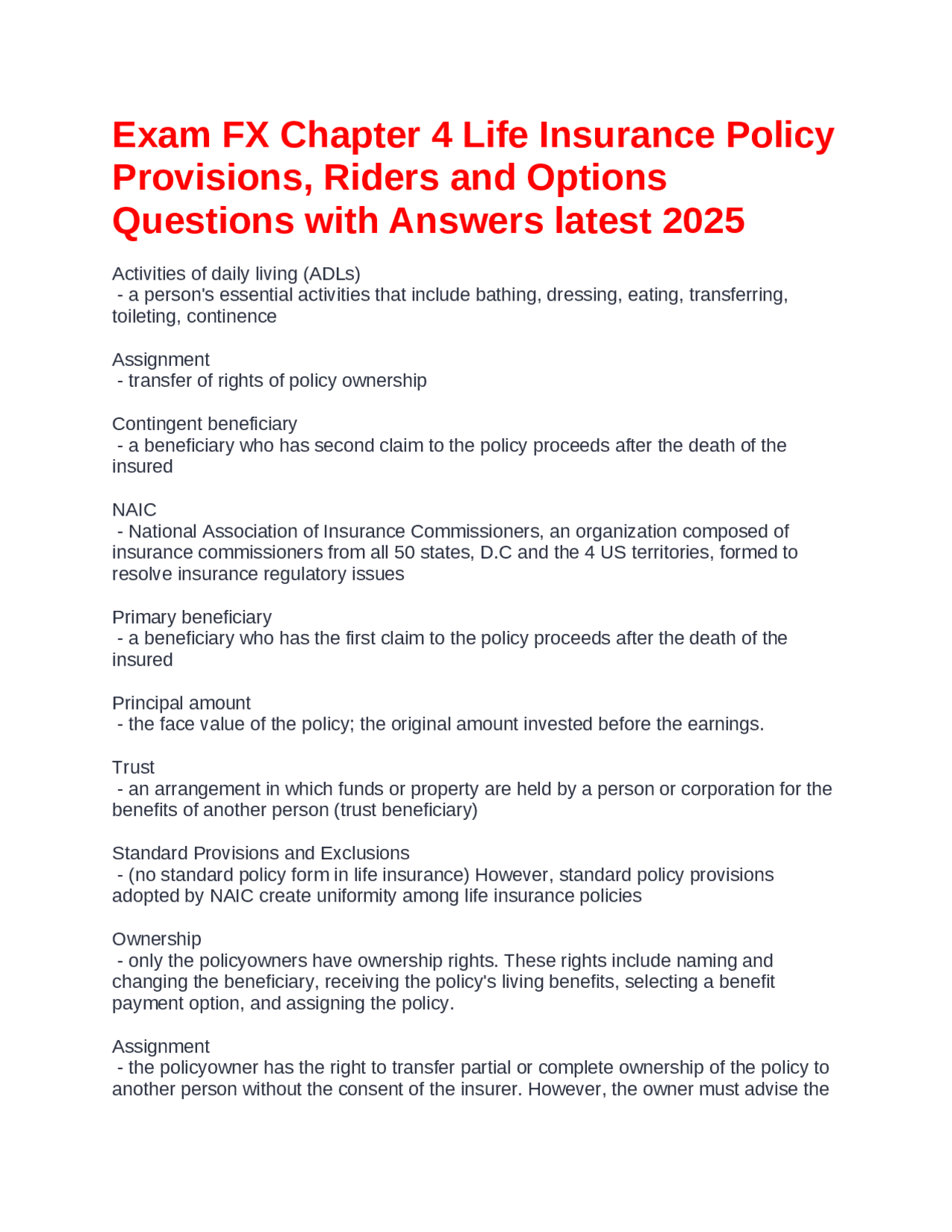
- Accelerated Death Benefit (ADB) Rider: Allows a terminally ill policyholder (typically diagnosed with 12 to 24 months or less to live) to receive a portion of the policy’s face value advance tax-free. These funds can pay for final medical treatments, comfort care, or personal expenses. Any amount accessed during life reduces the death benefit paid to beneficiaries upon death.
- Critical Illness Rider: Pays a lump-sum advance if the insured is diagnosed with a specific medical condition listed in the contract, such as invasive cancer, stroke, major organ failure, or heart attack.
- Chronic Illness and Long-Term Care (LTC) Riders: Provide periodic payouts or monthly reimbursements if the insured becomes unable to perform at least two of six Activities of Daily Living (ADLs)—such as bathing, dressing, eating, transferring, toileting, and maintaining continence—or suffers severe cognitive impairment.
2. Premium Protection and Disability Riders
These riders safeguard the policy against lapse if the insured experiences unforeseen loss of income due to severe injury or long-term disability.
- Waiver of Premium Rider: Suspends base policy premium payments if the insured becomes totally disabled and unable to work, while keeping the full death benefit and cash value accumulation active. Most policies enforce a six-month waiting period before premiums are waived, often retroactively reimbursing premiums paid during those six months once disability is established.
- Disability Income Rider: Pays a direct, monthly income stream to the policyholder if they suffer a total disability that prevents gainful employment. The benefit amount is generally calculated as a small percentage of the policy’s total face amount.
3. Coverage Expansion and Family Riders
Coverage expansion riders allow policyholders to scale protection up or down as family structures or financial commitments evolve.
- Guaranteed Insurability Rider (GIR): Grants the right to purchase additional life insurance coverage at specific age intervals (such as ages 25, 28, 31, 34, 37, and 40) or after major life events (such as marriage, childbirth, or adoption) without undergoing medical underwriting or proving evidence of insurability.
- Child Term Rider: Extends term life insurance coverage to current and future dependent children under a single rider fee. These riders usually cover children until they reach age 18, 21, or 25, at which point the policy often allows conversion into a permanent standalone policy without health checks.
- Spouse Term Rider: Provides temporary term coverage for a spouse under the primary insured’s master policy, offering an alternative to purchasing an entirely separate policy.
4. Enhanced Payout Riders
These options adjust or supplement the final payout received by policyholders or their beneficiaries.
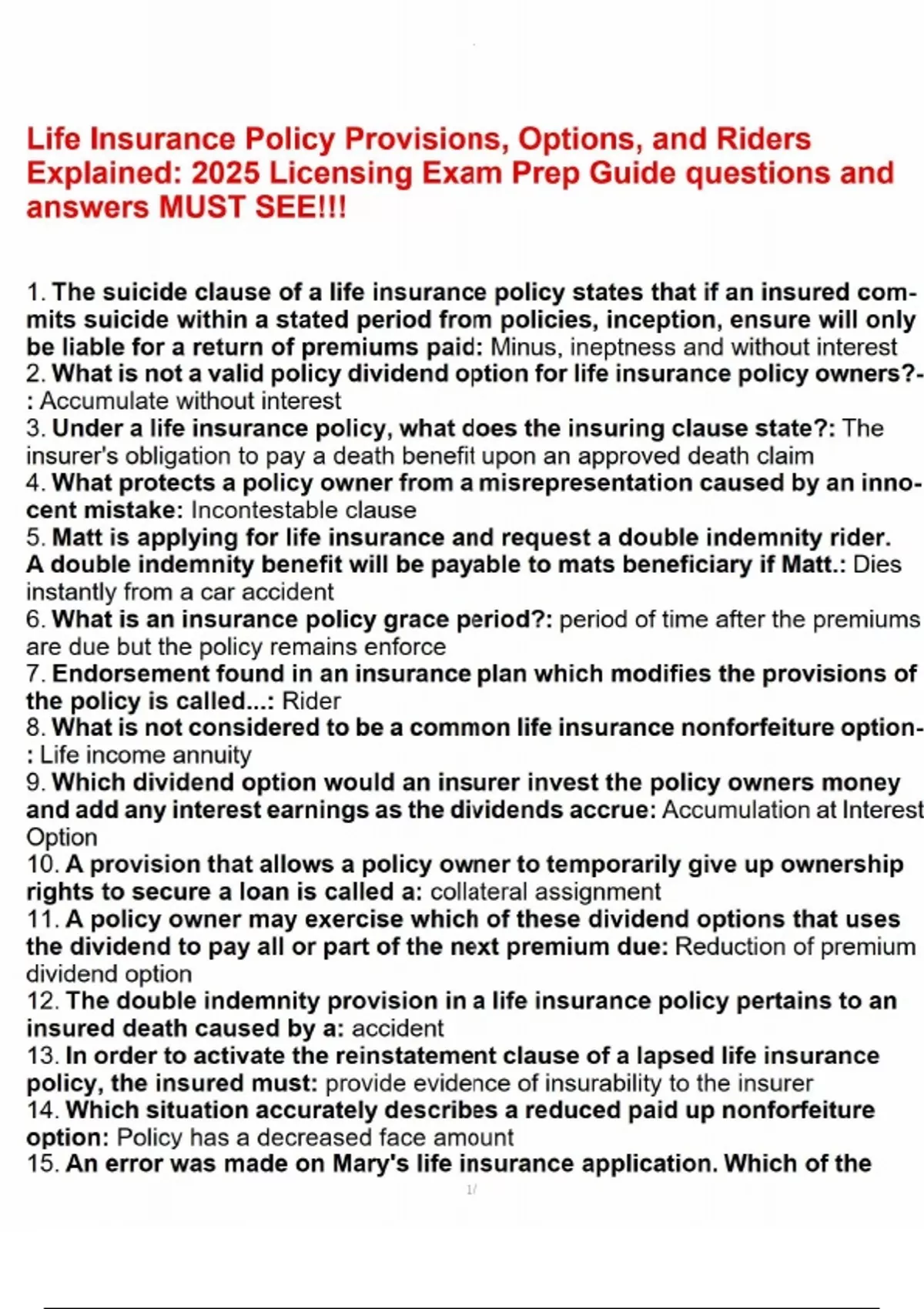
- Accidental Death and Dismemberment (AD&D) Rider: Often called a "double indemnity" rider, this provision pays an additional benefit—frequently double the base coverage amount—if the insured dies directly as a result of a qualifying accident. Partial payouts may apply for severe injuries such as loss of limbs or eyesight.
- Return of Premium (ROP) Rider: Available primarily on term life policies, this rider refunds all cumulative premiums paid over the life of the term if the policyholder survives the term period. While attractive, ROP riders significantly increase the policy’s monthly base premium.
Summary Comparison of Popular Insurance Riders
The table below outlines common riders, their primary financial benefits, typical cost structures, and ideal user profiles:
| Rider Name | Core Function / Benefit | Typical Cost Structure | Ideal Candidate |
|---|---|---|---|
| Accelerated Death Benefit | Advances face value upon terminal diagnosis | Built-in or low nominal fee; administrative charge upon exercise | All policyholders seeking emergency liquidity during end-of-life care |
| Waiver of Premium | Covers policy premiums during total disability | Moderate ongoing addition to base premium (5%–10% of premium) | Single earners or primary income providers without separate disability insurance |
| Guaranteed Insurability | Allows extra coverage purchases without medical exams | Low to moderate fee based on age at issue | Young adults starting careers, planning families, or with family medical risks |
| Long-Term Care / Chronic Illness | Pays for nursing home, assisted living, or home care | High relative cost; varies by age and coverage limits | Individuals seeking an alternative to standalone long-term care policies |
| Child Term Rider | Provides modest death benefit for dependent children | Low, flat administrative fee covering all eligible children | Families seeking basic coverage for burial expenses and future conversion rights |
| Return of Premium (ROP) | Refunds total premiums if insured survives the term | Very high increase to baseline term premium (50%–100%+ extra) | Risk-averse buyers who prioritize money-back guarantees over maximum yield |
Evaluating the Pros and Cons of Optional Policy Riders
Adding riders to a life insurance contract provides substantial customization, but policyholders must weigh structural advantages against real financial costs.
- Base Life Insurance Policy
- Functional Pros
- Tailored Risk
- Living Access
- Simplified Sub.
- Trade-Offs & Costs
- Higher Premiums
- Complex Terms
- Death Benefit Reductions
- Functional Pros
Strategic Advantages
- Tailored Financial Protection: Standard policies focus exclusively on death benefits. Riders adapt policies to real-world risks like disability, critical diagnoses, or nursing home care.
- Cost Efficiency Relative to Standalone Policies: Adding a long-term care or child term rider to an existing contract is often significantly cheaper than underwriting standalone insurance policies for each separate risk.
- Future Insurability Safeguards: Options like guaranteed insurability riders lock in the ability to buy more protection later, protecting applicants against future chronic diseases or severe injuries that could make them uninsurable.
- Access to Living Funds: Chronic and terminal illness riders remove the requirement that an insured person must die for their policy to deliver tangible financial relief to the household.
Trade-Offs and Disadvantages
- Increased Premium Burdens: Every optional rider increases the ongoing recurring cost of the policy. Accumulating multiple riders can cause policy premiums to become unmanageable over time, risking policy lapse.
- Death Benefit Reduction: Exercising living benefits or accelerated death riders directly reduces the remaining death benefit paid out to primary beneficiaries, potentially underfunding intended family protections.
- Strict Qualification Requirements: Claims for waiver of premium or chronic illness riders are subject to strict contractual definitions, waiting periods (elimination periods), and medical certifications.
- Coverage Overlap: Policyholders may pay for riders that duplicate protections already provided by employer-sponsored disability plans, health insurance, or existing umbrella policies.
How to Select the Right Riders for Your Financial Plan
Choosing appropriate riders requires assessing individual risk factors, family health histories, and long-term financial objectives.
Step 1: Audit Existing Coverage Gaps
Review existing employee benefits, private disability coverage, and health insurance policies. If your employer provides robust group short-term and long-term disability coverage, paying extra for an individual policy disability income rider may create unnecessary overlap. Conversely, if you lack income protection, a waiver of premium rider is a vital safeguard.
Step 2: Evaluate Family Health History
If your family has a history of early-onset heart disease, cancer, or degenerative disorders, riders that address chronic or critical illnesses provide clear value. Furthermore, a guaranteed insurability rider ensures that younger policyholders can increase coverage later in life, even if health issues emerge.
Step 3: Analyze the Full Cost-Benefit Ratio
Always request policy illustrations showing the annual premium with and without specific riders. Compare the marginal cost of the rider against alternative uses of those funds—such as investing the savings into a tax-advantaged account or purchasing a dedicated standalone policy.
Step 4: Verify Contractual Restrictions and Rules
Carefully inspect definition thresholds within rider documents. For instance, examine whether a disability waiver defines disability as the inability to perform "your own occupation" or "any gainful occupation." The distinction significantly alters how easily claims are approved.
Frequently Asked Questions
Can life insurance riders be added to an existing policy after issuance?
Certain riders, such as child term or guaranteed insurability riders, can sometimes be added after policy issue subject to carrier approval and medical evidence. However, most functional riders—including long-term care and waiver of premium riders—must be selected during the original underwriting process when the master policy is issued.
Are life insurance rider payouts subject to federal income tax?
In general, accelerated death benefits and living benefits paid due to terminal illness or long-term care qualifying criteria receive favorable tax treatment under Internal Revenue Code Section 101(g) and are typically exempt from federal income tax. However, specific daily reimbursement caps or payout limits apply, so consulting a tax professional is recommended.
What happens to a child term rider when the child reaches the age limit?
When a covered child reaches the rider's maximum age limit (typically age 18, 21, or 25 depending on the policy terms), the rider terminates. Most carriers offer a conversion option allowing the child to convert their rider coverage into a permanent individual policy up to five times the original face value without providing evidence of good health.
How does exercising an accelerated death benefit affect beneficiaries?
When a policyholder accelerates a portion of the policy's death benefit to pay for terminal or critical illness care, the carrier deducts the accelerated payout (plus any small administrative fee or accrued interest) from the total face amount. Upon the policyholder's death, the named beneficiaries receive the remaining balance of the original death benefit.
Is a return of premium rider worth the extra expense?
For most policyholders, return of premium (ROP) riders are inefficient. ROP provisions significantly increase base monthly premiums, often by 50% to 100% or more. Financial planners frequently advise purchasing a standard term policy and investing the cost difference in market index funds, which historically yields better net returns over a 20-to-30-year timeframe.
Practical Recommendations
When structuring a life insurance policy, treat riders as strategic enhancements rather than mandatory add-ons.
- Prioritize Core Death Benefit: Ensure the underlying base policy provides sufficient death benefit coverage to meet your family's core needs (e.g., mortgage payoff, income replacement, debt clearance) before spending funds on secondary riders.
- Include Low-Cost Core Safeguards: Accept built-in terminal illness accelerated death benefits and strongly consider adding a waiver of premium rider if your budget permits.
- Work with Independent Brokers: Independent insurance advisors can run multi-carrier quotes to compare how different insurance companies price specific riders, ensuring you secure optimal coverage at competitive rates.
Disclaimer: Insurance rules, rider provisions, tax implications, and statutory requirements vary by jurisdiction and carrier guidelines. This material is provided for educational purposes only. Individuals should consult a licensed financial advisor, insurance producer, or tax specialist prior to purchasing or modifying an insurance policy.
Image Gallery