Why Popping Blackheads Is Medically Discouraged and How to Manage Them Safely
Popping blackheads—clinically known as open comedones—is a common practice that carries significant risks of skin trauma, secondary bacterial infection, and permanent scarring. Instead of manual extraction, dermatological standards for...
Popping blackheads—clinically known as open comedones—is a common practice that carries significant risks of skin trauma, secondary bacterial infection, and permanent scarring. Instead of manual extraction, dermatological standards for 2026 emphasize the use of topical retinoids, chemical exfoliants, and professional-grade pore clearance to safely address the underlying cause of sebum oxidation.
Contents
The Pathophysiology of Open Comedones
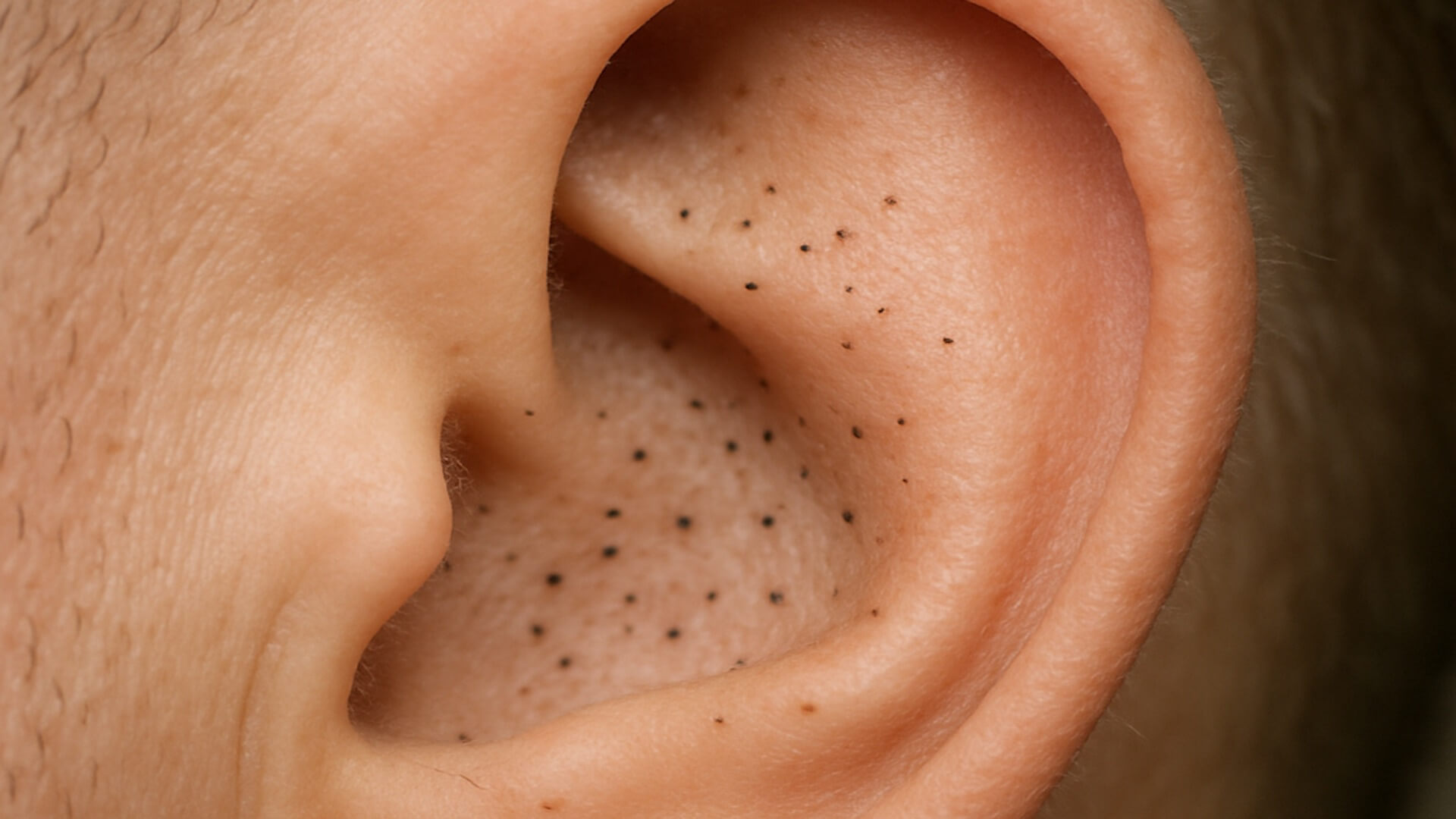
To understand why manual extraction is often counterproductive, one must first recognize the biological nature of a blackhead. A blackhead is not trapped dirt; it is a follicle that has become plugged with a mixture of sebum (oil) and dead skin cells (keratinocytes). As the pore remains open to the surface, the melanin within the sebum oxidizes upon exposure to air, resulting in the characteristic dark coloration.
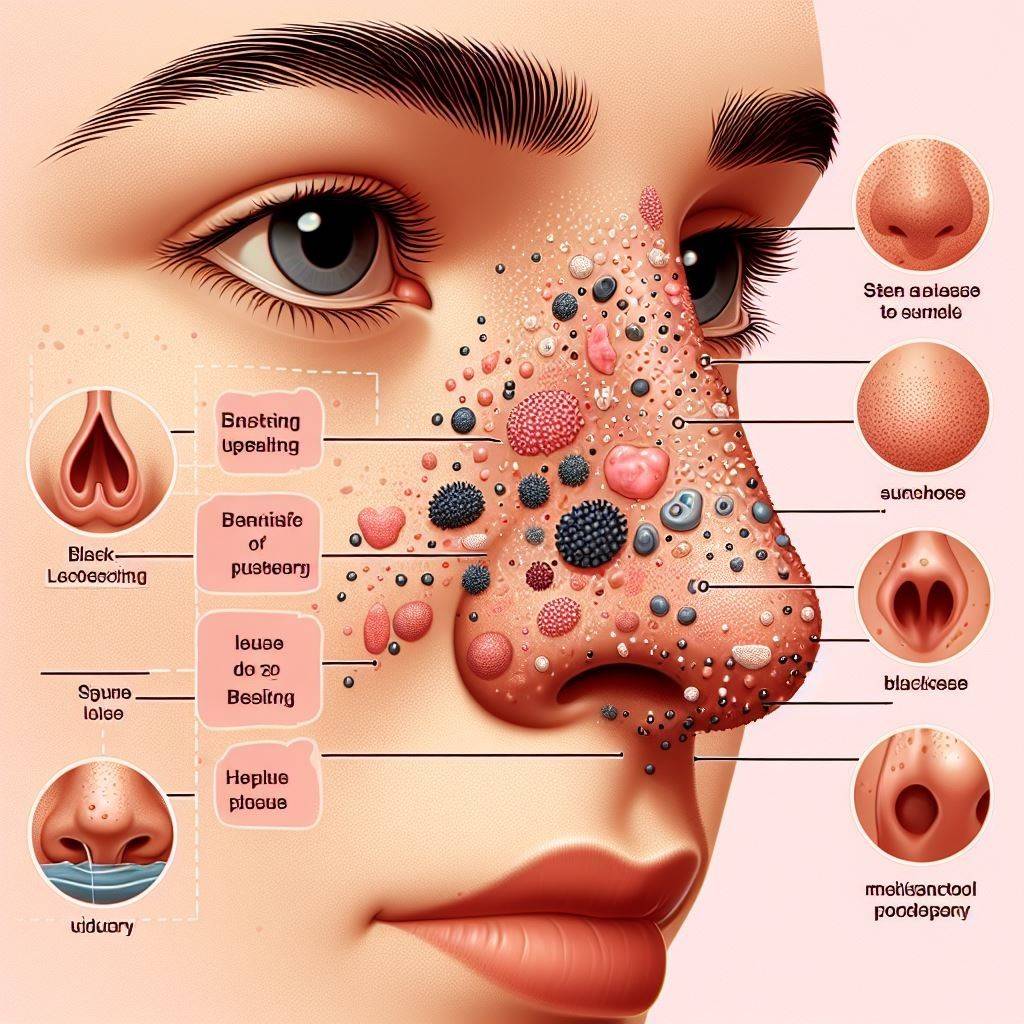
The structural integrity of the follicle wall is surprisingly fragile. When pressure is applied to "pop" the lesion, the wall can rupture beneath the skin's surface. This releases debris, bacteria, and inflammatory mediators into the surrounding dermis, which frequently triggers a more severe inflammatory response, turning a non-inflamed comedone into a painful, deep-seated papule or pustule.
Risks Associated with Manual Extraction
Attempting to force the contents of a pore out of the skin often results in damage that far outweighs the temporary aesthetic gain. Clinical risks include:
- Dermal Scarring: Applying concentrated pressure can result in pitted or ice-pick scars that are difficult to correct without laser resurfacing.
- Post-Inflammatory Hyperpigmentation (PIH): Especially in skin types III through VI on the Fitzpatrick scale, physical trauma frequently leaves behind dark marks that can persist for months or even years.
- Secondary Infection: Human hands carry myriad bacteria. Introducing these pathogens into an open follicle can lead to localized cellulitis or the development of a furuncle (boil).
- Increased Pore Size: Chronic stretching of the pore lining can lead to permanent dilation, making the follicle more prone to recurring blockages.
Clinical Comparison: Manual Extraction vs. Modern Treatment Approaches
| Method | Mechanism of Action | Risk Profile | Long-term Efficacy |
|---|---|---|---|
| Manual Extraction | Physical mechanical force | High: Scarring, infection | Low: High recurrence rate |
| Topical Retinoids | Increases cell turnover rate | Low: Potential irritation | High: Prevents future blockages |
| Salicylic Acid (BHA) | Lipophilic oil-soluble exfoliation | Low: Drying effect | High: Clears deep pore lining |
| Professional Facials | Licensed tool use & suction | Moderate: Sterile environment | Moderate: Temporary relief |
Evidence-Based Alternatives for 2026
Dermatology in 2026 leans heavily toward preventative maintenance rather than reactive extraction. The goal is to regulate sebum production and accelerate cellular desquamation so that pores do not become obstructed in the first place.
The Role of Topical Retinoids
Retinoids, including Adapalene, Tretinoin, and newer trifarotene formulations, remain the gold standard. They function by normalizing the shedding process of the follicular epithelium. By preventing the adhesion of dead skin cells within the pore, they ensure that sebum can flow freely to the skin surface, thereby eliminating the environment required for blackhead formation.
Chemical Exfoliation Protocols
Beta-hydroxy acids (BHAs), specifically salicylic acid, are uniquely effective because they are oil-soluble. Unlike alpha-hydroxy acids (AHAs), which primarily work on the surface of the skin, salicylic acid can penetrate into the lipid layers of the pore. Using a 2% salicylic acid leave-on treatment or cleanser two to three times weekly is a standard dermatological recommendation for managing chronic comedonal acne.
Professional Intervention
If OTC treatments prove insufficient, board-certified dermatologists offer medical-grade interventions. These include:
- Chemical Peels: Utilizing glycolic or salicylic acid solutions to lift away the top layers of debris.
- Hydrafacial or Similar Technologies: Utilizing vortex-fusion suction to clear pores in a controlled, sterile, and non-traumatic manner.
- Extraction by Licensed Estheticians: Using specialized lancets under strict sterile conditions—a process vastly different from at-home squeezing.
Frequently Asked Questions
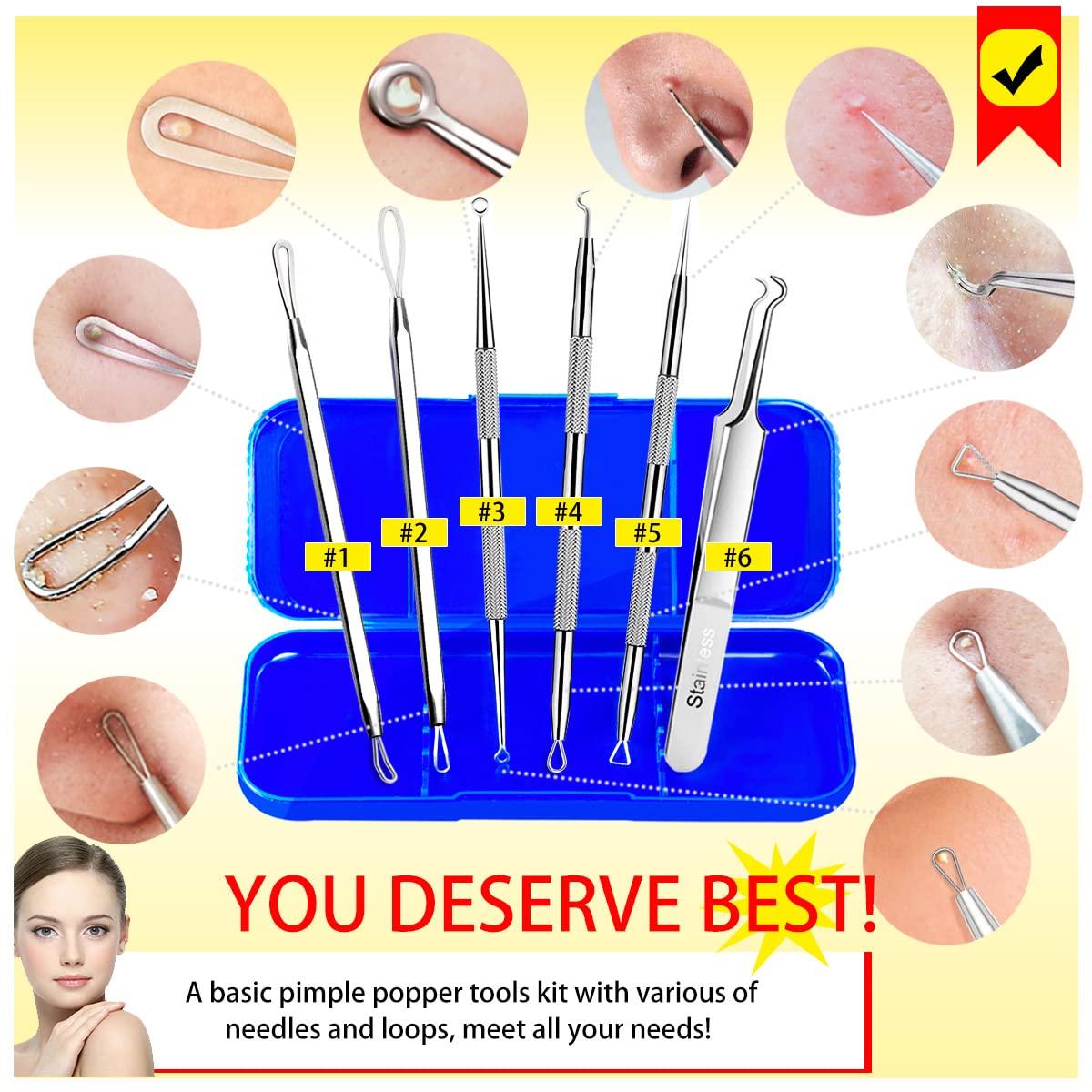
Is it ever safe to pop a blackhead at home? Generally, no. Dermatologists advise against it because the risk of infection and permanent tissue damage is high. If you must remove a stubborn plug, use a sterile comedone extractor tool only after a warm compress has softened the skin, and never apply force if the material does not release easily.
Do pore strips actually remove blackheads? Pore strips often remove the top surface of the oxidized sebum but fail to address the root of the blockage. They can also cause mechanical irritation, tearing the surface of the skin and potentially damaging small surface capillaries, especially for those with sensitive skin.
Can diet influence the development of blackheads? Research suggests that high-glycemic index foods and dairy intake may correlate with increased sebum production in some individuals. While diet is not the sole cause, maintaining stable blood sugar levels can help in managing overall acne severity.
How long does it take for skincare to clear blackheads? Consistency is essential. Because the skin’s cycle of renewal takes approximately 28 to 40 days, you should expect to see significant improvements in pore clarity after 8 to 12 weeks of consistent, nightly use of topical retinoids or BHA treatments.
Integrating Professional Care
If your blackheads are persistent, widespread, or accompanied by painful, inflamed acne, you may be dealing with a form of acne vulgaris that requires a prescription-strength approach. Consulting a board-certified dermatologist allows for an assessment of your skin barrier health and the exclusion of other follicular disorders, such as sebaceous hyperplasia or syringomas, which may look like blackheads but require different medical management.
When visiting a dermatology practice in 2026, ensure the provider is board-certified. Ask for a personalized plan that prioritizes the health of your skin barrier, as over-treatment with harsh drying agents can often trigger a compensatory increase in oil production, further worsening the condition.
Image Gallery