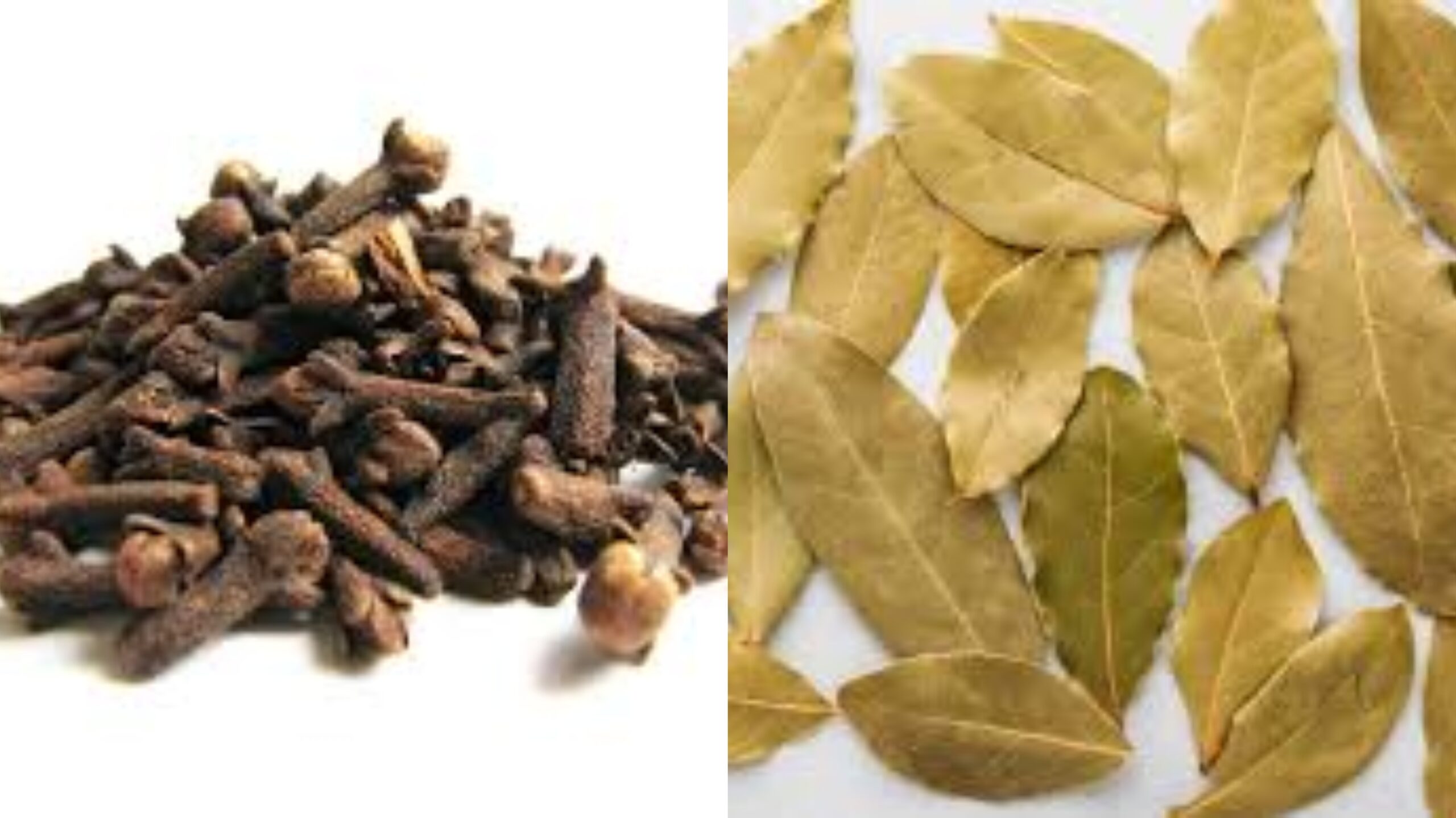
Comprehensive Guide to Bay Leaf Benefits and Side Effects in 2026
Bay leaves, derived primarily from the aromatic evergreen tree Laurus nobilis, offer notable culinary and therapeutic properties while carrying specific safety considerations when consumed improperly. This comprehensive 2026 guide exam...
Bay leaves, derived primarily from the aromatic evergreen tree Laurus nobilis, offer notable culinary and therapeutic properties while carrying specific safety considerations when consumed improperly. This comprehensive 2026 guide examines the biochemical profile, physiological advantages, potential adverse reactions, and safe culinary applications of bay leaves.
Contents
Understanding the Botanical Profile and Active Compounds of Bay Leaves
The bay leaf has served as both a traditional remedy and a kitchen staple for centuries. Belonging to the Lauraceae family, Laurus nobilis produces leaves rich in essential oils, volatile compounds, and various phytonutrients. Modern botanical and nutritional analyses reveal that the medicinal and aromatic characteristics of bay leaves stem from a complex matrix of organic constituents.
When evaluated through standard nutritional frameworks, dried bay leaves contain minor amounts of vitamins A, C, and B-complex, alongside essential minerals such as iron, calcium, magnesium, and potassium. However, because they are typically used to flavor stocks, soups, and stews and are often removed before consumption, their primary physiological impact arises from the extraction of their volatile oils during cooking.
Key biochemical constituents include:
- Eucalyptol (1,8-cineole): The dominant volatile compound accounting for up to 50% of the essential oil content, known for its distinct aroma and respiratory-supporting properties.
- Linalool: A terpene alcohol contributing sedative, stress-relieving, and antimicrobial characteristics.
- Eugenol: A phenylpropanoid with documented antiseptic and local anesthetic properties.
- Sesquiterpene Lactones: Compounds that contribute to the bitter taste profile and exhibit potential anti-inflammatory activity.
- Polyphenols and Flavonoids: Potent antioxidants that neutralize free radicals and help mitigate cellular oxidative stress.
Key Health Benefits Associated with Regular Consumption
Integrating bay leaves into a balanced diet through culinary preparation yields several evidence-informed health advantages. While whole leaves are rarely eaten directly due to their leathery texture and sharp edges, infusing them into broths and long-simmering dishes allows these beneficial compounds to enter the diet safely.
Metabolic Support and Blood Sugar Regulation
Clinical observations and laboratory studies suggest that bay leaves may assist individuals managing type 2 diabetes. The presence of polyphenols enhances insulin receptor function, improving cellular glucose uptake. Regular inclusion of ground bay leaves in controlled trials has demonstrated favorable trends in lowering fasting blood glucose, total cholesterol, and triglyceride levels.
Gastrointestinal and Digestive Enhancement
Traditional herbal medicine relies heavily on bay leaves to soothe digestive complaints, and modern understanding supports this usage. The organic compounds present in the leaves stimulate digestive secretions, reduce flatulence, and prevent toxic fermentation in the gut. Furthermore, specific enzymes found in bay leaves help break down complex proteins efficiently, minimizing post-meal bloating and indigestion.
Respiratory Relief and Antimicrobial Action
Because eucalyptol and eugenol possess strong antimicrobial and expectorant properties, steam inhalation infused with bay leaf essential oil or boiling water containing the leaves can help clear nasal passages. These compounds inhibit the proliferation of certain bacteria and fungi, offering localized relief from upper respiratory tract congestion.
Inflammation and Joint Comfort
Chronic low-grade inflammation underlies numerous modern health conditions. The sesquiterpene lactones and unique phytonutrients in bay leaves inhibit the production of inflammatory cytokines like tumor necrosis factor-alpha (TNF-alpha), providing mild natural relief for arthritic discomfort and sore muscles when utilized in topical oils or internal decoctions.
Potential Side Effects, Risks, and Contraindications
Despite their natural origin, bay leaves are potent botanical agents that can trigger adverse reactions if misused, consumed in excessive quantities, or if incorrect species are selected.
| Risk Category | Specific Concern | Mechanism or Trigger | Recommended Precaution |
|---|---|---|---|
| Gastrointestinal Trauma | Internal scratching or obstruction | Swallowing whole, rigid, dried leaves. | Always remove whole leaves from dishes before serving; use ground powder in precise measurements. |
| Allergic Reactions | Contact dermatitis or respiratory irritation | Sensitivity to sesquiterpene lactones or specific essential oils. | Avoid handling or consuming if a known allergy to Lauraceae family plants exists. |
| Surgical Complications | Slowed central nervous system activity | Interaction with anesthesia and sedatives during or after surgery. | Cease therapeutic consumption of bay leaf extracts at least two weeks prior to scheduled procedures. |
| Toxicity via Misidentification | Severe poisoning | Substituting edible bay (Laurus nobilis) with toxic lookalikes like cherry laurel (Prunus laurocerasus). | Source dried leaves exclusively from reputable spice merchants and verify botanical nomenclature. |
Risks of Swallowing Whole Leaves
The most common immediate physical danger associated with bay leaves is mechanical injury. Dried bay leaves retain a rigid, sharp structure that does not soften appreciably during cooking. If swallowed whole, a leaf can lodge in the throat or puncture the mucosal lining of the esophagus or intestinal tract, requiring medical intervention.
Drug Interactions and Hormonal Effects
Bay leaves can influence blood sugar levels and central nervous system activity. Individuals taking oral hypoglycemic medications or insulin must monitor their glucose levels closely to avoid hypoglycemic episodes. Similarly, because bay leaves exert a mild sedative effect, combining them with prescription sedatives or muscle relaxants can lead to excessive drowsiness.
Comparison of Edible Bay Leaves Versus Toxic Lookalikes
Proper identification is paramount when sourcing or foraging for bay leaves. The culinary variety (Laurus nobilis) is entirely safe when utilized correctly, whereas several ornamental plants share similar common names but contain lethal cyanogenic glycosides.
| Feature / Characteristic | True Bay Leaf (Laurus nobilis) | California Bay (Umbellularia californica) | Cherry Laurel (Prunus laurocerasus) |
|---|---|---|---|
| Toxicity Level | Safe for culinary use in standard amounts. | Safe in moderation, but significantly more potent oil content. | Highly toxic; contains cyanide-producing compounds. |
| Aroma Profile | Subtly floral, herbal, slightly medicinal with hints of oregano and thyme. | Extremely pungent, camphor-heavy, capable of causing headaches. | Faintly cherry-like or bitter almond scent when crushed. |
| Leaf Morphology | Elliptic, smooth-margined, dark green upper surface, pale underside. | Lance-shaped, longer, thinner, highly aromatic when crushed. | Broad, glossy, bright green with serrated or smooth edges. |
| Culinary Suitability | Standard global spice for long-cooking dishes. | Usable with extreme caution in reduced quantities. | Unfit for consumption; strictly ornamental. |
Safe Preparation Guidelines and Practical Culinary Usage
Maximizing the benefits of bay leaves while mitigating toxicity risks requires proper kitchen techniques. Adhering to these practical guidelines ensures safe culinary experiences.
- Inspection: Always inspect dried leaves before adding them to a pot. Discard any leaves that are severely crumbled, moldy, or lacking a characteristic herbal aroma.
- Timing: Add whole bay leaves early in the cooking process—such as at the beginning of simmering a soup, stew, or braise—to allow the heat-stable volatile oils to disperse evenly throughout the liquid.
- Removal: Count the number of whole leaves added to a recipe and remove the exact same number before plating or serving the meal.
- Milling: If utilizing ground bay leaf powder in spice rubs or custom seasoning blends, use a food-grade scale or measuring spoon. Limit consumption to fractional teaspoon amounts per serving to prevent mucosal irritation.
- Storage: Keep dried bay leaves in airtight glass containers stored in a cool, dark, dry pantry away from direct sunlight to preserve volatile oil integrity for up to twelve months.
Frequently Asked Questions
Can you eat a whole bay leaf safely?
No, whole bay leaves should never be eaten directly. Their tough, leathery texture does not break down during digestion, posing a choking hazard and a risk of internal tissue damage from sharp edges.
Do bay leaves actually lower blood sugar levels?
Yes, clinical studies indicate that regular consumption of bay leaf compounds can improve insulin sensitivity and support healthier fasting blood glucose levels in people managing type 2 diabetes. However, they should complement, not replace, prescribed medical treatments.
How many bay leaves should be used in a standard recipe?
For most family-sized soups, stews, or pots of grains, one to two dried bay leaves are sufficient to impart depth of flavor without overpowering the dish or introducing excess essential oils.
Are fresh bay leaves better than dried ones?
Fresh bay leaves possess a significantly stronger, more medicinal, and sharper flavor profile due to higher concentrations of eucalyptol, whereas dried leaves offer a more mellow, nuanced, herbal complexity that blends smoothly into slow-cooked recipes.
What should I do if someone accidentally swallows a whole bay leaf?
If a whole bay leaf is swallowed without issue and no choking or severe pain occurs, monitor the individual closely for any localized throat discomfort or abdominal pain, and consult a healthcare professional if unusual symptoms develop.
Maximizing Culinary and Therapeutic Safety
Incorporating bay leaves into daily nutrition offers an accessible way to harness minor metabolic, digestive, and anti-inflammatory advantages. By respecting their botanical potency, verifying accurate species identification, and consistently removing whole leaves prior to consumption, individuals can enjoy the rich flavor profile and traditional wellness properties of Laurus nobilis safely and effectively.
Image Gallery