Why the 4 Non Blondes Cover Matters: Legacy, Impact, and Cultural Resonant Versions
The 4 Non Blondes cover matters because it bridges 1970s classic rock heritage with 1990s alternative rock raw vocal power, while simultaneously proving how a single song can transcend generations through reimagined renditions. Whether...
The 4 Non Blondes cover matters because it bridges 1970s classic rock heritage with 1990s alternative rock raw vocal power, while simultaneously proving how a single song can transcend generations through reimagined renditions. Whether examining 4 Non Blondes' iconic 1995 cover of Led Zeppelin’s "Misty Mountain Hop" or the endless cover versions of their own mega-hit "What's Up?", these recordings redefine genre boundaries and vocal performance standards.
Contents
Understanding the Dual Cultural Impact of 4 Non Blondes Covers
When discussing why the 4 Non Blondes cover matters, music historians and alternative rock fans typically look at two distinct yet interconnected phenomena: the band’s own studio cover recordings during the mid-1990s, and the global ecosystem of artists who have covered 4 Non Blondes’ signature anthem, "What's Up?".
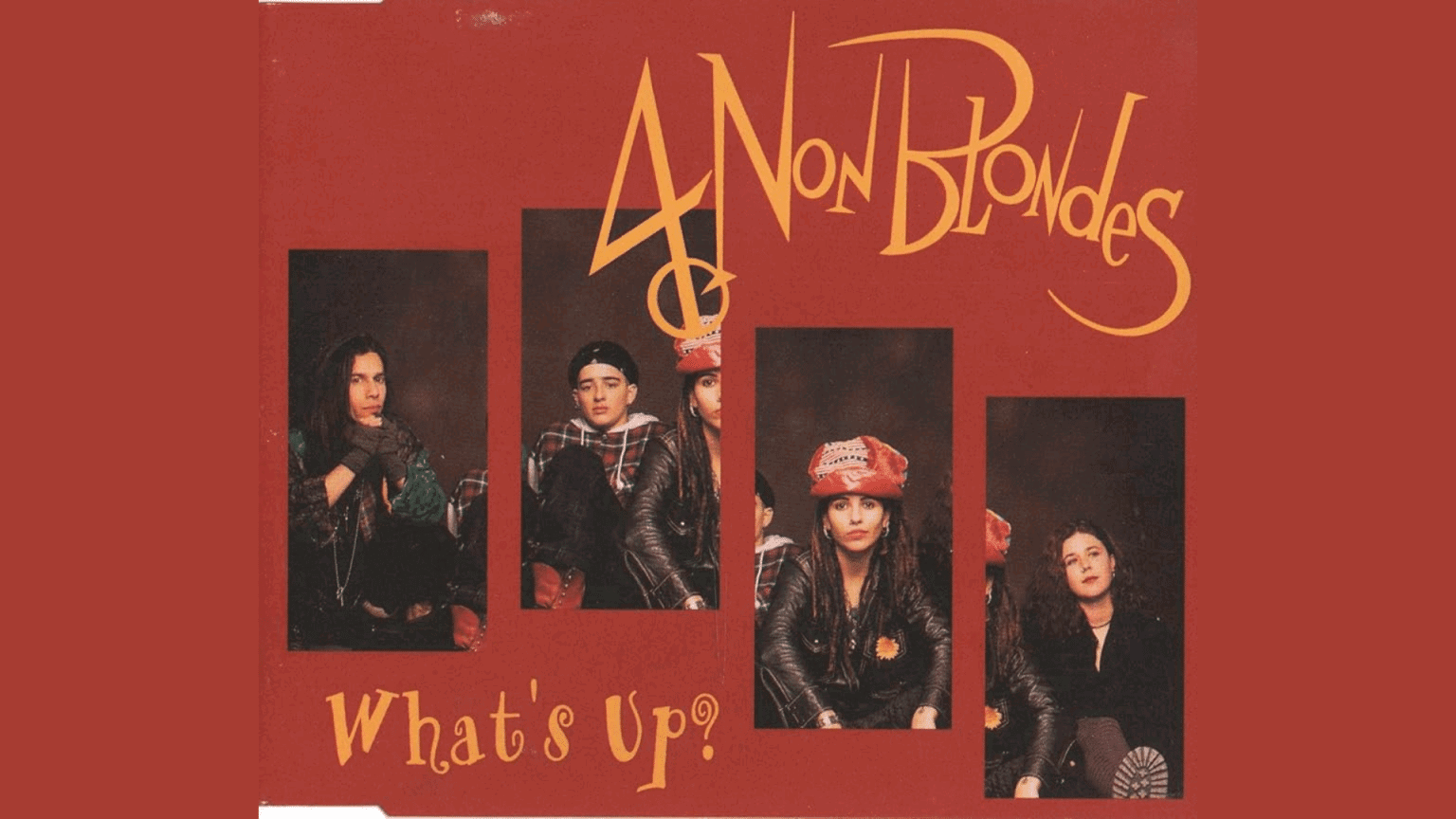
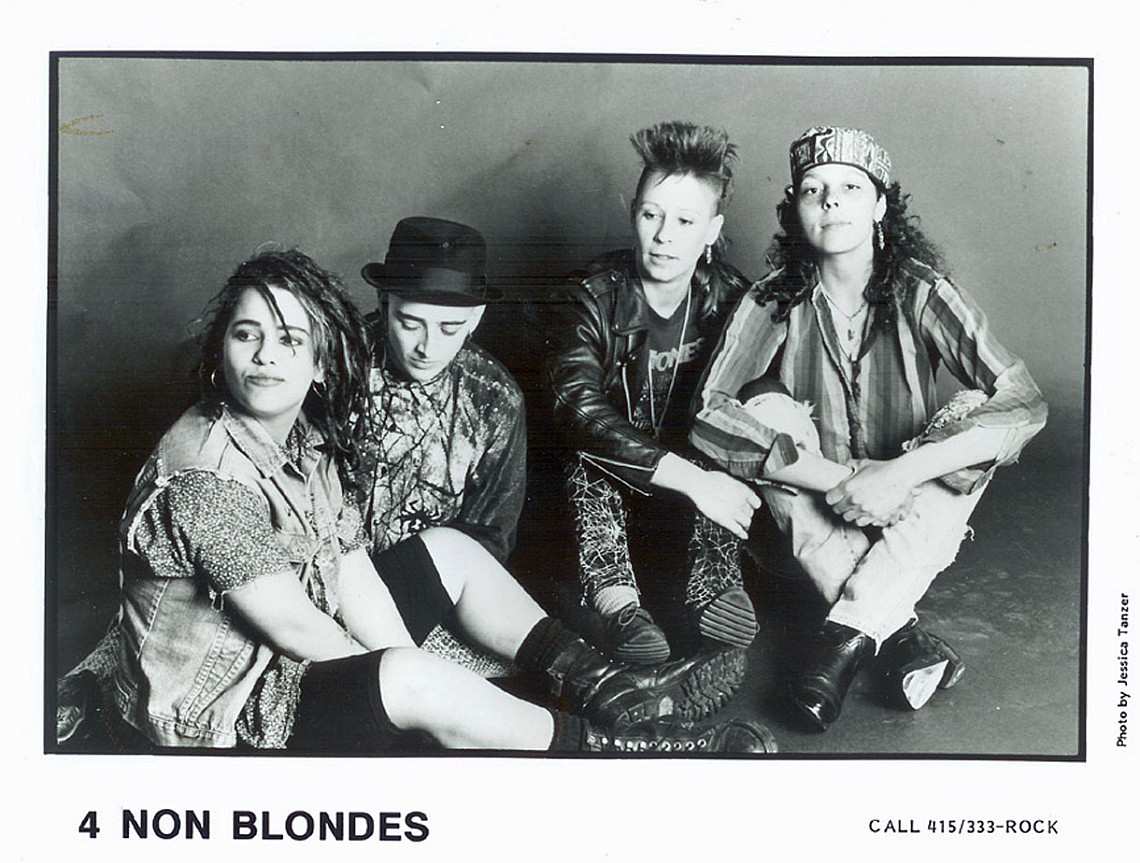
Fronted by singer-songwriter Linda Perry, 4 Non Blondes emerged from the San Francisco bay area alternative scene in the early 1990s. While their sole studio album, Bigger, Better, Faster, More! (1992), established their commercial presence, their work on high-profile tribute albums and soundtrack covers demonstrated an unusual ability to honor classic rock arrangements while imbuing them with raw, blues-infused alternative grunge energy.
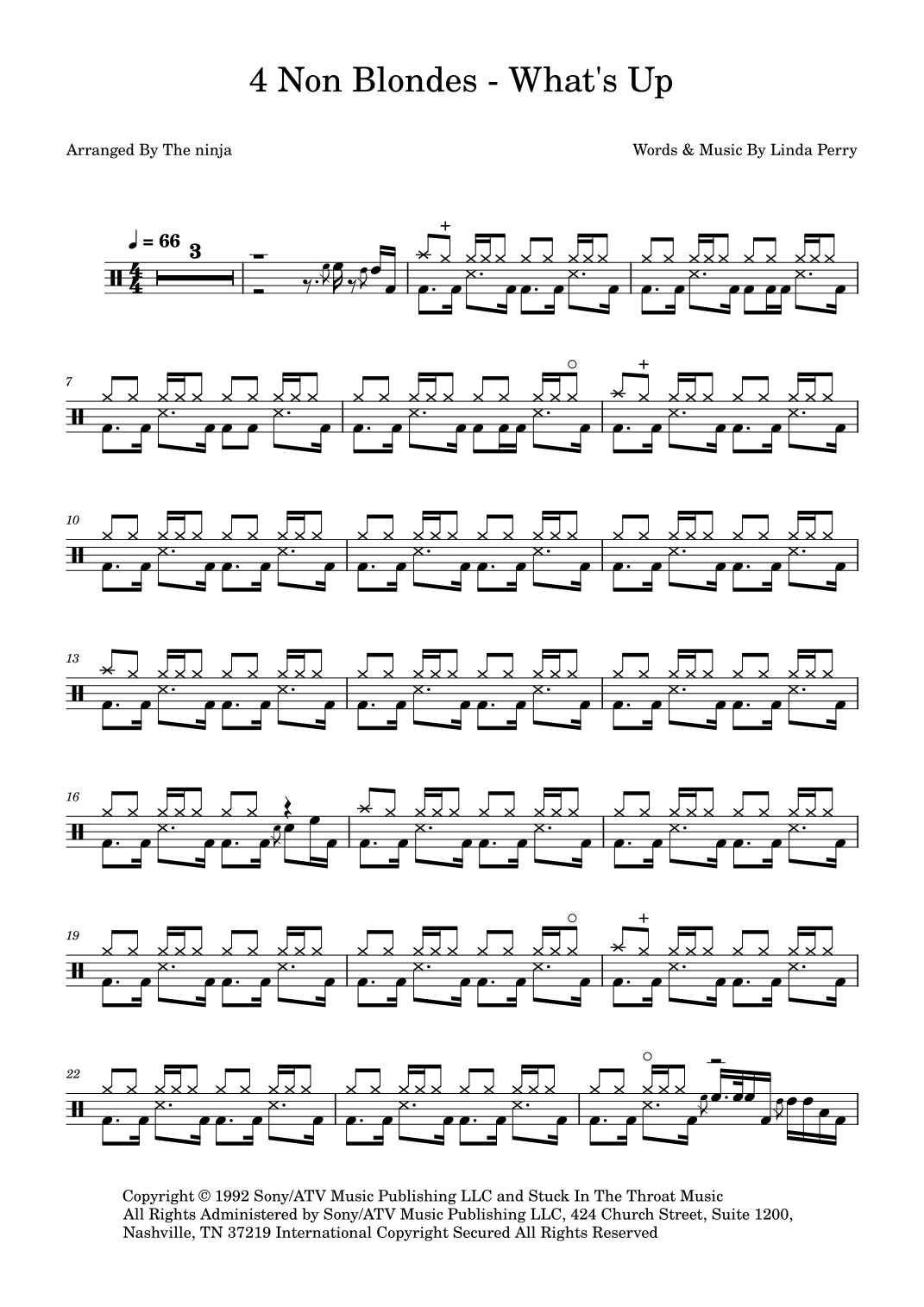
Conversely, "What's Up?"—written entirely by Linda Perry—became one of the most covered, reinterpreted, and sampled tracks of the late 20th and early 21st centuries. From stadium-pop reinterpretations to viral digital animation phenomena, the song's cover history reveals how a simple acoustic chord progression combined with universal existential angst can adapt to virtually any musical genre.
4 Non Blondes’ Definitive Cover: "Misty Mountain Hop"
The primary studio cover recorded by 4 Non Blondes that captured critical attention was their rendition of Led Zeppelin's "Misty Mountain Hop." Released in March 1995 on Atlantic Records' tribute album Encomium: A Tribute to Led Zeppelin, the track stands out as one of the final official studio recordings by the band before their eventual breakup.
vocal Technique and Vocalist Linda Perry’s Delivery
Led Zeppelin's original 1971 recording from Led Zeppelin IV relied heavily on John Paul Jones' electric piano groove and Robert Plant's rhythmically syncopated, playful vocal cadence. 4 Non Blondes approached the track by leaning into heavy blues-rock guitar dynamics and Perry’s distinctive, untamed vocal belting.
- Dynamic Range: Perry transitions seamlessly from conversational low-register verses to full-throated, gravelly high belts that mirror the vocal intensity of classic 1970s rock vocalists like Janis Joplin and Robert Plant.
- Instrumentation: Guitarist Roger Rocha and bassist Christa Hillhouse grounded the track in mid-90s alternative rock production, replacing the airy psychedelic swing of the original with a punchy, driving rhythm section.
- Critical Reception: Members of Led Zeppelin, including Robert Plant and Jimmy Page, publicly expressed admiration for tribute projects that did not merely copy their work note-for-note. 4 Non Blondes' version was widely cited by contemporary reviewers as a standout cut on Encomium, reaching substantial airplay on U.S. Mainstream Rock and Modern Rock radio charts in 1995.
Historical Context of the Encomium Album
The mid-1990s represented the peak era for major-label tribute albums. Encomium featured alternative and hard rock giants of the decade, including Stone Temple Pilots, Blind Melon, Soundgarden's Chris Cornell, and Rollins Band. 4 Non Blondes' inclusion alongside these heavyweights demonstrated their standing in the rock ecosystem despite having only one full-length studio LP. Their cover of "Misty Mountain Hop" served as a bridge connecting the 1970s hard rock foundation to the female-fronted rock resurgence of the 1990s.
Other Notable Covers and Soundings by 4 Non Blondes
While "Misty Mountain Hop" remains their most famous official cover release, 4 Non Blondes recorded other significant reinterpretations and soundtrack contributions during their peak years between 1992 and 1995:
- "Working Class Hero" (John Lennon Cover): Recorded for the 1995 tribute album Working Class Hero: A Tribute to John Lennon, this track featured a stripped-down, emotionally intense arrangement. Linda Perry’s solitary vocal delivery highlighted the bleak political commentary of Lennon’s lyrics while infusing it with 90s acoustic grunge angst.
- "Mary's House" (Wayne's World 2 Soundtrack): Featured on the original soundtrack for the 1993 film Wayne's World 2, this original track demonstrated the band's penchant for classic 1970s hard rock riffs mixed with comedic, theatrical pop-culture sensibilities.
- "Superstar" (Live Renditions): During live performances in 1993 and 1994, the band frequently interpolated classical pop hits, including The Carpenters' "Superstar," converting delicate pop balladry into heavy, improvisational jam-rock.
The Reverse Legacy: High-Profile Covers of "What's Up?"
Understanding why the 4 Non Blondes cover ecosystem matters also requires examining how "What's Up?" became a benchmark cover song for modern artists across genres. Originally written by Linda Perry on a acoustic guitar in her San Francisco apartment, the song's straightforward G–Am–C–G chord progression makes it uniquely accessible for reinterpretation.
Original Progression: | G | Am | C | G | Vocal Style: Acoustic Folk-Rock -> Belted Rock Chorus Key Themes: Existential angst, hope, societal pressure
1. Pop and Rock Megastars Live Interpretations
Numerous major recording artists have integrated covers of "What's Up?" into their live sets and special recordings, demonstrating the song's emotional versatility:
- Lady Gaga: Frequently performs acoustic piano covers of "What's Up?" during live tours and festival sets, emphasizing the song's theatrical vocal dynamics and emotional intensity.
- Pink (Alecia Moore): Has regularly performed the song live, matching Linda Perry's original raspy, powerful vocal delivery while introducing modern pop-rock stadium arrangements.
- Dolly Parton: Included a reimagined country-rock duet cover of "What's Up?" featuring Linda Perry herself on Parton’s 2023 album Rockstar, proving the song's cross-generational appeal.
- Adam Lambert: Recorded an orchestral rock rendition for his 2023 cover album High Drama, showing how the song translates into glam-rock and theatrical pop.
2. Dance, Electronic, and EDM Remix Covers
"What's Up?" has experienced repeated revivals in European dance clubs and electronic music charts. Various DJs and electronic producers have re-recorded the vocal tracks or sampled Perry's iconic chorus ("And I say, HEY-EY-EY-EY-EY..."):
- DJ Miko (1993): Released a Eurodance cover of "What's Up?" just months after the original's release, reaching top 10 positions on charts across Europe and Australia.
- Discotheque and Techno Re-recordings: Throughout the 2000s and 2010s, house and trance producers frequently released updated covers, utilizing the explosive vocal crescendo of the chorus as a festival drop.
3. The Digital Era and Internet Culture
In 2005, animation collective Slackcircus created a video titled "Fabulous Secret Powers," which featured an animated version of He-Man singing a synth-pop cover of "What's Up?". The viral video—popularly known as "HEYYEYAAEYAAAEYAEYAA"—became one of the defining internet memes of the 2000s, generating hundreds of millions of views across video platforms. This satirical yet affectionate cover introduced the song to millions of Gen Z and millennial listeners who had not been alive during the band's initial 1990s radio run.
Comparative Breakdown: Key 4 Non Blondes Cover Performances and Adaptations
| Song Title | Performers | Release Year / Format | Genre / Style | Key Cultural Significance |
|---|---|---|---|---|
| "Misty Mountain Hop" | 4 Non Blondes | 1995 (Encomium Album) | Alternative Rock / Blues Rock | Standout Led Zeppelin cover; showcased Linda Perry's vocal belting; final studio era of the band. |
| "Working Class Hero" | 4 Non Blondes | 1995 (Lennon Tribute LP) | Acoustic Grunge / Folk Rock | Stripped-back political cover demonstrating emotional depth and minimalist arrangement. |
| "What's Up?" | DJ Miko | 1993 (Single) | Eurodance / Club | Proved the song's instant adaptability to international electronic dance floors within a year of release. |
| "What's Up?" (Live) | Lady Gaga | 2014–2024 (Live Shows) | Piano Ballad / Vocal Showpiece | Highlighted the song's vocal complexity and standing as a classic American songbook entry. |
| "HEYYEYAAEYAAAEYAEYAA" | Slackcircus (He-Man Meme) | 2005 (Digital Video / Remix) | Synth-Pop / Internet Culture | Internet cultural milestone; revitalized global awareness of the song for a new digital generation. |
| "What's Up?" | Dolly Parton feat. Linda Perry | 2023 (Rockstar LP) | Country-Rock / Classic Rock | Country Legend collaboration featuring original songwriter; cemented track in classic rock history. |
Why the Bigger, Better, Faster, More! Album Cover Art Matters
Beyond musical covers, visual discussions surrounding 4 Non Blondes often center on their iconic 1992 album artwork for Bigger, Better, Faster, More!. Designed during the height of the early 90s visual shift away from 80s glam metal, the album cover holds distinct aesthetic importance:
- Rejection of Manufactured Image: Unlike heavily stylized female pop acts of the late 80s, the cover art pictured the four band members in authentic, thrift-store-inspired, neo-Victorian and steampunk-adjacent attire.
- The Signature Top Hat: Linda Perry's iconic top hat, adorned with goggles and pins, became an instant visual shorthand for 1990s alternative counterculture.
- Visual Representation of Band Dynamics: The imagery emphasized a self-directed, unpolished aesthetic that reflected the band's refusal to conform to mainstream corporate record label expectations, setting a visual template for mid-90s female-fronted rock groups.
Practical Insights for Musicians and Producers
Analyzing the success of both 4 Non Blondes' covers and the covers made of their music yields actionable lessons for musicians, arrangers, and vocalists:
How to Cover a Classic Rock Track (The "Misty Mountain Hop" Model)
- Preserve the Core Groove, Alter the Texture: Retain the iconic bassline or chord movement that makes the original recognizable, but change the instrumentation (e.g., swapping electric piano for distorted 90s guitars).
- Commit Fully to Vocal Reinterpretation: Do not attempt to imitate the original singer tone-for-tone. Lean into your own vocal timbre and dynamic range.
- Modernize Production Values: Use contemporary drum tuning and mic placement techniques to make an older arrangement sound competitive alongside current radio releases.
How to Write a Song Built for Covers (The "What's Up?" Model)
- Keep the Chord Progression Universal: A simple three- or four-chord loop (like G–Am–C–G) allows artists in other genres (dance, country, pop) to easily reinterpret the harmonized background.
- Focus on a Melodic Anchor: Write a chorus hook that relies on open vowel sounds (like "Hey-ey-ey") that transcend language barriers and invite crowd sing-alongs.
- Build Dynamic Contrast: Structure the song so it begins softly (acoustic guitar/piano) and builds up to an explosive vocal climax, giving covering artists room to demonstrate emotional range.
Frequently Asked Questions
Did Led Zeppelin approve of 4 Non Blondes covering "Misty Mountain Hop"?
Yes. The track was officially licensed for the sanctioned 1995 tribute album Encomium: A Tribute to Led Zeppelin, released on Atlantic Records (Led Zeppelin's longtime label). Members of Led Zeppelin supported the compilation, which featured alternative rock interpretations of their catalog.
Why did 4 Non Blondes break up shortly after releasing their famous covers in 1995?
Frontwoman Linda Perry felt creatively constrained by the alternative pop-rock direction expected by the label following the massive success of "What's Up?". She left the group in late 1994/1995 to pursue a solo career and eventually became a legendary songwriter and producer for artists like P!nk, Christina Aguilera, and Gwen Stefani.
Is "What's Up?" by 4 Non Blondes itself a cover song?
No. "What's Up?" is an original composition written entirely by lead singer Linda Perry. However, because the title phrase "What's Up?" does not appear in the refrain (where Perry sings "What's going on?"), listeners sometimes confuse it with Marvin Gaye's "What's Going On" or mistake it for a cover of a classic 1970s folk song.
Why is the song called "What's Up?" if the lyrics say "What's Going On?"
The song was titled "What's Up?" to avoid confusion with Marvin Gaye's iconic 1971 Motown hit "What's Going On," which was already one of the most famous tracks in American popular music history.
Who owns the rights to 4 Non Blondes' cover recordings?
The master recordings for 4 Non Blondes' studio releases, including "Misty Mountain Hop" and Bigger, Better, Faster, More!, are owned by Interscope Records and Atlantic Records under Universal Music Group and Warner Music Group, while publishing rights for Linda Perry's original compositions are managed through her respective publishing entities.
Final Recommendation and Summary
The enduring legacy of the 4 Non Blondes cover ecosystem demonstrates that great songs and compelling reinterpretations exist in a continuous cultural feedback loop. For vocalists and bands performing today, studying 4 Non Blondes' 1995 cover of "Misty Mountain Hop" provides a masterclass in adapting classic hard rock to modern alternative arrangements without sacrificing original soul. Simultaneously, analyzing the wide array of covers of "What's Up?"—from Lady Gaga's piano ballads to Dolly Parton's country rock—proves that authentic songwriting combined with an explosive vocal hook creates timeless art capable of crossing every genre boundary.
Image Gallery