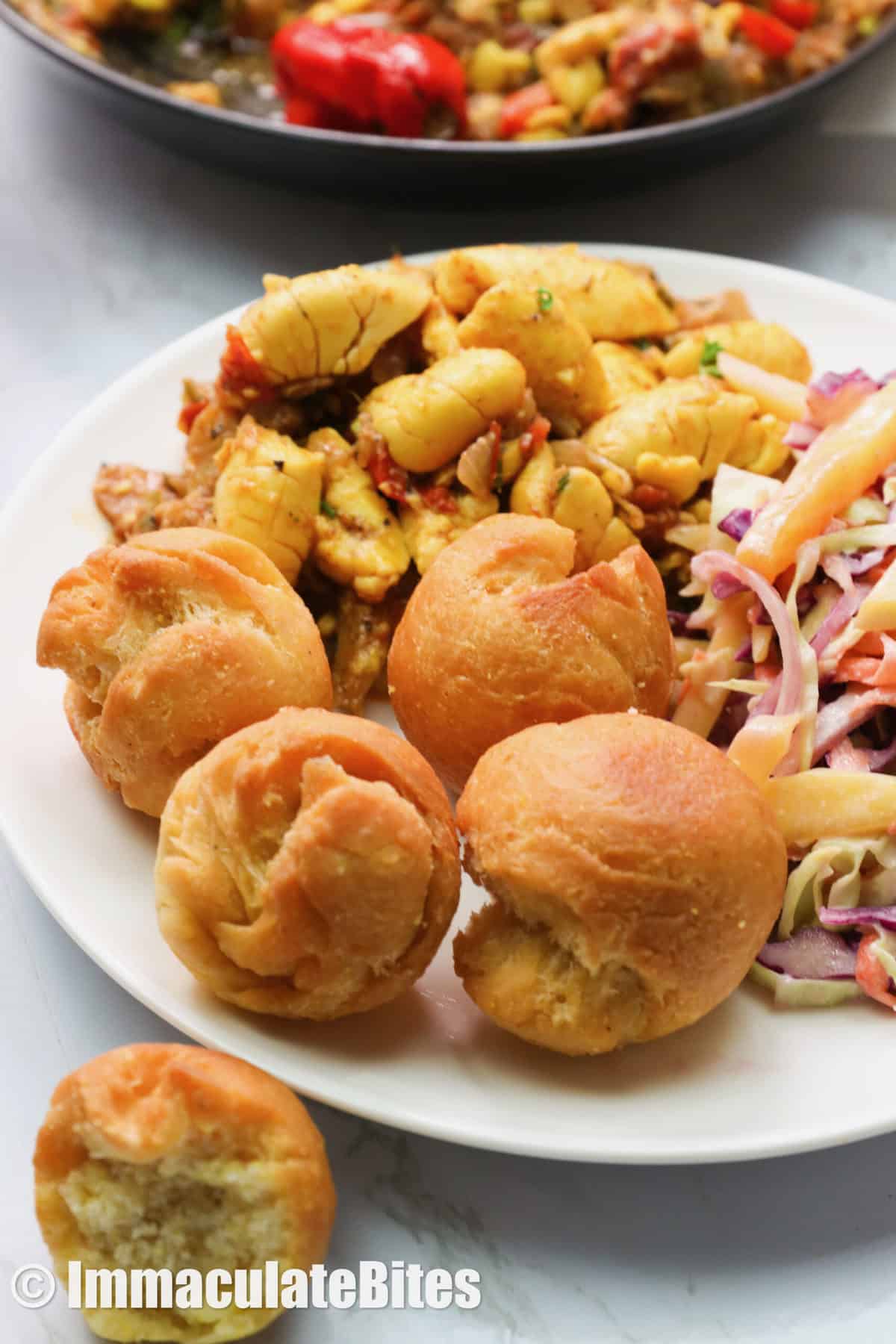
Authentic Jamaican Festival Dumplings Recipe: Crisp, Sweet, and Golden
Jamaican festival dumplings are iconic fried cornmeal street-food fritters featuring a crispy golden crust and a soft, subtly sweet interior. Made from a simple dough of all-purpose flour, fine yellow cornmeal, sugar, baking powder, bu...
Jamaican festival dumplings are iconic fried cornmeal street-food fritters featuring a crispy golden crust and a soft, subtly sweet interior. Made from a simple dough of all-purpose flour, fine yellow cornmeal, sugar, baking powder, butter, and milk, they are hand-shaped into elongated logs and deep-fried to complement savory jerk meats or escovitch fish.
Contents
Understanding the Authentic Jamaican Festival
In Jamaican culinary tradition, the festival dumpling (often referred to simply as a "festival") holds a revered position alongside jerk stands, roadside cookshops, and seaside fish shacks. While visitors frequently encounter them at famous coastal dining spots like Hellshire Beach near Kingston, these golden, torpedo-shaped fritters are a staple item served across the entire island.
To appreciate the festival dumpling, one must understand how it differs from other Caribbean fried breads:
- Jamaican Fried Dumplings ("Johnny Cakes"): Round, savory, and dense. Made primarily from flour, leavening, and salt without sugar or cornmeal.
- Jamaican Spinners: Long, slender, rolled dumplings cooked by boiling in soups, red pea stews, or curries to thicken the broth.
- Jamaican Festivals: Elongated, cylindrical spindles made with a combination of flour, fine yellow cornmeal, and granulated sugar. They are fried until golden brown, yielding a crunchy exterior that gives way to a light, pillowy, sweet crumb inside.
The interplay of subtle sweetness and crispy texture makes the festival an indispensable palate cleanser. When eaten alongside fiery, scotch-bonnet-heavy jerk chicken or tangy, vinegary escovitch fried fish, the mild sugar content of the dumpling cuts through intense spice and acidity, balancing the entire meal.
Essential Ingredients and Functional Chemistry
Crafting perfect festival dumplings requires a precise balance of dry ingredients, fat, and hydration. Substituting ingredients indiscriminately can alter the dough's moisture absorption rate, leading to heavy or oil-logged dumplings.
- DRY BASE INGREDIENTS
- All-Purpose Flour (Structure) + Fine Yellow Cornmeal (Crunch/Color)
- Granulated Sugar (Sweetness/Browning) + Baking Powder (Leavening)
- FAT & HYDRATION
- Cold Unsalted Butter (Tenderness) + Cold Milk or Water (Binder)
- THERMAL FRYING
- Deep/Shallow Frying in Neutral Oil (340°F–350°F / 170°C–175°C)
1. All-Purpose Flour
All-purpose flour provides the essential gluten matrix that traps carbon dioxide gases released by the leavening agent. This structure creates a soft, cohesive interior crumb while allowing the dough to expand without bursting during frying.
2. Fine Yellow Cornmeal
Cornmeal provides the signature yellow hue, slight corn flavor, and structural crunch that distinguishes festivals from standard fried dough. It is critical to use fine-ground yellow cornmeal. Coarse cornmeal or polenta will not absorb liquid quickly enough during the resting phase, resulting in a gritty, unpleasant texture.
3. Granulated Sugar
Sugar contributes sweetness and accelerates caramelization on the dough surface. This reaction produces the deep golden-brown exterior characteristic of authentic street-side festivals. White granulated sugar dissolves evenly, but light brown sugar can be substituted for subtle molassses notes.
4. Baking Powder & Salt
Baking powder serves as the primary chemical leavener, inflating the dough as it hits hot oil. A small portion of fine sea salt enhances the grain flavors and prevents the sugar from tasting cloying.
5. Fat (Butter or Margarine)
A small amount of cold butter or vegetable margarine cut into the dry ingredients coats the starch molecules. This limits excessive gluten development, yielding a tender, pillowy interior rather than a tough, rubbery dough.
6. Liquid Hydration
Cold milk, evaporated milk diluted with water, or pure ice water acts as the binding agent. Cold liquid keeps the butter fat solid until the dough hits the hot oil, ensuring maximum steam creation and interior fluffiness.
Ingredients & Ratio Reference Guide
The following standard measurements yield approximately 10 to 12 medium-sized festival dumplings.
| Ingredient | Standard Quantity | Primary Functional Role | Texture & Flavor Impact |
|---|---|---|---|
| All-Purpose Flour | 2 cups (250g) | Primary gluten framework | Soft crumb structure, dough body |
| Fine Yellow Cornmeal | 1/2 cup (75g) | Grain body & crunch provider | Crisp exterior shell, golden color |
| Granulated Sugar | 3 to 4 tbsp (35–45g) | Sweetener & browning driver | Mild sweet notes, rich caramelization |
| Baking Powder | 1 tbsp (12g) | Chemical leavening agent | Interior aeration, light crumb expansion |
| Salt | 1/2 tsp (3g) | Flavor balancer | Highlights grain sweetness, cuts flat taste |
| Ground Nutmeg or Vanilla | 1/4 tsp (Optional) | Traditional aromatic enhancer | Subtle warm background aroma |
| Cold Butter / Margarine | 2 tbsp (28g), cubed | Shortening fat agent | Softens interior, prevents tough chew |
| Cold Milk or Water | 3/4 cup to 1 cup (180–240ml) | Binding liquid agent | Hydrated dough consistency |
| Frying Oil | 2 to 3 cups (Neutral) | Thermal frying medium | Uniform exterior crust crisping |
Step-by-Step Jamaican Festival Recipe
Follow this step-by-step procedure to prepare, shape, and fry traditional Jamaican festival dumplings.
Step 1: Combine and Sift Dry Ingredients
In a large mixing bowl, combine the all-purpose flour, fine yellow cornmeal, granulated sugar, baking powder, salt, and optional ground nutmeg. Whisk the dry mixture vigorously for 30 seconds or pass it through a fine-mesh sieve. Sifting breaks up cornmeal clumps and ensures equal distribution of the baking powder.
Step 2: Cut in the Cold Fat
Add the cold, cubed butter or margarine to the dry ingredients. Using your fingertips, a pastry cutter, or two forks, work the fat into the flour mixture until it resembles coarse breadcrumbs with small, pea-sized bits of butter remaining. This process prevents the dough from developing a dense, gluey texture.
Step 3: Add Liquid and Knead Gently
Make a well in the center of the flour mixture. Pour in 3/4 cup of cold milk or water. Using a wooden spoon or your hands, gently draw the dry ingredients into the center until a soft dough begins to form.
If the dough appears dry and shaggy with loose flour at the bottom of the bowl, add remaining liquid one tablespoon at a time. The dough should be soft, pliable, and smooth without sticking aggressively to your fingers. Do not over-knead. Knead the dough gently in the bowl for only 1 to 2 minutes until fully cohesive.
Step 4: Rest the Dough
Cover the mixing bowl with a damp cloth or plastic wrap and allow the dough to rest at room temperature for 15 to 30 minutes. This resting period is critical: it allows the cornmeal grains to absorb moisture fully and relaxes the gluten network, making the dough easier to roll without springing back.
Step 5: Portion and Shape the Spindles
Divide the rested dough into 10 to 12 equal portions (roughly the size of a golf ball or small egg).
Lightly dust your hands with flour or rub a few drops of oil on your palms.
Roll a portion of dough between your palms into a smooth ball.
Gently roll the ball back and forth between your hands or against a clean cutting board to form an elongated, tapered log (spindle) about 4 to 5 inches long and 1 inch thick, tapering slightly at both ends.
DOUGH
Shape & Roll
FESTIVAL SPINDLE
Step 6: Fry to Golden Perfection
Pour high-smoke-point oil (vegetable, canola, or corn oil) into a heavy-bottomed skillet or Dutch oven to a depth of at least 1.5 to 2 inches. Heat the oil over medium heat until it reaches 340°F–350°F (170°C–175°C).
Carefully slide 4 to 5 shaped dumplings into the hot oil, taking care not to overcrowd the pan. Overcrowding drops the oil temperature sharply, causing the dough to absorb excessive oil.
Fry the dumplings for 6 to 8 minutes, turning them frequently with tongs or a slotted spoon so all sides brown evenly. The festivals will float and expand as they cook. Lower the flame slightly if the exterior browns too quickly before the center has fully cooked through.
Step 7: Drain and Serve Warm
Use a slotted spoon to transfer the fried festivals onto a wire rack set over a baking sheet or a plate lined with paper towels. Allow them to cool for 3 to 5 minutes before serving. Serve warm alongside your choice of main dish.
Pro Tips for Achieving Perfect Texture
Mastering the festival dumpling requires controlling dough hydration and frying temperatures:
- Monitor Oil Temperature Stiffly: If the oil temperature rises above 365°F (185°C), the high sugar content in the dough will cause the crust to darken rapidly while leaving the center raw and doughy. Conversely, if the temperature drops below 325°F (160°C), the dumplings will soak up frying oil and turn greasy.
- Avoid Overworking the Dough: Excessive kneading activates gluten proteins, resulting in tough, chewy dumplings instead of a tender crumb. Stop kneading as soon as no dry flour remains.
- Maintain Cold Liquids: Use cold milk or chilled water to keep the butter fat solid prior to frying. Solid fat pockets melt instantly upon hitting hot oil, creating microscopic air pockets that expand the interior crumb.
- Allow Adequate Rest Time: Never skip the 20-minute rest after mixing. Cornmeal absorbs water much slower than wheat flour; resting ensures the cornmeal softens thoroughly, eliminating grittiness.
Classic Jamaican Pairings and Serving Suggestions
In Jamaican culinary tradition, festivals are rarely eaten in isolation; they serve as a side dish for rich, seasoned, or spicy main courses.
TRADITIONAL PAIRING COMBINATIONS
Jerk Chicken / Jerk Pork: Sweet dough balances scotch bonnet
Escovitch Fried Fish: Crisp crust absorbs vinegary onion
Ackee & Saltfish: Rich, savory fruit pairs with bread
Peppered Shrimp / Curry: Neutralizes capsaicin spice burn
Jerk Chicken and Jerk Pork: The traditional companion to smoked, spicy jerk meats. The mild sugar content in the festival helps cool the palate after eating fiery scotch bonnet pepper marinades.
Escovitch Fish: Pan-fried whole fish dressed with a tangy, spicy pickling sauce made of vinegar, onions, carrots, and pimento berries. The crisp exterior of the festival absorbs the escovitch pickle sauce without becoming soggy.
Ackee and Saltfish: Jamaica's national dish, featuring tender salted cod sautéed with ackee fruit, onions, tomatoes, and bell peppers. Festivals provide a sturdy bread base for scooping up the rich ackee mixture.
Peppered Shrimp and Spicy Curries: The sweetness of festival dumplings helps offset intense capsaicin heat in spicy seafood and meat dishes.
Troubleshooting Common Frying and Dough Issues
| Symptom | Probable Cause | Corrective Action |
|---|---|---|
| Raw or doughy center, burnt exterior | Frying oil temperature is too high (>365°F/185°C), causing sugar to burn quickly. | Lower stove heat to medium-low; maintain oil temperature strictly between 340°F and 350°F. |
| Heavy, greasy, oil-soaked dumplings | Oil temperature is too low (<325°F/160°C), or pan was overcrowded. | Fry in smaller batches; verify oil heat using a deep-fry thermometer before adding dough. |
| Hard, tough, or rubbery crumb | Over-kneading dough or omitting butter/fat. | Mix ingredients until just combined; do not over-knead. Ensure cold butter is included. |
| Gritty interior texture | Used coarse cornmeal/polenta, or baked immediately without resting. | Use fine yellow cornmeal only; rest dough for 20–30 minutes before shaping and frying. |
| Dumplings splitting or bursting open | Excess leavening agent or uneven hand-rolling air pockets. | Measure baking powder accurately; roll dough logs firmly to remove interior air gaps. |
Frequently Asked Questions
What is the primary difference between a Jamaican festival and a fried dumpling?
A Jamaican fried dumpling (often called a Johnny cake) is savory, round, and prepared using only flour, salt, leavening, and water. A festival dumpling is shaped into an elongated spindle, contains fine yellow cornmeal, and includes sugar, resulting in a sweeter taste and a crunchier golden crust.
Can I make festival dough ahead of time and refrigerate it?
Yes. You can prepare the festival dough, wrap it tightly in plastic wrap, and refrigerate it for up to 24 hours. When ready to cook, bring the dough to room temperature for roughly 20 to 30 minutes before shaping and frying. Cold dough dropped directly into hot oil can lower oil temperatures too quickly and cook unevenly.
Why are my festival dumplings raw inside even though the outside is brown?
This issue occurs when the frying oil is too hot. Sugar in the dough caramelizes rapidly over high heat, browning the exterior before thermal heat penetrates to cook the center. Maintain your oil temperature at 340°F–350°F (170°C–175°C) and fry for 6 to 8 minutes, turning frequently.
Can I air-fry or bake Jamaican festival dumplings instead of deep-frying?
While you can air-fry festival dumplings at 350°F (175°C) for 10 to 12 minutes (brushing them liberally with oil beforehand), the texture will differ from traditional fried festivals. Deep-frying produces the iconic crispy exterior shell and moist crumb. Air-fried versions tend to be drier and denser.
What type of cornmeal is best for authentic Jamaican festivals?
Use fine-ground yellow cornmeal. Avoid coarse cornmeal, stone-ground cornmeal, or polenta grits, as their larger particle sizes will not hydrate quickly enough during dough resting, leaving a gritty crunch inside the finished dumpling.
Next Steps for Your Caribbean Kitchen
To achieve authentic Jamaican festival dumplings at home, focus on getting the dough hydration right and maintaining steady frying temperatures.
For your next cookout, prepare your festival dough 30 minutes before heating the oil, resting it while you cook your main dishes. Pair these golden, sweet spindles alongside freshly grilled jerk chicken, crisp fried fish, or hot scotch bonnet salsa to enjoy a classic Jamaican meal at home.
Image Gallery