Mastering Humidity Hair: Comprehensive Anti-Frizz Strategies for 2026
Humidity hair refers to the tendency of strands to swell, frizz, and lose their styled shape as airborne moisture penetrates the hair cuticle. When ambient humidity rises, porous hair absorbs water vapor, disrupting hydrogen bonds with...
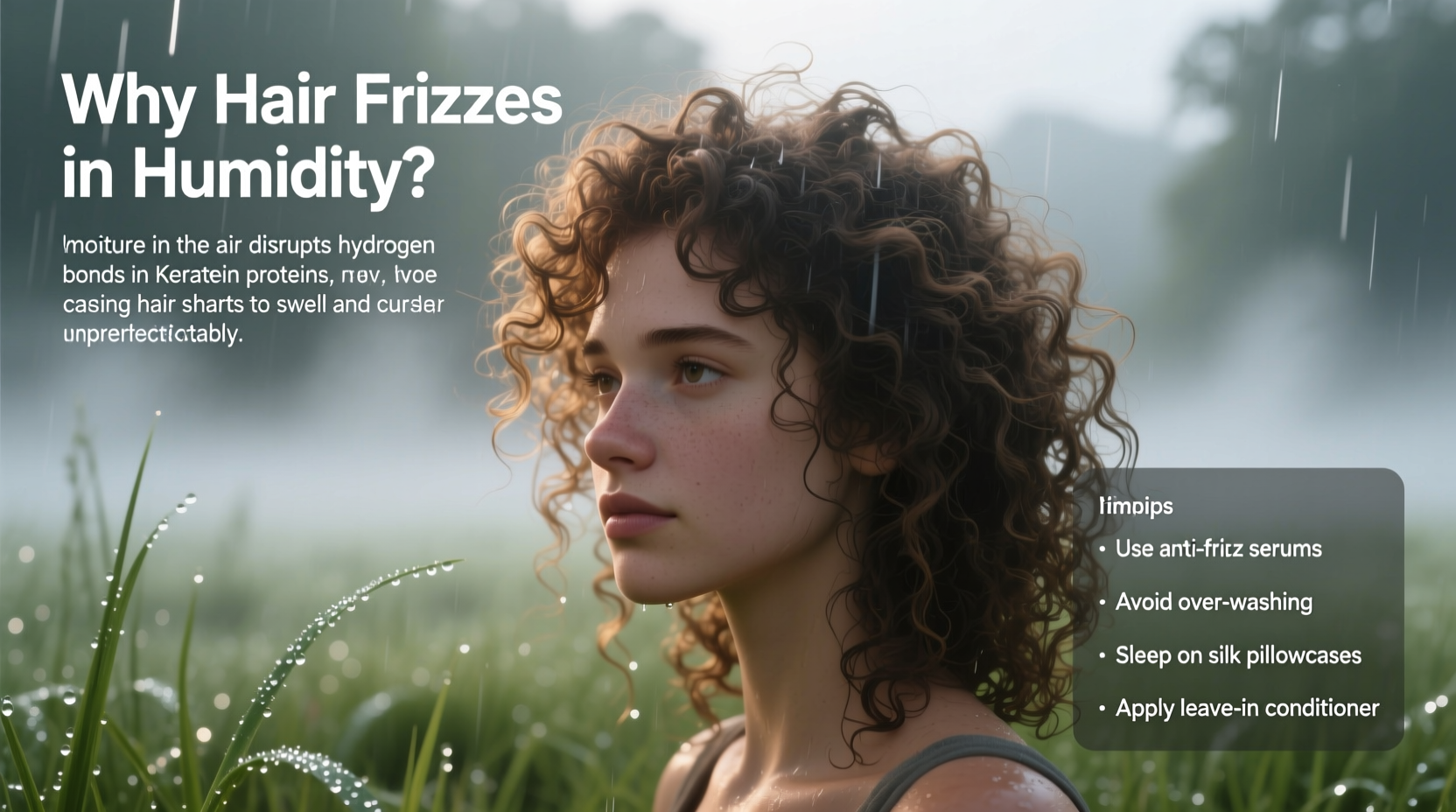
Humidity hair refers to the tendency of strands to swell, frizz, and lose their styled shape as airborne moisture penetrates the hair cuticle. When ambient humidity rises, porous hair absorbs water vapor, disrupting hydrogen bonds within the cortex and causing the hair shaft to expand irregularly, resulting in a rough, unmanageable texture.
Contents
Understanding the Science Behind Atmospheric Moisture and Hair Swelling
To effectively combat frizz, it is vital to understand how hair interacts with ambient moisture at a structural level. Human hair is hygroscopic, meaning it naturally attracts and retains water molecules from the surrounding air. The outermost layer of the hair, known as the cuticle, consists of overlapping, scale-like protein cells. When these scales lie flat and tight, they form a protective barrier that locks moisture inside while blocking external humidity from entering.
However, chemical processing, heat styling, mechanical damage, and inherent porosity create gaps and lifting along the cuticle layer. In high-humidity environments, microscopic water droplets enter these gaps. The moisture breaks the temporary hydrogen bonds that hold the hair's styled shape, forcing the protein chains inside the cortex to swell unevenly. This internal expansion causes individual hairs to bend, twist, and fly away from the main hair mass, creating the characteristic halo of frizz.
Porosity plays a pivotal role in this process. Low-porosity hair features tightly bound cuticles that resist moisture absorption, often leading to product buildup on the surface rather than true frizz. Conversely, high-porosity hair features wide gaps and holes in the cuticle layer, acting like a sponge that rapidly absorbs atmospheric moisture, swells instantly, and loses definition within minutes of stepping outdoors.
Essential Prerequisites for Humidity-Resistant Hair Care
Achieving lasting style longevity in damp climates requires a rigorous foundation built on moisture balance, cuticle sealing, and structural reinforcement. Skipping these preparatory steps renders even the strongest holding gels and sprays ineffective against persistent atmospheric dampness.
- Moisture Equilibrium: Dry hair acts like a dry sponge, aggressively pulling in ambient humidity. Hydrating the hair internally with humectants and emollients prevents this desperate absorption.
- Cuticle Smoothing: Chemical or thermal treatments that smooth the cuticle reduce the surface area available for moisture penetration.
- Film-Forming Polymers: Applying specialized styling polymers creates an invisible, hydrophobic shield over each strand to repel water vapor physically.
- Gentle Cleansing: Utilizing sulfate-free shampoos preserves the natural lipid layer of the scalp and hair, preventing excessive dryness that triggers high porosity.
Step-by-Step Anti-Frizz Regimen for Humid Environments
Managing frizz successfully requires a methodical approach spanning the shower routine, post-wash care, and final styling execution. Follow this structured protocol to protect your hair integrity throughout the day.
- Cleansing and Conditioning: Wash your hair with a hydrating, sulfate-free shampoo designed to cleanse without stripping natural oils. Follow with a rich, silicone- or emollient-based conditioner, focusing primarily on the mid-lengths and ends.
- Cold Water Rinse: Finish your shower by rinsing your hair with cool water. This thermal shock encourages the cuticle scales to contract and lay as flat as possible against the hair shaft.
- Gentle Drying: Avoid rough rubbing with standard terrycloth towels, which cause friction and lift the cuticle. Instead, gently squeeze out excess water using a microfiber towel or a smooth cotton t-shirt.
- Layered Product Application: Apply a lightweight leave-in conditioner for internal hydration, followed by a heat protectant. Next, distribute an anti-humidity spray, styling cream, or curl gel containing film-forming polymers evenly through damp hair using a wide-tooth comb.
- Tension Blow-Drying or Diffusing: If blow-drying, use a nozzle attachment to direct airflow downward from roots to ends, smoothing the cuticle with a round brush. If wearing natural curls, use a diffuser on low speed and medium heat until fully dry, resisting the urge to touch the hair while drying.
- Sealing the Style: Once the hair is 100% dry, apply a tiny amount of lightweight hair oil or anti-frizz serum to lock in smoothness and block residual moisture.
Comparing Anti-Frizz Technologies and Ingredients
Different formulation types target humidity through distinct scientific mechanisms. Selecting the right product depends heavily on your specific hair texture, porosity level, and local climate conditions.
| Ingredient Class | Mechanism of Action | Best Hair Type | Potential Drawbacks |
|---|---|---|---|
| Silicones (e.g., Dimethicone, Cyclomethicone) | Coats the hair shaft in a waterproof barrier that physically blocks moisture absorption. | Medium to thick, coarse, or highly porous hair. | Can cause heavy buildup over time if not occasionally removed with a clarifying shampoo. |
| Film-Forming Polymers (e.g., Polyquaterniums, PVP) | Forms a web-like, heat-activated matrix that shrinks and tightens as it dries, locking out humidity. | Fine, wavy, or straight hair needing style memory. | May feel stiff or tacky if over-applied without adequate heat activation. |
| Natural Oils and Butters (e.g., Argan Oil, Shea Butter) | Softens the hair cuticle, adds weight, and provides hydrophobic lipid shielding. | Curly, coily, and extremely dry hair textures. | Can weigh down fine or low-porosity hair, making it look greasy or limp. |
| Humectants (e.g., Glycerin, Hyaluronic Acid) | Draws moisture into the hair from the environment to maintain internal hydration balance. | Low-porosity and moderately humid climates. | Can backfire in extreme humidity by pulling excess water into the hair, causing severe swelling. |
Pros and Cons of Common Anti-Frizz Strategies
Evaluating your anti-frizz regimen helps eliminate wasted time and product accumulation. Understanding the trade-offs allows for a more customized approach.
Advantages of Advanced Anti-Humidity Polymers: Modern polymer treatments offer remarkable longevity, often lasting through multiple washes by forming cross-linked matrices activated by blow-dry heat. They protect hairstyles from collapsing in tropical or rainy weather without making the hair feel heavy, sticky, or coated in traditional heavy waxes.
Disadvantages of Heavy Oils and Silicones: While heavy emollients provide instant shine and temporary control, relying on them exclusively in high humidity can lead to suffocating product buildup. Over time, this buildup prevents genuine moisture from entering or exiting, resulting in brittle, dehydrated strands that remain vulnerable to environmental changes.
Troubleshooting Common Humidity Hair Failures
Even with a dedicated routine, unexpected frizz can ruin a style. Recognizing specific failure symptoms allows for quick adjustments.
- Symptom: Hair feels sticky or crunchy after styling.
- Cause: Overuse of high-hold polymer styling products or applying styling gels to bone-dry hair instead of damp hair.
- Remedy: Clarify the hair with a gentle cleansing shampoo, then reduce the quantity of styling products applied during the next wash cycle.
- Symptom: Frizz appears immediately upon stepping outside despite using anti-frizz serum.
- Cause: The serum lacks film-forming barrier technology, or the hair was not completely dry before exposure to outdoor humidity.
- Remedy: Ensure hair is 100% dry before leaving indoors, and switch to a heat-activated anti-humidity spray that creates a structural moisture shield.
- Symptom: Curls lose definition and become stringy within hours.
- Cause: Using humectants like high-concentration glycerin during peak humidity seasons, which draws excess atmospheric moisture into the hair shaft.
- Remedy: Check product ingredient labels and transition to humectant-free stylers or film-forming polymers during high-humidity months.
Frequently Asked Questions About Humidity Hair
Why does humidity make my hair frizzy?
Atmospheric moisture penetrates porous gaps in the hair cuticle, breaking temporary hydrogen bonds and forcing the protein cortex to swell unevenly. This internal expansion distorts the hair's smooth alignment, resulting in frizz and flyaways.
Can low-porosity hair be affected by humidity?
Yes, although low-porosity hair resists moisture absorption, high humidity can cause surface-level frizz and reversion in straightened hair. The outer layer becomes overwhelmed by ambient water vapor, causing the cuticle scales to lift and lose their polished finish.
How do heat-activated anti-humidity sprays work?
These products contain advanced polymers that form an invisible, waterproof network over each hair strand when exposed to blow-dry heat. The matrix repels water vapor and locks the cuticle flat, maintaining style integrity for multiple days.
Are silicones bad for fighting humidity?
Silicones are not inherently bad; they provide exceptional waterproofing and slip for coarse or damaged hair. However, non-water-soluble silicones require regular clarifying washes to prevent heavy buildup and subsequent dryness.
How often should I use a clarifying shampoo during humid seasons?
Using a clarifying shampoo once every two to three weeks is generally sufficient to remove stubborn product residue and silicone buildup. This reset allows hydrating treatments and anti-humidity shields to bond effectively with the hair shaft.
Can sleeping on a silk pillowcase help reduce humidity frizz?
Silk and satin pillowcases reduce friction against the hair cuticle overnight, preventing mechanical damage and moisture loss. While they do not block outdoor humidity directly, they maintain a smoother cuticle baseline, making hair less vulnerable to swelling the next day.
Professional Maintenance Recommendation
To maintain optimal hair resilience against fluctuating weather conditions, schedule professional trims every eight to ten weeks to eliminate split ends and compromised cuticles. Pair your in-salon care with a personalized home regimen emphasizing proper porosity balancing and heat-activated moisture barriers. For customized product recommendations tailored to your specific hair density and regional climate, consult with a licensed trichologist or professional hair stylist.
Image Gallery