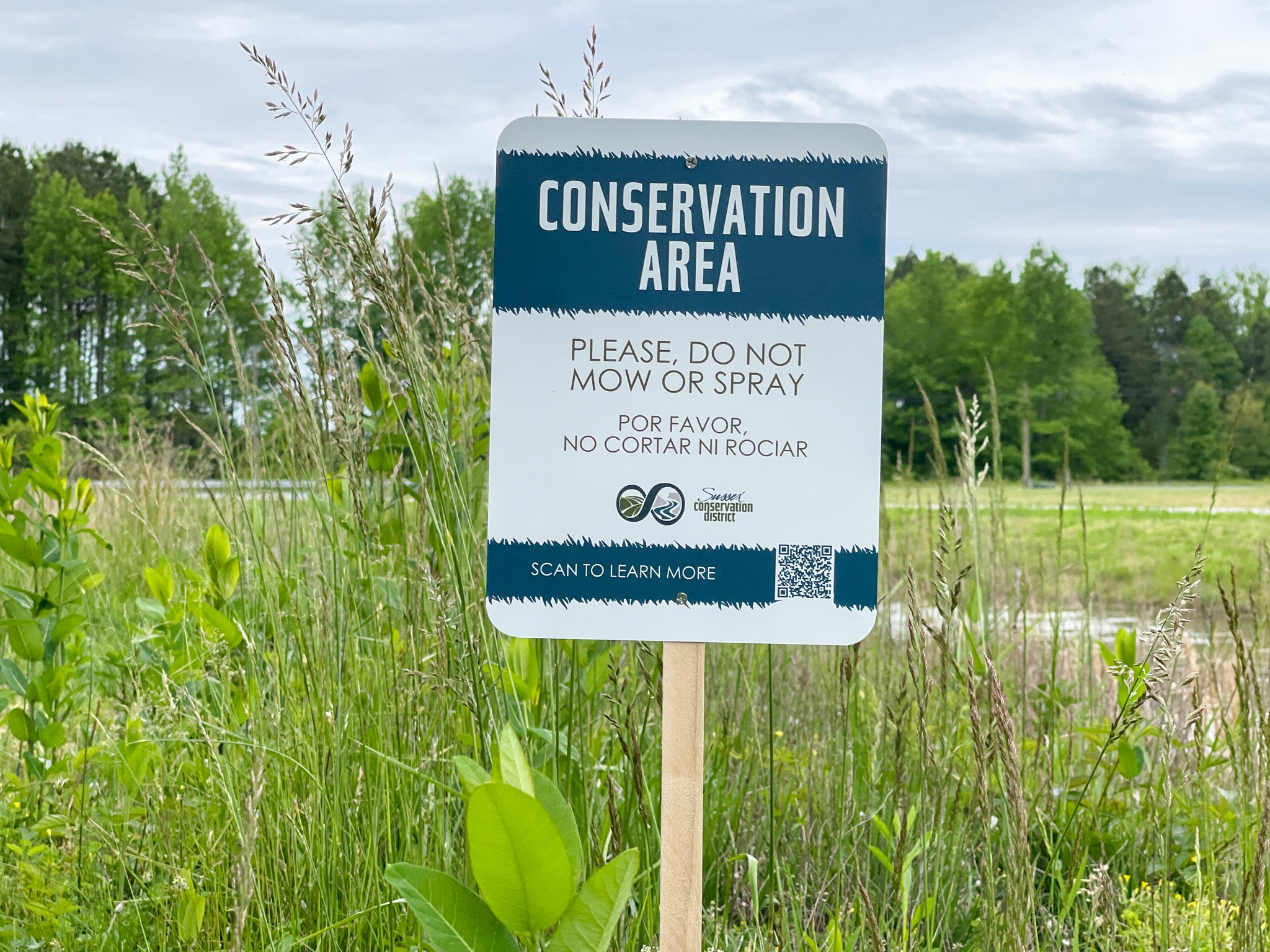
Comprehensive Guide to the Logan Conservation Area: Ecology, Access, and Management for 2026
The Logan Conservation Area functions as a protected natural refuge dedicated to preserving native regional biodiversity, managing watershed health, and offering low-impact public recreation. Situated within a dynamic ecosystem, the si...
The Logan Conservation Area functions as a protected natural refuge dedicated to preserving native regional biodiversity, managing watershed health, and offering low-impact public recreation. Situated within a dynamic ecosystem, the site balances environmental conservation mandates with controlled community access, strict wildlife regulations, and ongoing habitat restoration initiatives for the 2026 planning cycle.
Contents
Understanding the Ecological Framework and Habitat Classification
The Logan Conservation Area encompasses a diverse matrix of native habitats that support an array of flora and fauna. Effective management of this terrain requires an understanding of its ecological zones, which include riparian corridors, upland hardwood forests, and transitional wetland pockets. These zones act as vital ecological stepping stones, maintaining biological connectivity across the wider regional landscape.
Native vegetation within the conservation zone is dominated by canopy-forming deciduous trees, understory shrubs, and specialized herbaceous groundcovers. The riparian corridors feature moisture-loving species that stabilize stream banks and filter agricultural or urban runoff before it enters local waterways. Meanwhile, the drier upland zones host drought-tolerant perennials and mast-producing trees that provide critical sustenance for resident and migratory wildlife populations.
Wildlife management objectives prioritize the preservation of nesting habitats for neo-tropical migratory birds, amphibians, and small mammals. Conservation officers and field ecologists conduct routine biological surveys to monitor indicator species, track invasive flora, and assess the overall health of the ecosystem. Maintaining these natural processes prevents habitat fragmentation and ensures the long-term resilience of the area against environmental stressors.
Permitted Activities, Recreation Guidelines, and Visitor Access
Public engagement with the Logan Conservation Area is managed through a framework designed to protect sensitive natural resources while allowing sustainable recreational use. Visitors are encouraged to experience the natural beauty of the landscape responsibly by adhering strictly to established guidelines and regulations.
Recreational opportunities are tailored to low-impact activities that minimize ecological disturbance. The following breakdown outlines the primary access categories and their operational parameters:
- Hiking and Trail Walking: Permitted exclusively on designated, marked trails to prevent soil compaction and protect fragile understory vegetation.
- Wildlife Observation and Photography: Allowed throughout daylight hours. Observers must maintain safe distances from nesting sites and large mammals to avoid behavioral disruption.
- Catch-and-Release Fishing: Permitted in designated waterways in accordance with state or provincial fish and wildlife regulations, requiring a valid fishing license.
- Foraging and Plant Collection: Strictly prohibited to preserve the native seed bank, prevent over-harvesting, and protect rare or endangered botanical species.
- Domestic Pets: Allowed only on non-retractable leashes up to six feet in length; owners must pack out all pet waste to protect local water quality.
Visitor Access Protocols and Rules
Access Hours and Seasonal Closures: The Logan Conservation Area is open daily from sunrise to sunset. Certain trails or zones may experience temporary closures during the spring nesting season or periods of extreme weather to mitigate wildfire risks and protect vulnerable wildlife.
Infrastructure, Trails, and Navigation
Navigating the Logan Conservation Area safely requires familiarity with its physical infrastructure and trail marking systems. The site features a network of multi-use earthen paths, boardwalks across sensitive wetland sectors, and gravel access roads intended primarily for maintenance and emergency vehicles.
Trailheads are equipped with informational kiosk boards displaying site maps, emergency contact numbers, and current regulatory notices. Trails are color-coded by difficulty and length, allowing visitors to select routes matching their physical conditioning and time constraints.
Trail Etiquette: Hikers moving uphill possess the right-of-way over downhill travelers. When passing slower visitors or wildlife observers, announce your presence clearly and yield the path safely.
Infrastructure Specifications Table
| Facility Feature | Specification / Material | Maintenance Frequency | Purpose / Function |
|---|---|---|---|
| Main Trail Network | Crushed limestone and native soil | Bi-monthly inspection / Annual grading | Prevents erosion and guides foot traffic safely |
| Boardwalk Crossings | Pressure-treated timber and galvanized fasteners | Quarterly structural audit | Protects delicate wetland hydrology and soils |
| Information Kiosks | Weather-resistant cedar and acrylic panels | Monthly content updates | Educates visitors on rules and seasonal hazards |
| Waste Receptacles | Heavy-duty bear-proof metal bins | Bi-weekly collection schedule | Mitigates litter and deters habituated wildlife |
Comparative Analysis of Land Use and Management Strategies
Managing a multi-use conservation area requires balancing environmental preservation with public utility. Land managers utilize specific operational models to minimize human footprint while maximizing educational and ecological value.
| Management Pillar | Strict Wilderness Protection | Logan Conservation Area Model | Urban Park Model |
|---|---|---|---|
| Primary Goal | Absolute ecosystem preservation | Balanced conservation and eco-recreation | Intensive human recreation and sports |
| Public Access | Highly restricted or permit-only | Controlled public access via marked trails | Open access with manicured lawns and facilities |
| Intervention Level | Minimalist / Natural succession | Active restoration, invasive removal, and thinning | High-maintenance landscaping and mowing |
| Infrastructure | Primitive footpaths only | Sustainable trails, boardwalks, and kiosks | Paved paths, athletic fields, and permanent structures |
Step-by-Step Guide for Planning a Sustainable Visit
To ensure a safe, legally compliant, and environmentally conscious visit to the Logan Conservation Area, prospective visitors should follow a systematic preparation process.
- Review Current Advisories: Check the official municipal or regional conservation portal for active fire bans, seasonal trail closures, or weather alerts before departure.
- Prepare Proper Equipment: Equip yourself with sturdy footwear, adequate hydration, navigation tools (offline maps or physical guides), and waste-retrieval bags.
- Obtain Necessary Permits: Verify whether your intended activity (such as specialized educational group tours or scientific research) requires advance administrative clearance from the management office.
- Adhere to Leave No Trace Principles: Pack out all refuse, respect wildlife from a distance, leave natural artifacts undisturbed, and stay strictly on designated pathways.
- Post-Visit Review: Report any damaged infrastructure, unauthorized trail usage, or environmental hazards to the conservation area wardens to support ongoing site maintenance.
Frequently Asked Questions
What are the operating hours for the Logan Conservation Area?
The Logan Conservation Area is open to the public daily from sunrise to sunset throughout the year. Access outside these hours is prohibited to protect nocturnal wildlife and ensure security.
Are dogs allowed on the trails within the conservation zone?
Dogs are permitted on the trails provided they remain on a physical leash of six feet or shorter at all times. Owners are strictly required to pick up and properly dispose of all pet waste.
Is camping or overnight parking permitted on-site?
Overnight camping, backcountry pitching, and overnight vehicle parking are strictly prohibited within the boundaries of the conservation area. All visitors must exit prior to official sunset.
Can I forage for wild mushrooms or edible plants?
Foraging, harvesting, cutting, or collecting any plant material, fungi, or minerals is strictly forbidden to protect the delicate balance of the native ecosystem.
Who should I contact to report a maintenance issue or trail hazard?
Visitors can report trail damage, fallen trees, or wildlife concerns directly to the regional conservation management office using the contact numbers posted on the entrance kiosks.
Conclusion and Recommendations
The Logan Conservation Area remains a critical ecological asset, demanding careful stewardship from both land managers and the public. By respecting established guidelines, utilizing designated paths, and prioritizing environmental protection, visitors ensure that this vital habitat continues to thrive. Plan your excursion responsibly, respect regional wildlife, and contribute to the enduring preservation of our natural heritage.
Image Gallery