What Is Bocephus: The Origins and Legacy of a Country Music Icon
Bocephus is the lifelong nickname of American country music singer-songwriter Hank Williams Jr. Originally given to him as an infant by his father, the legendary Hank Williams Sr., the name transitioned from a private family moniker to...
Bocephus is the lifelong nickname of American country music singer-songwriter Hank Williams Jr. Originally given to him as an infant by his father, the legendary Hank Williams Sr., the name transitioned from a private family moniker to a public persona representing the "outlaw" subgenre of country music, characterized by Southern rock influences and a rebellious, independent spirit.
Contents
Across a career spanning over six decades, the name Bocephus has become synonymous with a specific brand of blue-collar, defiant Americana. While his birth name is Randall Hank Williams, the Bocephus identity allowed him to step out from the immense shadow of his father’s legacy and forge a unique path that blended traditional country with heavy blues and rock and roll. In 2026, Bocephus remains one of the most recognizable figures in the history of the genre, representing a bridge between the Nashville establishment and the rugged individualism of the outdoorsman lifestyle.
The Origin Story: A Ventriloquist’s Dummy
The name Bocephus was not a random creation but a tribute to a popular entertainment figure of the mid-20th century. When Randall Hank Williams was born in 1949, his father, Hank Williams Sr., began searching for a nickname. At the time, one of the most famous comedians on the Grand Ole Opry was Rod Brasfield, who performed with a ventriloquist's dummy named Bocephus.
Hank Sr. reportedly noted a resemblance between his infant son and the dummy, or perhaps he simply found the name phonetically amusing. Regardless of the specific motivation, the nickname stuck immediately. Within the inner circles of the Williams family and the country music industry, the child was rarely called Randall; he was Bocephus.
This naming choice was prophetic. By linking his son to a character from the Grand Ole Opry stage before he could even walk, Hank Sr. inadvertently set the stage for a life lived entirely within the spotlight of the music industry. However, the lighthearted origin of the name would eventually contrast sharply with the gritty, hard-edged persona that Hank Jr. would adopt in his adulthood.
Stepping Out of the Shadow: The Birth of a Persona
For the first decade of his career, Hank Williams Jr. was marketed essentially as a tribute act to his father. He sang his father's songs, mimicked his father's vocal style, and was dressed in the same "Nudie suits" that the elder Williams had made famous. While this brought commercial success—including his first hits as a teenager—it created a profound identity crisis.
The transformation of "Hank Williams’ son" into "Bocephus" as a public entity began in the mid-1970s. This transition was fueled by a desire to incorporate the rock and roll influences he grew up with, such as Jerry Lee Lewis and the Marshall Tucker Band. The turning point was the 1975 album Hank Williams Jr. and Friends, which signaled a departure from the Nashville sound toward a more aggressive, Southern rock-oriented style.
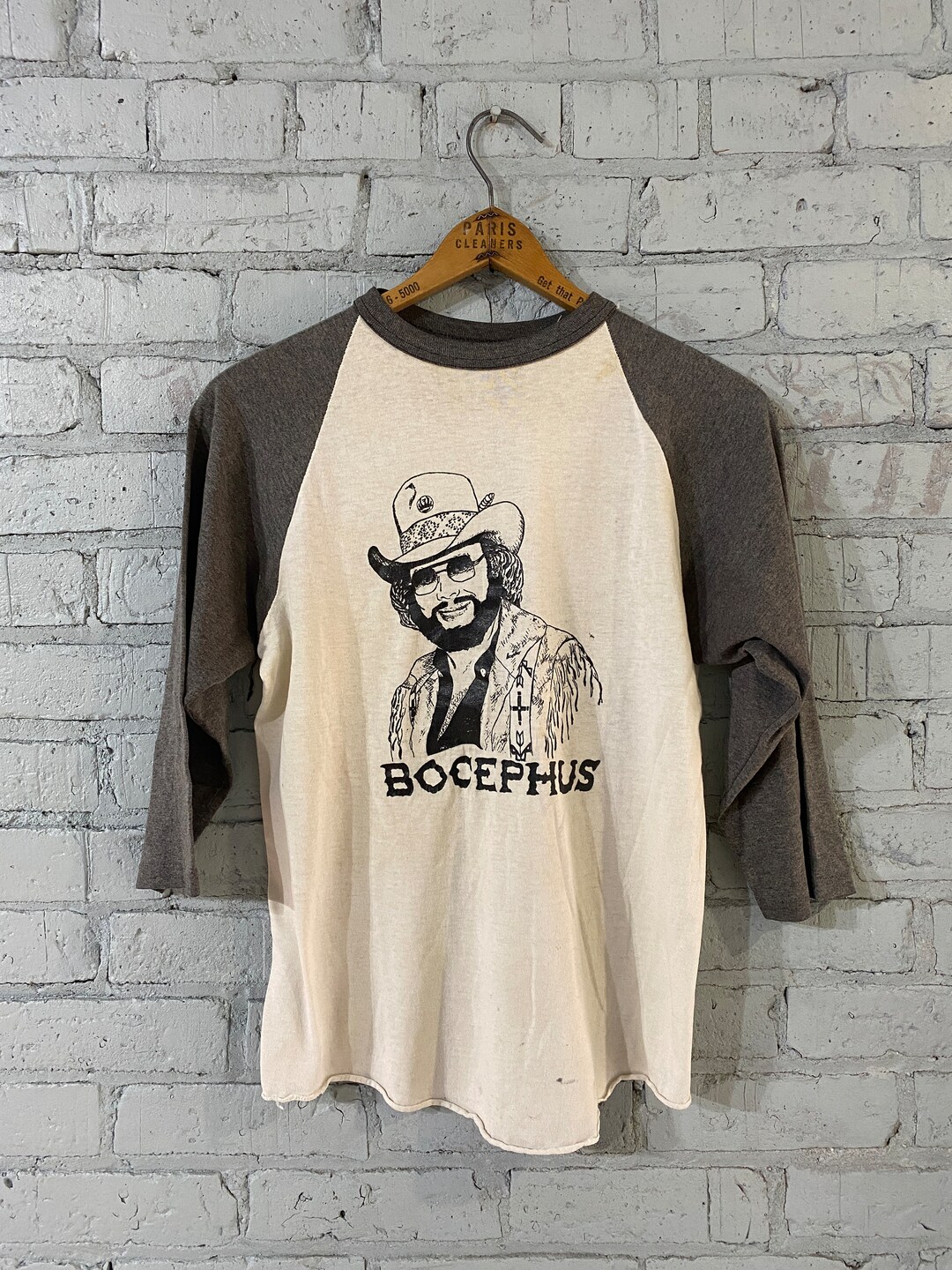
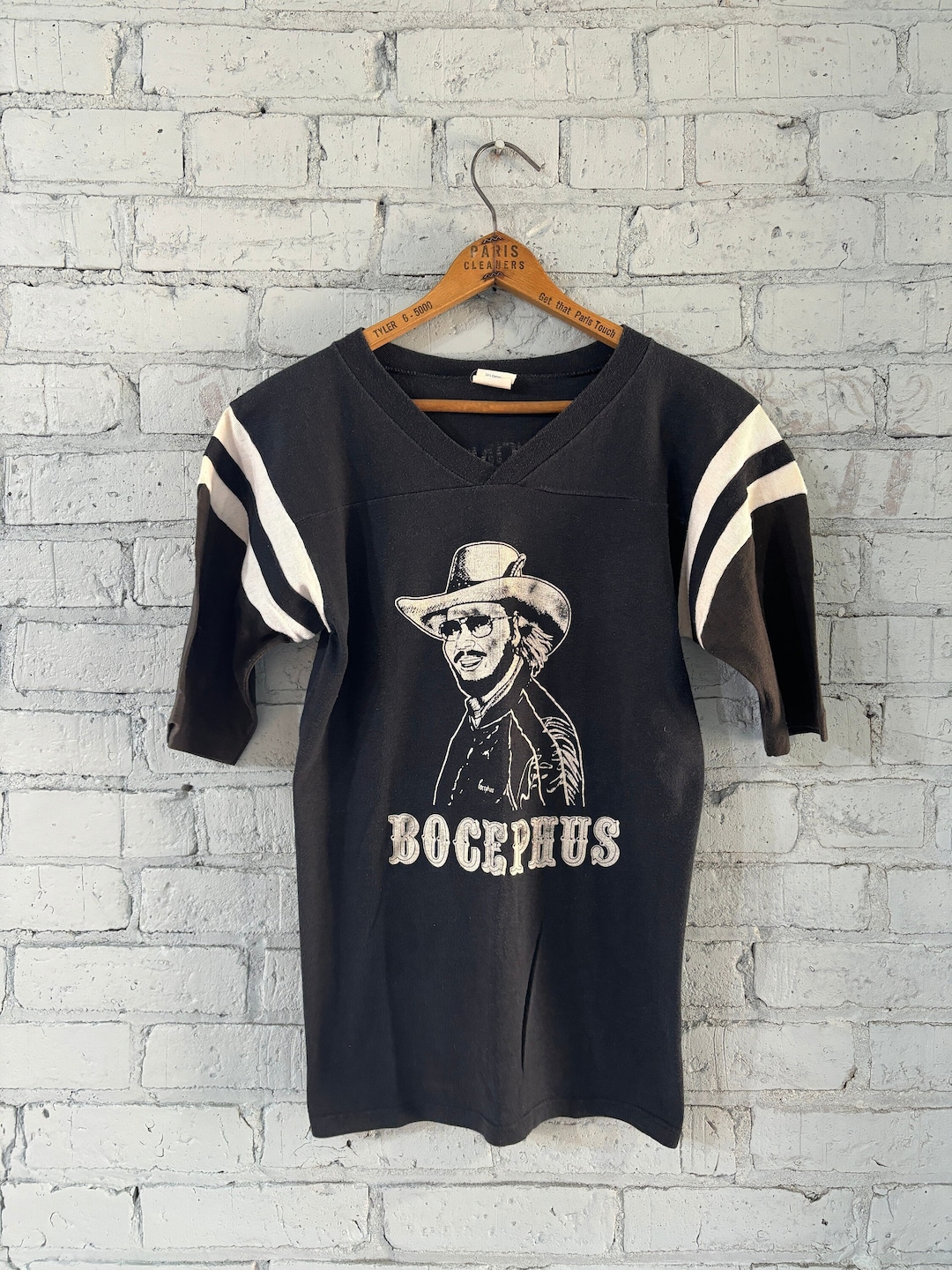
However, the "Bocephus" persona was truly cemented by tragedy. In August 1975, while climbing Ajax Mountain in Montana, Williams fell nearly 500 feet. The accident resulted in catastrophic facial and skull fractures, requiring multiple reconstructive surgeries. To hide the scars and the structural changes to his face, Williams grew a full beard and began wearing signature sunglasses and a wide-brimmed hat. This look—the bearded, rugged outlaw—became the visual representation of Bocephus. It was no longer just a nickname; it was a shield and a brand that allowed him to project a new, invincible identity.
The Musical Identity of Bocephus
Musically, Bocephus represents a fusion of three distinct American genres: traditional country, Delta blues, and Southern rock. Unlike the polished production found in mainstream 1980s Nashville, the Bocephus sound was characterized by heavy percussion, electric guitar riffs, and lyrics that celebrated rural life, rebellion, and personal history.
His songwriting often centered on the "Family Tradition," a theme that acknowledged his father's greatness while asserting his own right to live and perform differently. This duality is a cornerstone of the Bocephus brand. He could play a haunting acoustic version of a 1940s ballad and immediately follow it with a raucous, stadium-ready anthem.
Key Cultural Contributions
The impact of the Bocephus persona extended far beyond the walls of the Grand Ole Opry. Perhaps his most significant mainstream contribution was his association with Monday Night Football. Starting in 1989, his song "All My Rowdy Friends Are Coming Over Tonight" was adapted into the opening theme, "Are You Ready for Some Football?"
This partnership lasted for over two decades and won Williams multiple Emmy Awards. It turned the name Bocephus into a household term even for those who did not follow country music. The energetic, slightly dangerous persona was the perfect fit for the intensity of professional football, further solidifying the nickname as a symbol of American masculinity and weekend revelry.
Comparing the Legacies: Father and Son
To understand what Bocephus is, one must understand what he is not. He is not a replica of Hank Williams Sr. The following table highlights the distinct differences between the two icons, illustrating how the son carved out a separate niche.
| Feature | Hank Williams Sr. ("The Hillbilly Shakespeare") | Hank Williams Jr. ("Bocephus") |
|---|---|---|
| Primary Genre | Traditional Country, Gospel, Honky-Tonk | Southern Rock, Outlaw Country, Blues |
| Stage Presence | Lean, suit-wearing, vulnerable, emotive | Rugged, bearded, hat/shades, boisterous |
| Lyrical Themes | Heartbreak, loneliness, spiritual redemption | Rural pride, rebellion, family tradition, outdoors |
| Instrumentation | Acoustic guitar, fiddle, steel guitar | Electric guitar, piano, banjo, heavy drums |
| Peak Era | 1947–1953 | 1979–1992 (with continued activity) |
| Mainstream Cross | First major country superstar | Monday Night Football, Southern Rock crossovers |
The Bocephus Brand and Cultural Significance
In 2026, the term Bocephus functions as much as a lifestyle brand as it does a nickname. For many fans, Bocephus represents a specific set of values:
- Self-Reliance: A focus on hunting, fishing, and living off the land, often referenced in his lyrics and public appearances.
- Defiance: A refusal to conform to the "PC" or "corporate" expectations of the modern music industry.
- Heritage: A deep respect for Southern history and the musical roots of the Appalachian and Delta regions.
This branding has allowed Williams to maintain a loyal following even when he is not on the charts. The "Bocephus" logo—often featuring a stylized image of his hat and glasses—is a common sight on apparel and merchandise across the United States. It signals an affinity for a "rowdy" but traditional way of life.
His induction into the Country Music Hall of Fame in 2021 was a validation of this persona. It acknowledged that the "Bocephus" era of country music was not just a commercial fluke but a legitimate and influential chapter in the American musical canon. You can explore his official biography and discography through the Country Music Hall of Fame.
Common Misconceptions About Bocephus
Despite his fame, several misconceptions persist regarding the name and the man behind it.
First, many believe Bocephus is a stage name he chose for himself to sound "tough." As established, the name was a gift from his father and was used long before he had a professional career. Second, there is often confusion regarding his political stances versus the Bocephus persona. While the persona is outspoken and often conservative-leaning, the man, Randall Hank Williams, has often noted that Bocephus is a character that allows him to express exaggerated versions of his beliefs for entertainment purposes.
Finally, younger listeners sometimes confuse Bocephus with his son, Hank Williams III (Hank 3). While Hank 3 bears a striking physical and vocal resemblance to his grandfather (Hank Sr.), he has his own distinct musical style that blends punk rock with traditional country. The name Bocephus belongs exclusively to Hank Jr.
Frequently Asked Questions
Why did Hank Williams Sr. name his son Bocephus?
Hank Williams Sr. named his son after a ventriloquist's dummy used by comedian Rod Brasfield on the Grand Ole Opry. He thought his son looked like the dummy and adopted the name as a playful family nickname.
Is Bocephus still performing in 2026?
Yes, as of 2026, Hank Williams Jr. continues to perform selective live dates and remains an active figure in the music industry. While he has slowed down his touring schedule compared to his 1980s peak, the Bocephus persona remains a staple at major country music festivals.
What is the most famous Bocephus song?
While "Family Tradition" is arguably his most iconic country hit, "All My Rowdy Friends Are Coming Over Tonight" (and its Monday Night Football variant) is his most recognizable song in popular culture. Other significant tracks include "A Country Boy Can Survive" and "Whiskey Bent and Hell Bound."
How many children does Bocephus have?
Hank Williams Jr. has five children: Shelton Hank Williams (Hank 3), Holly Williams, Hilary Williams, Samuel Williams, and the late Katherine Williams-Dunning. Many of his children have followed in the family tradition by becoming successful musicians and artists.
Did Bocephus really fall off a mountain?
Yes. In 1975, he suffered a near-fatal fall from Ajax Mountain in Montana. The accident required years of recovery and over a dozen surgeries. This event was the catalyst for his physical transformation into the bearded, sunglass-wearing "Bocephus" icon known today.
What is the relationship between Bocephus and the Outlaw Country movement?
Bocephus is considered a pillar of the Outlaw Country movement, alongside artists like Waylon Jennings and Willie Nelson. His contribution was the infusion of Southern rock and a more aggressive, stadium-filling sound that moved away from the "Nashville Sound" of the era. You can read more about the history of this movement via Britannica.
Final Considerations for Fans and Researchers
If you are looking to explore the world of Bocephus, the best starting point is his mid-80s discography. Albums such as Five-O, Montana Cafe, and Born to Boogie represent the peak of the Bocephus persona, where the production and songwriting perfectly captured the energy of the era.
For those interested in the historical accuracy of his life, the film Living Proof: The Hank Williams Jr. Story (starring Richard Thomas) provides a dramatized but largely accurate look at his struggle to find his own identity. In 2026, the legacy of Bocephus serves as a reminder that while heritage is important, true greatness often requires the courage to reinvent oneself.
Image Gallery