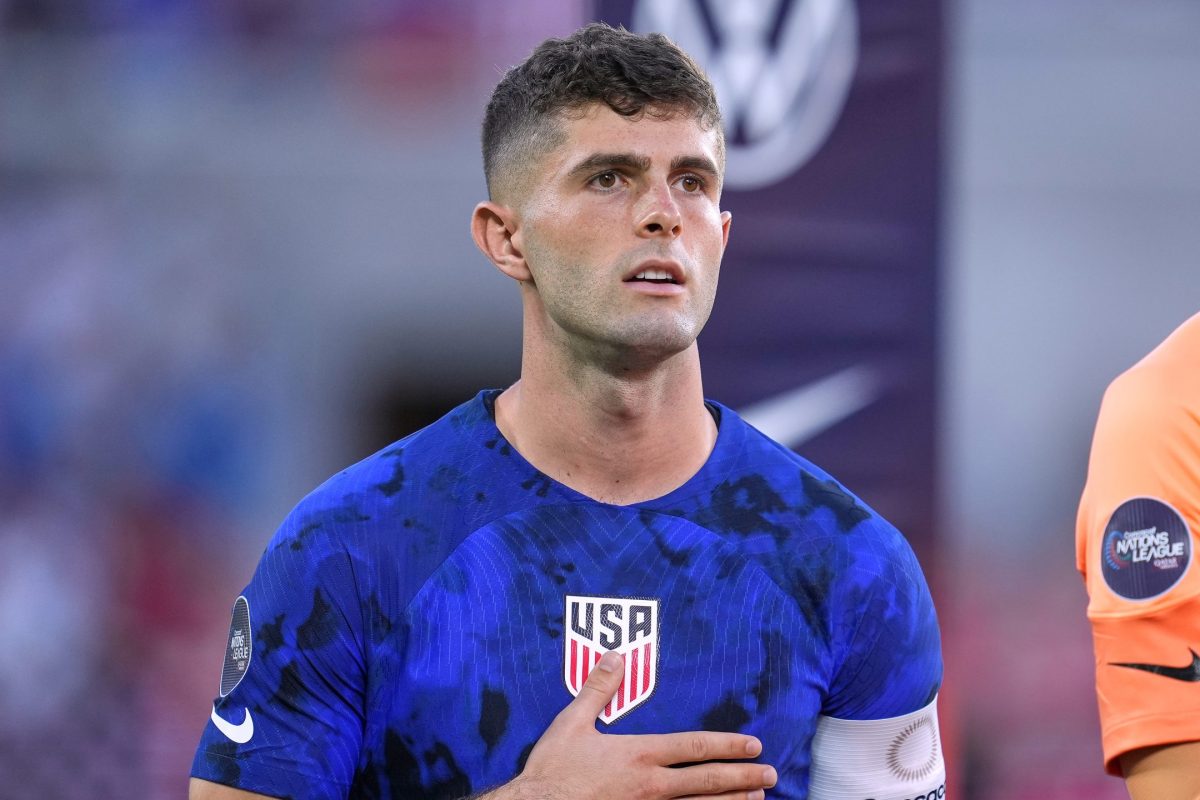
Christian Pulisic on the USMNT: Role, Impact, and Legacy
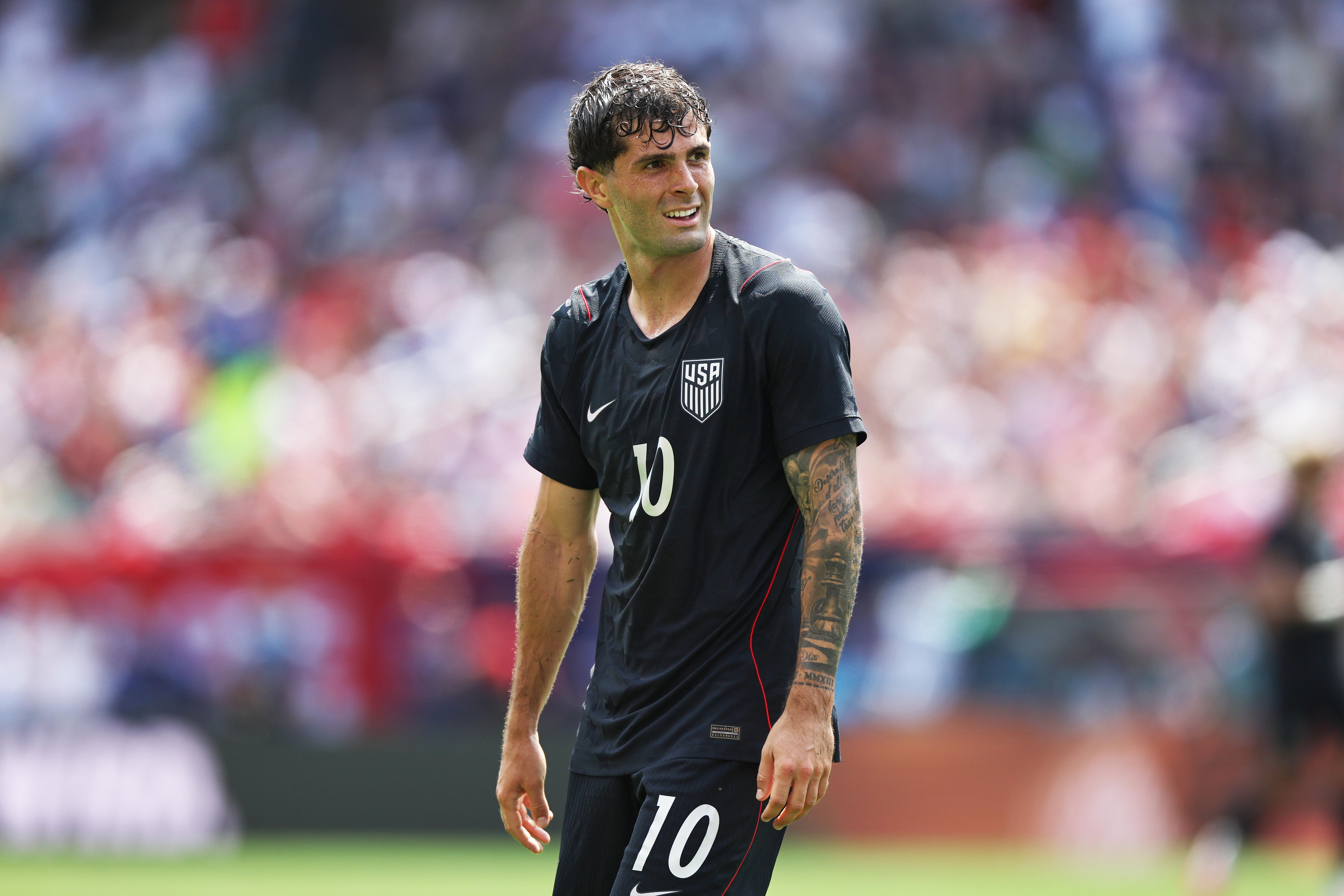
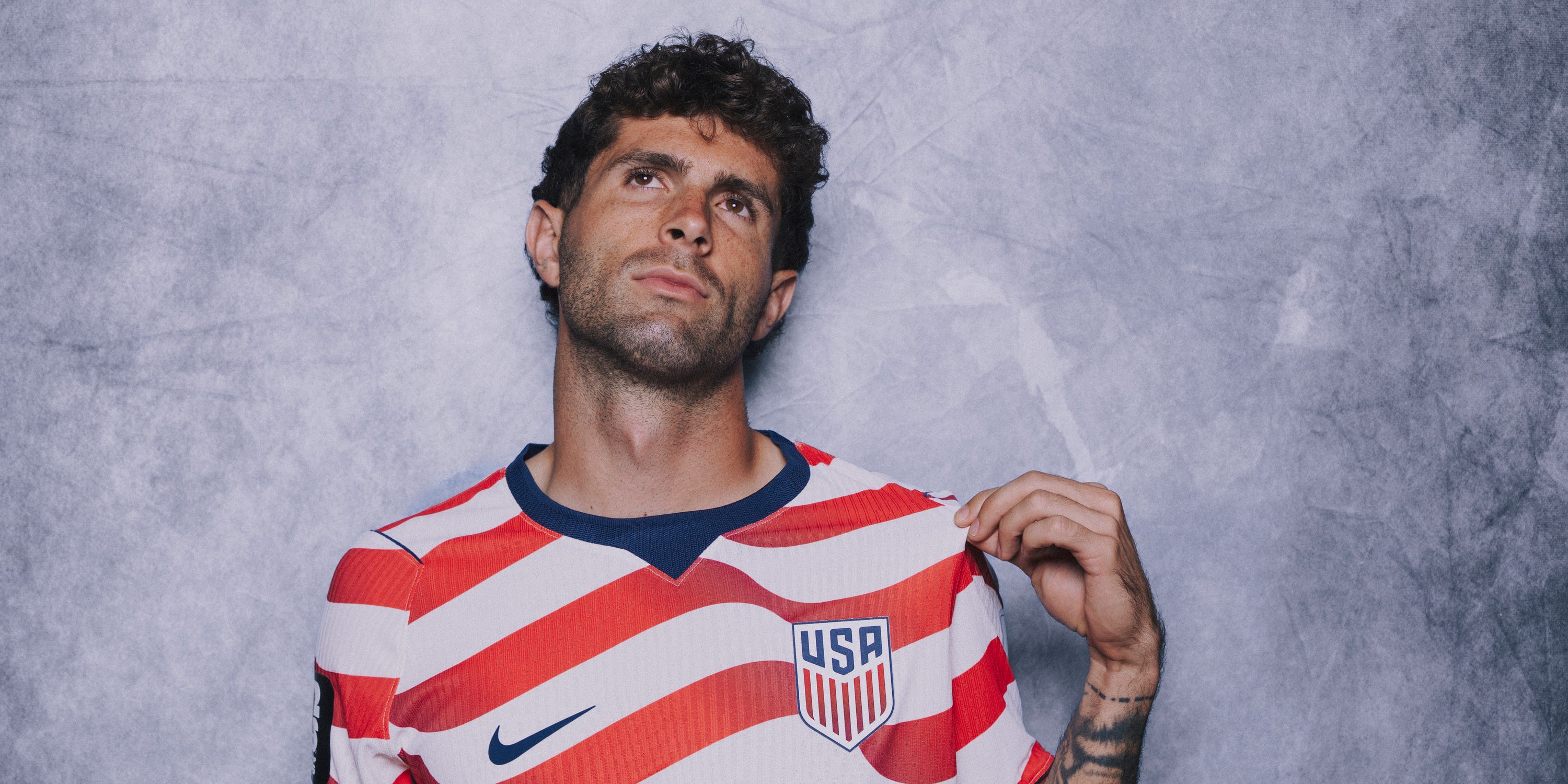
Christian Pulisic serves as the captain, primary creative engine, and talismanic forward for the United States men’s national soccer team (USMNT). His role encompasses breaking down low defensive blocks, converting high-leverage scorin...
Christian Pulisic serves as the captain, primary creative engine, and talismanic forward for the United States men’s national soccer team (USMNT). His role encompasses breaking down low defensive blocks, converting high-leverage scoring opportunities, and mentoring a younger generation of American players across major international competitions.
Contents
The Evolution of Christian Pulisic in the USMNT Setup
Christian Pulisic’s journey with the United States men’s national soccer team reflects the broader modern evolution of American soccer. Bursting onto the scene as a teenage prodigy out of Borussia Dortmund’s youth academy, Pulisic quickly transitioned from an exciting prospect to the undisputed focal point of the national program. Over successive World Cup cycles, continental tournaments, and international friendlies, his tactical responsibilities have shifted significantly.
In his early international appearances, managers deployed Pulisic primarily as a direct, explosive winger tasked with isolated 1v1 dribbling and transition counter-attacks. As he gained experience in the German Bundesliga, English Premier League with Chelsea, and Serie A with AC Milan, his tactical intelligence matured. Contemporary managers frequently position him in hybrid roles: starting wide on the left flank to cut inside onto his favored right foot, drifting centrally into attacking midfield spaces, or operating as a false winger who orchestrates the final third build-up.
This versatility makes him difficult for opposing defenses to lock down with a single marker. When opponents deploy double teams, Pulisic’s spatial awareness allows him to draw multiple defenders and distribute accurate passes to overlapping fullbacks or surging central midfielders. His development mirrors the tactical sophistication required to compete against elite global competition, elevating the technical baseline of the entire national pool.
Leadership Dynamics and the Captaincy
Leadership within a national team requires more than individual technical brilliance; it demands psychological resilience, cultural cohesion, and the ability to shoulder immense media and public scrutiny. Following the disappointment of missing the 2018 FIFA World Cup, the USMNT underwent a massive generational overhaul. Pulisic, despite his relatively young age, became the emotional and professional standard-bearer for the squad.
Inheriting the leadership mantle meant guiding a group of ambitious players competing at high levels across European and domestic leagues. Pulisic’s leadership style is defined largely by accountability on the pitch and leading through high-intensity performances rather than vocal outbursts. During high-stakes encounters, such as crucial CONCACAF Nations League matches or intense rivalries against Mexico, his willingness to absorb heavy contact, win tactical fouls, and demand the ball under pressure sets the competitive tone for his teammates.
Furthermore, his high-profile club career provides invaluable institutional knowledge to younger peers navigating the jump from Major League Soccer to European club environments. By setting a professional benchmark in training habits, physical conditioning, and tactical discipline, Pulisic has helped foster a winning mentality that characterizes the current player pool.
Tactical Contributions in the Final Third
Statistically and structurally, Pulisic is the fulcrum of the American attacking scheme. His primary contributions materialize in the final third, where breaking down compact, defensive-minded opponents remains a constant challenge for the USMNT.
| Tactical Phase | Pulisic’s Role | Primary Objective |
|---|---|---|
| Build-up Play | Drops into half-spaces / Left flank | Receive progressive passes and escape initial pressure |
| Chance Creation | Inverted winger / Playmaker | Deliver final balls, crosses, or through-balls to strikers |
| Goalscoring | Late central arrivals / Penalties | Convert transition chances and high-pressure set-piece moments |
| Defensive Press | First line of pressure | Disrupt opponent build-up and force turnovers high up the pitch |
When the team transitions from defense to offense, Pulisic serves as the primary outlet. His acceleration and low center of gravity allow him to turn away from tight marking and drive directly at the opponent's central defense. This capacity to compress the pitch forces opposing midfields to drop deeper, creating valuable space for supporting midfielders like Weston McKennie and Yunus Musah.
Performance Metrics and Historical Context
Evaluating Pulisic’s historical standing within the USMNT requires examining both traditional production metrics and qualitative impact. He consistently ranks near the top of modern national team charts for goals, assists, and direct goal-involvement per 90 minutes.
| Metric Category | Historical Significance | Modern Impact |
|---|---|---|
| Caps and Appearances | Reached senior milestones at a remarkably young age | Core veteran presence despite being in prime career years |
| Goal Contributions | Among the most prolific modern goalscorers for the program | Primary penalty taker and clutch scorer in tournament finals |
| Trophies | Multiple CONCACAF Nations League titles | Establishes a winning culture for domestic and foreign-based players |
Beyond raw numbers, Pulisic’s performances in high-pressure elimination games anchor his historical reputation. Whether scoring decisive goals in continental finals or delivering multi-goal performances in regional qualifying matches, he has repeatedly demonstrated the ability to perform when institutional pressure reaches its peak.
Challenges, Physical Management, and Injury History
An enduring storyline throughout Pulisic’s career with the USA has been the balance between heavy club commitments and international duty. Elite modern footballers face grueling fixture congestion, spanning domestic leagues, domestic cups, continental European competitions, and international windows involving extensive transatlantic travel.
Pulisic has experienced several muscular injuries and knocks throughout his career, often stemming from the sheer volume of high-intensity sprints and the physical nature of defending against him. Both national team coaching staffs and club medical teams utilize careful workload management protocols to protect his fitness. For the USMNT, having a fully fit Pulisic drastically alters their tactical ceiling; consequently, managing his minutes during congested group-stage tournaments is a high-priority operational objective for the coaching staff.
Frequently Asked Questions
What is Christian Pulisic’s primary position on the USMNT?
Pulisic primarily plays as a left winger or an inverted attacking midfielder. This position allows him to cut inside onto his stronger right foot to shoot, create scoring chances, or combine with overlapping fullbacks.
Is Christian Pulisic the captain of the USMNT?
Yes, Pulisic regularly wears the captain’s armband for the United States men’s national soccer team, serving as the central leader and tactical focal point for the squad during major international competitions.
How many goals has Pulisic scored for the United States?
Pulisic ranks among the top goalscorers in modern USMNT history, consistently accumulating crucial goals across World Cup qualifiers, international friendlies, and CONCACAF tournament matches. Exact career tallies update continuously with each international window.
How does Pulisic’s club career affect his national team performances?
Playing for elite European clubs like Borussia Dortmund, Chelsea, and AC Milan provides Pulisic with high-level tactical exposure and experience against world-class defenders. This club-level rigor directly translates to his composure and execution during international fixtures.
What are the main challenges Pulisic faces with the national team?
The primary challenges include managing grueling international travel schedules, avoiding muscle injuries caused by fixture congestion, and dealing with intense tactical focus from opponents who frequently deploy double-teams to neutralize him.
Next Actions and Outlook
For supporters and analysts following the United States men’s national soccer team, monitoring Christian Pulisic’s physical conditioning, tactical deployment under the coaching staff, and form at the club level remains essential. As the program prepares for upcoming global tournaments, maximizing his efficiency in the final third while developing secondary creative options will define the team's competitive success on the international stage.
Image Gallery