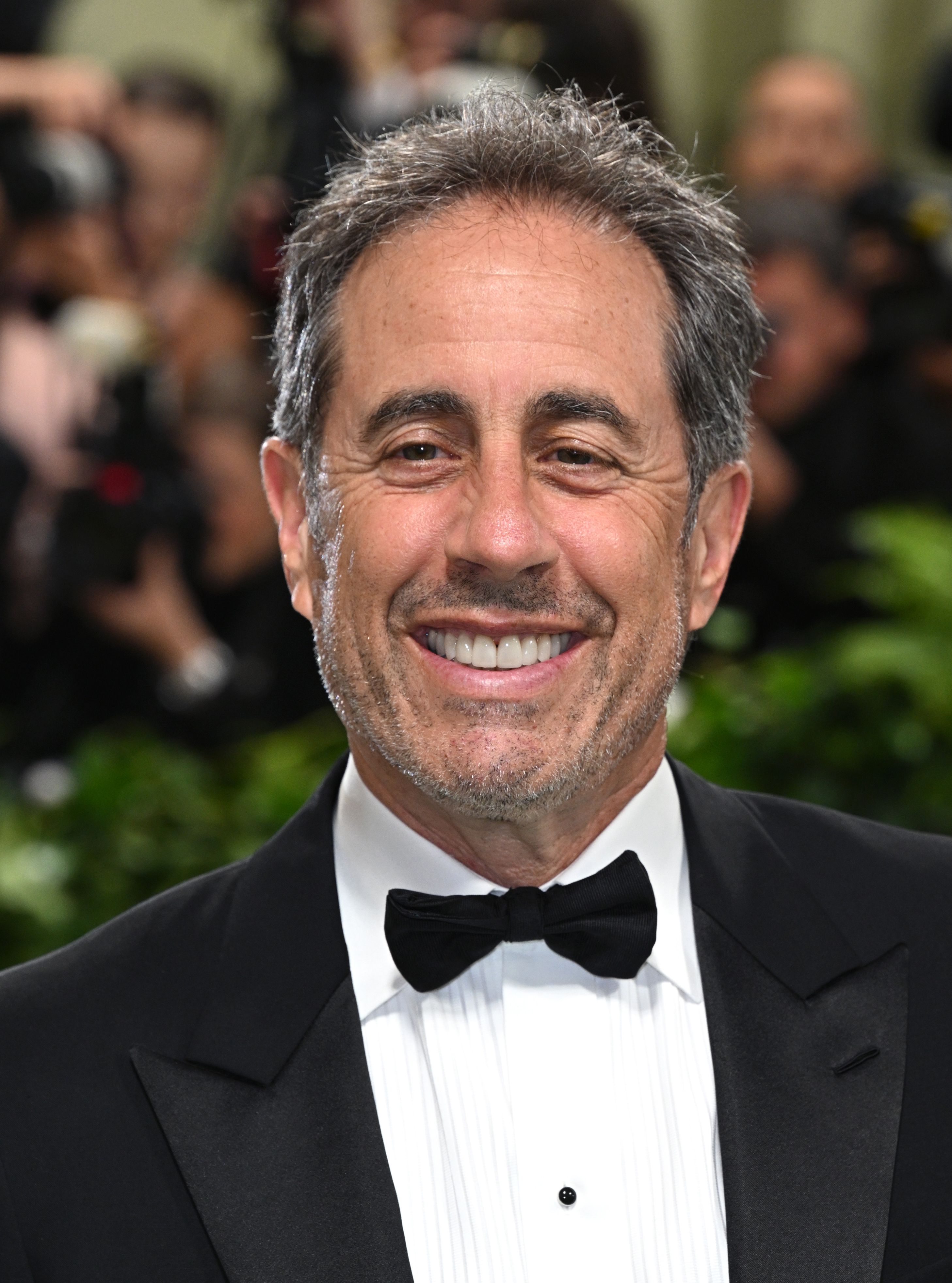
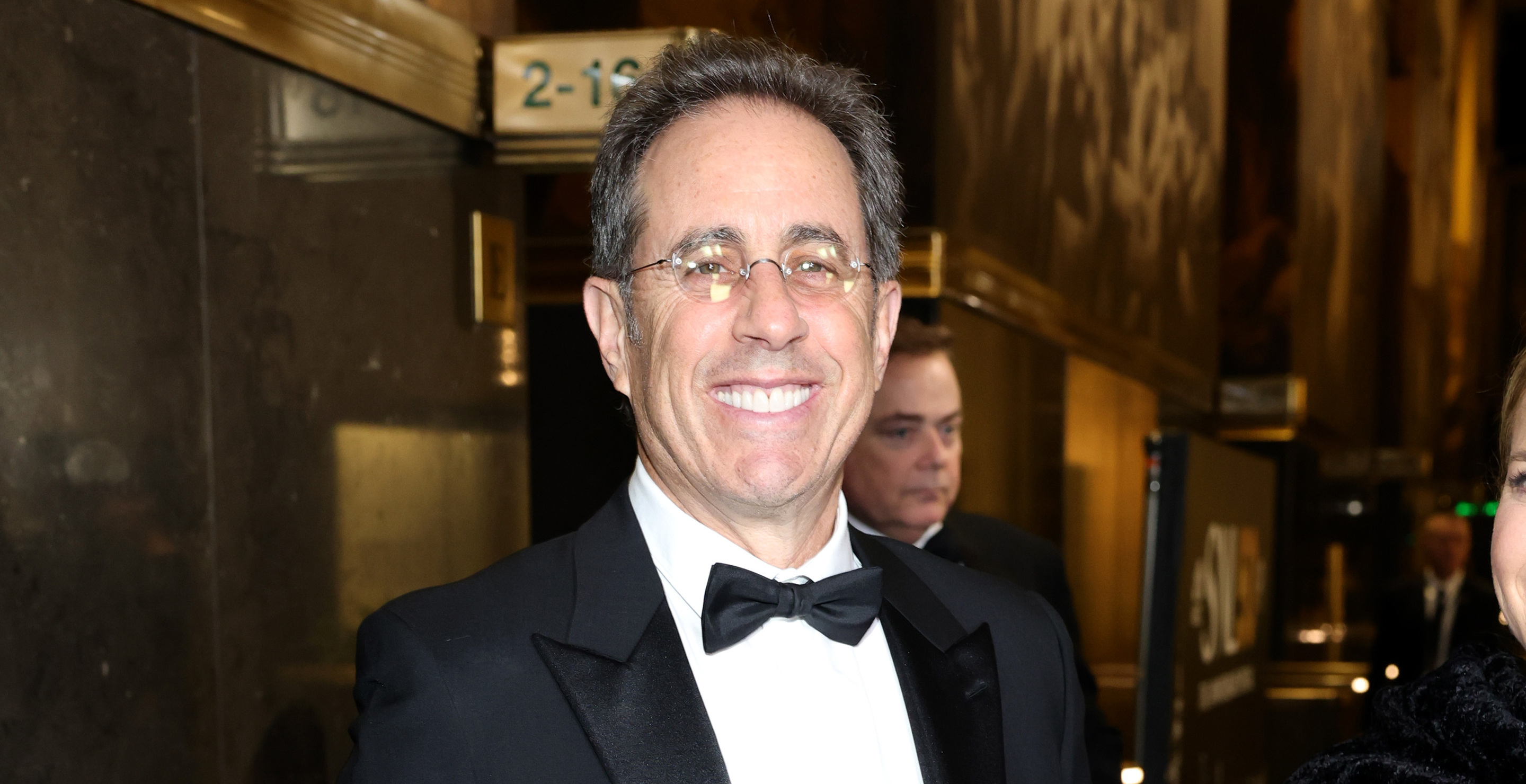
Jerry Seinfeld Net Worth and Inheritance: How the Comedy Icon Built a $1 Billion Empire
Jerry Seinfeld’s net worth stands at an estimated $1 billion, driven primarily by his unprecedented 15% backend equity stake in Seinfeld syndication, multi-million-dollar Netflix streaming deals, and lucrative stand-up tours. Seinfeld...
Jerry Seinfeld’s net worth stands at an estimated $1 billion, driven primarily by his unprecedented 15% backend equity stake in Seinfeld syndication, multi-million-dollar Netflix streaming deals, and lucrative stand-up tours. Seinfeld did not inherit his fortune; he was raised in a middle-class family on Long Island. Today, his self-made fortune forms a massive estate structured for his wife and three children.
Contents
Self-Made Success vs. Family Inheritance: Seinfeld’s Middle-Class Origins
A persistent question regarding ultra-wealthy public figures is whether their financial status was jumpstarted by family generational wealth. In the case of Jerry Seinfeld, his net worth is entirely self-made, with zero dollars originating from an inheritance.
Seinfeld was born in Brooklyn, New York, and raised in Massapequa, Long Island. His father, Kálmán Seinfeld, was a World War II veteran who ran a commercial sign-painting business, while his mother, Betty Seinfeld, was a homemaker who also assisted with family logistics. While his upbringing was comfortable and stable within a suburban middle-class environment, it was far removed from high-net-worth status or venture capital access.
When Seinfeld moved to Manhattan in the late 1970s to pursue stand-up comedy full-time following his graduation from Queens College, he lived frugally. He relied entirely on entry-level comedy club performance fees, open-mic appearances, and odd jobs to support himself. His financial trajectory proves that his current billionaire status stems from sharp business negotiations, intellectual property ownership, and exceptional career longevity rather than inherited capital.
The Equity Architecture of Seinfeld: How Syndication Built the Billion-Dollar Fortune
The foundation of Jerry Seinfeld's massive wealth rests on Seinfeld, the groundbreaking NBC sitcom he co-created with Larry David in 1989. While the show was a rating success during its nine-season primetime run from 1989 to 1998, the true financial engine of Seinfeld’s wealth was negotiated behind the scenes: his ownership stake in the show's backend rights.
- Initial NBC Broadcast (1989-1998)
- Per-Episode Acting & Writing Fees (Reached $1M/ep by Season 9)
- Off-Network Broadcast Syndication (1998-Present)
- Domestic Television Deals ($4B+ Total Gross Revenues)
- 15% Co-Creator Equity Stake to Jerry Seinfeld
- Global Digital Streaming Rights
- Hulu Licensing Deal (2015-2021): ~$130 Million
- Netflix Exclusive Global Deal (2021-2026+): ~$500 Million
The 15% Backend Stake
Unlike standard actors who receive flat per-episode fees or modest residual checks, Jerry Seinfeld and Larry David retained an estimated 15% backend equity stake each in the show's ownership rights through Castle Rock Entertainment and Columbia TriStar Television (now Sony Pictures Television).
When Seinfeld entered off-network broadcast syndication in 1998, it became the most profitable syndication package in television history. Local television stations and cable networks paid premium licensing fees to air reruns. Over the past three decades, Seinfeld has generated more than $4 billion to $5 billion in total gross syndication revenue.
Because Seinfeld owns a dual stake as both lead performer and co-creator/executive producer, his syndication cuts have routinely yielded tens of millions of dollars annually long after production ceased. In major deal cycles (such as the initial 1998 syndication sale and subsequent renewal cycles in 2004 and 2011), Seinfeld personal payouts exceeded $100 million in single contract windows.
Season 9 Salary Negotiations
By the ninth and final season (1997–1998), NBC was so eager to keep the top-rated comedy on air that they offered Seinfeld an unprecedented $5 million per episode to return for a tenth season—a deal that would have paid him over $100 million for a single year's work. Seinfeld famously declined the offer to preserve the creative integrity of the series, demonstrating that his long-term wealth strategy prioritized equity valuation and artistic legacy over short-term salary bumps.
Streaming Era Licensing Deals and Stand-Up Revenue
As traditional broadcast television transitioned into the digital era, the enterprise value of legacy comedy series surged. Global streaming platforms began competing aggressively for recognizable, multi-season comfort television to anchor subscriber retention.
The Netflix Global Deal
In late 2019, Netflix secured exclusive global streaming rights for all 180 episodes of Seinfeld in a five-year deal that took effect in late 2021. Financial reports from media analysts estimated the transaction value at over $500 million. As a 15% owner of the underlying distribution rights, Seinfeld netted a major windfall from this single digital licensing deal.
This transaction built upon previous digital streaming agreements, including a high-value domestic agreement with Hulu in 2015 worth an estimated $130 million, proving that classic sitcom IP functions as a long-term cash-generating yield asset.
Stand-Up Touring Economics
While equity deals account for the largest share of his net worth, Seinfeld's primary active income source remains live stand-up comedy. Even after achieving extreme wealth, Seinfeld maintains a disciplined performance schedule, doing dozens of stand-up dates per year in major theater venues and casino residencies (such as his multi-year residency at the Beacon Theatre in New York City).
- Annual Touring Gross: Routinely generates between $20 million and $50 million per year from live ticket sales.
- Overhead Efficiency: Stand-up comedy features extraordinarily low operational overhead compared to concert tours, ensuring high net profit margins.
- Special Deals: Seinfeld signed a landmark multi-project deal with Netflix that included comedy specials such as 23 Hours to Kill and his interview series Comedians in Cars Getting Coffee, which yielded tens of millions in production and talent fees.
Valuing the Seinfeld Estate: Real Estate, Rare Cars, and Capital Assets
Jerry Seinfeld's net worth is supported by a diversified asset portfolio that spans prime luxury real estate, rare collectible vehicles, and liquid capital investments managed through private wealth advisors.
| Asset Class | Key Holdings & Details | Estimated Market Value |
|---|---|---|
| Intellectual Property | Seinfeld backend equity (15%), publishing rights, digital licensing rights | $400M – $500M |
| Real Estate Portfolio | East Hampton estate (12 acres), Manhattan Beresford co-op duplex, ski estate holdings | $100M – $150M |
| Automobile Collection | 150+ ultra-rare Porsches, classic vintage sports cars, custom garage facilities | $50M – $100M |
| Liquid & Market Investments | Investment-grade fixed income, private equity, equities, cash reserves | $300M – $400M |
Real Estate Holdings
- East Hampton Estate: In 2000, Seinfeld purchased a 12-acre oceanfront estate in East Hampton, New York, from musician Billy Joel for a reported $32 million. Over the past two decades, extensive renovations, security enhancements, and rising Hamptons property values have driven the estimated valuation of this compound above $70 million to $80 million.
- Manhattan Real Estate: Seinfeld owns a duplex apartment in the iconic Beresford co-op building on Central Park West in Manhattan. He also acquired additional units in the building over time to expand his primary urban footprint.
- Specialized Infrastructure: To house his vast automobile collection, Seinfeld spent millions constructing a multi-level, climate-controlled subterranean garage facility in Manhattan, complete with residential-grade security, elevator systems, and custom maintenance bays.
The World-Famous Porsche Collection
Seinfeld is internationally recognized as one of the world's premiere collectors of Porsche automobiles. His collection contains over 150 rare, historic, and prototype vehicles. Notable items in his garage include:
- The 1953 Porsche 550 Spyder
- The 1959 Porsche 718 RS 60 (one of only four ever made)
- The 1986 Porsche 959 (an ultra-rare super-car once illegal to drive in the U.S. due to emissions standard exceptions)
- Porsche 911 variants spanning every decade of production since the model's inception.
While high-end car collections can suffer from depreciation, Seinfeld’s focus on museum-grade, low-mileage, historically significant Porsche models has transformed his garage into an appreciating alternative asset portfolio worth an estimated $50 million to $100 million at global auctions.
Estate Planning, Inheritance, and Financial Legacy for the Seinfeld Heirs
With a net worth crossing the billionaire mark, estate planning and asset protection become critical wealth management priorities. Jerry Seinfeld has been married to author and philanthropist Jessica Seinfeld (née Sklar) since December 1999. Together, they have three children: Sascha (born 2000), Julian (born 2003), and Shepherd (born 2005).
- Jerry & Jessica Seinfeld (Primary Estate Trust)
- Irrevocable Dynasty Trusts (Sascha, Julian, & Shepherd)
- Family Office Wealth Management (Real Estate & Equity Assets)
- Philanthropic Foundations (GOOD+ Foundation & Endowments)
Passing Wealth to the Next Generation
Unlike some ultra-wealthy figures who have publicly declared plans to disinherit their children or leave their entire fortunes to charity, Seinfeld has not stated an intent to disinherit his children. Instead, his estate is structured through traditional private wealth management frameworks to preserve capital across generations.
For an estate of this size, standard wealth strategies include:
- Irrevocable Dynasty Trusts: These legal structures shelter multi-generational wealth from heavy federal estate taxes (which tax estates over statutory thresholds at up to 40%). By placing distribution rights, streaming royalties, and real estate assets into irrevocable trusts, the assets can grow tax-efficiently for Sascha, Julian, and Shepherd Seinfeld.
- Grantor Retained Annuity Trusts (GRATs): Often utilized by individuals with high-appreciation assets like entertainment IP, GRATs allow owners to transfer future asset growth to beneficiaries with minimal gift-tax liability.
- Estate Governance & Financial Education: While raised in luxury, the Seinfeld children have completed higher education (including attending universities such as Duke and Columbia). Seinfeld has frequently noted in public interviews that while his children enjoy immense privilege, maintaining work ethic and personal identity separate from family wealth remains a family priority.
Philanthropic Contributions
A substantial portion of the Seinfeld financial ecosystem is directed toward charitable efforts. Jessica Seinfeld founded the GOOD+ Foundation (formerly Baby Buggy) in 2001, a non-profit organization that combats multi-generational poverty by pairing essential goods for low-income families with transformative social services.
Jerry Seinfeld has frequently donated ticket sales from stand-up tours, organized high-profile benefit shows, and funded direct multi-million-dollar contributions to the organization. Additionally, the family supports educational initiatives, medical research centers, and arts preservation programs through private family foundations.
Frequently Asked Questions
What is Jerry Seinfeld’s net worth?
As of recent wealth reporting from outlets like Bloomberg and Forbes, Jerry Seinfeld’s net worth is estimated at approximately $1 billion. The primary drivers of his net worth are his 15% backend equity in Seinfeld syndication, streaming licensing rights, stand-up touring revenue, real estate holdings, and rare Porsche collection.
Did Jerry Seinfeld inherit any of his money?
No. Jerry Seinfeld did not inherit any portion of his net worth. He grew up in a middle-class family in Massapequa, New York; his father was a commercial sign painter and his mother was a homemaker. He earned his fortune entirely through his career as a stand-up comedian, writer, actor, and producer.
How much does Jerry Seinfeld make from Seinfeld reruns each year?
While exact annual figures vary based on regional syndication cycles and international licensing windows, Seinfeld routinely earns $20 million to $50 million per year from syndication residuals and royalties alone. During major global streaming deal renewals, his earnings spike significantly higher.
Who will inherit Jerry Seinfeld’s fortune?
Jerry Seinfeld's estate is set to benefit his wife, Jessica Seinfeld, and their three children: Sascha, Julian, and Shepherd. Like most ultra-high-net-worth individuals, his wealth is managed through private trusts, family office investment structures, and philanthropic foundations designed to minimize estate taxes and ensure multi-generational wealth preservation.
How much did Netflix pay for Seinfeld streaming rights?
In 2019, Netflix signed a landmark five-year deal worth more than $500 million to acquire the exclusive global streaming rights to all 180 episodes of Seinfeld. The deal went live on the platform in October 2021, yielding substantial payouts to equity owners Jerry Seinfeld, Larry David, and distributor Sony Pictures Television.
Does Jerry Seinfeld still perform stand-up comedy?
Yes. Despite achieving billionaire status, Seinfeld actively tours, performing dozens of stand-up shows annually across North America. He frequently performs theater residencies and headline venue dates, which continue to generate tens of millions of dollars in supplemental gross income each year.
Key Takeaways and Next Actions
Understanding the financial profile of Jerry Seinfeld illustrates the power of owning intellectual property backend equity over accepting upfront talent fees. By negotiating for long-term equity rights in 1989, Seinfeld transformed a 30-minute network comedy into a self-sustaining financial empire.
- Analyze IP Equity Models: For creators and entrepreneurs, Seinfeld's wealth trajectory emphasizes the compounding value of retaining ownership, syndication, and distribution rights rather than taking single lump-sum compensation.
- Review Multi-Generational Estate Planning: High-net-worth individuals managing significant media assets, real estate, or private equity should study the use of irrevocable trusts and dynasty structures to protect legacy assets from punitive tax consequences.
- Explore Related Wealth Profiles: To compare how modern comedy and media executives structure their fortunes, review detailed financial breakdowns of creators like Larry David, Matt Stone, Trey Parker, and Tyler Perry.
Image Gallery