Vince Desi Net Worth in the Gaming World: The Financial Legacy of a Cult Icon
Vince Desi’s net worth in 2026 is estimated to be between $2 million and $5 million. As the founder and CEO of Running With Scissors, his wealth is primarily tied to the private ownership of the Postal franchise. This valuation reflect...
Vince Desi’s net worth in 2026 is estimated to be between $2 million and $5 million. As the founder and CEO of Running With Scissors, his wealth is primarily tied to the private ownership of the Postal franchise. This valuation reflects decades of consistent digital sales, merchandise revenue, and independent studio stability.
Contents
The gaming industry is often defined by billion-dollar acquisitions and high-profile CEOs of multinational corporations. However, a significant portion of the industry’s soul—and a unique segment of its economy—resides in the hands of independent "cult" creators. Vince Desi, the outspoken leader of Running With Scissors (RWS), represents a specific type of financial success: the "Indie Survivor." Unlike executives at Electronic Arts or Activision, Desi’s wealth is not found in stock options or golden parachutes but in the enduring, high-margin ownership of a controversial yet beloved intellectual property.
The Origins of Running With Scissors and Early Revenue
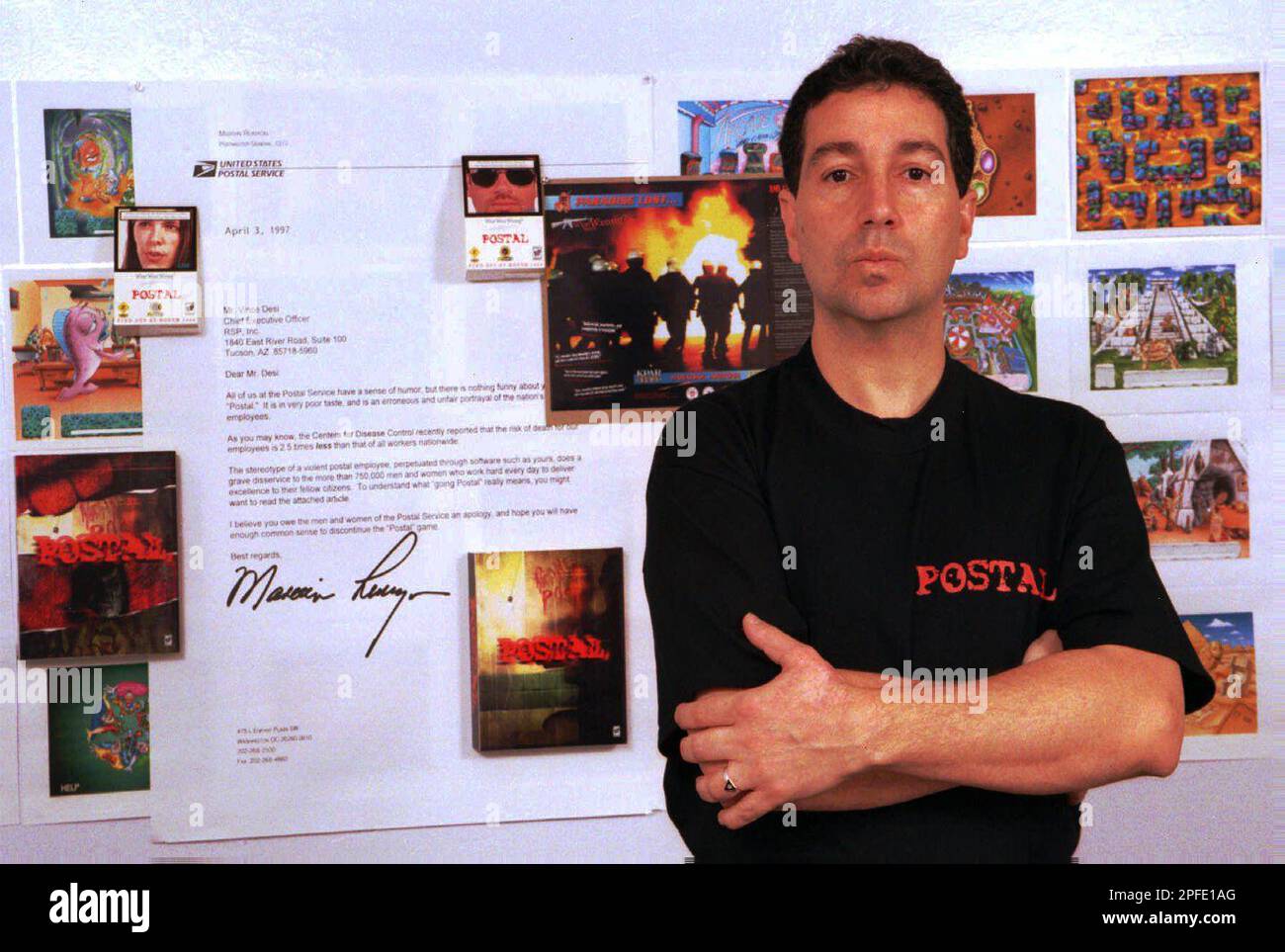
To understand Vince Desi’s net worth in the gaming world today, one must look back at the transition from Riedel Software Productions (RSP) to Running With Scissors. In the early 1990s, RSP was a successful developer of "work-for-hire" titles, often producing educational games and licensed products for companies like Sesame Street and Disney. While these projects provided steady cash flow, they did not offer the creative or financial freedom Desi craved.
In 1996, Desi pivoted the company's direction entirely, rebranding as Running With Scissors. The shift was more than just a name change; it was a move from a service-based model to an IP-ownership model. By developing Postal, a game that traded on extreme irony and dark humor, RWS moved into the high-risk, high-reward territory of self-publishing and independent IP. The original Postal (1997) was a commercial success relative to its modest development budget, establishing a financial foundation that allowed Desi to remain independent for the next thirty years.
The Postal 2 Phenomenon and Long-Term Royalties
If there is a single cornerstone of Vince Desi’s financial portfolio, it is Postal 2. Released in 2003, the game became a lightning rod for controversy, which served as the most effective (and free) marketing campaign in gaming history. While many retail outlets refused to carry the game, the rise of digital distribution platforms like Steam and GOG in the late 2000s and early 2010s gave Postal 2 a second, more profitable life.
Unlike physical retail, where a developer might only see 10-20% of the sale price, digital platforms allow RWS to keep roughly 70% of the revenue. Because Postal 2 was developed on a budget that has long since been recouped, every sale in the last fifteen years has represented nearly pure profit for the studio. The game’s longevity is a testament to Desi’s strategy of maintaining a direct relationship with fans. By 2026, the Postal series has seen multiple expansions and updates, ensuring that the legacy title continues to contribute to Desi’s net worth through consistent passive income.
Diversification: Licensing, Film, and Merchandise
Vince Desi has historically been savvy about extending the RWS brand beyond software. A notable, albeit controversial, contribution to his financial standing was the 2007 Postal film directed by Uwe Boll. While the film was not a box office hit, the licensing fees and international distribution rights provided a capital injection for the studio.
Furthermore, RWS has one of the most robust merchandise operations for a studio of its size. From "Krotchy" plush toys to physical "Big Box" anniversary editions of their games, the company leverages a "direct-to-consumer" model. By cutting out third-party distributors and selling directly through their own web store, Desi ensures that the profit margins on physical goods remain high. This secondary revenue stream is critical for an independent developer, providing a buffer during the long development cycles between major game releases.
Comparative Impact of Postal Releases
The financial health of Running With Scissors can be categorized by the era of its releases. Each major project has contributed differently to the studio's overhead and Desi's personal wealth.
| Era | Primary Title | Financial Impact | Significance to Net Worth |
|---|---|---|---|
| Foundational (1997-2002) | Postal | Moderate | Established the brand and funded RWS headquarters in Tucson. |
| Golden Age (2003-2011) | Postal 2 | High | The primary source of long-term royalty wealth and brand identity. |
| The Digital Pivot (2012-2018) | Postal Redux | Low to Moderate | Focused on porting and modernizing old IP for digital storefronts. |
| Modern Expansion (2019-2026) | Postal 4 / Brain Damaged | Moderate to High | Expanded the audience through spin-offs and a true numbered sequel. |
The Financial Reality of Independent Ownership
In the context of the 2026 gaming market, Desi’s net worth is often misunderstood by those who only look at "Big Tech" valuations. Because Running With Scissors is a private entity, Desi does not have to answer to shareholders or quarterly earnings calls. This allows for a leaner operation. The studio has historically maintained a small, dedicated team, which significantly lowers the "burn rate" (monthly expenses) compared to larger indie studios like Devolver Digital or Team17.
Desi’s wealth is characterized by high equity and low debt. By owning the IP entirely, RWS avoids the predatory publishing deals that often drain the bank accounts of smaller developers. While $5 million may seem modest compared to a "Unicorn" tech founder, it represents a level of financial security and professional autonomy that is rare in the volatile video game industry.
Legal Battles and the Cost of Controversy
No analysis of Vince Desi’s financial history is complete without addressing the legal hurdles. RWS has faced numerous bans in countries like New Zealand and Australia, and legal pressure from figures such as former Senator Joe Lieberman.
Defending a brand against censorship and retail bans involves significant legal fees. These expenses have, at various points, acted as a drain on the company’s cash reserves. However, Desi has often turned these "costs" into "investments" by using the controversy to bolster the "forbidden fruit" appeal of the games. This rebellious branding has created a brand loyalty that traditional marketing cannot buy, arguably increasing the long-term value of the company’s assets.
Frequently Asked Questions
Does Vince Desi own 100% of Running With Scissors?
While the exact ownership structure of the private company is not public, Vince Desi has been the primary figurehead and owner since its inception. He has frequently stated in interviews that the studio remains independent and free from outside corporate investment, suggesting he holds a controlling interest.
How much does the Postal franchise earn annually?
Estimates suggest that across all platforms (Steam, GOG, console ports), the Postal franchise generates between $500,000 and $1.5 million in gross annual revenue, depending on new release cycles and seasonal sales. As the owner of the IP, a significant portion of the net profit after Steam’s 30% cut and developer salaries goes toward company reserves and Desi's earnings.
Did the Postal movie help or hurt Vince Desi's net worth?
Financially, the movie was a net positive for Desi and RWS. While it was a critical failure, the licensing fees paid to RWS provided essential capital during a period when the studio was not releasing major new games. It also expanded the brand's visibility in non-gaming circles.
How has Postal 4: No Regrets impacted his financial standing?
The release of Postal 4 and the spin-off Postal: Brain Damaged marked a major financial uptick for the company in the early 2020s. These titles proved that there was still a market for the franchise, allowing Desi to modernize the studio’s technology stack and secure its financial future through 2026.
Is Vince Desi's wealth comparable to other indie developers?
Desi is wealthier than most "one-hit-wonder" indie developers but has a lower net worth than founders of studios that have been acquired, such as Markus "Notch" Persson (Minecraft) or the founders of Rocket League's Psyonix. His wealth is a "slow and steady" accumulation based on three decades of brand maintenance.
Final Perspective on Vince Desi’s Wealth
Vince Desi’s financial success in the gaming world is a blueprint for niche survival. By focusing on a specific, underserved audience—those who appreciate extreme satire and "trash culture"—he built a business that is remarkably resistant to industry trends. In 2026, his net worth stands as a testament to the power of IP ownership. While he may not be among the wealthiest men in the world, his "wealth" includes total creative control and the ownership of a franchise that continues to generate revenue every time a new gamer discovers the absurdity of Postal 2. For a developer who started by making games about Big Bird, Desi has successfully navigated the most cutthroat industry in the world to emerge as a self-made icon of the independent scene.
Image Gallery