3 Day Upside Down Roller Coaster Incident Explained: Fact vs. Fiction
The widely circulated "3 day upside down roller coaster incident" is an internet myth stemming from viral social media exaggerations of real-world events. In reality, the most significant recent incident occurred in July 2023 at the Fo...
The widely circulated "3 day upside down roller coaster incident" is an internet myth stemming from viral social media exaggerations of real-world events. In reality, the most significant recent incident occurred in July 2023 at the Forest County Festival in Crandon, Wisconsin, where eight passengers were suspended upside down for approximately three to four hours—not three days—following a mechanical failure on the "Fireball" ride.
Contents
The sensationalized headline of a three-day ordeal often appears in "clickbait" contexts or AI-generated misinformation on platforms like TikTok and YouTube. While a few hours upside down is a traumatic and medically dangerous event, a human being could not survive three days in a completely inverted position due to the physiological impact of gravity on the circulatory and respiratory systems. This article examines the actual events that fueled this viral story, the technical reasons behind coaster stalls, and the safety protocols that govern the amusement industry in 2026.
The Reality: The 2023 Crandon, Wisconsin Incident
On July 2, 2023, an afternoon of celebration at the Forest County Festival turned into a rescue operation that captured global attention. The ride involved was the Fireball, a "loop" style attraction manufactured by Larson International. Unlike a traditional roller coaster that travels a complex track, the Fireball operates on a single circular loop, swinging riders back and forth until they eventually complete full 360-degree revolutions.
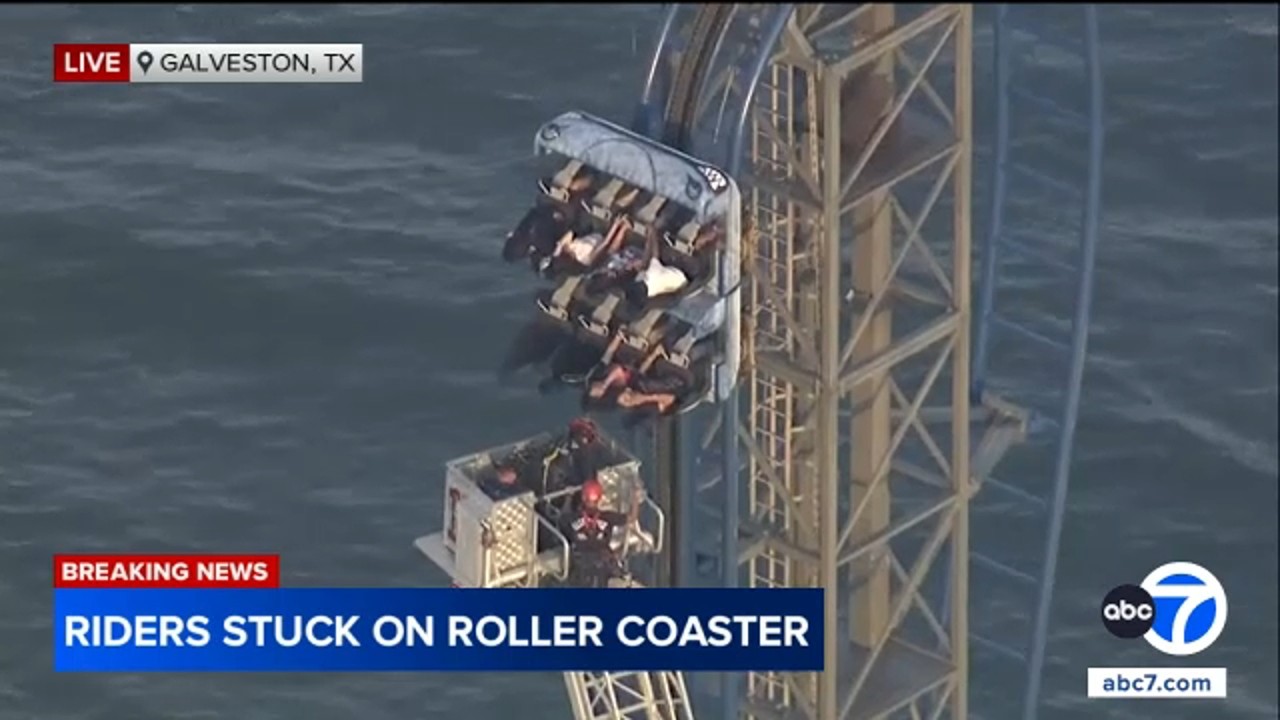
During a routine cycle, the ride experienced a mechanical failure at the peak of its arc, leaving eight passengers—seven of whom were children—suspended roughly 100 feet in the air, completely inverted.
The Rescue Operation
The rescue was particularly complex due to the height of the ride and the limited equipment available in the rural area. Local fire departments from Crandon and surrounding counties responded, but they required specialized ladder trucks capable of reaching 100 feet.
- Arrival of Specialized Equipment: It took nearly 45 minutes for a ladder truck with the necessary height to arrive on the scene from Antigo, Wisconsin.
- The Extraction Process: Rescuers had to climb the ladder and manually secure each passenger in a safety harness before releasing the ride's primary restraints. This process was painstaking, as each passenger’s physical condition had to be assessed while they were still hanging.
- Completion: The last passenger was brought to the ground approximately three and a half hours after the ride initially stalled.
While this event was harrowing, it serves as the factual basis for the exaggerated "3-day" narratives found online. The confusion often arises when social media users conflate different incidents or use hyperbole to increase view counts.
Physiological Limits: Why a 3-Day Incident is Impossible
From a medical perspective, remaining upside down for three days is incompatible with life. The human body is designed to function with gravity pulling blood toward the feet. When inverted, the body faces several critical failures that would lead to death long before the 72-hour mark.
Intracranial Pressure and Brain Hemorrhage
In an inverted position, blood pools in the head. The veins in the brain are not equipped with valves to prevent this backflow. This leads to a massive increase in intracranial pressure. Over several hours, this can cause cerebral edema (swelling of the brain), ruptured blood vessels, and eventually, a fatal stroke or hemorrhage.
Respiratory Distress (Positional Asphyxia)
When upside down, the internal organs—including the liver, stomach, and intestines—shift toward the chest cavity. This puts immense weight on the diaphragm, the primary muscle used for breathing. In an inverted state, the lungs cannot fully expand. This leads to positional asphyxia, where the body slowly starves of oxygen while failing to expel carbon dioxide.
Heart Failure
The heart is accustomed to pumping blood against gravity to reach the brain. When upside down, the heart is suddenly flooded with blood returning from the lower extremities, while simultaneously struggling to pump blood "up" toward the legs. This imbalance often leads to heart failure in a matter of hours, especially under the stress and panic of being trapped on a ride.
Technical Causes: Why Roller Coasters Get Stuck
Modern amusement rides are designed with a "fail-safe" philosophy. This means that if any component fails, the ride is designed to stop in a safe manner. However, "safe" in engineering terms means the ride stops moving to prevent a derailment or collision, which can unfortunately mean stopping in an inconvenient or inverted position.
Mechanical Stalls vs. E-Stops
There are two primary reasons a coaster stops unexpectedly:
- Emergency Stops (E-Stops): Triggered by sensors detecting an anomaly, such as a ride vehicle moving too slowly, a restraint not being fully locked, or a power surge.
- Mechanical Failure: A physical break in the drive chain, a seized bearing, or a structural obstruction. In the Wisconsin incident, a mechanical failure in the drive system prevented the ride from completing its descent from the loop.
The Concept of "Valleying"
In traditional roller coasters (non-powered), "valleying" occurs when a train lacks the momentum to clear a hill or a loop. This is often caused by high winds, cold temperatures (which increase the viscosity of wheel grease), or an under-weighted train. While valleying usually happens at the bottom of a hill (the "valley"), unique track geometries can occasionally cause a stall in more precarious positions.
Comparing Notable Amusement Ride Stalls
To provide context on how long these incidents typically last, the following table compares verified historical events where rides became stuck.
| Location | Year | Ride Name | Number of Passengers | Duration of Stall |
|---|---|---|---|---|
| Crandon, WI | 2023 | Fireball | 8 | ~3.5 Hours |
| Portland, OR | 2024 | AtmosFEAR | 28 | ~30 Minutes |
| Mexico City | 2023 | Superman | 20+ | ~2 Hours |
| Skegness, UK | 2024 | Super Star | 25 | ~2 Hours |
| Universal Studios, FL | 2013 | Rip Ride Rockit | 12 | ~2.5 Hours |
As the data indicates, even the most severe incidents are measured in hours, not days. The infrastructure of modern amusement parks and the rapid response of local emergency services ensure that passengers are extracted as quickly as safety allows.
Safety Regulations and Industry Standards in 2026
By 2026, safety regulations for amusement rides have become even more stringent, driven by the data collected from incidents like the 2023 Fireball stall. The primary governing body for these standards is ASTM International, specifically Committee F24 on Amusement Rides and Devices.
Redundant Restraint Systems
Rides are now frequently required to have "redundant" systems. This means that even if the primary hydraulic lock fails, a secondary mechanical latch prevents the restraint from opening. In the Crandon incident, the restraints held perfectly; the issue was the inability to move the ride itself to a position where passengers could safely exit.
Remote Diagnostics and Manual Overrides
Newer rides are equipped with advanced remote diagnostic tools. In many cases, engineers can now use manual hydraulic overrides to slowly lower a ride to its home position even in the event of a total power or computer failure.
For more information on safety standards, the International Association of Amusement Parks and Attractions (IAAPA) provides resources on the rigorous training required for ride operators and the annual inspection cycles mandated by most state governments.
Frequently Asked Questions
Has anyone ever actually been stuck upside down for 3 days?
No. There is no documented case in the history of amusement parks where passengers were stuck upside down for three days. Such an event would be physically unsurvivable. The "3 day" figure is a product of social media misinformation.
What should you do if you are stuck on a roller coaster?
The most important action is to remain calm and keep your head back against the seat. Avoid struggling against the restraints, as this can lead to exhaustion and increased heart rate. Trust that the ride’s fail-safe systems are holding you securely and that emergency protocols are already in motion.
Why does it take so long to rescue people from a stuck ride?
Rescues are slow because they must be performed with extreme caution. Releasing a restraint while someone is 100 feet in the air requires the person to be individually harnessed to a rescue worker or a ladder bucket. Any sudden movement of the ride during the rescue could be catastrophic, so the ride must be mechanically "pinned" or locked before extraction begins.
Do roller coasters have a backup power supply?
Most modern parks have backup generators to return rides to their loading stations in the event of a power outage. However, if the stall is caused by a mechanical break (like a snapped cable or a jammed wheel), a backup power supply will not help, as the physical mechanism is blocked.
Are roller coasters safer in 2026 than in the past?
Statistically, yes. According to data from the National Safety Council, the chance of being seriously injured on a fixed-site amusement ride is approximately 1 in 15.5 million rides. Enhanced sensor technology and stricter state-level inspection mandates have further reduced the frequency of mechanical stalls.
Practical Advice for Park-Goers
While incidents are rare, being an informed visitor can increase your safety and peace of mind. Before boarding a ride, ensure that you meet all height and health requirements. If you have a history of circulatory issues or high blood pressure, consult a physician before riding attractions that involve significant "G-forces" or prolonged inversion.
If you witness a ride stall, do not attempt to help by entering restricted areas. The best course of action is to notify park staff immediately and allow trained maintenance and emergency personnel to execute their established rescue plans.
Image Gallery