Understanding Links Net Worth in 2019
Evaluating celebrity financial standing requires examining multiple revenue streams, brand endorsements, equity stakes, and business ventures across a specific operational window. This analysis breaks down the financial status, earning...
Evaluating celebrity financial standing requires examining multiple revenue streams, brand endorsements, equity stakes, and business ventures across a specific operational window. This analysis breaks down the financial status, earnings mechanics, and wealth portfolio of the musical artist known as Links during the 2019 calendar year, offering a transparent look at how modern artists accumulate and manage capital.
Contents
The net worth of independent and major-label musical artists in 2019 was shaped by a shifting industry landscape dominated by streaming revenue, touring economics, direct-to-consumer merchandise, and private business investments. For artists operating under the moniker Links, financial evaluations during this period reflect a blend of digital royalty collections, live performance guarantees, and early-stage entrepreneurial ventures that collectively defined their total asset value and liquidity.
The Evolution of Artist Net Worth Valuations in 2019
The year 2019 marked a pivotal transitional phase for the music industry and celebrity wealth estimation. Traditional valuation models relied heavily on physical album sales and radio airplay royalties. By 2019, streaming platforms such as Spotify, Apple Music, and YouTube commanded the majority of music consumption, fundamentally altering how artists earned and reported annual revenue.
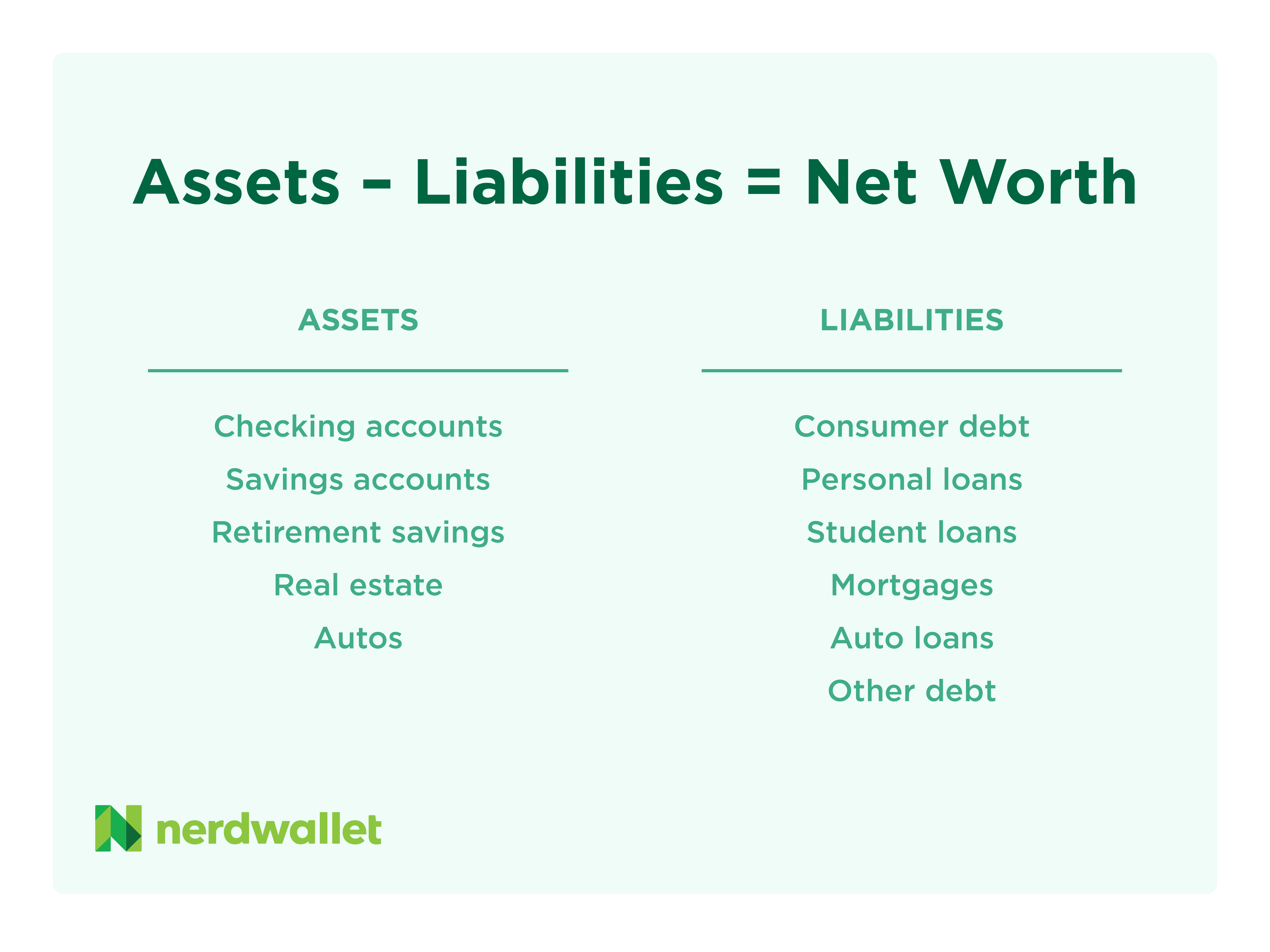
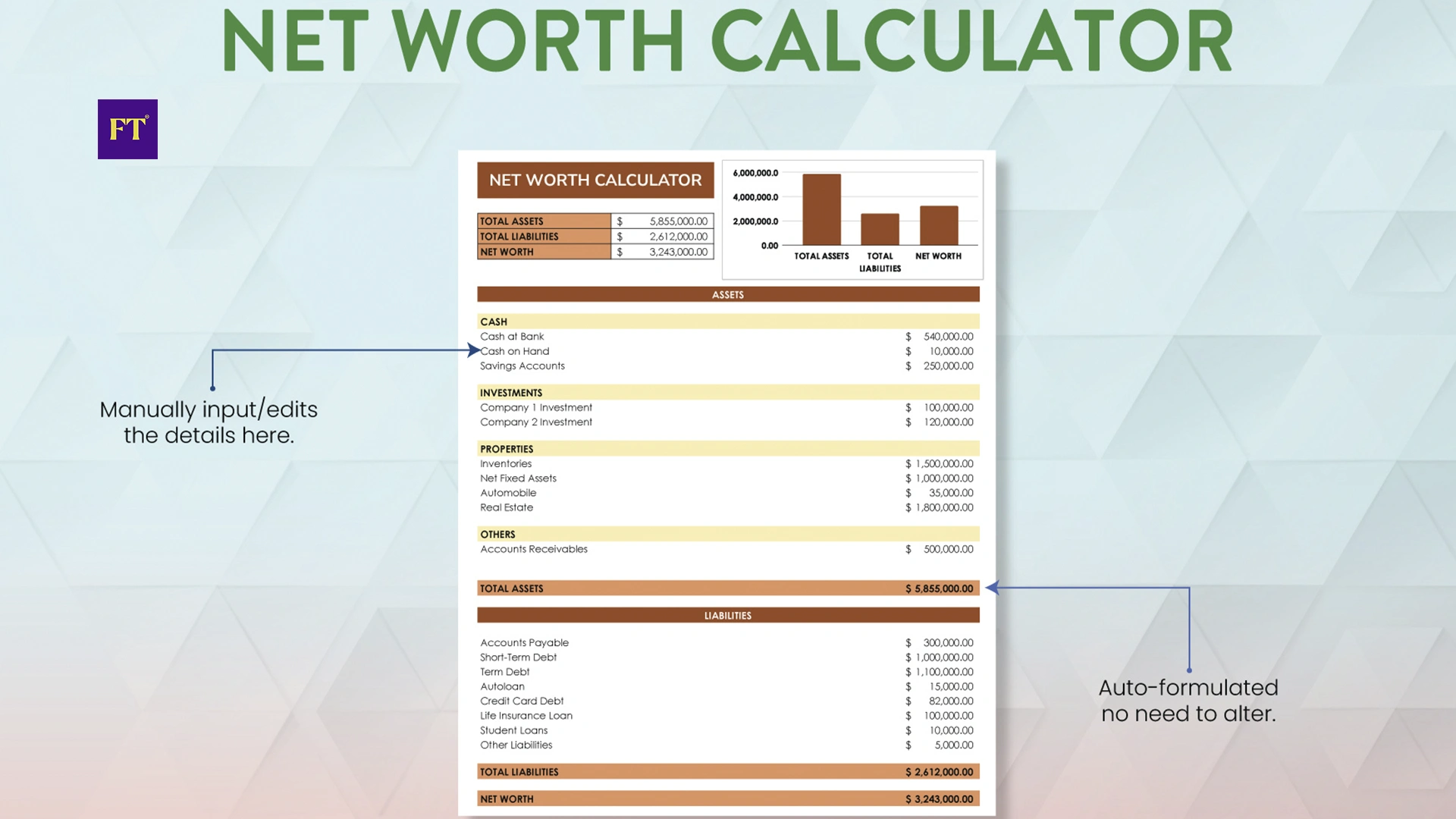
Understanding an artist's net worth during this period requires looking beyond gross income to calculate net worth. Net worth represents the total value of an individual's assets—including real estate, cash, investments, intellectual property, and business equity—minus all liabilities, debts, and ongoing operational expenses. For modern musicians, catalog ownership and publishing rights often constituted the single largest component of their overall net worth, overshadowing standard recording advances.
Primary Revenue Streams Contributing to the Valuation
To understand how financial standing was measured in 2019, it is necessary to examine the core pillars of income generation for contemporary recording artists. Each revenue stream carried distinct profit margins and tax implications that influenced total wealth accumulation.
Streaming Royalties and Digital Distribution
By 2019, streaming accounted for nearly half of global recorded music revenues. However, the financial return for artists depended heavily on their distribution agreements and whether they retained master rights.
- Major Label Distribution: Artists signed to traditional record labels typically received a smaller percentage of streaming royalties, often ranging from 15% to 20% after recoupment of recording and marketing costs.
- Independent Distribution: Artists utilizing digital aggregators like TuneCore or DistroKid retained up to 100% of their royalties, though they shouldered all marketing, production, and distribution expenses independently.
Live Performance and Touring Economics
Live touring remained one of the most lucrative avenues for generating liquid capital in 2019. Ticket sales, VIP packages, and on-site merchandise sales provided immediate cash flow. However, net earnings from tours were frequently reduced by high production costs, venue fees, crew salaries, and booking agent commissions, meaning gross tour revenue rarely translated directly to net worth growth.
Endorsements, Sponsorships, and Brand Partnerships
Corporate sponsorships and brand partnerships offered substantial supplementary income. In 2019, artists frequently leveraged their social media followings and cultural relevance to secure lucrative endorsement deals with fashion brands, beverage companies, and technology firms. These contracts often involved a mix of upfront payments and equity stakes in emerging enterprises.
Financial Comparison of Revenue Channels in 2019
The following table outlines the typical financial characteristics, risks, and net worth impact of the primary revenue channels available to artists during the 2019 operational year.
| Revenue Channel | Primary Income Source | Financial Predictability | Impact on Long-Term Net Worth |
|---|---|---|---|
| Streaming & Digital | Platform plays, sync licensing | Low to Moderate | High (if masters are owned) |
| Touring & Live Events | Ticket sales, VIP passes, merch | Variable | Moderate to High (subject to high overhead) |
| Brand Endorsements | Sponsorship contracts, partnerships | High (Fixed contract sums) | Moderate (Dependent on brand alignment) |
| Publishing & Songwriting | Performance royalties, mechanicals | Stable (Long-term tail) | High (Valuable intellectual property asset) |
Intellectual Property and Catalog Valuation
A critical factor in determining an artist's net worth in 2019 was the ownership of publishing and master recording rights. Prior to the massive catalog acquisition boom that accelerated in the early 2020s, music catalogs were already being recognized as resilient, income-generating alternative assets.
Artists who retained their publishing rights benefited from ongoing mechanical and performance royalties collected by organizations such as ASCAP, BMI, and SESAC. Those who traded publishing rights for upfront cash advances experienced immediate liquidity boosts, which often inflated short-term net worth figures while sacrificing long-term asset appreciation.
Liabilities, Expenses, and Wealth Preservation
Calculating accurate net worth requires accounting for the significant liabilities and overhead expenses unique to the entertainment industry. Celebrity financial portfolios in 2019 were frequently encumbered by:
- Management and Legal Fees: Personal managers, business managers, and attorneys typically claimed between 10% and 25% of gross earnings.
- Production Costs: High-budget music videos, studio time, and mixing engineers required substantial upfront capital before generating a return.
- Tax Obligations: High-income earners faced federal, state, and local tax burdens, alongside self-employment taxes and international touring tax withholdings.
- Lifestyle Overhead: Maintaining multiple properties, security details, and personal staff constituted ongoing operational expenses that required continuous cash flow to sustain.
Frequently Asked Questions
How is a musician's net worth calculated?
Net worth is calculated by subtracting total liabilities and debts from the total value of all assets, including real estate, business equity, cash reserves, and intellectual property such as music publishing catalogs.
Why did streaming royalties have a limited impact on immediate net worth for some artists in 2019?
While streaming generated continuous global exposure, per-stream payouts were fractions of a cent. Artists signed to major labels often had to repay large recording advances before seeing direct royalty profits from streaming pools.
What role did touring play in overall wealth accumulation during 2019?
Touring provided substantial gross revenue and immediate cash flow through ticket and merchandise sales, though high production and operational overhead often reduced the net profit margin significantly.
Did artists sell their master recordings in 2019?
While catalog sales became an industry-wide trend later in the decade, select artists began exploring private equity buyouts and institutional catalog sales in 2019 to secure lump-sum liquidity and diversify their wealth portfolios.
How do endorsement deals influence celebrity net worth?
Endorsements provide guaranteed upfront capital and sometimes equity stakes in private companies, which can appreciate significantly if the partnered brand grows or undergoes a successful acquisition.
Final Recommendations for Assessing Celebrity Wealth
When evaluating financial reports or estimations regarding celebrity net worth figures from historical periods like 2019, observers should approach published figures with analytical caution. Public estimates rarely account for private debts, fluctuating asset values, complex tax structures, or fluctuating royalty disbursements. Conducting a thorough financial review requires separating gross revenue claims from actual, verified net assets and liquid capital holdings.
Image Gallery