Understanding Whole Life Insurance Rates for a 55 Year Old
For a 55-year-old, whole life insurance rates typically range from $180 to $550 per month for a $100,000 death benefit, depending heavily on gender, health classification, and smoking status. Because these policies offer guaranteed dea...
For a 55-year-old, whole life insurance rates typically range from $180 to $550 per month for a $100,000 death benefit, depending heavily on gender, health classification, and smoking status. Because these policies offer guaranteed death benefits and cash value accumulation that lasts a lifetime, premiums are significantly higher than term insurance but remain locked in for life once the policy is issued.
Contents
The Significance of Age 55 in Life Insurance Planning
Reaching age 55 often triggers a shift in financial priorities. For many, this is a "late-career" phase where the focus moves from high-growth accumulation to wealth preservation and estate planning. In 2026, the life insurance market treats age 55 as a critical threshold. It is the age where many insurers begin to tighten underwriting requirements for permanent policies, yet it remains the most viable window to secure a policy before the steeper rate hikes that typically occur after age 60.
Whole life insurance at this stage serves two primary functions: providing a guaranteed legacy for heirs and acting as a non-correlated asset through its cash value component. Unlike term insurance, which is designed to cover temporary debts like a mortgage, whole life insurance is designed to be permanent. For a 55-year-old, this means the policy will be there whether they pass away at 65 or 105.
Understanding the rates at this age requires a deep dive into how insurance companies calculate risk. At 55, the "net amount at risk" for the insurance company is higher than it would be for a 30-year-old. Consequently, the premium must be sufficient to cover the eventual death benefit while also funding the cash value account that the policyholder can access during their lifetime.
Primary Factors Influencing Whole Life Rates at 55
While age is the baseline, several other variables dictate the final premium you will pay. In 2026, insurers utilize more sophisticated data modeling, but the core underwriting pillars remain the same.
Health Classification and Medical Underwriting
The medical exam, often called a "paramed," is the most significant factor for a 55-year-old. Insurers look for "preferred plus" candidates—those with excellent blood pressure, cholesterol ratios, and no history of chronic illness. At 55, many applicants fall into the "standard" or "standard plus" categories due to common age-related conditions like mild hypertension or controlled type 2 diabetes.
Even if you have health issues, "rated" policies are available, though they come with a "table rating" that increases the premium by a certain percentage (often 25% per table) above the standard rate.
Gender and Longevity
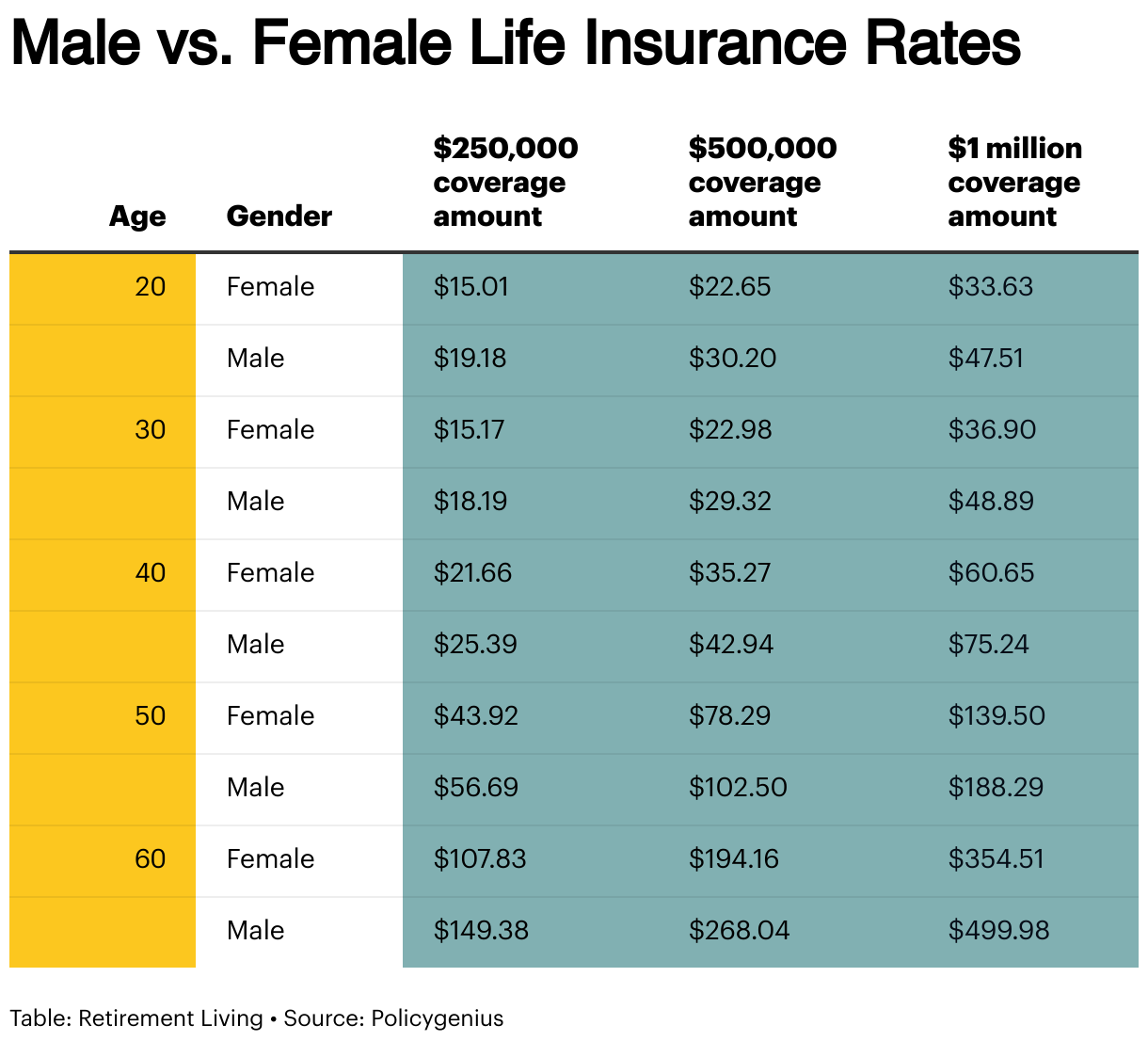
Statistically, women have a longer life expectancy than men. Therefore, a 55-year-old female will consistently pay lower premiums for the same amount of whole life coverage than a 55-year-old male. This gap reflects the insurance company's expectation that they will collect premiums from a female policyholder for more years before paying out a claim.
Smoking Status
Tobacco use remains the single most expensive habit in the insurance world. A 55-year-old smoker can expect to pay double or even triple the rate of a non-smoker. In 2026, this category also includes most forms of nicotine replacement therapy and vaping, although some carriers have begun to offer "non-tobacco" rates for occasional cigar smokers or those who have successfully transitioned to nicotine-free alternatives for over 12 months.
Face Value and Policy Structure
The amount of coverage (face value) you choose directly impacts the premium. However, the structure of the policy also matters. For example, a "Level Premium" policy stays the same forever, while a "Limited Pay" policy (such as a 10-pay or 20-pay) allows you to pay higher premiums for a set period, after which the policy is "paid up" and requires no further contributions.
Estimated Whole Life Rates for a 55-Year-Old (2026 Estimates)
The following table provides estimated monthly premiums for a $100,000 whole life insurance policy. These figures assume a non-tobacco user in various health classes.
| Gender | Health Classification | $100,000 Death Benefit | $250,000 Death Benefit | $500,000 Death Benefit |
|---|---|---|---|---|
| Male | Preferred Plus | $195.00 | $470.00 | $925.00 |
| Male | Standard | $265.00 | $640.00 | $1,250.00 |
| Male | Smoker (Standard) | $510.00 | $1,240.00 | $2,450.00 |
| Female | Preferred Plus | $170.00 | $410.00 | $805.00 |
| Female | Standard | $225.00 | $545.00 | $1,070.00 |
| Female | Smoker (Standard) | $415.00 | $1,010.00 | $1,990.00 |
Note: These rates are illustrative estimates for 2026 and vary by carrier. Actual quotes require a full medical history and underwriting.
The Cash Value Component: Why the Premium is High
One of the most misunderstood aspects of whole life insurance for 55-year-olds is the cash value. Unlike term insurance, where the premium is "lost" if you outlive the term, a portion of every whole life premium payment goes into a cash accumulation account.
By age 55, the time for this cash value to compound is shorter than for a younger buyer. This is one reason why the premiums are higher; the policy must build equity faster to remain viable. By the time the policyholder reaches 75 or 85, the cash value can be significant, offering a source of tax-advantaged loans or a way to supplement retirement income if the death benefit is no longer the primary concern.
In 2026, many policies also offer "participating" structures, where the insurance company pays dividends to policyholders. These dividends can be used to purchase "paid-up additions," which increase both the death benefit and the cash value growth without requiring additional out-of-pocket medical exams or premium increases.
Comparing Whole Life to Other Options at 55
Before committing to the higher rates of whole life insurance, it is essential to compare it to other permanent and temporary options available to the 55-year-old demographic.
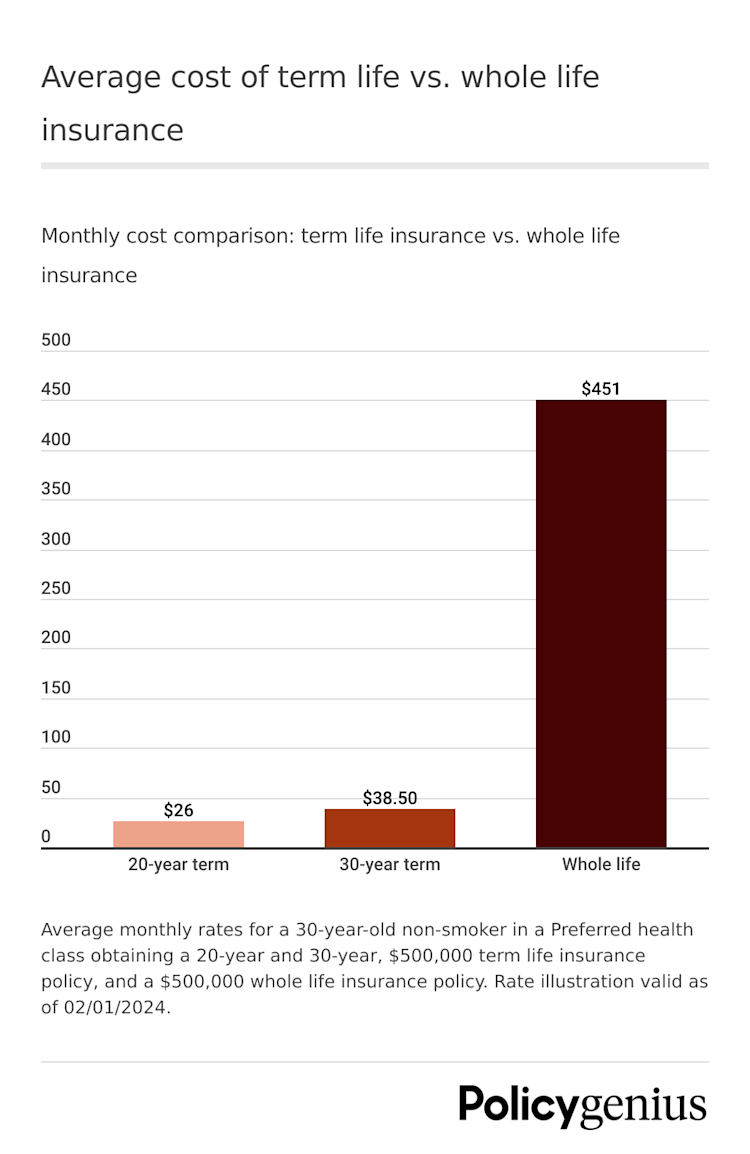
- Term Life Insurance: A 20-year term policy for a 55-year-old is much more affordable and will cover the individual until they are 75. If the goal is simply to protect a spouse until retirement accounts are fully vested, term is often the better financial move.
- Guaranteed Universal Life (GUL): Often called "Term to 100," GUL provides a permanent death benefit but usually has little to no cash value. For a 55-year-old who wants the certainty of a payout but doesn't want to pay for the "investment" side of whole life, GUL can be 20% to 40% cheaper.
- Final Expense Insurance: These are smaller whole life policies (usually $5,000 to $25,000) designed specifically for burial costs. They often have "simplified issue" underwriting, meaning no medical exam, but the price per thousand dollars of coverage is much higher than a standard whole life policy.
Strategic Uses of Whole Life for the 55+ Demographic
At age 55, whole life insurance is rarely about "replacing income" for a young family. Instead, it is used for:
- Estate Liquidity: If you have illiquid assets, like a family business or real estate, a whole life policy provides immediate cash to pay estate taxes or equalize an inheritance among heirs.
- Charitable Giving: Naming a charity as the beneficiary of a permanent policy ensures a significant gift that is not subject to the delays of probate.
- Long-Term Care Riders: Many whole life policies in 2026 include "accelerated death benefit" riders. These allow a 55-year-old to access a portion of the death benefit while still living if they are diagnosed with a chronic or terminal illness, providing a hedge against long-term care costs.
Common Mistakes When Buying Life Insurance at 55
One frequent error is underestimating the impact of medical history. Many 55-year-olds assume that because they "feel fine," they will qualify for preferred rates. However, insurers look at prescription histories and laboratory results from the last 10 years. It is often beneficial to work with an independent broker who can "shop" your specific health profile across multiple carriers to find the one that views your condition most favorably.
Another mistake is choosing a policy that is too large. Because whole life premiums are high, you must be certain the premium is sustainable for the next 30 years. If you stop paying the premium in the first few years because it's too expensive, you may lose the coverage and have very little cash value to show for it. It is often better to buy a smaller permanent policy that you are certain you can afford, and supplement it with a term policy for temporary needs.
Disclaimer: Life insurance products and regulations vary by jurisdiction. This information is for educational purposes and does not constitute financial, legal, or tax advice. Consult with a licensed insurance professional or financial advisor before making any purchase decisions.
Frequently Asked Questions
Can I get whole life insurance at 55 if I have a pre-existing condition?
Yes, you can generally secure coverage, but your rates will be higher. Many insurers specialize in "impaired risk" underwriting for common 55+ conditions like heart disease or diabetes. If your condition is well-managed, you may receive a "Standard" or "Table B" rating. If the condition is severe, you might be limited to a "guaranteed issue" policy, which has lower coverage limits and a waiting period before the full death benefit is active.
Why is whole life so much more expensive than term life for a 55-year-old?
Whole life insurance is more expensive because it is guaranteed to pay out as long as you keep the policy in force. Term insurance only pays out if you die within a specific window (e.g., 20 years). Since the probability of a 55-year-old passing away eventually is 100%, the insurer must charge enough to cover that guaranteed future claim while also building cash value.
Can I use the cash value of my policy to pay for my retirement?
You can access the cash value through withdrawals or policy loans. However, it is important to remember that withdrawals reduce the death benefit, and loans accrue interest. If a loan is not repaid, the balance is deducted from the death benefit when you pass away. Using a policy for retirement income requires careful planning to ensure the policy does not lapse.
Is it better to buy one large policy or several smaller ones?
For many 55-year-olds, a "laddered" approach works best. You might buy a $50,000 whole life policy to cover final expenses and estate costs permanently, and a $200,000 15-year term policy to cover your remaining mortgage and your spouse’s transition into social security. This provides the most coverage during your highest-risk years while keeping long-term costs manageable.
How long does it take for a whole life policy to build cash value?
Typically, it takes between 10 and 15 years for the cash value of a whole life policy to equal the total amount of premiums paid. In the early years, most of your premium goes toward commissions and the cost of insurance. This is why whole life should be viewed as a long-term commitment rather than a short-term savings vehicle.
Final Recommendation
If you are 55 and considering whole life insurance, your next step should be to obtain a "fully underwritten" quote. Avoid "guaranteed issue" or "no-medical-exam" policies unless you have severe health issues, as these are significantly more expensive per dollar of coverage. Instead, opt for the medical exam to prove your health status, which can save you thousands of dollars over the life of the policy. Secure your coverage sooner rather than later, as every year you wait increases the permanent premium and reduces the time your cash value has to grow.
Image Gallery