Where Is the Best Place to Buy Gold Chains: A Comprehensive Buyer’s Guide
Finding the best place to buy gold chains depends heavily on whether you prioritize verified metal purity, bespoke craftsmanship, immediate physical possession, or wholesale pricing. Because fine jewelry represents a significant financ...
Finding the best place to buy gold chains depends heavily on whether you prioritize verified metal purity, bespoke craftsmanship, immediate physical possession, or wholesale pricing. Because fine jewelry represents a significant financial investment, evaluating retail channels requires understanding karat weights, construction types, pricing transparency, and return protections.
Contents
Understanding Your Priorities: Retail Stores vs. Online Jewelers
The search for the best place to buy gold chains often begins with a fundamental choice: traditional brick-and-mortar storefronts or digital-first fine jewelry platforms. Each marketplace model offers distinct advantages and inherent trade-offs regarding cost, inspection opportunities, and customer service.
Traditional Brick-and-Mortar Jewelry Stores
Local independent jewelers and established national chains provide a tactile shopping experience that online platforms cannot replicate. When you walk into a physical storefront, you can physically handle the merchandise, feel the weight of different karats, and inspect link flexibility under professional lighting.
- Pros: Immediate availability, zero shipping risks, face-to-face negotiation, and the ability to test clasp security and link fluidity on the spot.
- Cons: Higher retail markups driven by physical overhead (rent, insurance, staffing), limited inventory compared to vast online warehouses, and high-pressure sales environments.
Specialized Online Fine Jewelers
Digital marketplaces and direct-to-consumer fine jewelry brands have revolutionized how consumers purchase precious metals. Because these companies operate without expensive retail storefronts in high-end shopping districts, they frequently pass significant savings on to the consumer.
- Pros: Competitive pricing, extensive selections spanning multiple weights and lengths, transparent product specifications, and convenient home delivery.
- Cons: Inability to inspect the piece prior to purchase, reliance on high-resolution photography and millimeter measurements, and potential shipping delays or return complications.
Key Factors That Define a Reputable Gold Chain Vendor
Regardless of whether you choose a local artisan or an international online retailer, certain non-negotiable standards distinguish a trustworthy merchant from an opportunistic seller. Knowing these markers protects you from counterfeit metals, hollow pieces masquerading as solid gold, and inflated pricing.
Hallmarking and Purity Certification
A legitimate gold chain must carry official hallmarks stamped directly onto the piece—usually near the clasp. These stamps indicate the karat purity (such as 14K or 18K) and the manufacturer's trademark or maker's mark.
Pure 24-karat gold is too soft for daily jewelry wear, which is why it is alloyed with other metals like copper, silver, and zinc to create durable chains. Reputable vendors clearly disclose the exact gold purity, distinguishing between solid gold, gold-filled, and gold-plated items. Be wary of ambiguous terms like "gold tone" or unverified descriptions that obscure the actual gold content.
Weight Transparency and Pricing Models
Gold is traded globally on commodities markets by weight, typically measured in grams or pennyweights. The best place to buy gold chains will price their merchandise proportionally to the current spot price of gold, factoring in a reasonable manufacturing and retail markup (known as the "designer premium").
If an online seller lists a gold chain without disclosing its exact weight in grams, exercise caution. Transparent vendors list the gram weight, length, and millimeter width, allowing you to calculate precisely how much you are paying per gram of precious metal.
Return Policies, Warranties, and Appraisals
Fine jewelry purchases require robust consumer protections. A trustworthy seller should offer a clear, reasonable return or exchange window (typically 14 to 30 days) and a manufacturer's warranty against structural defects. For higher-end pieces, the vendor should provide a formal certificate of authenticity or an independent appraisal suitable for insurance scheduling.
Comparison of Gold Chain Purchasing Channels
| Purchasing Channel | Price Competitiveness | Inspection & Touch | Customization Options | Return & Guarantee Security |
|---|---|---|---|---|
| Local Independent Jewelers | Moderate to High | Excellent | High (Custom links, sizing) | High (In-person processing) |
| Direct-to-Consumer Online Brands | High | None (Photos/Specs only) | Moderate | High (Subject to mail-in policies) |
| High-End Luxury Houses | Premium / Luxury | Excellent | Low (Standardized collections) | Very High |
| Secondary Markets / Pawn Shops | Very High (Bargain potential) | Varies by vendor | None | Low (Often final sale or strict limits) |
Evaluating Chain Styles and Construction
Where you buy often dictates the variety of styles available. Understanding how a chain is constructed helps you match your purchase lifestyle to the right vendor.
Solid vs. Hollow vs. Semi-Hollow Chains
- Solid Chains: Composed entirely of solid gold throughout each link. They offer maximum durability, retain higher scrap value, and resist kinking, though they command a higher initial price tag.
- Hollow Chains: Manufactured with empty space inside the links. They provide a bold, thick look with a lightweight feel and lower cost. However, they dent easily and are difficult to repair if crushed.
- Semi-Hollow Chains: A middle-ground option offering slightly more wall thickness than hollow chains, balancing durability with affordability.
Popular Link Profiles
Different vendors specialize in specific weaving techniques. Understanding these profiles ensures you buy from a specialist rather than a general retailer:
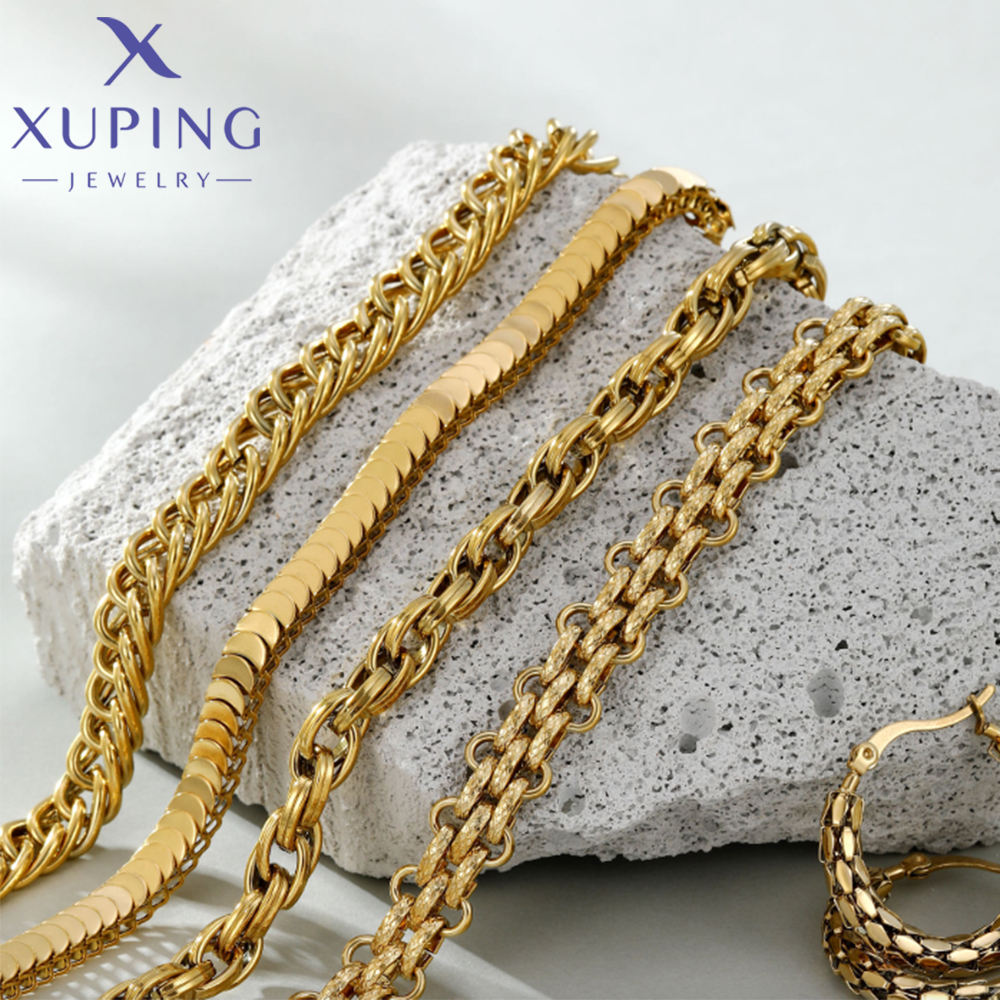
- Cuban Link: A dense, interlocking pattern with slightly flattened links. It is durable, masculine, and widely available across almost all retail channels.
- Figaro: Features a repeating pattern of short circular links interspersed with an elongated oval link. It offers a classic European aesthetic.
- Rope: Twisted metal strands that create a dynamic, light-reflecting helix. Rope chains are strong but can trap hair or dirt if worn continuously.
- Franco: A tightly interlocking, square-shaped chain structure that offers exceptional strength and a modern, geometric look.
Frequently Asked Questions
How can I verify that a gold chain is real?
Check the piece for a purity stamp (e.g., 10K, 14K, 18K) using a magnifying loupe. You can also perform a magnet test—real gold is not magnetic, so if the chain sticks strongly to a magnet, it contains base metals. For definitive proof, take the piece to a professional jeweler for acid testing or electronic gold-testing spectrometry.
Is it cheaper to buy gold chains online or in-store?
Online retailers are generally less expensive because they lack the overhead expenses of physical storefronts in prime real estate locations. However, local jewelers may offer price-matching, immediate availability, and savings on shipping or insurance fees.
What is the most durable karat weight for everyday wear?
Fourteen-karat (14K) gold is widely considered the best balance of purity and durability for daily wear. Because it is 58.3% pure gold and 41.7% alloy metals, it resists scratching and bending much better than 18K or 24K gold, making it ideal for chains worn 24/7.
Should I buy hollow or solid gold chains?
If your budget allows and you want a lifetime piece that can be easily repaired if snagged, buy a solid gold chain. If you want a substantial, thick appearance without a heavy weight or high cost, a hollow chain is a suitable alternative provided you handle it with care.
Do gold chains hold their financial value?
Gold chains retain intrinsic value based on their metal weight and current spot prices, but retail purchases include manufacturing markups that you will not recover if you sell the piece for scrap. Fine jewelry is primarily an aesthetic and personal investment rather than a liquid financial asset.
Conclusion and Next Actions
Finding the best place to buy gold chains comes down to balancing your budget, security expectations, and desire for physical inspection. Before making a purchase, determine whether you need a daily-wear solid piece or a budget-friendly hollow design, verify the vendor's return policy, and check for official karat hallmarks. Compare gram weights across multiple platforms to ensure fair pricing relative to current market values, and always secure independent appraisal documentation for high-value investments.
Image Gallery