Cloud Security IANS Update Overview: Navigating Evolving Enterprise Threat Landscapes
Cloud security strategies require continuous refinement as enterprise workloads scale, multi-cloud architectures mature, and threat vectors grow increasingly sophisticated. The IANS Research updates provide senior security leaders with...
Cloud security strategies require continuous refinement as enterprise workloads scale, multi-cloud architectures mature, and threat vectors grow increasingly sophisticated. The IANS Research updates provide senior security leaders with practical guidance on architectural governance, tooling consolidation, and risk management frameworks designed to secure modern distributed infrastructure.
Contents
Navigating the complexities of cloud security demands an understanding of architectural shifts, shared responsibility models, and the integration of automated posture management tools. Enterprise security architecture must balance velocity and control, ensuring that rapid cloud deployment does not introduce systemic vulnerabilities across development pipelines or production environments.
Core Pillars of Modern Cloud Security Architecture
Modern cloud security architecture moves away from perimeter-based defenses toward Zero Trust principles, identity-first strategies, and continuous compliance monitoring. Security teams must account for the distributed nature of cloud-native applications, which span multiple public cloud providers, on-premises data centers, and hybrid environments.
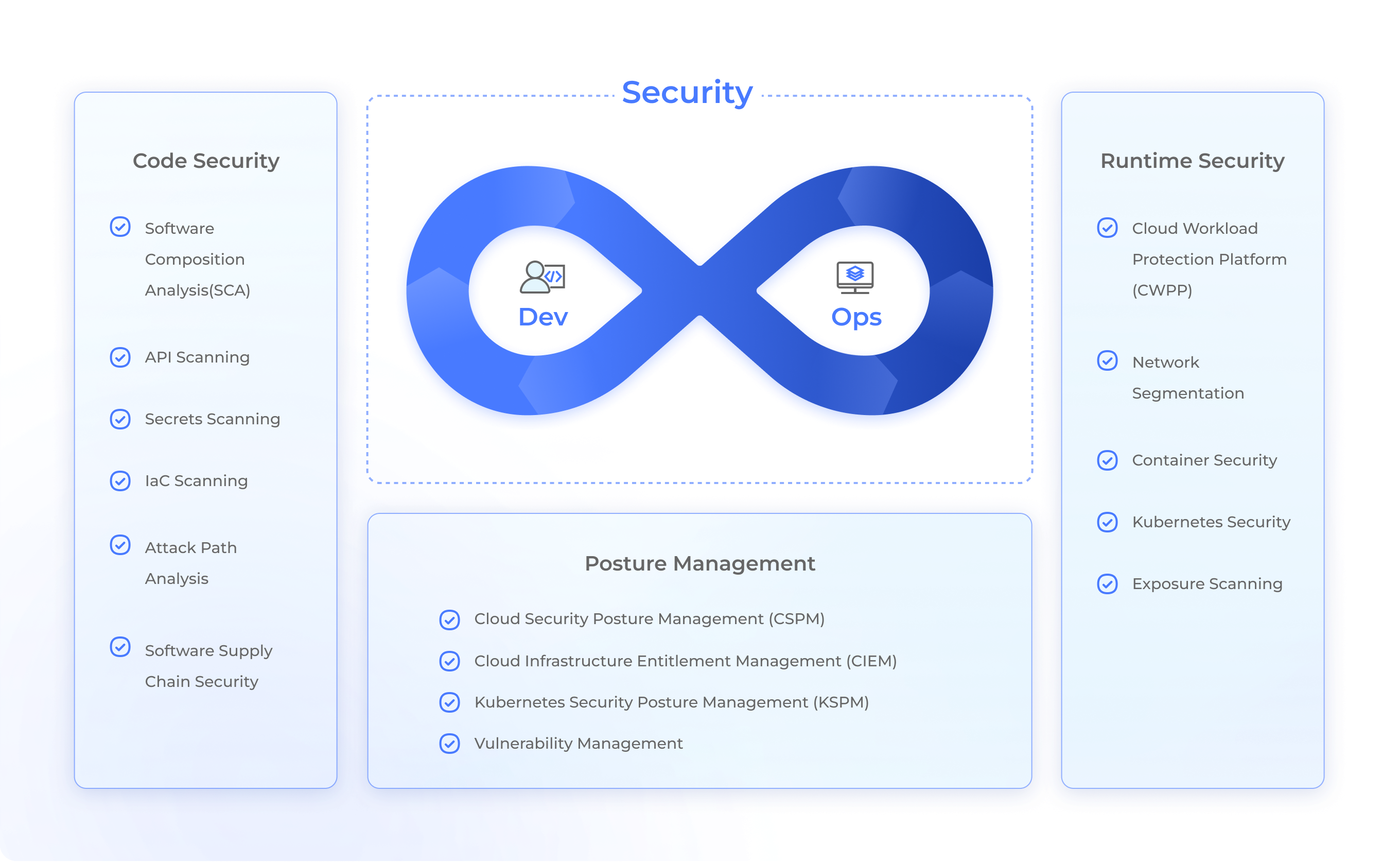
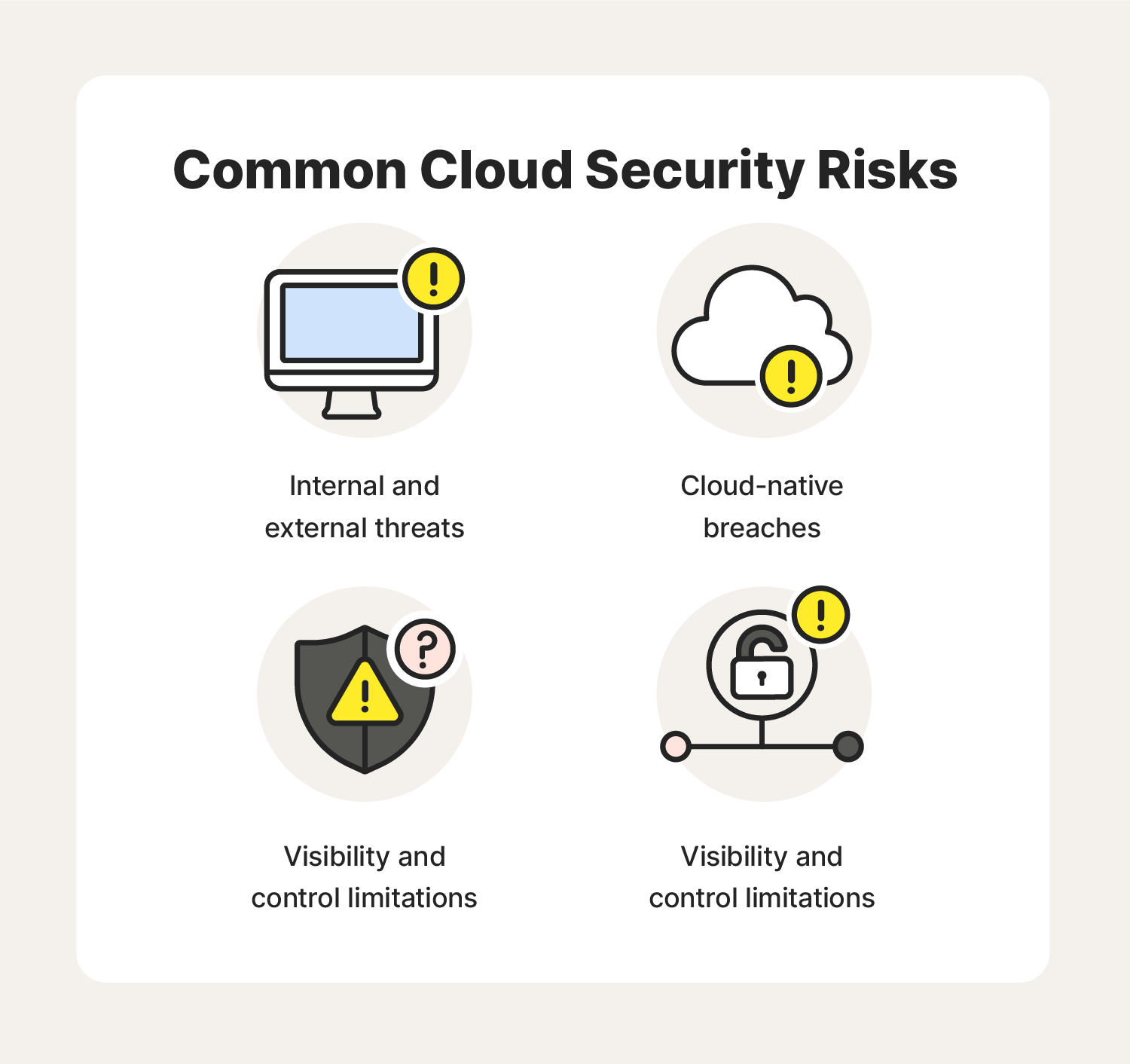
The foundation of a resilient cloud security program relies on robust identity and access management (IAM), infrastructure as code (IaC) scanning, and runtime threat detection. Organizations frequently encounter challenges when legacy security controls are retrofitted onto dynamic, containerized workloads. Establishing clear visibility across cloud assets remains a primary requirement for effective risk mitigation.
Identity-First Security and Least Privilege Access
Identity has become the primary security perimeter in cloud environments. Traditional network controls are insufficient when workloads communicate dynamically across public internet boundaries and multi-tenant architectures. Implementing an identity-first approach requires rigorous enforcement of the principle of least privilege, minimizing the blast radius of compromised credentials.
Key components of cloud identity governance include:
- Centralized Identity Providers (IdPs): Integrating cloud platforms with enterprise directory services to streamline authentication and enforce multi-factor authentication (MFA).
- Granular Access Policies: Restricting permissions for both human users and non-human identities, such as service accounts, API keys, and serverless functions.
- Continuous Permission Auditing: Regularly reviewing and pruning over-provisioned roles using automated cloud entitlements management tools.
Infrastructure as Code and Shift-Left Security
As infrastructure is increasingly defined through code using tools like Terraform, AWS CloudFormation, and Kubernetes manifests, security practices must shift left into the development lifecycle. Detecting misconfigurations before resources are deployed to production prevents costly remediation efforts and drastically reduces exposure to data breaches.
Integrating security scanners directly into continuous integration and continuous deployment (CI/CD) pipelines allows developers to catch compliance violations and security flaws early. This proactive stance ensures that cloud environments adhere to organizational baselines and regulatory frameworks from the moment of provisioning.
Evolving Tooling Paradigms: CNAPP vs. Point Solutions
The cloud security tooling market has experienced a significant shift from disparate point solutions toward consolidated platforms. Organizations often struggle with tool fatigue, alert fatigue, and siloed visibility when managing separate products for vulnerability scanning, container security, and cloud posture management.
Cloud-Native Application Protection Platforms (CNAPPs) have emerged to address this fragmentation by unifying multiple security functions into a single platform. A comprehensive CNAPP typically combines Cloud Security Posture Management (CSPM), Cloud Workload Protection Platforms (CWPP), and Cloud Infrastructure Entitlement Management (CIEM).
| Tooling Category | Primary Function | Operational Focus | Typical Integration Point |
|---|---|---|---|
| CSPM | Posture & Compliance | Continuous monitoring of misconfigurations and compliance drift. | API integration with cloud control planes. |
| CWPP | Workload Protection | Securing virtual machines, containers, and serverless functions at runtime. | Agent-based or agentless host/runtime sensors. |
| CIEM | Identity & Entitlements | Analyzing and managing human and non-human identity permissions. | Graph-based analysis of cloud IAM policies. |
| KSPM | Kubernetes Security | Securing cluster configurations, networking policies, and admission controls. | Kubernetes API server and control plane logs. |
Consolidating these capabilities into a cohesive platform enables security operations centers (SOCs) to correlate alerts more effectively. For instance, combining identity analytics (CIEM) with runtime workload alerts (CWPP) allows analysts to determine if an over-permissioned service account is actively being exploited in production.
Strategic Governance and Organizational Alignment
Technical tooling alone cannot solve organizational security challenges. Aligning cloud security initiatives with business objectives requires clear governance models, executive buy-in, and cross-functional collaboration between security teams, cloud platform engineering units, and application developers.
Many enterprises adopt a Cloud Center of Excellence (CCoE) model to establish cloud guardrails, best practices, and shared accountability. Within this framework, security professionals transition from traditional gatekeepers to enablers who provide secure, pre-approved infrastructure templates and self-service guardrails for development teams.
Bridging the Gap Between Security and Engineering
Friction often arises when security mandates slow down software delivery velocity. To mitigate this tension, organizations must embed security champions within engineering squads and automate compliance checks wherever possible. When security policies are expressed as code and validated automatically within CICD pipelines, developers receive immediate feedback without manual bureaucratic delays.
Furthermore, training engineering teams on secure cloud coding standards reduces the frequency of common vulnerabilities, such as overly permissive storage buckets, unencrypted database instances, and hardcoded API secrets.
Frequently Asked Questions
What is the main focus of cloud security updates for enterprise leaders?
Enterprise cloud security updates emphasize the transition toward consolidated Cloud-Native Application Protection Platforms (CNAPPs), identity-first Zero Trust architectures, and shifting security left into development pipelines via Infrastructure as Code (IaC) scanning.
Why are traditional perimeter defenses inadequate for cloud environments?
Traditional security models rely on securing a physical or logical network perimeter. Cloud environments are highly dynamic, distributed, and boundaryless, meaning workloads communicate across public networks and multi-tenant infrastructure, requiring identity and workload-level controls instead.
What is a Cloud Center of Excellence (CCoE) and how does it impact security?
A CCoE is a cross-functional team that defines cloud strategy, governance, and best practices. It impacts security by establishing secure self-service guardrails, ensuring that security policies enable business agility rather than acting as roadblocks for engineering teams.
How do CNAPP tools improve overall security visibility?
CNAPPs integrate multiple security disciplines—including posture management, workload protection, and entitlement management—into a single platform. This unification allows security teams to correlate alerts across infrastructure, identities, and applications to prioritize critical risks accurately.
What role does Infrastructure as Code (IaC) play in cloud security?
IaC allows infrastructure to be defined and provisioned through code. Security integration in IaC enables teams to detect and remediate misconfigurations before resources are deployed to production environments, reducing the risk of security incidents.
Next Actions for Security Leaders
Security executives and architecture leads should evaluate their current tooling stack to identify operational silos between posture management, workload protection, and identity governance. Conducting a comprehensive inventory of non-human identities, service accounts, and public-facing assets provides an immediate baseline for risk reduction. Organizations should prioritize automating compliance guardrails within CI/CD pipelines to ensure consistent security posture enforcement across all multi-cloud deployments.
Image Gallery