The Cinematic Power of Nicole Kidman’s Eyes in Eyes Wide Shut
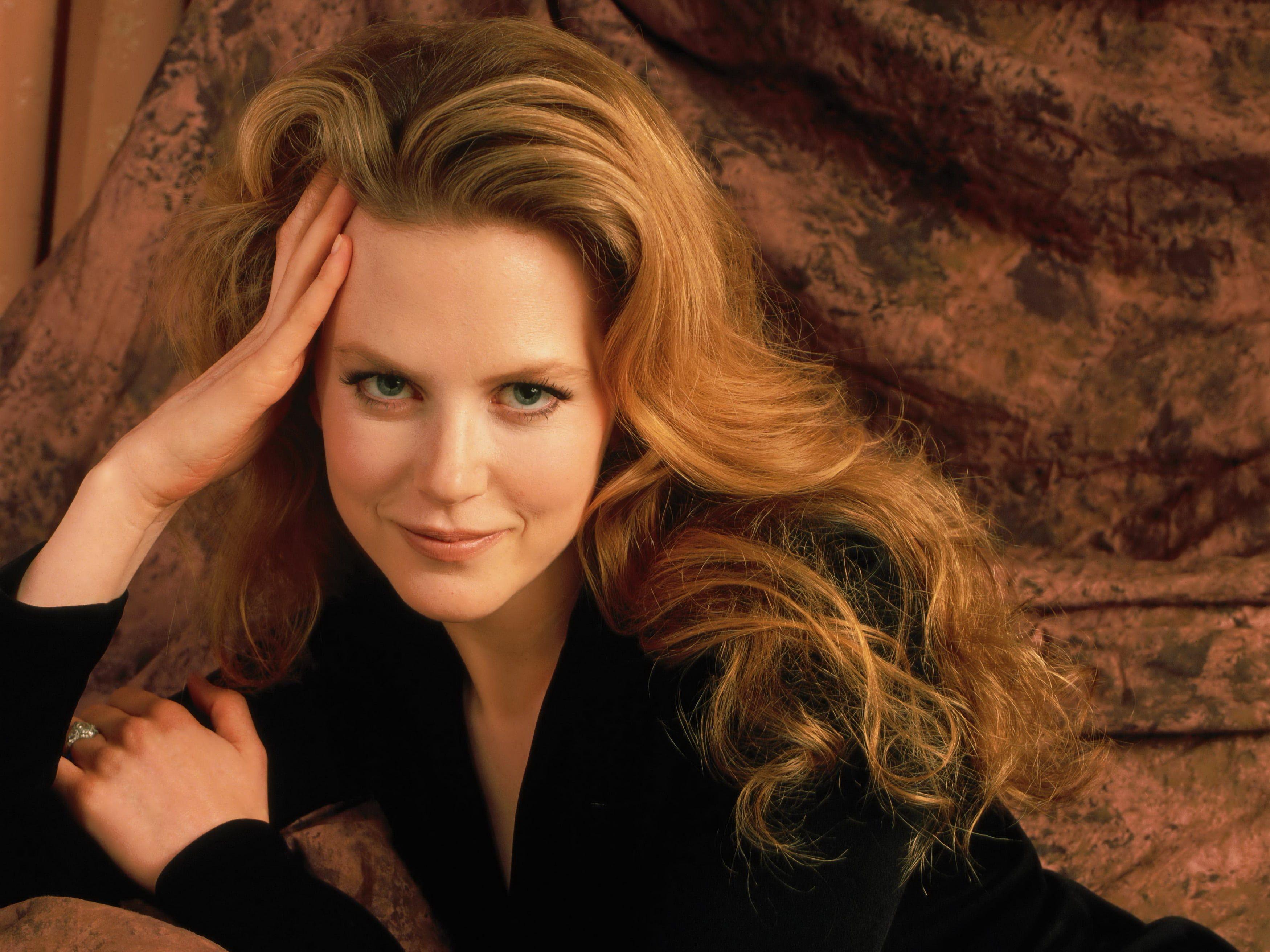
In Stanley Kubrick’s final masterpiece, Eyes Wide Shut (1999), Nicole Kidman’s eyes serve as the psychological and thematic anchor of the film. Her gaze conveys a complex blend of domestic boredom, searing honesty, and haunting vulnera...
In Stanley Kubrick’s final masterpiece, Eyes Wide Shut (1999), Nicole Kidman’s eyes serve as the psychological and thematic anchor of the film. Her gaze conveys a complex blend of domestic boredom, searing honesty, and haunting vulnerability, acting as the catalyst for Tom Cruise’s character, Bill Harford, to descend into a surreal underworld of obsession and jealousy.
Contents
The eyes of Alice Harford (Nicole Kidman) are not merely passive windows; they are active agents of narrative change. From the hazy, drug-induced confession in the bedroom to the piercing clarity of the film’s final scene, Kidman’s visual performance defines the boundary between the dream world and reality. As we analyze the film from the perspective of 2026, nearly three decades after its release, the technical and emotional precision of her performance remains a gold standard for psychological drama.
The Symbolism of Vision and the "Eyes Wide Shut" Paradox
The title of the film itself, Eyes Wide Shut, is a linguistic paradox that finds its physical manifestation in Kidman’s performance. To have one's eyes "wide shut" suggests a state of willful ignorance or a dreamlike trance where one sees everything but understands nothing—or perhaps sees the truth only when the physical eyes are closed.
Alice Harford is the only character who truly "sees" the fragility of her marriage. While Bill wanders through New York in a state of literal and metaphorical somnambulism, Alice remains grounded in the reality of her desires. Kidman uses her eyes to signal when she is entering a "dream state"—most notably during the famous monologue where she confesses her sexual fantasy about a naval officer. In this scene, her eyes are often unfocused or looking past Bill, suggesting that she is looking inward at a landscape he cannot access.
The Kubrick Stare and Kidman’s Variation
Stanley Kubrick was famous for the "Kubrick Stare"—a shot where a character tilts their head down and looks up through their eyebrows. While this is often associated with madness (as seen in The Shining or A Clockwork Orange), Kidman provides a more nuanced variation. Her "stare" isn't one of insanity, but of predatory honesty. When she looks at Bill through her glasses while mockingly laughing at his naivety, her eyes strip away his masculine ego, forcing him to confront the fact that he does not "own" her internal life.
The Bedroom Monologue: A Technical Masterclass in Gaze
The turning point of the film is the extended sequence in the Harfords’ bedroom. This scene is essential for understanding why Nicole Kidman’s eyes are so frequently discussed by film scholars and cinematographers.
The Use of Color and Lighting
Kubrick and cinematographer Larry Smith used a specific lighting setup to enhance the reflective quality of Kidman’s eyes. Using high-speed 35mm film pushed two stops, they captured the naturalistic, warm glow of the bedroom lamps. This lighting makes Kidman’s blue eyes appear exceptionally bright against the warm skin tones, highlighting every micro-expression.
Narrative Weight of the Gaze
In this scene, Kidman’s eyes transition through several distinct phases:
- Playful Dismissal: Initially, her eyes are half-lidded and wandering, fueled by marijuana and a sense of domestic safety.
- The Sharp Turn: As Bill dismisses the possibility of her having an independent sexual identity, her eyes sharpen. The playfulness vanishes, replaced by a cold, unwavering focus.
- The Confession: As she describes the naval officer, her eyes become glassy and distant. She is no longer looking at Bill; she is looking at the memory of a person who doesn't exist, which is far more threatening to Bill than a physical affair.
Kidman’s ability to hold the camera’s gaze for extended periods without blinking creates a sense of hypnotic intensity. This "visual endurance" was a result of Kubrick’s notorious requirement for dozens of takes—sometimes over a hundred—until the actor reached a state of raw, unvarnished emotion.
Comparing the Vision: Alice vs. Bill
The film sets up a binary between how Alice sees the world and how Bill sees the world. This comparison is vital for understanding the film's conclusion.
| Character | Visual State | Symbolic Tool | Primary Motivation |
|---|---|---|---|
| Alice Harford | Eyes Wide Open (Internal Reality) | The Mirror / The Dream | Confronting the truth of human desire. |
| Bill Harford | Eyes Wide Shut (External Fantasy) | The Mask / The Uniform | Maintaining the illusion of control and safety. |
| The Movie Goal | The Synthesis of Both | The Final "Fuck" | Moving from performance to actual intimacy. |
Alice is frequently framed with mirrors. Whether she is checking her reflection before a party or staring at herself while Bill embraces her, the mirror symbolizes her self-awareness. Bill, conversely, is often shown looking through windows or at masks—objects that obscure or distort the truth. Kidman’s eyes in these mirror scenes often look at her own reflection rather than at Bill, emphasizing that her journey is one of self-discovery, while Bill’s journey is a reaction to her.
The Cinematography of the Gaze: Lenses and Focus
Kubrick’s choice of lenses played a significant role in how Kidman’s eyes were perceived by the audience. He frequently used the Zeiss Planar 50mm f/0.7 lens (originally developed for NASA) and other wide-aperture lenses to create a shallow depth of field.
This technical choice meant that Kidman’s eyes could be in sharp focus while her ears or the background were slightly blurred. This forces the audience into an intimate, almost intrusive proximity with her. In the 2026 digital restorations of the film, this detail is even more pronounced. The "micro-movements" of her pupils and the slight reddening of the sclera during emotional peaks provide a level of detail that conveys more than the dialogue ever could.
Furthermore, Kubrick utilized "available light" techniques. By using actual lamps and Christmas lights on set rather than traditional studio rigs, the reflections in Kidman’s pupils (known as "catchlights") look natural and organic. This avoids the "manufactured" look of many Hollywood dramas and contributes to the film’s uncanny, dreamlike atmosphere.
The Final Scene: Clarity and Resolution
The climax of the film’s visual narrative occurs in a toy store. After Bill has confessed his nightmarish odyssey, the couple stands amidst the bright, artificial colors of a Christmas shopping rush. This is the first time in the film where the lighting is "flat" and clinical—the dream world has been dispelled.
In this scene, Kidman’s eyes are clear and resolute. She no longer looks through the hazy filter of smoke or the distorted reflection of a mirror. When she delivers the final line of the film—the word "fuck"—her gaze is direct. It is a moment of total visual and emotional synchronization. She is telling Bill (and the audience) that the only way to survive the "eyes wide shut" nature of existence is to focus on the immediate, physical reality of their connection.
Legacy and Impact on Contemporary Cinema
By 2026, the influence of Kidman’s performance in Eyes Wide Shut can be seen in how modern directors handle internal monologues and close-up photography. Her work proved that an actor could dominate a film’s narrative even with limited screen time (relative to the lead), provided their "visual presence" was sufficiently potent.
Actors today often reference this performance when discussing how to convey complex subtext through stillness. The "Kidman Gaze" became a shorthand for a specific type of cinematic honesty—one that is uncomfortable, confrontational, and deeply human.
Frequently Asked Questions
Did Nicole Kidman wear special contact lenses for Eyes Wide Shut?No, Nicole Kidman did not wear special contact lenses. The striking appearance of her eyes was the result of Stanley Kubrick’s meticulous lighting and the use of specific camera lenses (such as the Zeiss Planar) that emphasized clarity and reflections. Her natural blue eyes were enhanced by the color grading of the film, which often contrasted warm interior lights with cool blue exterior tones.
What is the "Kubrick Stare" and does Kidman do it?The Kubrick Stare is a cinematic technique where a character looks at the camera with a tilted head and an intense, upward gaze. While usually used to show a descent into madness, Kidman uses a variation of this to show a descent into "truth." Her version is less about villainy and more about stripping away the social masks of the people around her, particularly Bill.
What does the final look between Alice and Bill mean?The final look in the toy store represents a return to reality. Throughout the film, they have been "blind" to each other's true natures. The final scene, characterized by bright, even lighting and direct eye contact, suggests that they have finally stopped "performing" their marriage and are ready to face the messy, unvarnished truth of their lives together.
How many takes did Kidman have to do for the bedroom scene?While the exact number varies by source, reports from the set suggest that Kubrick required dozens, and sometimes over a hundred, takes for the key monologue scenes. This was intended to move the actors past "acting" and into a state of psychological exhaustion where their reactions became more instinctive and less rehearsed.
Why are Kidman's eyes often out of focus in certain scenes?This was a deliberate choice by Kubrick to simulate a dreamlike state. By using a very shallow depth of field, the camera mimics how the human eye focuses on one specific thing while the rest of the world falls away. It emphasizes Alice’s internal focus when she is recounting her dreams or fantasies.
Final Recommendation for Viewers
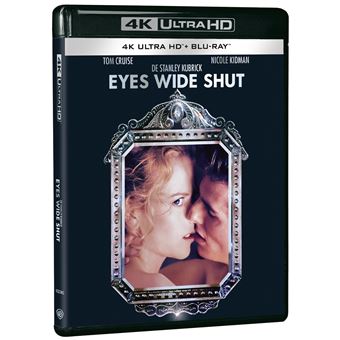
To fully appreciate the nuance of Nicole Kidman’s performance, viewers should watch the film in a 4K UHD format (ideally the 2024 or 2026 restorations). Pay close attention to the catchlights in her eyes during the bedroom monologue and the toy store finale; these small technical details are the key to understanding the emotional shifts Kubrick intended to capture. For those interested in cinematography, studying the "available light" techniques used in her scenes offers a masterclass in how to use practical lighting to enhance an actor's natural features.
Image Gallery