Army National Guard Basic Training Length: A Comprehensive Guide
Army National Guard Basic Combat Training (BCT) generally lasts 10 weeks, followed by Advanced Individual Training (AIT), which varies in duration depending on your specific Military Occupational Specialty (MOS). While the foundational...
Army National Guard Basic Combat Training (BCT) generally lasts 10 weeks, followed by Advanced Individual Training (AIT), which varies in duration depending on your specific Military Occupational Specialty (MOS). While the foundational 10-week cycle is the standard, total training time is contingent upon your career path, technical field requirements, and individual performance benchmarks during the initial phases.
Contents
The path to becoming a soldier in the Army National Guard is a structured, multi-stage commitment that begins with Basic Combat Training. Understanding the duration of this training is essential for recruits to manage their civilian obligations, educational goals, and professional expectations. While "Basic Training" is often discussed as a singular block, it serves as the initial phase of a broader Initial Entry Training (IET) pipeline.
Understanding the Structure of Initial Entry Training
In the Army National Guard, recruits do not simply sign a contract and report to duty; they enter an environment designed to transform civilians into disciplined soldiers. This process is divided into two distinct but sequential phases: Basic Combat Training (BCT) and Advanced Individual Training (AIT).
Phase 1: Basic Combat Training (BCT)
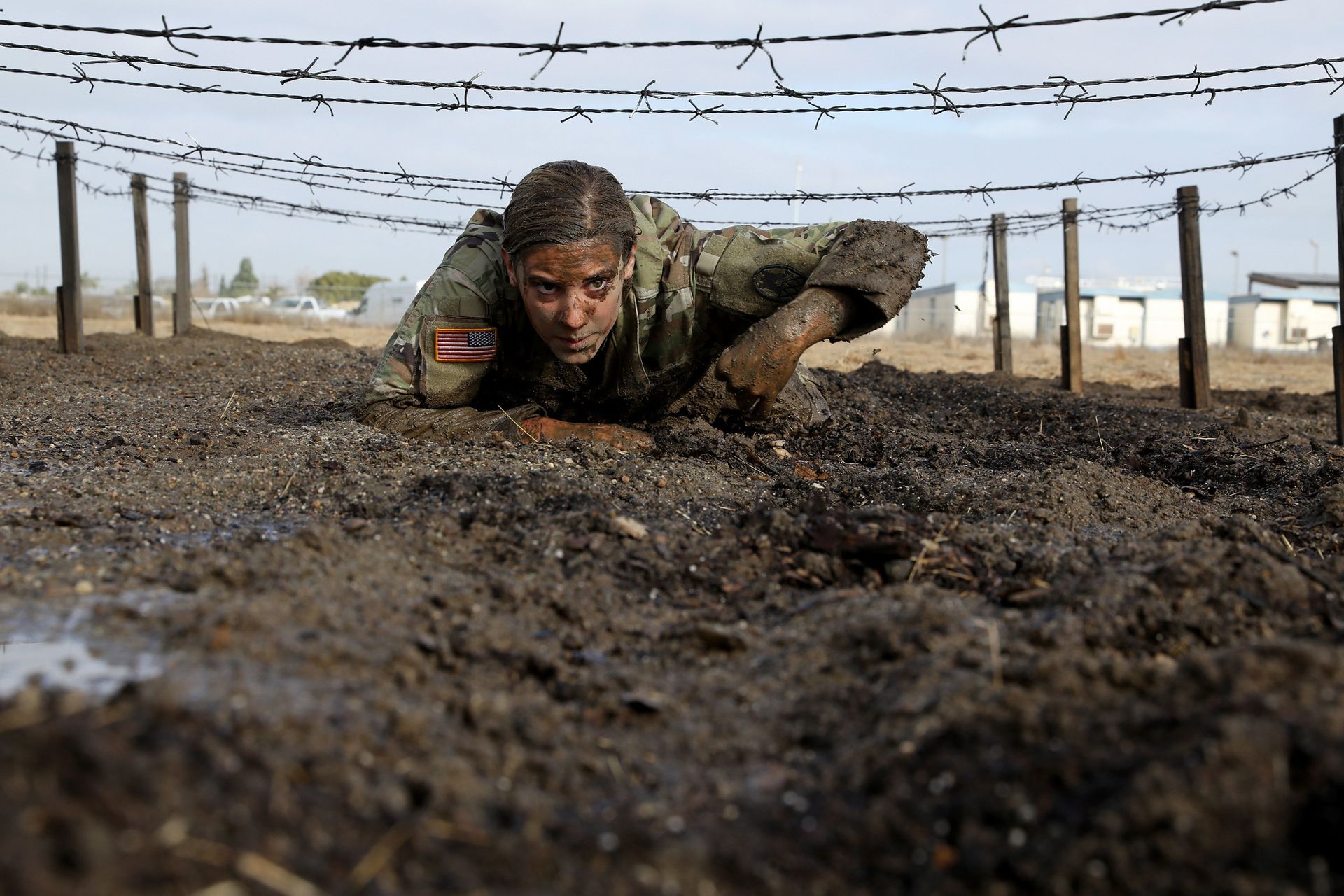
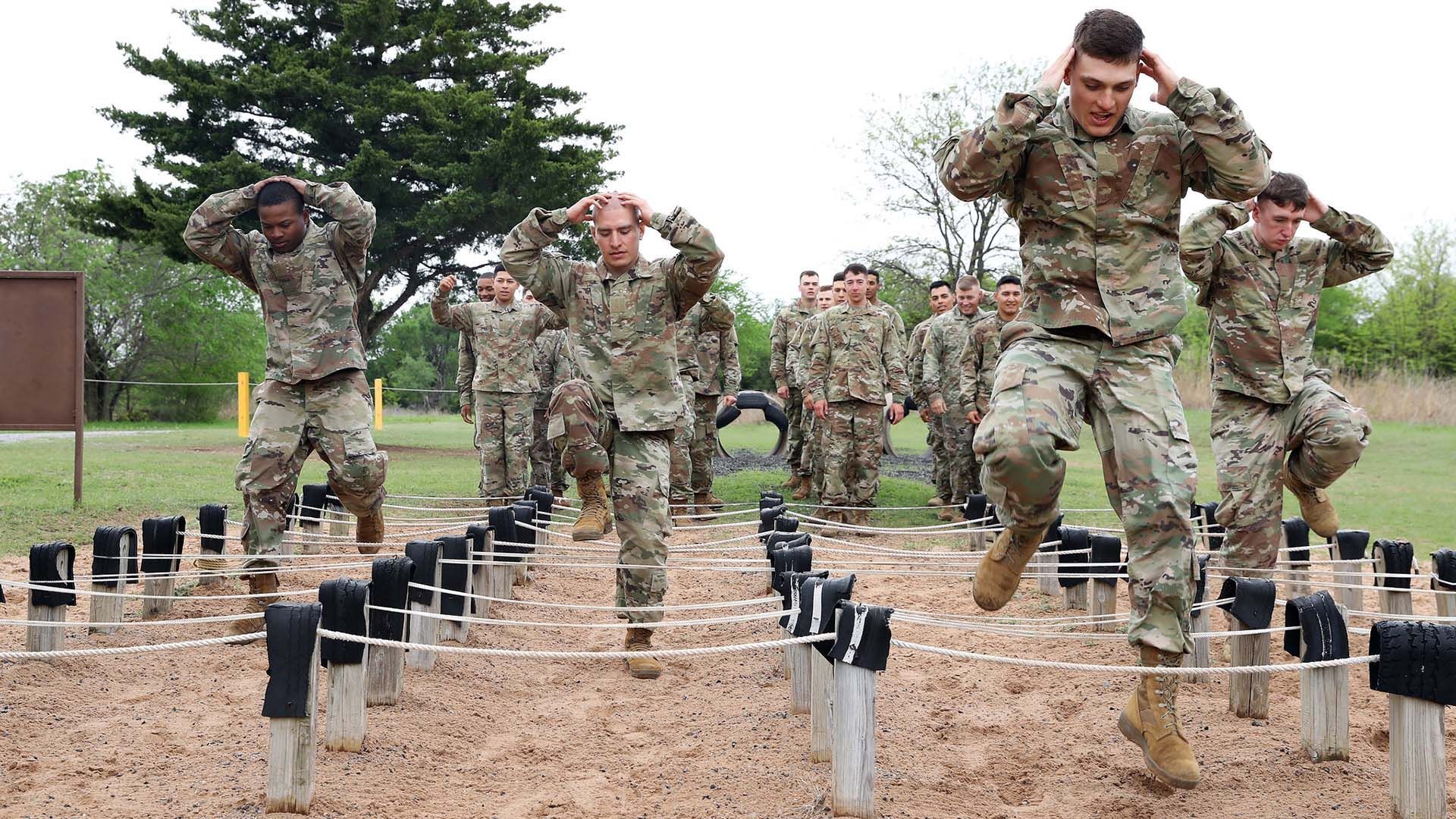
Basic Combat Training is the foundational experience for all enlisted soldiers. Regardless of their chosen career field, every recruit undergoes the same fundamental instruction. The primary objective of BCT is to instill the core values of the Army, foster physical fitness, and provide proficiency in basic marksmanship, field navigation, and tactical maneuvers.
As of 2026, the standard duration for BCT remains 10 weeks. During this time, recruits are isolated from civilian life, focusing entirely on the physical and mental demands of military service. The training is progressive, moving from individual discipline and physical conditioning to complex team-based operations.
Phase 2: Advanced Individual Training (AIT)
Once a recruit completes BCT, they move to AIT. This is where the "length" of your total training commitment becomes highly variable. AIT is specialized training focused on your Military Occupational Specialty (MOS). If your job is administrative, your AIT may be as short as 4 to 6 weeks. Conversely, if your role involves complex technical skills, such as intelligence analysis, cyber security, or heavy equipment maintenance, AIT can last anywhere from 12 weeks to over a year.
Factors Influencing Training Duration
Because the Army National Guard offers over 150 different career paths, there is no single "correct" answer for the total length of training. Several factors dictate your timeline:
- Military Occupational Specialty (MOS): The complexity of the job is the primary driver of training length. Jobs that require federal certification or advanced technical degrees involve longer AIT cycles.
- Duty Status: For those in the Split Training Option (STO), training is divided into two separate summers, allowing high school students to complete BCT between their junior and senior years. This does not change the total length but alters the delivery method.
- Training Recycles: While not a standard factor, failing a physical fitness test, missing a marksmanship qualification, or violating conduct codes can result in a "recycle," where a soldier is held back to repeat a phase, effectively extending their time in training.
Comparison of Training Timelines
The following table provides a generalized view of how training time accumulates based on job categories within the National Guard.
| Training Phase | Typical Duration | Focus Areas |
|---|---|---|
| Basic Combat Training | 10 Weeks | Discipline, Fitness, Marksmanship |
| Administrative AIT | 4–8 Weeks | Human Resources, Finance, Logistics |
| Combat Support AIT | 9–20 Weeks | Engineering, Military Police, Comms |
| Technical/Specialist AIT | 20+ Weeks | Cyber, Intelligence, Medical, Aviation |
Note: These durations are estimates based on standard training models. Specific MOS requirements are subject to change based on current Army training doctrines.
The Split Training Option (STO)
The Split Training Option is a specific program for high school students or individuals currently enrolled in college who cannot commit to a continuous block of months away from home. Under this program, the recruit attends BCT during the summer following their junior year of high school. They then return to school to graduate, attending AIT the following summer.
This option allows the recruit to fulfill their service requirements without disrupting their academic calendar. However, it requires a higher level of long-term commitment and discipline, as the recruit must maintain their physical fitness throughout the academic year to ensure they remain eligible for the second half of their training.
Physical and Mental Preparation
Regardless of the length of training, the primary challenge for most recruits is the physical transition. Because BCT is physically demanding, arriving in sub-par condition can lead to injuries that extend the duration of your stay.
Recruits are encouraged to start a conditioning program months before their shipping date. This includes cardiovascular training (running), muscular endurance (push-ups and sit-ups), and core stability. Mental preparation is equally critical; the transition to a high-stress, regimented environment requires a high degree of adaptability. Understanding that the 10-week BCT period is a test of endurance rather than just a physical workout is vital for success.
Common Questions Regarding Training Length
Does the National Guard Basic Training differ from Active Duty? No. Soldiers in the Army National Guard attend the same Basic Combat Training facilities and follow the same curriculum as their Active Duty counterparts. The standard of graduation is identical for all soldiers in the United States Army.
Can I shorten my training time if I am already skilled in my field? Generally, no. Even if you hold civilian certifications or degrees, you are required to complete the standard AIT program for your chosen MOS. The military teaches its own proprietary methods, regulations, and equipment handling, which rarely align exactly with civilian equivalents.
What happens if I fail a physical fitness test during BCT? Recruits who fail to meet the minimum standards are provided with remedial training. If they remain unable to meet the standards, they may be recycled into a later graduation class or, in severe cases, separated from service.
Does my time in training count toward my service contract? Yes. Your initial entry training is part of your total military service obligation. Time spent in BCT and AIT counts toward your years of service and your eligibility for benefits.
Are there holidays or leave periods during training? BCT is a continuous training cycle. While there may be short breaks or "holdover" periods during major federal holidays like Christmas, these are not guaranteed leave. Recruits should anticipate being away from home for the entirety of their IET pipeline.
Can I visit home between BCT and AIT? In most cases, soldiers transition directly from BCT to their AIT location. If there is a significant gap between the end of BCT and the start of AIT, or if the AIT location requires travel, you may be authorized for a brief transition period, but this is managed by your command and is not a standard right.
Strategic Planning for Your Service
When preparing for your entry into the Army National Guard, the most important step is to have a clear understanding of your specific MOS requirements. During the enlistment process, your recruiter will provide you with the projected training dates. Use these dates to plan your transition from civilian to military life.
Ensure that your civilian employer or academic institution is aware of your service commitment early. Under the Uniformed Services Employment and Reemployment Rights Act (USERRA), your job is protected while you are in training, but providing your employer with official documentation as early as possible is a best practice.
For the most accurate assessment of your specific training duration, consult your official enlistment contract and verify the training path with your unit representative. Always ensure you have documentation confirming your MOS and the anticipated location and length of your AIT, as these are the variables most likely to impact your personal timeline.
Image Gallery