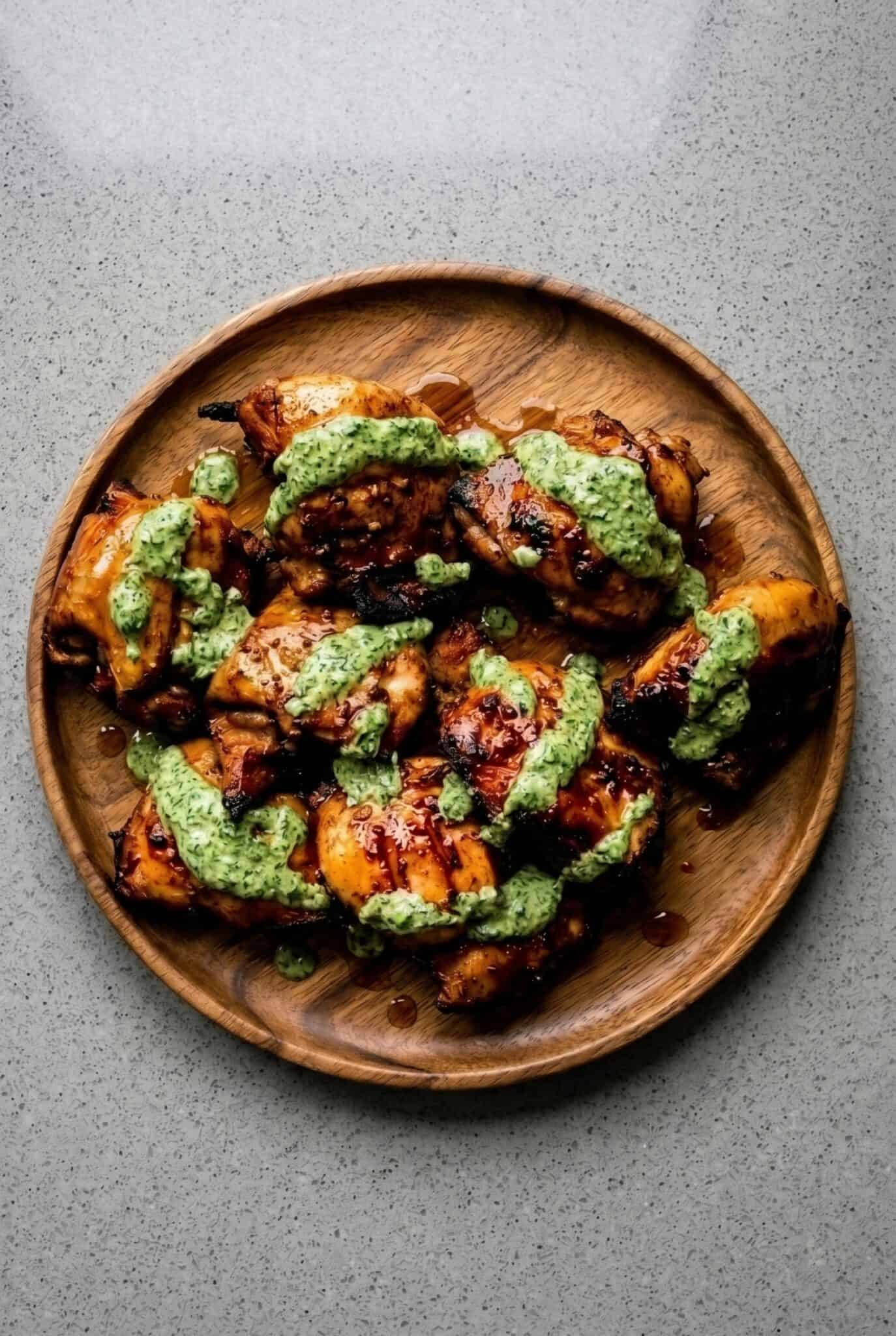
How to Make a Peruvian Chicken Breast Recipe: A Step-by-Step Guide
To make a flavorful Peruvian chicken breast, marinate boneless or bone-in breasts in a blend of garlic, cumin, soy sauce, lime juice, red wine vinegar, and authentic chili pastes—specifically Aji Amarillo and Aji Panca. Sear and roast...
To make a flavorful Peruvian chicken breast, marinate boneless or bone-in breasts in a blend of garlic, cumin, soy sauce, lime juice, red wine vinegar, and authentic chili pastes—specifically Aji Amarillo and Aji Panca. Sear and roast the meat to an internal temperature of 165°F (74°C), then serve alongside a signature green cilantro sauce (Aji Verde).
Contents
Understanding the Flavor Profile of Peruvian Chicken
Traditional Peruvian roast chicken (Pollo a la Brasa) relies on a balance of deep umami, bright citrus acidity, smoky fruitiness, and savory earthiness. While whole rotisserie chickens are standard in Peruvian pollerías, adapting this recipe for chicken breasts requires adjusting cooking technique to ensure lean white meat remains tender and juicy rather than dry.
The distinct flavor profile comes from several key components:
- Aji Amarillo Paste: Made from bright yellow-orange Peruvian chili peppers, this paste delivers medium heat balanced by a fruity, slightly tropical aroma. It provides both heat and color to the marinade and sauce.
- Aji Panca Paste: Crafted from sun-dried red chili peppers, Aji Panca provides a deep, reddish-brown color with a smoky, berry-like warmth and minimal spice level.
- Sillao (Peruvian Soy Sauce): Introduces dark color, essential salt content, and deep umami flavors that react with proteins during cooking to form a caramelized crust.
- Acidity (Lime Juice and Red Wine Vinegar): Acids work to break down surface muscle fibers, tenderizing the breast meat while helping the fat and oil in the marinade penetrate the protein layers.
- Aromatic Spices: Ground cumin (comino), dried Mexican oregano, black pepper, and fresh garlic cloves create the foundational savory profile typical of South American roasting pastes.
Ingredients and Substitutions for Peruvian Chicken Breasts
Achieving an authentic flavor profile requires specific ingredients, but simple substitutions exist if traditional South American staples are unavailable in local markets.
Primary Marinade Ingredients
- Chicken Breasts: 4 skinless, boneless chicken breasts (or bone-in, skin-on breasts for extra moisture retention), weighing approximately 6 to 8 ounces each.
- Aji Panca Paste: 2 tablespoons. (Substitute: 1 tablespoon dark sweet paprika mixed with 1/2 teaspoon smoked paprika and 1/2 teaspoon ancho chili powder).
- Aji Amarillo Paste: 2 tablespoons. (Substitute: 1 tablespoon finely minced habanero or yellow bell pepper combined with 1/2 teaspoon crushed red pepper flakes).
- Fresh Garlic: 6 cloves, finely minced or mashed into a paste.
- Soy Sauce: 3 tablespoons of low-sodium or regular dark soy sauce.
- Lime Juice: 2 tablespoons of freshly squeezed lime juice.
- Red Wine Vinegar: 1 tablespoon.
- Olive Oil or Neutral Vegetable Oil: 2 tablespoons (helps bind the marinade to the meat and promotes even browning).
- Ground Cumin: 1 ½ teaspoons.
- Dried Oregano: 1 teaspoon (preferably Mexican oregano).
- Kosher Salt & Black Pepper: 1 teaspoon salt and 1/2 teaspoon cracked black pepper.
Preparing the Essential Aji Verde (Peruvian Green Sauce)
No Peruvian chicken dish is complete without Aji Verde, a vibrant, spicy, and creamy dipping sauce. Preparing the sauce while the chicken marinates allows the flavors to meld effectively in the refrigerator.
| Aji Verde Ingredients |
|---|
| 1 cup fresh cilantro leaves and soft stems, packed |
| 2 medium jalapeño peppers (seeded for mild, unseeded for hot) |
| 1 tablespoon Aji Amarillo paste |
| 1/2 cup mayonnaise |
| 1/4 cup sour cream or plain Greek yogurt |
| 2 cloves fresh garlic |
| 1/2 cup crumbled Cotija cheese or Queso Fresco |
| 1 tablespoon fresh lime juice |
| 1/2 teaspoon kosher salt |
| 2 tablespoons extra-virgin olive oil |
Steps to Make Aji Verde:
- Combine the cilantro, jalapenos, garlic, Aji Amarillo paste, lime juice, Cotija cheese, mayonnaise, and sour cream in a high-speed blender or food processor.
- Blend on high speed until completely smooth and bright green.
- With the blender running on low, drizzle in the extra-virgin olive oil to form a velvety emulsion.
- Season with kosher salt to taste. Transfer to a sealed glass container and chill in the refrigerator for at least 30 minutes before serving.
Step-by-Step Cooking Instructions
Follow these steps to marinate, cook, and rest chicken breasts without drying out the protein.
Step 1: Prep and Tenderize the Meat
- Place chicken breasts between two sheets of plastic wrap. Using a meat mallet or heavy rolling pin, gently pound the thicker ends of the breasts until each piece is an even 3/4-inch thickness throughout. Uniform thickness ensures the chicken cooks at the same rate, preventing thin edges from overcooking.
- Pat the chicken thoroughly dry using paper towels to remove surface moisture, allowing the marinade to stick directly to the meat.
Step 2: Mix and Apply the Marinade
- In a medium bowl, whisk together the Aji Panca paste, Aji Amarillo paste, minced garlic, soy sauce, lime juice, red wine vinegar, olive oil, ground cumin, dried oregano, salt, and black pepper until a thick paste forms.
- Coat the chicken breasts thoroughly with the paste. Place the meat in a glass baking dish or a sealable plastic bag.
- Refrigerate for a minimum of 2 hours, or ideally 6 to 12 hours. Avoid marinating boneless breasts for longer than 24 hours, as the citrus and vinegar will begin breaking down the meat proteins into a mushy texture.
Step 3: Cooking Method (Cast-Iron Skillet to Oven)
Using a heavy cast-iron skillet provides superior searing capabilities to lock in surface moisture before finishing the interior evenly in the oven.
- Preheat the Oven: Heat your oven to 400°F (204°C).
- Bring Meat to Room Temp: Remove the marinated chicken from the refrigerator 15 to 20 minutes prior to cooking to reduce the cold shock when hitting the hot pan.
- Sear the Exterior: Heat 1 tablespoon of high-smoke-point oil (such as avocado oil or canola oil) in an oven-safe cast-iron skillet over medium-high heat until shimmering. Place the chicken breasts in the pan, shaking off excessive dripping marinade. Sear undisturbed for 3 to 4 minutes until a deep brown crust develops.
- Flip and Roast: Flip the chicken breasts over. Immediately transfer the skillet into the preheated 400°F (204°C) oven.
- Bake to Target Temp: Roast in the oven for 8 to 12 minutes, depending on the thickness of the breasts. Insert an instant-read digital meat thermometer into the thickest part of the breast. Remove the chicken when the thermometer reads 160°F to 162°F (71°C to 72°C).
Step 4: Resting the Meat
Transfer the cooked breasts to a warm cutting board or serving platter and tent loosely with aluminum foil. Allow the meat to rest undisturbed for 5 to 7 minutes. During this period, carryover cooking will raise the internal temperature to the USDA-recommended safety threshold of 165°F (74°C), while allowing muscle fibers to relax and reabsorb moisture throughout the interior.
Method Comparison: Stovetop-to-Oven vs. Outdoor Grill vs. Air Fryer
Depending on kitchen equipment, different cooking methods yield distinct textural qualities:
| Cooking Method | Prep / Pre-Heat | Cooking Time | Internal Target Temp | Texture Profile | Best Used For |
|---|---|---|---|---|---|
| Cast-Iron Skillet to Oven | Med-High Preheat + 400°F Oven | 3 min sear + 8-12 min bake | Pull at 160°F (Rests to 165°F) | Caramelized crust, tender, juicy interior | Year-round indoor preparation; uniform cooking |
| Outdoor Charcoal/Gas Grill | Medium-High Direct Heat (375°F-400°F) | 5-7 min per side direct heat | Pull at 160°F (Rests to 165°F) | Smoky char marks, firm bite, crisp edges | Maximum authentic rotisserie-style char profile |
| Air Fryer | Preheat Air Fryer to 380°F (193°C) | 12-15 min total (flip halfway) | Pull at 160°F (Rests to 165°F) | Crisp exterior paste layer, rapid prep | Quick weeknight meals; smaller portions |
| Conventional Sheet Pan Oven | Preheat Oven to 425°F (218°C) | 18-22 min total | Pull at 160°F (Rests to 165°F) | Light browning, soft exterior, moist center | Cooking large batches or meal-prep portions |
Moisture Retention Strategies for Lean Chicken Breasts
Lean white meat contains very little intramuscular fat, making it prone to drying out under high heat. To ensure juiciness when adapting whole roast chicken marinades to chicken breasts, employ these proven strategies:
- Uniform Pounding: Thicker sections take longer to reach safe temperatures, leaving thin tail sections overcooked and dry. Pounding breasts to a flat 3/4-inch profile guarantees rapid, simultaneous cooking.
- Fat Inclusion in Marinade: Adding oil directly to the acid-heavy marinade prevents rapid moisture loss during initial sear phases and facilitates thermal heat transfer through the meat surface.
- Strict Digital Thermometer Use: Relying on timers instead of internal temperature reading is the primary cause of tough chicken breasts. Pulling meat immediately when it registers 160°F (71°C) on an instant-read probe prevents moisture depletion.
- Preserve the Skin (Optional): If available, buy bone-in, skin-on chicken breasts (split chicken breasts). The skin acts as an insulating layer against direct heat while releasing rendering fat down into the meat during roasting. Extend roasting times by 10–12 minutes when using bone-in cuts.
Traditional Peruvian Side Dishes
Complete the meal by pairing the spiced chicken breasts and Aji Verde with authentic Peruvian side dishes:
- Papas Fritas (Peruvian Fries): Thick-cut yellow potato fries fried until crisp on the outside and soft within. They are traditionally served on the same plate so they absorb excess juice from the roast chicken and Aji Verde.
- Arroz Verde (Cilantro Rice): Long-grain white rice cooked in a pureed stock of cilantro, spinach, garlic, onions, and diced dark beer.
- Ensalada Mixta: A light, crisp salad of iceberg lettuce, thick tomato slices, thinly sliced red onions (marinated in lime juice as Sarsa Criolla), and avocado wedges tossed in a simple lime-and-oil dressing to balance the heavy spices of the meat.
- Tostones or Maduros: Fried green plantains (tostones) for a savory crunch, or sweet fried ripe plantains (maduros) to contrast the spiciness of the green sauce.
Frequently Asked Questions
Can I substitute chicken thighs for chicken breasts in this recipe?
Yes. Boneless, skinless or bone-in chicken thighs work well with this marinade. Th thighs contain more fat and connective tissue, making them naturally more forgiving. Roast or grill chicken thighs until they reach an internal temperature of 170°F to 175°F (77°C to 79°C) for optimal tenderness.
Where can I buy Aji Amarillo and Aji Panca pastes?
Aji Amarillo and Aji Panca pastes are widely available in Hispanic grocery stores, international supermarkets, and online food retailers. Look for glass jars containing pureed peppers with minimal additive ingredients.
What can I substitute if I cannot find Aji Panca paste?
If Aji Panca is unavailable, combine 1 tablespoon of sweet paprika with 1/2 teaspoon of smoked paprika and 1/2 teaspoon of ground ancho chili powder. This combination mimics the deep color, mild warmth, and smoky sweetness of original Aji Panca.
How long can left-over cooked Peruvian chicken breast be stored?
Store cooked chicken breast in an airtight glass container in the refrigerator for up to 3 to 4 days. Keep the Aji Verde sauce in a separate sealed container; it stays fresh in the refrigerator for up to 5 days.
What is the best way to reheat leftover chicken breast without drying it out?
Reheat leftover breasts in a 350°F (175°C) oven or toaster oven with a splash of chicken broth or water added to the pan, covered loosely with foil, for 10 to 12 minutes until warmed through. Avoid high-power microwaving, which rubberizes lean chicken meat proteins.
Recommended Next Steps
To make Peruvian chicken breasts at home, prepare the Aji Verde sauce a few hours in advance so the flavors can develop in the cold environment. Pound the chicken breasts flat to guarantee uniform cooking, marinate for a minimum of 4 hours, and use an accurate instant-read digital thermometer to pull the meat off heat precisely at 160°F (71°C). Serve immediately with warm cut fries, crisp lime salad, and extra green sauce on the side.
Image Gallery