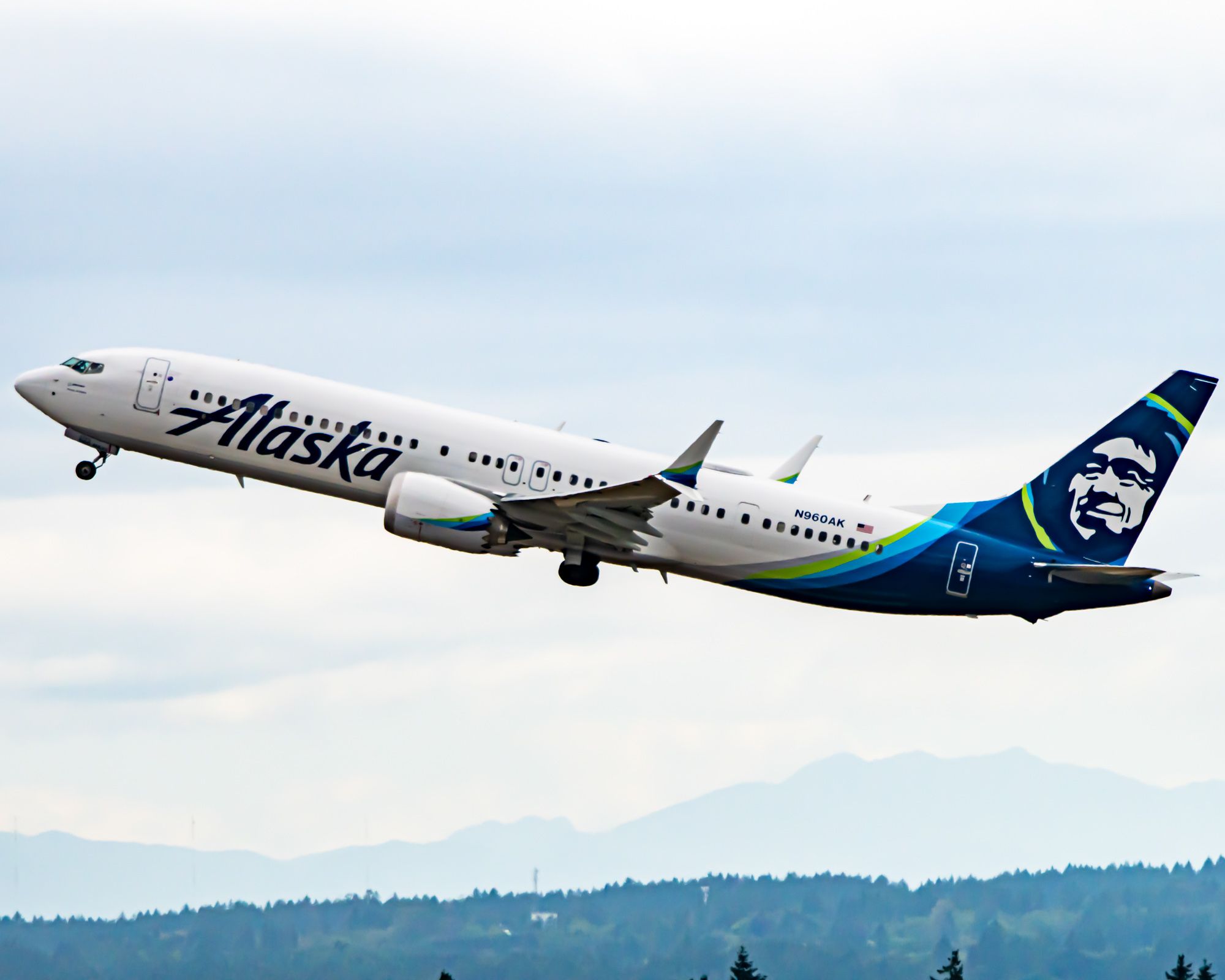
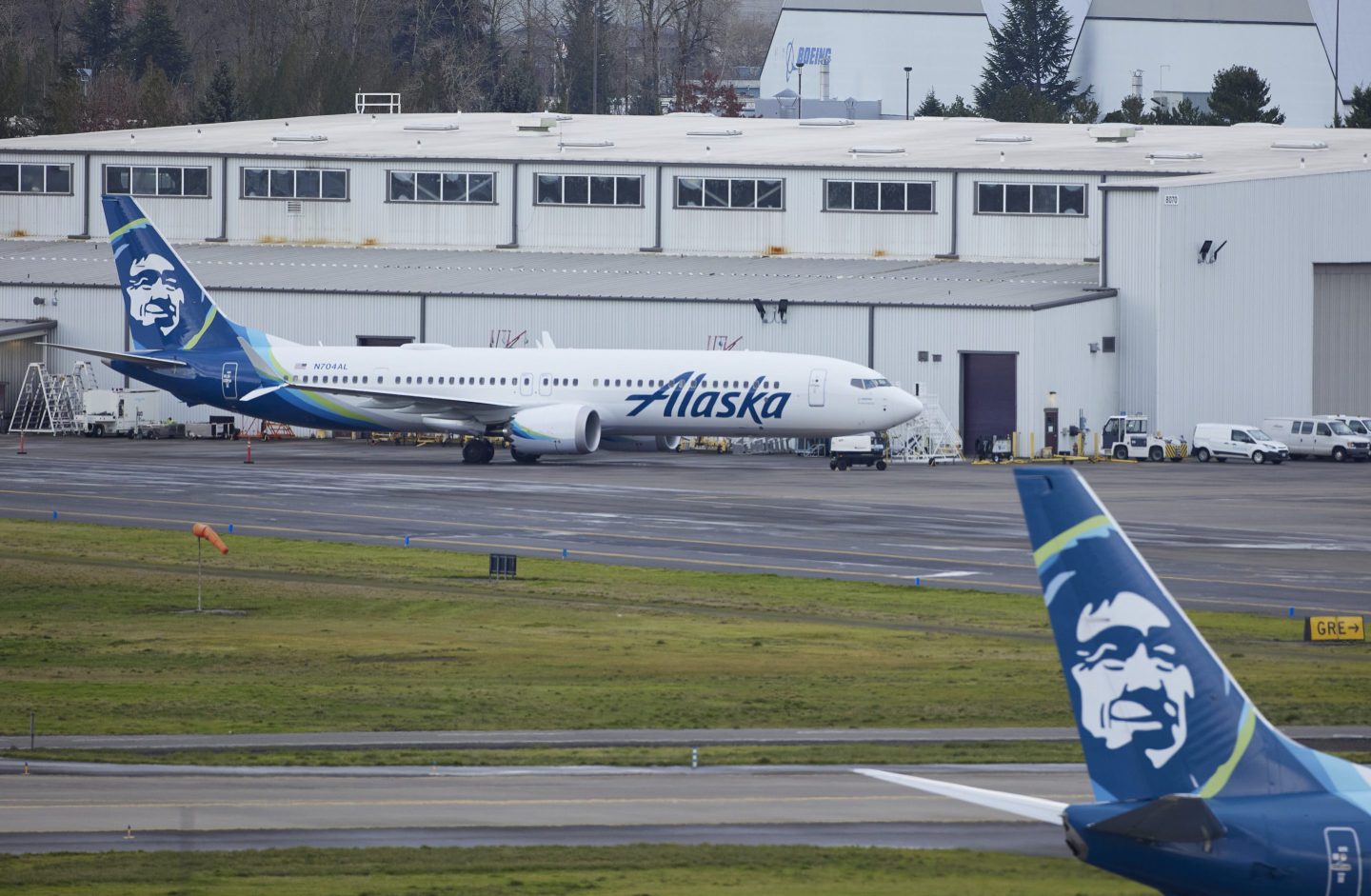
Choosing the 737 MAX 9 in Alaska: The Passenger and Performance Guide for 2026
Choosing the Boeing 737 MAX 9 for your Alaska Airlines flight in 2026 ensures access to the carrier's most modern cabin interior, enhanced fuel efficiency, and a quieter flight experience. As the cornerstone of Alaska’s transcontinenta...
Choosing the Boeing 737 MAX 9 for your Alaska Airlines flight in 2026 ensures access to the carrier's most modern cabin interior, enhanced fuel efficiency, and a quieter flight experience. As the cornerstone of Alaska’s transcontinental fleet, this aircraft offers superior range, updated safety protocols, and optimized passenger comfort compared to legacy models.
Contents
The Evolution of the 737 MAX 9 in Alaska Airlines Operations
By 2026, the Boeing 737 MAX 9 has transitioned from a new fleet entrant to the definitive workhorse of Alaska Airlines' mainline operations. Following the carrier's strategic decision to retire its Airbus fleet and move toward an all-Boeing mainline configuration, the MAX 9 has filled the capacity gap left by older mid-sized aircraft. This transition was not merely about brand loyalty but about operational synergy.
For passengers and corporate travelers, "choosing" the MAX 9 often happens during the booking phase when selecting routes between major hubs like Seattle-Tacoma (SEA), Portland (PDX), and Los Angeles (LAX) to East Coast destinations or Hawaii. The aircraft represents a significant leap in reliability and sustainability. Alaska Airlines has optimized its MAX 9 configuration to balance high-density seating with premium amenities, making it the preferred choice for long-haul domestic travel.
The adoption of the MAX 9 was also a response to the "green" mandates of the mid-2020s. The aircraft's LEAP-1B engines and advanced technology winglets allow for a 20% reduction in fuel consumption and carbon emissions compared to the 737-900ER models it often replaces. For the environmentally conscious traveler in 2026, selecting a flight operated by a MAX 9 is a tangible way to reduce their individual carbon footprint.
Safety and Certification: The 2026 Perspective
Safety is the primary consideration for any traveler evaluating aircraft types. In 2026, the 737 MAX 9 operates under the most rigorous oversight in aviation history. Following the well-documented mid-cabin door plug incident in early 2024, the Federal Aviation Administration (FAA) and Boeing implemented a multi-layered quality management system that redefined manufacturing standards.
Every MAX 9 in the Alaska Airlines fleet has undergone exhaustive inspections and retrofits mandated by the Federal Aviation Administration. These include enhanced structural integrity checks and secondary locking mechanisms for non-active exit doors. Furthermore, Alaska Airlines has integrated advanced digital maintenance tracking, allowing for real-time monitoring of airframe stress and engine performance.
From a pilot’s perspective, the MAX 9 features updated flight control software (MCAS) and enhanced sensor redundancy that were refined long before 2026. Alaska’s training program for the MAX series is among the most intensive in the industry, utilizing high-fidelity simulators that prepare crews for a wide range of contingency scenarios. When you choose a MAX 9 flight today, you are flying on an airframe that has been vetted by millions of flight hours and unprecedented regulatory scrutiny.
The Passenger Experience: Cabin Features and Amenities
One of the most compelling reasons to choose the 737 MAX 9 is the Boeing Sky Interior. This design philosophy focuses on a sense of spaciousness and modern aesthetics. Upon entering, passengers are greeted by sculpted sidewalls and adjustable LED mood lighting that changes based on the phase of flight—warm ambers for boarding and cool blues for cruising.
Seating and Layout
Alaska Airlines typically configures its MAX 9 with 178 seats. This includes:
- 16 First Class Seats: Featuring 40 inches of pitch and footrests.
- 24 Premium Class Seats: Offering 35 inches of pitch and complimentary beverages.
- 138 Main Cabin Seats: Providing a standard 30-31 inches of pitch.
The seats, manufactured by Recaro, are designed with "slimline" technology, which maximizes knee room even in the Main Cabin. In 2026, these seats include integrated tablet holders and a "six-way" adjustable headrest, ensuring that even middle-seat passengers can find a degree of ergonomic support.
Connectivity and Power
In the modern travel environment, power is a prerequisite. Every seat on the Alaska MAX 9 is equipped with both USB-A and USB-C charging ports, along with a standard 110V AC outlet. This ensures that high-powered laptops and smartphones remain charged throughout six-hour transcontinental flights. The aircraft also features satellite-based Wi-Fi, which provides enough bandwidth for streaming services and video conferencing, a significant upgrade over the ground-based systems of the previous decade.
Overhead Bin Capacity
The "Space Bins" on the MAX 9 are a major logistical advantage. These bins are designed to allow every passenger in the cabin to store a standard-sized carry-on bag on its side. This reduces the need for "gate-checking" luggage and speeds up the boarding and deplaning processes, which is a common pain point for Alaska travelers on busy West Coast corridors.
Technical Specifications and Performance
The technical superiority of the 737 MAX 9 is what allows Alaska Airlines to fly longer routes with fewer stops. The aircraft's range is approximately 3,550 nautical miles, making it ideal for the "Hawaii Hub" strategy where flights originate from non-hub cities like San Diego or San Jose.
The engines, CFM International LEAP-1B, are the heart of the aircraft's performance. They utilize carbon fiber fan blades and 3D-printed components to reduce weight and increase thermal efficiency. For the passenger, the most noticeable benefit is the noise reduction. The MAX 9 is up to 40% quieter than the previous generation of 737s, significantly reducing "listener fatigue" on long flights.
| Feature | 737 MAX 9 | 737-900ER (Legacy) |
|---|---|---|
| Engine Type | CFM LEAP-1B | CFM56-7B |
| Fuel Efficiency | ~20% Improvement | Baseline |
| Max Range | 3,550 nmi | 2,950 nmi |
| Noise Footprint | 40% Quieter | Standard |
| Overhead Bins | Space Bins (Large) | Pivot Bins (Standard) |
| In-Seat Power | AC + USB-A + USB-C | AC + USB-A (Varies) |
| Cabin Pressure | Optimized for Comfort | Standard Altitude |
Environmental Impact and Sustainability
Choosing the 737 MAX 9 in 2026 is also a decision rooted in corporate and personal responsibility. Alaska Airlines has committed to a net-zero carbon emissions goal by 2040, and the MAX 9 is the primary tool for reaching that milestone. The aircraft’s aerodynamic "Split Scimitar" winglets are not just for show; they reduce drag and contribute to the overall fuel savings that define the MAX series.
Furthermore, Alaska Airlines has been a leader in the use of Sustainable Aviation Fuel (SAF). The MAX 9 engines are certified to run on SAF blends, which can reduce life-cycle CO2 emissions by up to 80% compared to conventional jet fuel. When booking, passengers can often see the estimated carbon emissions for their specific flight, and the MAX 9 consistently ranks as the most efficient option for narrow-body routes.
How to Identify and Select the MAX 9
When booking through the Alaska Airlines website or mobile app, the aircraft type is clearly displayed during the flight selection process. To specifically choose the MAX 9:
- Search for your route: Enter your departure and arrival cities.
- View "Flight Details": Click on the flight number or the "Details" link.
- Check Aircraft Type: Look for "Boeing 737 MAX 9" or the code "7M9".
- Seat Map Verification: The MAX 9 seat map will show the specific configuration (Rows 1-4 for First Class, Rows 6-9 for Premium Class).
It is important to note that while airlines strive to maintain scheduled aircraft, equipment swaps can occur due to maintenance or operational needs. However, by 2026, the MAX 9 fleet is large enough that substitutions are often made with another MAX 9 or a MAX 8, ensuring a consistent experience.
Common Myths and Clarifications
Despite its maturity in 2026, some misconceptions about the 737 MAX 9 persist. One common myth is that the aircraft is "cramped" because it holds more passengers. In reality, the MAX 9 has the same fuselage width as all 737s, but the updated cabin materials and lighting create a more open feel. Another concern is safety; however, according to NTSB data, the 737 MAX series has become one of the most monitored and reliable aircraft in modern aviation following the safety overhauls of the mid-2020s.
Frequently Asked Questions
Is the 737 MAX 9 different from the 737 MAX 8?
Yes, the MAX 9 is a longer version of the MAX 8. While they share the same engines and cockpit technology, the MAX 9 offers more seating capacity and a slightly different exit door configuration. Alaska Airlines uses the MAX 9 for higher-demand routes where the extra capacity is needed.
Does the MAX 9 have a different boarding process?
The boarding process remains consistent with Alaska Airlines’ group boarding policy. However, because the MAX 9 features larger Space Bins, the boarding process is often faster and less stressful as there is more room for carry-on luggage, reducing the bottleneck at the aircraft door.
Are there any specific seats to avoid on the Alaska MAX 9?
In the Main Cabin, Row 16 and Row 17 are exit rows; while they offer more legroom, the seats may have limited recline. Additionally, the very last row (Row 31 or 32 depending on config) is near the lavatories and may have limited recline and increased foot traffic.
Does Alaska fly the MAX 9 to Alaska (the state)?
Absolutely. The MAX 9 is frequently used on routes from Seattle to Anchorage and Fairbanks. Its performance in "hot and high" conditions and its ability to handle crosswinds make it well-suited for the challenging weather often found in the Pacific Northwest and Alaska.
How does the Wi-Fi on the MAX 9 compare to older planes?
The MAX 9 uses high-speed satellite Wi-Fi, which is significantly faster than the older air-to-ground systems found on some 737-800s. It supports streaming and is generally more reliable when flying over the ocean to Hawaii or over remote parts of Canada and Alaska.
Final Recommendation for Travelers
When booking your next flight with Alaska Airlines, choosing the 737 MAX 9 is the recommended path for those who value cabin comfort, technological amenities, and environmental efficiency. The aircraft represents the pinnacle of the airline's fleet modernization program. With its quiet engines, spacious bins, and updated safety protocols, it provides a superior travel experience that meets the demands of 2026’s frequent flyers. If your schedule allows for a choice between a legacy 737-800 and a 737 MAX 9, the MAX 9 is the clear winner for both short-haul hops and long-distance journeys.
Image Gallery