Understanding Dublin in Europe: A Comprehensive Guide for Travelers
Dublin serves as the vibrant capital of the Republic of Ireland and a critical gateway to Western Europe. As of 2026, it remains a unique destination that combines a tech-heavy economy with deep literary and historical roots. For trave...
Dublin serves as the vibrant capital of the Republic of Ireland and a critical gateway to Western Europe. As of 2026, it remains a unique destination that combines a tech-heavy economy with deep literary and historical roots. For travelers, understanding Dublin requires navigating its status as an EU member that sits outside the Schengen Area, utilizing the Euro, and mastering its distinct local districts.
Contents
The Geopolitical Context: Ireland in the European Landscape
To understand Dublin’s place in Europe, travelers must first distinguish between the European Union (EU) and the Schengen Area. Ireland is a committed member of the EU and uses the Euro (€) as its official currency. However, unlike mainland counterparts like France or Germany, Ireland is not part of the Schengen Agreement. This means that if you are flying into Dublin from Paris or Amsterdam, you will still undergo a full passport control check upon arrival.
This distinction is vital for itinerary planning. If you are traveling on a visa that allows entry to the Schengen Zone, it does not automatically grant you entry into Ireland. You must verify whether your nationality requires a separate Irish visa. Conversely, Ireland shares a Common Travel Area (CTA) with the United Kingdom. While this primarily benefits Irish and British citizens, it influences the flow of traffic between Dublin and cities like London or Manchester, often resulting in high-frequency flight paths and integrated maritime links.
Economically, Dublin has evolved into the "Silicon Valley of Europe." The presence of European headquarters for major global tech firms has transformed the city into a cosmopolitan hub. This shift has influenced everything from the cost of living to the diversity of the culinary scene, making Dublin feel more international today than at any point in its history.
Navigating Dublin: Transport and Connectivity
As of 2026, Dublin’s infrastructure continues to balance its medieval street layouts with modern transit demands. Understanding how to move through the city is the first step in a successful visit.
Public Transit Systems
Dublin does not have an underground metro system. Instead, it relies on a network of buses, trams, and coastal trains.
- The Luas: This is the city’s light rail or tram system. There are two main lines: the Green Line and the Red Line. The Green Line generally serves the more affluent south side and business districts, while the Red Line connects the major train stations (Heuston and Connolly) and runs through the north city center toward the docklands.
- The DART (Dublin Area Rapid Transit): This electrified railway runs along the coast of Dublin Bay. It is the best way to see the scenic outskirts of the city, such as Howth to the north or Bray to the south.
- Dublin Bus: The most extensive network in the city. In 2026, the "BusConnects" program has largely standardized routes into high-frequency spines, making it easier for visitors to navigate without a fixed timetable.
The Leap Card
For any traveler staying more than 24 hours, the Leap Card is an essential tool. It is a reusable smart card used to pay for all public transport. Using a Leap Card is significantly cheaper than paying with cash, and it features "capping" limits. Once you reach a certain spend in a single day or week, further travel is free. You can purchase these at Dublin Airport or any "Payzone" outlet in the city.
Cost Comparison: Dublin vs. Other European Capitals
Dublin is frequently ranked as one of the more expensive cities in Europe, often comparable to London, Paris, or Copenhagen. Travelers coming from Southern or Eastern Europe may find the prices for services and hospitality significantly higher.
| Feature | Dublin (Ireland) | Paris (France) | Berlin (Germany) | Madrid (Spain) |
|---|---|---|---|---|
| Currency | Euro (€) | Euro (€) | Euro (€) | Euro (€) |
| Primary Language | English / Irish | French | German | Spanish |
| Avg. Price of a Pint | €6.50 - €9.00 | €7.00 - €10.00 | €4.50 - €6.00 | €4.00 - €5.50 |
| Schengen Member | No | Yes | Yes | Yes |
| Primary Transit | Bus / Tram | Metro / RER | U-Bahn / S-Bahn | Metro |
| Plug Type | Type G (UK Style) | Type E | Type F | Type F |
When budgeting, expect to pay a premium for accommodation within the city center (Dublin 1 and Dublin 2). To save money, many travelers choose to stay in "inner suburbs" like Rathmines, Smithfield, or Drumcondra, which are well-connected by bus but offer more competitive nightly rates.
Cultural Etiquette and the "Craic"
Understanding Dublin requires an appreciation for the local social currency known as "the craic" (pronounced "crack"). This term refers to news, gossip, fun, entertainment, and enjoyable conversation. It is the heartbeat of Dublin’s social life.
The Pub Culture
In Dublin, the pub is more than just a place to drink; it is a community living room. It is perfectly acceptable to enter a pub alone, grab a stool at the bar, and engage in conversation with the bartender or neighbors. However, travelers should be aware of the "rounds" system. If a local offers to buy you a drink, it is expected that you will buy the next round. If you do not intend to stay for a second drink, it is often better to politely decline the initial offer.
Language and Interaction
While English is the primary language spoken, you will notice Irish (Gaeilge) on all official signage and public transport announcements. Dubliners are generally famous for their friendliness and "gift of the gab." Do not be surprised if strangers strike up a conversation at a bus stop or in a shop. It is considered polite to acknowledge people and maintain a level of casual civility.
Neighborhoods and Where to Focus Your Time
Dublin is divided by the River Liffey into the Northside and the Southside. Historically, the Southside was considered more affluent, but recent urban renewal has made the Northside equally attractive for travelers seeking culture and history.
Dublin 2: The Historic Core (Southside)
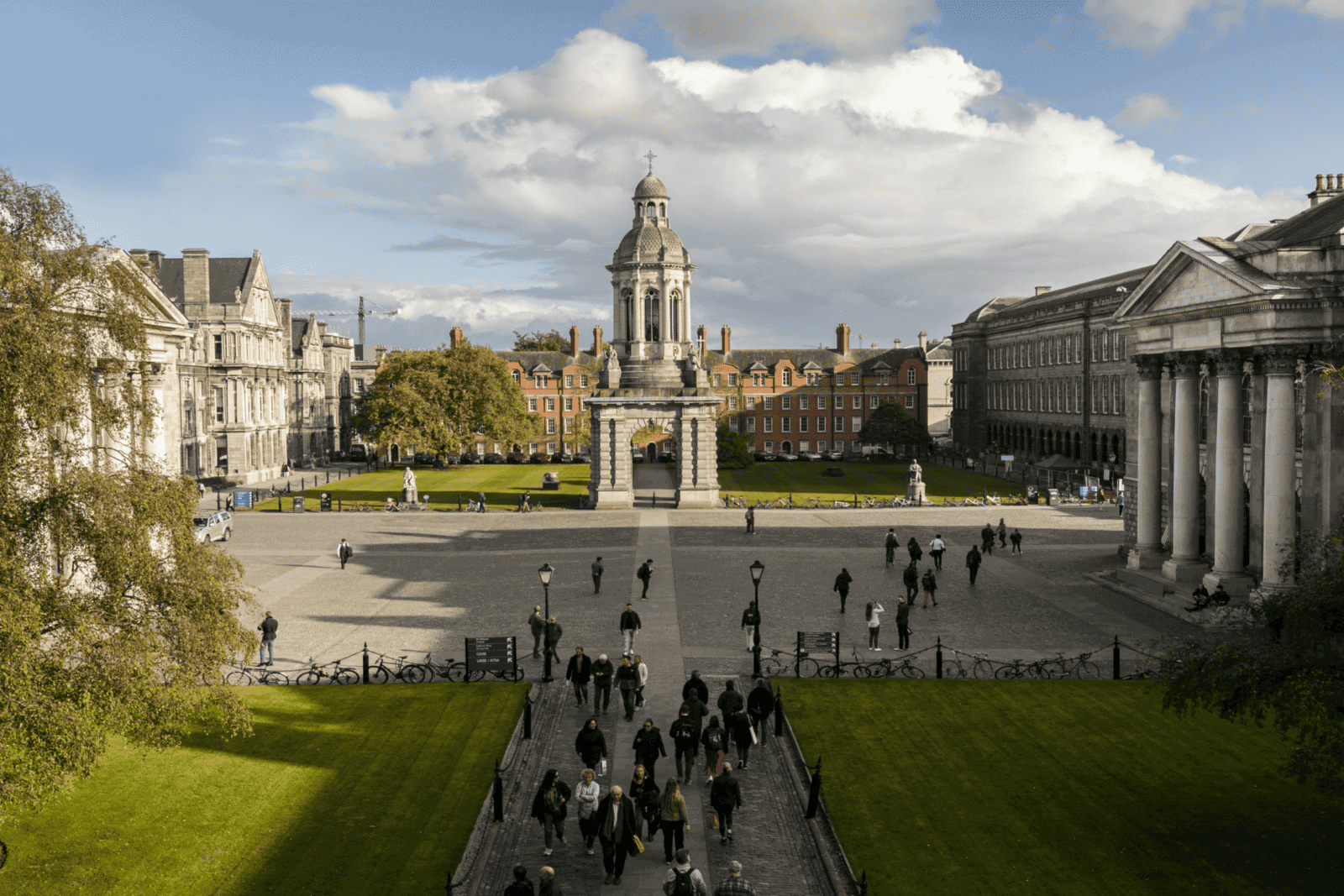
This is where you will find Trinity College, the Book of Kells, and Grafton Street. It is the most "polished" part of the city. St. Stephen’s Green offers a peaceful escape, while the surrounding streets are packed with high-end shopping and prestigious museums like the National Museum of Ireland.
Temple Bar: The Cultural Quarter
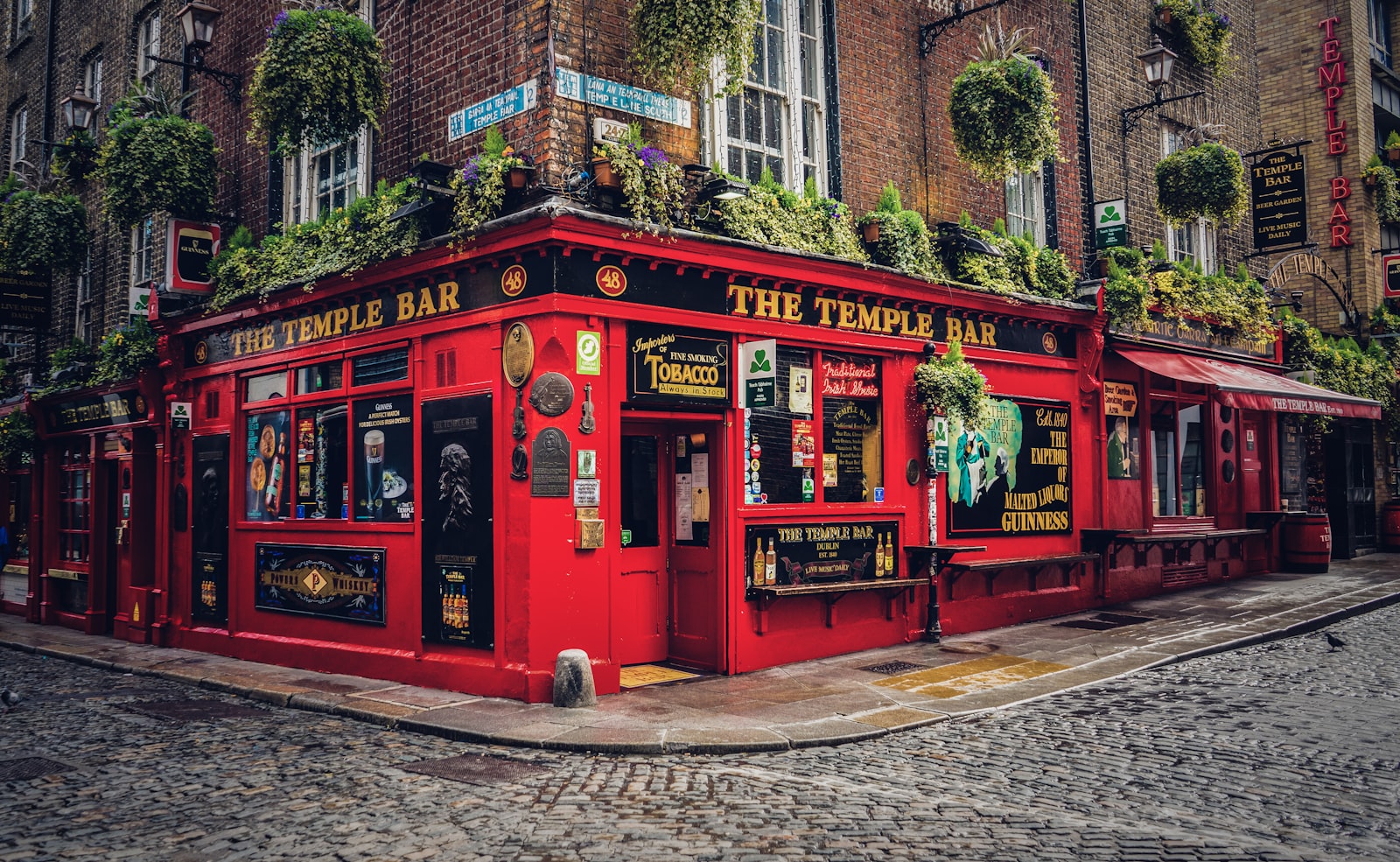
While located in Dublin 2, Temple Bar deserves its own mention. It is the city’s primary tourist hub, famous for its cobblestone streets and live music. While it is essential for the atmosphere, be aware that prices for food and drink here are the highest in the city. For a more authentic experience, many locals suggest visiting the pubs in the nearby "Creative Quarter" around South William Street.
Smithfield and Stoneybatter (Northside)
Once industrial areas, these neighborhoods are now the epicenter of Dublin’s "cool" scene. Smithfield is home to the Jameson Distillery, while Stoneybatter has been repeatedly voted one of the trendiest neighborhoods in the world. Here, you will find independent coffee shops, gastropubs, and a more relaxed, local vibe.
Seasonal Realities: Weather and Timing
A common mistake for travelers to Europe is underestimating the Irish weather. Dublin does not experience extreme temperatures, but it is highly unpredictable.
- The "Four Seasons in One Day" Rule: It is common to have bright sunshine at 10:00 AM, a heavy downpour at 11:30 AM, and gale-force winds by mid-afternoon. Travelers should always carry a light, waterproof jacket, regardless of what the morning sky looks like.
- Daylight Variations: Because Dublin is quite far north, daylight hours shift dramatically. In mid-winter (December), the sun sets around 4:00 PM. In mid-summer (June), it can stay light until 10:30 PM, providing ample time for evening exploration.
- Peak Periods: March 17th (St. Patrick’s Day) is the busiest time of year. While the festival is a major draw, the city becomes extremely crowded, and accommodation prices triple. If you are looking for a calmer experience, late May or September offer the best balance of weather and manageable crowd sizes.
Essential Travel Logistics for 2026
Before arriving in Dublin, ensure you have addressed these technical requirements:
- Electricity: Ireland uses the Type G three-pin plug, the same as the United Kingdom. Most of mainland Europe uses Type C or F. You will need an adapter if you are coming from the continent or North America.
- Tipping: Tipping culture in Dublin is moderate. In restaurants, a tip of 10-12% is standard for good service. It is not necessary to tip in pubs unless you are receiving table service. For taxis, rounding up to the nearest Euro is sufficient.
- Digital Payments: Dublin is almost entirely cashless in 2026. From street performers to small cafes, contactless payment (Apple Pay, Google Pay, or chip-and-pin) is the norm. It is still wise to carry a small amount of cash for emergency use in rural areas outside the city, but within Dublin, cards are king.
- Emergency Services: The emergency number in Ireland is 112 (the European standard) or 999. Both will connect you to police (Gardaí), fire, or ambulance services.
Frequently Asked Questions
Is Dublin part of the UK?
No. Dublin is the capital of the Republic of Ireland, which is a sovereign nation and a member of the European Union. It is entirely separate from the United Kingdom (which includes Northern Ireland). There is no hard border between the Republic and Northern Ireland, but they are different jurisdictions with different currencies (Euro vs. Pound Sterling).
Can I use my Schengen Visa to visit Dublin?
No. Ireland is not a member of the Schengen Area. You must check the Irish Naturalisation and Immigration Service (INIS) requirements for your specific nationality. Many travelers who do not need a visa for the Schengen Zone (like US or Canadian citizens) also do not need one for Ireland, but the entry requirements are legally distinct.
Is Dublin a safe city for solo travelers?
Dublin is generally considered very safe by international standards. Like any major capital, it has areas that are best avoided late at night, and petty theft (like phone snatching) can occur in crowded tourist spots. However, violent crime against tourists is extremely rare. Standard urban vigilance is all that is required.
How many days do I need to see Dublin?
For the city center alone, 2 to 3 days is usually sufficient to see the major sites like Trinity College, Kilmainham Gaol, and the Guinness Storehouse. However, if you wish to use Dublin as a base for day trips to the Cliffs of Moher, Glendalough, or the Boyne Valley, you should plan for 5 to 7 days.
What is the best way to get from Dublin Airport to the city center?
In 2026, the best options remain the dedicated express bus services like Aircoach or Dublin Express. They run 24/7 and connect the airport to major hubs like O'Connell Street and St. Stephen’s Green. Taxis are also readily available but can be expensive during peak traffic hours.
Final Recommendation for Travelers
To truly understand Dublin in 2026, you must look beyond the "shamrock and leprechaun" stereotypes. It is a city of layers: a Viking foundation, a Georgian heart, and a high-tech future. Start your journey in the historic Southside to appreciate the city's origins, but spend your evenings in the revitalized neighborhoods of the Northside to see where the modern energy of the city truly resides. Always purchase a Leap Card upon arrival and never leave your accommodation without a rain jacket.
Image Gallery