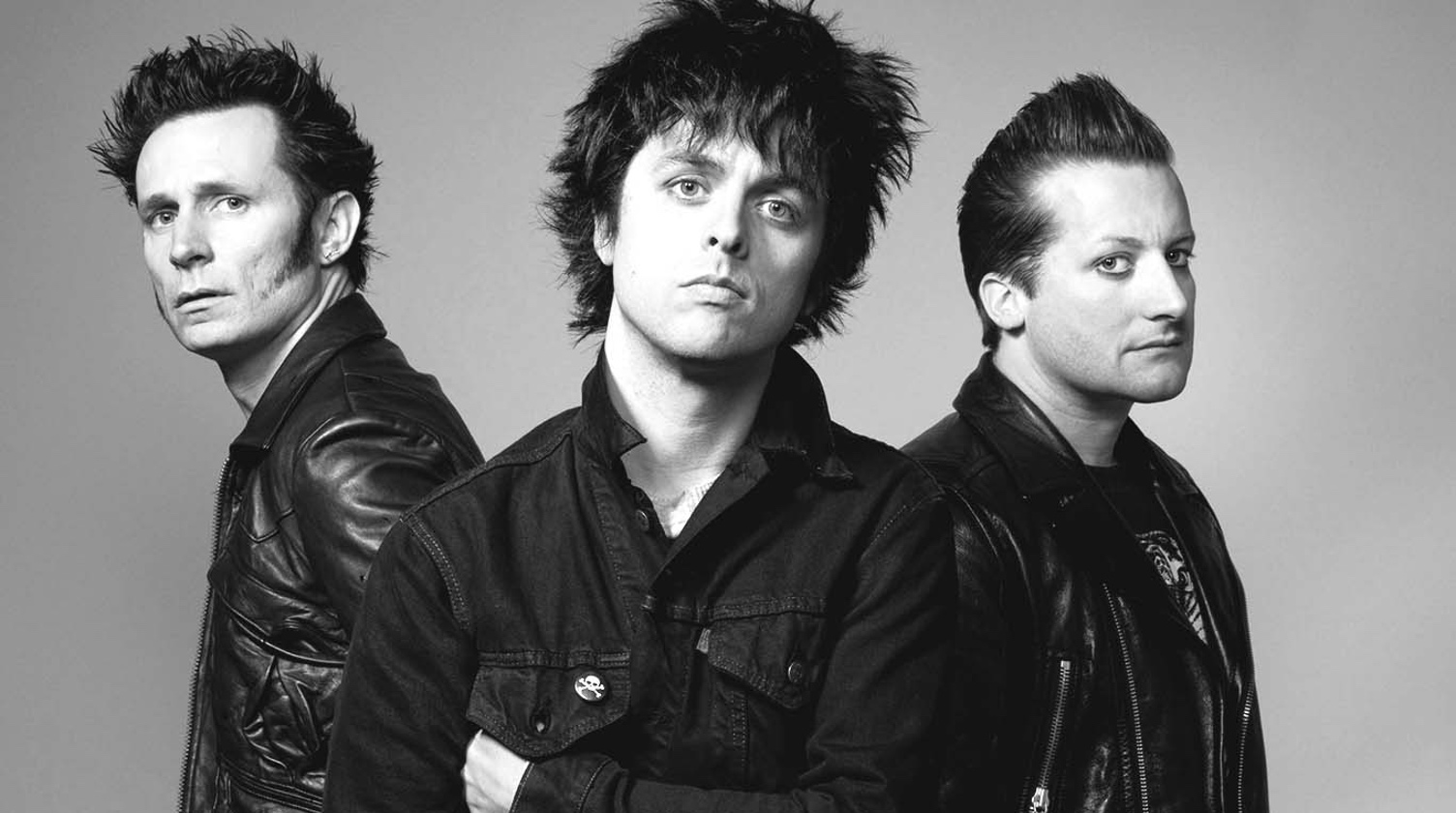
The Green Day Origin City: Roots of the East Bay Punk Revolution
Green Day originated in the small town of Rodeo, California, located in the East Bay region of the San Francisco Bay Area. While the band is most famously associated with the Berkeley punk scene and the legendary 924 Gilman Street coll...
Green Day originated in the small town of Rodeo, California, located in the East Bay region of the San Francisco Bay Area. While the band is most famously associated with the Berkeley punk scene and the legendary 924 Gilman Street collective, founding members Billie Joe Armstrong and Mike Dirnt grew up and formed their first musical partnerships in Rodeo and the neighboring town of Pinole.
Contents
The identity of Green Day is inextricably linked to the geography of Northern California. To understand the band’s meteoric rise, one must look beyond a single point on a map and instead view their "origin city" as a constellation of suburban towns and urban centers in the East Bay. This region provided the boredom necessary for creativity, the venues necessary for performance, and the fiercely independent ethos that would eventually define 1990s alternative rock.
The Formative Years in Rodeo and Pinole
Before they were multi-platinum superstars, Billie Joe Armstrong and Mike Dirnt were childhood friends in Rodeo, California. Rodeo is a small, unincorporated community in Contra Costa County, historically characterized by its industrial roots and proximity to the Phillips 66 San Francisco Refinery. For two teenagers in the mid-1980s, the town offered little in the way of entertainment, which served as a primary catalyst for their immersion into music.
Armstrong and Dirnt met at Carquinez Middle School in Rodeo at the age of 10. Their shared love for heavy metal and early punk rock led them to start playing together. By 1987, at the age of 15, they formed their first serious band, Sweet Children. Much of their early practice and songwriting took place in their childhood homes and local garages in Rodeo and the adjacent city of Pinole, where they attended Pinole Valley High School.
The suburban isolation of Rodeo is a recurring theme in Green Day’s early discography. The sense of being "stuck" in a town where nothing happens fueled the angst and energy of tracks found on 39/Smooth and Kerplunk. Pinole Valley High School also served as a backdrop for their early social identity, providing a peer group of skaters and outcasts who would become the first fans of the burgeoning East Bay punk sound.
Berkeley and the 924 Gilman Street Collective
While Rodeo was the site of their birth, Berkeley, California, was the site of their professional and cultural baptism. In the late 1980s, Berkeley was home to 924 Gilman Street, an all-ages, non-profit, volunteer-run punk collective. This venue is arguably the most important "origin" location for Green Day, as it provided the platform that allowed them to transition from a garage band to a regional phenomenon.
The Gilman Street scene was governed by a strict DIY (Do-It-Yourself) ethos and a set of rules that prohibited violence, racism, homophobia, and, most controversially, "selling out" to major labels. It was here that Sweet Children changed their name to Green Day in 1989—reportedly to avoid confusion with another local band, Sweet Baby—and where they honed their live performance skills alongside bands like Operation Ivy, Rancid (then Ivy's members), and Jawbreaker.
Berkeley offered Green Day a sophisticated audience of activists, artists, and hardcore punk enthusiasts. The influence of this environment taught the band how to manage their own tours, produce their own merch, and maintain a direct connection with their audience—skills they would carry with them even after transitioning to the global stage.
The East Bay Sound: A Regional Identity
The concept of a "Green Day origin city" is best understood through the lens of the East Bay. This region encompasses a variety of cities that contributed different elements to the band's DNA:
| Location | Role in Green Day's History | Primary Significance |
|---|---|---|
| Rodeo, CA | Childhood home of Armstrong & Dirnt | Formation of "Sweet Children" (1987). |
| Pinole, CA | Educational and social hub | Site of Pinole Valley High School and early local gigs. |
| Berkeley, CA | Cultural and performance center | Home to 924 Gilman Street and the DIY punk ethos. |
| Oakland, CA | Professional base and later residence | Location of many recording studios and current band-owned businesses. |
| El Sobrante, CA | Hometown of original drummer John Kiffmeyer | Influence on the band's first independent releases. |
This regional identity is critical because the "East Bay Sound" was a specific subgenre of punk. Unlike the hardcore punk of Los Angeles or the political punk of Washington D.C., East Bay punk was characterized by a melodic, pop-influenced sensibility paired with lyrics about personal struggles, relationships, and suburban boredom. This sonic fingerprint originated in the interconnected scenes of Berkeley and Oakland, providing the blueprint for the pop-punk explosion of the 1990s.
The Transition to Oakland and Global Reach
As Green Day grew in popularity during the early 1990s, their center of gravity shifted toward Oakland, California. Oakland provided the urban infrastructure that the smaller towns of Rodeo and Pinole lacked. It became the location for their rehearsal spaces and eventually the site of several influential recording studios where they tracked early material for Lookout! Records.
Even after achieving massive success with the 1994 release of Dookie, the band maintained deep roots in Oakland. Billie Joe Armstrong eventually co-founded Broken Guitars, a guitar shop in Oakland, and his family opened 1-2-3-4 Go! Records (an Oakland record store and venue). This commitment to the local economy and music scene in Oakland cemented the city as their permanent professional home, even as their "origin" remains firmly in the residential streets of Rodeo.
The move from the small-town environment of Rodeo to the dense, diverse urban landscape of Oakland mirrored the band's musical evolution. While their early songs focused on the frustration of the suburbs, their later work, most notably the American Idiot saga, reflected a broader perspective on American society, politics, and urban life—themes that are heavily influenced by the cultural melting pot of the Bay Area.
Legacy of the East Bay Roots in 2026
As of 2026, Green Day’s connection to their origin cities remains a point of pride for both the band and the Northern California region. The East Bay has seen a significant amount of "punk rock tourism," with fans visiting 924 Gilman Street (which continues to operate as a community space) and various landmarks in Rodeo and Pinole.
The band’s story is often cited as the definitive example of the "suburban dream" in reverse: taking the mundanity of a small California town and turning it into a global cultural movement. The geographic specificities of their origin—the refineries of Rodeo, the high school hallways of Pinole, and the graffiti-covered walls of Berkeley—are not just footnotes; they are the fundamental building blocks of the Green Day narrative.
Why Rodeo Matters
While most media outlets simplify their origin to "Oakland" or "Berkeley" because those cities are more recognizable, Rodeo is essential for understanding the band's work ethic. Growing up in a refinery town instilled a blue-collar sensibility in Armstrong and Dirnt. They viewed music not just as an art form, but as a way out—a trade to be mastered through relentless practice and touring.
The Impact of 924 Gilman Street
The "exile" of Green Day from 924 Gilman Street is a legendary piece of punk history. When the band signed with Reprise Records (a major label) to release Dookie, they were officially banned from the venue for violating the "no major labels" rule. This forced the band to find a new "home" in the broader music world, but it also reinforced their East Bay identity. They were the kids from the scene who "made it," and their complex relationship with Berkeley continues to be a subject of documentaries and interviews.
Frequently Asked Questions
Where exactly was Green Day's first show?
Green Day, then known as Sweet Children, played their first live performance at Rod's Hickory Pit in Vallejo, California, on October 17, 1987. Billie Joe Armstrong’s mother worked as a waitress at this restaurant. This venue was located just across the bridge from their hometown of Rodeo, further emphasizing the band’s deep roots in the local Contra Costa and Solano County area.
Is Green Day from San Francisco?
While Rodeo and Berkeley are part of the San Francisco Bay Area, Green Day is not "from" San Francisco. They are specifically an East Bay band. In the California music scene, there is a distinct cultural difference between San Francisco and the East Bay. The East Bay has traditionally been more affordable and industrial, fostering a grittier, more community-focused punk scene than the city of San Francisco itself.
Did the band members go to college in their origin city?
No. Billie Joe Armstrong dropped out of Pinole Valley High School just before his 18th birthday to pursue the band full-time. Mike Dirnt graduated from the same high school but opted to focus on the music scene rather than attending college. Their "education" was largely informal, taking place in the van during tours and within the activist-led environment of 924 Gilman Street.
What is the most famous Green Day landmark to visit in the East Bay?
The most significant landmark is 924 Gilman Street in Berkeley. While it is a private club and requires a membership fee (usually just a few dollars), it remains an active venue. Other popular spots include the Hwy 4 interchange mentioned in lyrics and various locations in Oakland, such as the site of the former Jingletown recording district where the band spent significant time.
Why is Oakland often listed as their home?
Oakland is listed as their home because it is where the band has been based for the majority of their adult lives. Most of their business operations, recording studios, and personal residences have been in Oakland since the mid-1990s. While Rodeo is where they were born, Oakland is the city where Green Day became a global entity.
Final Recommendation for Fans and Researchers
To truly understand the "origin city" of Green Day, one should undertake a regional tour of the East Bay rather than looking for a single monument. Start in Rodeo to see the quiet, industrial backdrop of their childhood; move through Pinole to see the suburban high school environment that shaped their early lyrics; and finish in Berkeley and Oakland to witness the cultural engine that propelled them to stardom. For the most authentic experience, check the calendar at 924 Gilman Street—though Green Day has outgrown the stage, the spirit of their origin city lives on in the new bands performing there every weekend.
Image Gallery