How to Use Alipay When Traveling in China: A Comprehensive 2026 Guide
Using Alipay as a foreign traveler in China is no longer a complex hurdle but a straightforward necessity. By linking international credit cards directly to the app, visitors can navigate China’s nearly cashless economy, paying for eve...
Using Alipay as a foreign traveler in China is no longer a complex hurdle but a straightforward necessity. By linking international credit cards directly to the app, visitors can navigate China’s nearly cashless economy, paying for everything from street food to high-speed rail tickets with a simple smartphone scan.
Contents
The digital payment landscape in China has undergone a massive transformation, making it one of the most technologically integrated societies in the world. As of 2026, the era of carrying thick wads of Renminbi (RMB) is largely over. While cash is still legally tender, many vendors—ranging from high-end boutiques in Shanghai to small fruit stalls in rural provinces—rarely keep enough change on hand to break large bills. For an international traveler, having a functional Alipay account is the single most important preparation step before landing.
The Necessity of Digital Payments in the Chinese Ecosystem
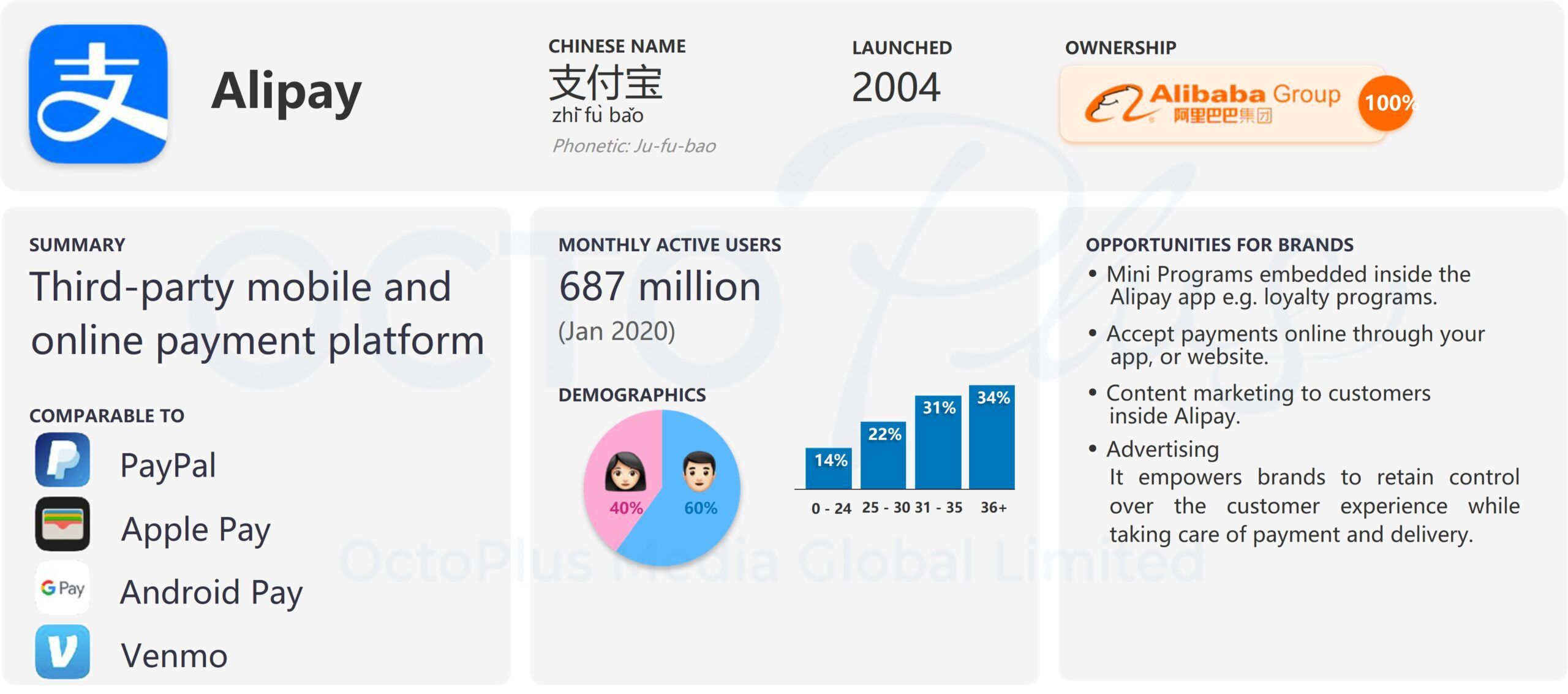
In 2026, China’s "mobile-first" approach has reached a point where physical credit cards are seldom used at point-of-sale (POS) terminals, except in major international hotel chains. The ubiquitous QR code has replaced the swiping or dipping of plastic. Alipay, operated by Ant Group, serves as more than just a digital wallet; it is a "super-app" that integrates transportation, food delivery, translation services, and government interactions.
For travelers, the primary benefit of Alipay is the International Version, which was specifically optimized between 2023 and 2025 to accommodate foreign passports and international banking networks. This version allows you to bypass the traditional requirement of having a local Chinese bank account, which was a significant barrier for tourists in the past.
Prerequisites for International Users
Before beginning the setup process, ensure you have the necessary documentation and hardware ready. Attempting to set up the app after arriving in China can be stressful due to connectivity issues or the need for SMS verification.
- A Smartphone: Ensure your device is unlocked and capable of running the latest version of the Alipay app from the Apple App Store or Google Play Store.
- A Valid Passport: You will need to take a high-quality photo of your passport's photo page for identity verification.
- An Active Mobile Number: You can use your home country’s phone number. Ensure you can receive international SMS messages for the initial verification code.
- A Compatible Payment Method: Alipay currently supports major international networks, including Visa, Mastercard, Diners Club, Discover, and JCB.
Step-by-Step Setup and Identity Verification
The verification process is mandatory for international users to unlock higher spending limits and ensure the security of the account. In 2026, the automated AI verification system is highly efficient, often approving accounts within minutes.
1. Download and Sign Up
Download the Alipay app. Upon opening, select the "International Version" if prompted. Enter your mobile phone number, including the country code. You will receive a 6-digit verification code via SMS. Enter this code to create your account.
2. Enter Identity Information
Navigate to the "Account" tab (usually at the bottom right) and select "Identity Information." You must enter your name exactly as it appears in the machine-readable zone of your passport.
3. Passport Verification
The app will prompt you to scan your passport. Place the passport on a flat surface with good lighting to avoid glare. Following the scan, you may be asked to complete a "Liveness Check," which involves looking into the phone’s front-facing camera and performing simple actions like nodding or blinking to prove you are a real person.
Linking International Credit and Debit Cards
Once your identity is verified, you can link your primary travel cards. It is highly recommended to link at least two different cards from different issuers (e.g., one Visa and one Mastercard) to provide a backup in case one transaction is flagged by your home bank’s fraud prevention system.
- Go to the "Bank Cards" section under the "Account" tab.
- Tap "Add Card" and enter your card details manually or scan the card with your camera.
- Enter the billing address associated with the card.
- Alipay may perform a small "test" transaction (often 0.00 or 0.01 USD) to verify the card is active.
Important Note: Unlike local Chinese users, international travelers generally cannot "top up" an Alipay balance. Instead, when you scan a QR code to pay, Alipay charges the linked international card directly in real-time.
Understanding the Fee Structure and Limits
As of 2026, the fee structure for international cards remains consistent with the standards established in recent years. Understanding these costs helps in planning your spending.
| Transaction Type | Transaction Amount | Fee Charged by Alipay |
|---|---|---|
| Small Payments | Under 200 RMB | 0% (Fee-Free) |
| Large Payments | Over 200 RMB | 3% |
| Refund to Card | Any Amount | Fees are usually pro-rated/returned |
| Annual Spending Limit | Verified Account | Approx. $50,000 USD (Subject to change) |
The 200 RMB threshold is a critical figure. For small daily purchases like coffee, subway rides, or convenience store snacks, you will not pay an extra fee to Alipay. For larger purchases, such as a high-end dinner or electronics, the 3% fee will be automatically calculated and added to the total charged to your card.
Note: Your home bank may still charge an independent "Foreign Transaction Fee" depending on your card's terms. It is wise to use a card that waives these fees.
The Two Ways to Pay: Scanning vs. Being Scanned
Payment in China via Alipay happens in two distinct ways. Mastering both is essential for a smooth travel experience.
Method 1: "Scan" (Scanning the Merchant)
This is common at small vendors, stalls, or when paying a taxi driver.
- Open Alipay and tap the "Scan" icon on the home screen.
- Point your camera at the merchant’s printed QR code.
- Enter the amount in RMB as directed by the merchant or the price tag.
- Confirm the payment using your phone’s biometric (FaceID/Fingerprint) or your 6-digit Alipay payment password.
Method 2: "Pay/Receive" (Merchant Scans You)
This is the standard at supermarkets, malls, branded coffee shops (like Luckin or Starbucks), and fast-food chains.
- Open Alipay and tap the "Pay/Receive" icon.
- A QR code and a barcode will appear on your screen.
- Show this screen to the merchant, who will use a handheld scanner or a desktop scanner to read your code.
- The transaction is completed automatically without you needing to enter an amount.
Accessing Transportation and Services via Mini-Apps
The power of Alipay lies in its "Mini-Apps"—integrated programs that run within the main app. In 2026, these are the most useful tools for foreigners:
- Didi Chuxing: The Chinese equivalent of Uber. You can hail a car directly within Alipay. The interface is available in English, and you can message drivers with auto-translated text.
- Transport Code: Most major cities (Beijing, Shanghai, Guangzhou, Shenzhen) allow you to use a "Transport QR Code" for the subway and buses. You simply scan your phone at the turnstile. You must often "activate" the specific city’s transport card within the app, which takes about 30 seconds.
- Trip.com: This mini-app allows you to book high-speed rail tickets and domestic flights without leaving the Alipay ecosystem.
- Translation Tools: Alipay includes an image-to-text translator. If you encounter a menu or a sign only in Chinese, you can take a photo through the app to get a rough English translation.
Security, Privacy, and Data Management
Travelers often express concerns regarding data privacy when using digital payments in China. Alipay uses industry-standard encryption for all transactions. In 2026, the app includes robust "Privacy Settings" where you can manage what data is shared.
To enhance security:
- Enable Biometrics: Always use FaceID or fingerprint scanning to authorize payments.
- Set a Strong Password: Do not use simple sequences like "123456" for your payment PIN.
- Monitor Notifications: Enable push notifications so you receive an immediate alert for every transaction made.
Troubleshooting Common Issues
Despite the system's maturity, you may encounter occasional friction.
- Transaction Declined: If a payment fails, it is often not an Alipay issue but a security block from your home bank. Contact your bank before your trip to inform them you will be traveling in China.
- Poor Internet Connectivity: Payment codes (Method 2) can sometimes work offline for a short period, but scanning a merchant (Method 1) requires data. Consider getting a local SIM or an eSIM with a VPN to ensure consistent access.
- Identity Verification Delay: If your passport scan fails, ensure there is no glare on the ID and that the "Machine Readable Zone" (the text at the bottom) is clearly visible.
FAQ
1. Do I need a Chinese phone number to use Alipay in 2026?
No, you can register for Alipay using most international phone numbers. However, having a local SIM can be helpful for data connectivity and for using other local services that might require a +86 number.
2. Can I use Alipay to send money to individuals?
For international users linked to foreign cards, Alipay is primarily for merchant payments. Sending peer-to-peer (P2P) transfers to friends or individuals is often restricted unless you have a verified Chinese bank account linked to the system.
3. Is there a daily limit on how much I can spend?
Yes, international cards usually have a per-transaction limit (often around 3,000–5,000 RMB) and an annual limit. If you are planning a very large purchase, such as high-end jewelry or a luxury watch, you may need to split the payment or use a physical card at an international hotel.
4. What happens if I lose my phone?
You should immediately log into your Alipay account from another device to freeze the account or change your password. Because Alipay requires biometrics or a PIN for every transaction, a thief would find it difficult to spend your money even with physical possession of the device.
5. Can I use Alipay in Hong Kong or Macau?
While "Alipay" (the mainland version) is accepted at many merchants in Hong Kong and Macau, these regions also have their own versions (like AlipayHK). In 2026, the mainland app is widely accepted in tourist areas of both SARs, but it's always good to have a backup payment method there.
Final Recommendations
To ensure a stress-free trip to China in 2026, complete your Alipay setup and passport verification at least one week before departure. Once you arrive, perform a small "test" transaction at a convenience store like FamilyMart or 7-Eleven. This confirms that your bank is allowing the transactions and that your app is configured correctly. By mastering this single tool, you effectively unlock the ability to travel across China with the same ease as a local.
Image Gallery