Unpacking the Kiki Challenge: Origins, Viral Mechanics, and Safety Repercussions
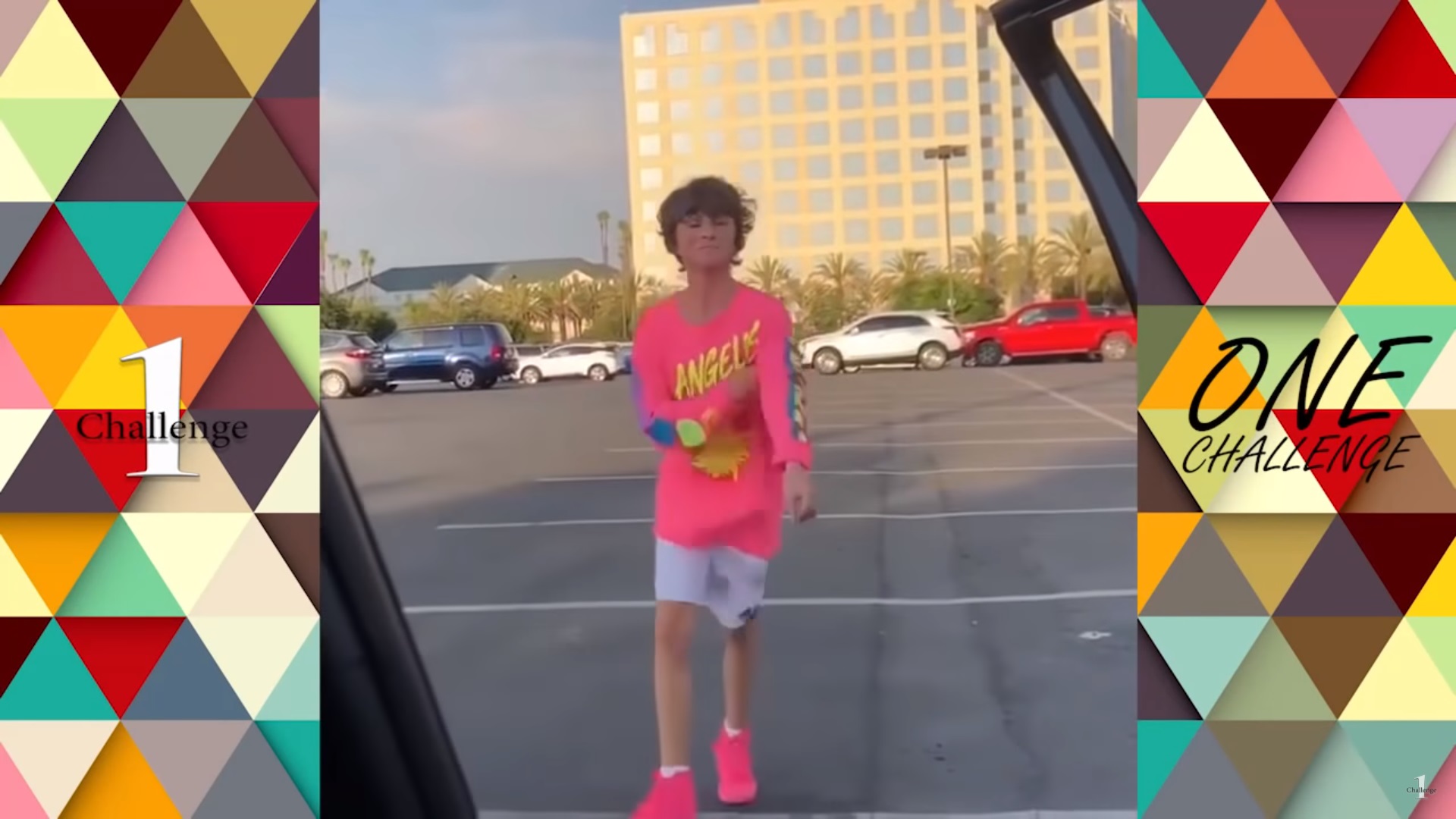
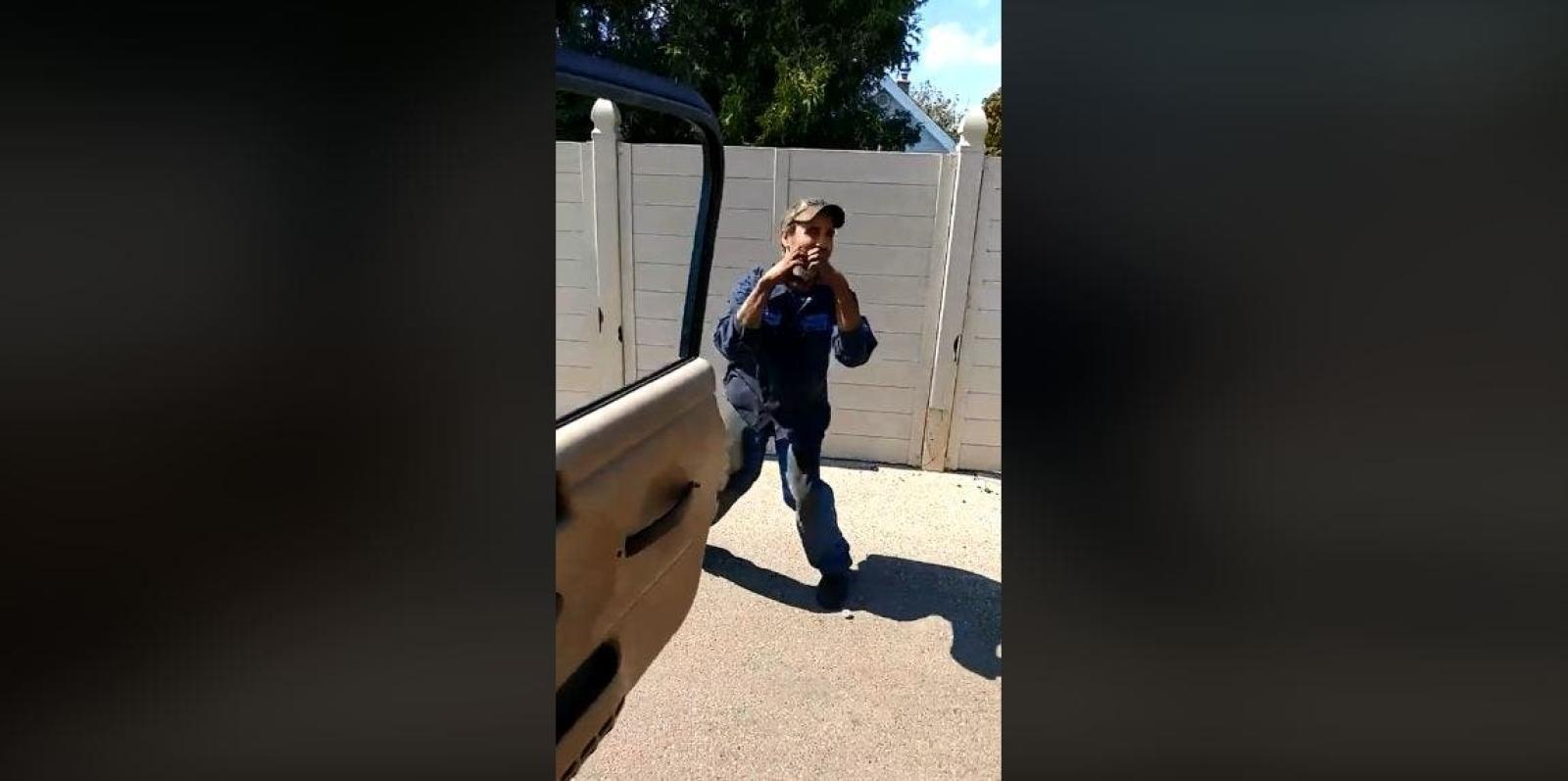
The Kiki Challenge—also known as the "In My Feelings" challenge—was a viral internet phenomenon in 2018 where individuals stepped out of moving vehicles, danced alongside the slow-rolling car to Drake's track "In My Feelings," and hopp...
The Kiki Challenge—also known as the "In My Feelings" challenge—was a viral internet phenomenon in 2018 where individuals stepped out of moving vehicles, danced alongside the slow-rolling car to Drake's track "In My Feelings," and hopped back inside while the vehicle remained in motion.
Contents
Origin and Rise of the Viral Phenomenon
The Kiki Challenge began in the summer of 2018, propelled by a combination of high-profile social media sharing, celebrity endorsement, and catchy pop music. Understanding how the trend achieved global saturation requires examining the mechanics of modern digital virality, the specific role of the music industry in shaping social media challenges, and the cultural ecosystem of platforms like Instagram and TikTok (which was rapidly growing at the time).
The Catalyst: Shiggy and Drake
The challenge traces its roots to digital creator Shiggy (whose real name is Justin Horacks), an Instagram comedian known for posting dance videos. On June 29, 2018, Shiggy posted a video of himself executing a choreographed routine on an asphalt street to the chorus of Canadian rapper Drake's song "In My Feelings," which was released on the album Scorpion. The lyrics feature the line, "Kiki, do you love me? Are you riding? Say you'll never ever leave from beside me."
Shiggy’s original choreography did not involve a car. Instead, he danced in the middle of a street, stopping at traffic lines and pantomiming driving and heart shapes with his hands. The video went viral almost immediately, accumulating millions of views and inspiring a hashtag, #DoTheShiggy.
Shortly after Shiggy's post, professional athletes, actors, and musicians began replicating the dance. The turning point from a standard dance trend to a potentially hazardous automotive stunt occurred when participants decided to incorporate moving vehicles. Drake himself posted a video of himself performing the dance on tour, further cementing the song's cultural dominance. Within weeks, tens of thousands of users worldwide began recording their own interpretations, shifting the primary performance space from sidewalks to active roadways.
The Mechanics of Social Media Amplification
The rapid acceleration of the Kiki Challenge highlighted how algorithmic feeds on platforms like Instagram, Twitter (now X), and Facebook prioritize high-engagement content. Several structural elements contributed to its spread:
- Audio-Visual Synergy: The pairing of an instantly recognizable, high-tempo hook by a mega-artist like Drake with a relatively simple, repeatable dance routine lowered the barrier to entry for content creators.
- The Element of Risk: As participants escalated the stunt by exiting moving cars, the content generated higher psychological arousal among viewers—fear, surprise, and suspense—which heavily correlates with increased shares, comments, and algorithmic promotion.
- Peer Pressure and Trend Participation: Influencers and everyday users alike utilized the challenge as a vehicle for personal brand visibility, leveraging the trending hashtag to gain algorithmic reach.
Safety Risks, Legal Consequences, and Public Backlash
While framed as harmless online fun by its participants, the Kiki Challenge quickly drew severe criticism from law enforcement agencies, traffic safety organizations, and government officials worldwide. The practice of exiting a moving vehicle introduced catastrophic risks to both the drivers and innocent bystanders.
Traffic Hazards and Physical Injuries
The core danger of the Kiki Challenge lay in the physics of operating a motor vehicle without a driver at the controls. Even at low speeds, a car moving without an attentive driver presents immediate hazards:
- Runaway Vehicles: Drivers attempting to film the dance while stepping out of the driver's side door often lost control of the vehicle's trajectory, leading to collisions with stationary objects, other cars, or pedestrians.
- Fall Injuries: Participants frequently tripped, stumbled, or misjudged the speed of the rolling vehicle when attempting to jump back inside through the door or window, resulting in orthopedic injuries, road rash, and, in severe cases, run-over accidents.
- Distracted Driving: Operating a vehicle while simultaneously coordinating a mobile phone camera, looking backward or outward, and executing dance steps severely compromised situational awareness.
Global Law Enforcement and Regulatory Responses
Governments across multiple continents recognized the trend as a public safety emergency. Law enforcement bodies issued stern warnings, threatening heavy fines, license suspensions, and criminal charges for reckless endangerment.
| Region / Country | Official Response | Potential Penalties |
|---|---|---|
| United States | National Transportation Safety Board (NTSB) and local police departments issued public safety warnings. | Citations for reckless driving, impeding traffic, and seatbelt violations; misdemeanor charges depending on jurisdiction. |
| Egypt | Ministry of Interior warned citizens against disturbing public order and violating traffic laws. | Fines and potential imprisonment for actions causing traffic disruption or endangering lives. |
| United Arab Emirates | Dubai Police launched awareness campaigns and actively tracked down individuals posting stunt videos. | Vehicle impoundment, heavy financial fines, and referral to public prosecution for reckless endangerment. |
| India | State police departments (including Mumbai, Bengaluru, and Kerala) issued strict warnings via social media. | Prosecution under Indian Penal Code sections relating to public nuisance and rash driving. |
| Spain | General Directorate of Traffic (DGT) explicitly prohibited the practice. | Administrative fines and loss of driving license points. |
Cultural Impact and the Evolution of Viral Challenges
The Kiki Challenge serves as a critical case study in the evolution of internet culture during the late 2010s, marking a transitional phase where social media stunts began intersecting directly with physical public safety regulations.
The Shift Toward "Danger-Chasing"
Before 2018, viral challenges frequently involved charitable acts (such as the ALS Ice Bucket Challenge) or moderately embarrassing physical feats (such as the Cinnamon Challenge). The emergence of automotive-based trends indicated a shift toward high-risk public interventions designed to capture fleeting attention spans in crowded digital marketplaces.
This trend paved the way for subsequent platform scrutiny. Major technology companies, media regulators, and insurance providers began closely monitoring viral movements, leading to stricter content moderation guidelines regarding self-harm and dangerous activities on platforms like YouTube, TikTok, and Instagram.
Accountability for Digital Creators
The phenomenon also sparked intense debates regarding the ethical responsibilities of digital influencers and platform operators. Critics argued that platforms profited from engagement driven by dangerous stunts without bearing liability for the resulting injuries or property damage. Consequently, platforms began implementing warning labels, algorithmic suppression, and outright bans on search terms associated with hazardous challenges, fundamentally altering how modern social trends spread and sustain themselves.
Frequently Asked Questions
What song was used for the Kiki Challenge?
The challenge used the song "In My Feelings" by American rapper Drake, specifically the chorus featuring the opening line, "Kiki, do you love me?" The track was released in 2018 on his fifth studio album, Scorpion, and became a global streaming record-breaker largely due to the viral dance trend.
Did anyone die participating in the Kiki Challenge?
Yes. While precise global statistics are difficult to verify due to varying local reporting standards, media outlets documented multiple serious injuries and fatalities worldwide. Incidents included participants being struck by oncoming traffic after exiting their cars, falling from moving vehicles, and drivers crashing into poles or pedestrians while attempting to film themselves.
Why was it called the Kiki Challenge?
The name derived from the central lyric of the song, which addresses a woman named "Kiki." Although the original dance created by Shiggy was called the #DoTheShiggy, public adoption shifted toward the Kiki moniker because the chorus hook was the most widely shared and recognizable segment of the audio track on social media.
Is the Kiki Challenge still popular?
No. The peak of the trend occurred during the summer of 2018. Due to aggressive law enforcement interventions, platform moderation policies restricting dangerous content, and the natural lifecycle of internet fads, the challenge faded from mainstream visibility within a few months.
Can you get arrested for doing the Kiki Challenge?
Yes. Depending on the jurisdiction, law enforcement agencies prosecuted participants under various traffic and criminal laws. Charges commonly included reckless driving, driving without due care and attention, obstructing traffic, opening car doors into moving lanes, and public endangerment, resulting in fines, court appearances, and license suspensions.
Image Gallery