How Old Is Joie Lee? A Profile of Spike Lee's Talented Sister
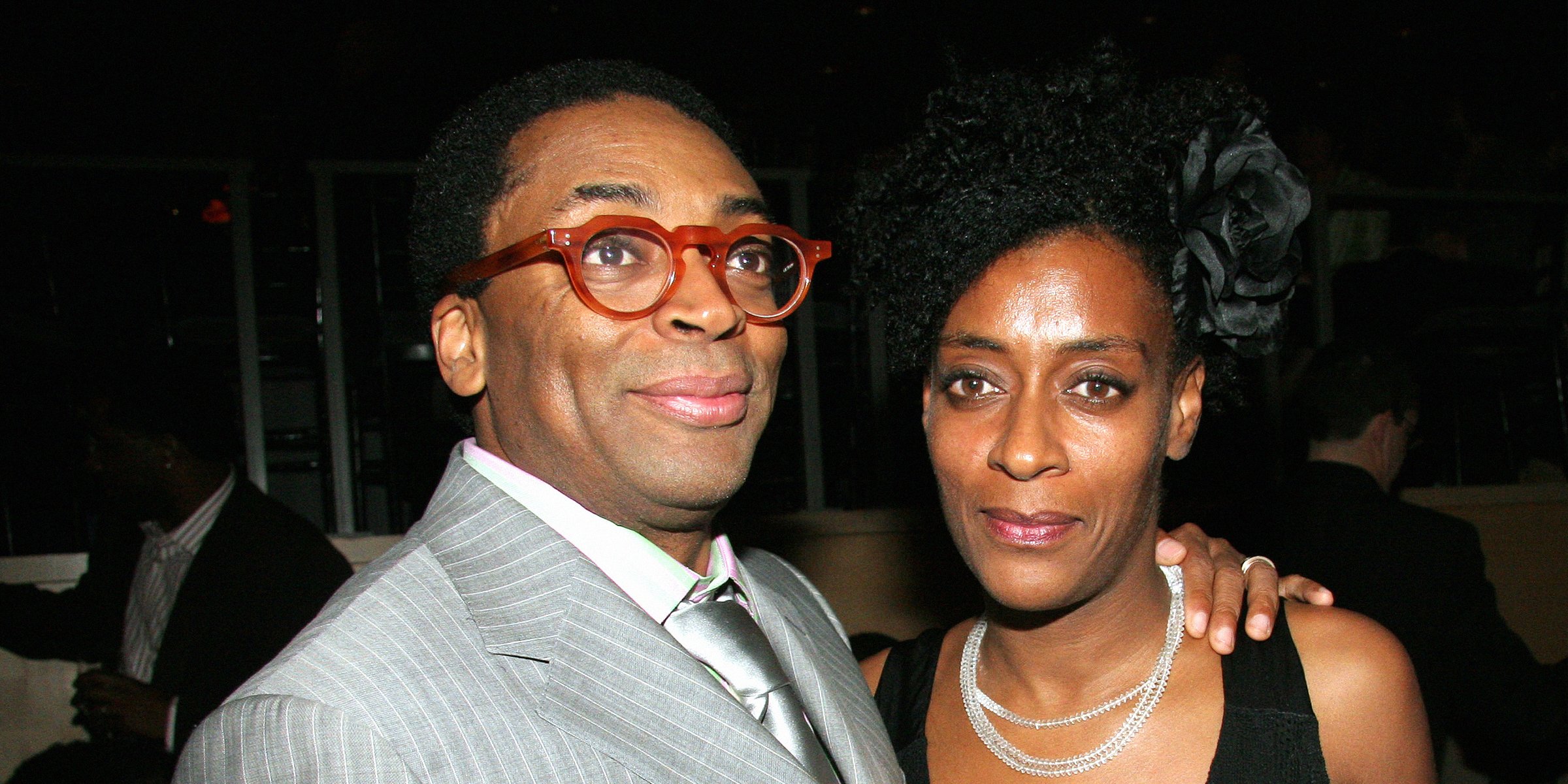
As of 2026, Spike Lee’s sister, Joie Lee, is 64 years old. Born on June 22, 1962, in Brooklyn, New York, she has spent over four decades contributing to the American film industry as a distinguished actress, screenwriter, and producer,...
As of 2026, Spike Lee’s sister, Joie Lee, is 64 years old. Born on June 22, 1962, in Brooklyn, New York, she has spent over four decades contributing to the American film industry as a distinguished actress, screenwriter, and producer, most notably through her frequent collaborations with her brother and her independent creative ventures.
Contents
Joie Susannah Lee is far more than just a sibling to one of the most influential directors in modern cinema history; she is a foundational pillar of the "Lee family aesthetic" that redefined Black representation in the late 1980s and early 1990s. While her age reflects a long and storied career, her influence remains timeless within the halls of independent filmmaking. To understand her journey, one must look at the intersection of her personal biography, her pivotal roles in "Spike Lee Joints," and her significant contributions behind the camera.
Joie Lee’s Biographical Profile and Early Life
Joie Lee was born into a household where artistic expression was not just encouraged but expected. Her father, Bill Lee, was a renowned jazz bassist and composer who scored several of Spike Lee’s early films. Her mother, Jacquelyn Shelton Lee, was an arts and Black literature teacher. This environment provided a rich soil for Joie’s development as a performer and writer.
Growing up in the Fort Greene neighborhood of Brooklyn, Joie was the only girl among four brothers: Spike, Cinqué, David, and Christopher. This family dynamic—living in a house filled with competitive, creative brothers—would later serve as the primary inspiration for her most famous screenwriting credit, Crooklyn.
She attended Sarah Lawrence College, an institution known for its rigorous focus on the humanities and performing arts. It was here that Joie honed her craft, preparing for the cultural shift she and her brothers were about to ignite in the world of cinema. By the time her brother Spike was ready to film his breakout feature, Joie was positioned to be both a creative partner and a featured performer.
Career Beginnings: The "Spike Lee Joint" Era
Joie Lee’s professional acting career began in earnest with Spike Lee's feature film debut, She's Gotta Have It (1986). In this film, which was shot in black and white on a shoestring budget, she played the character Clorinda Bradford. The film was a revolutionary moment for Black independent film, and Joie’s performance helped establish the naturalistic, Brooklyn-centric tone that would become the family’s trademark.
Iconic Roles in the Late 1980s
As the 1980s progressed, Joie became a staple of her brother’s ensemble casts. Each role allowed her to showcase a different facet of her range:
- School Daze (1988): In this musical comedy-drama exploring colorism and social hierarchy at a historically Black college (HBCU), Joie played Lizzie Life. The film was a commercial success and sparked nationwide conversations about internal dynamics within the Black community.
- Do the Right Thing (1989): This is perhaps her most recognized role. She played Jade, the sister of Mookie (played by Spike Lee). Her performance provided a calm, grounding presence amid the sweltering heat and rising racial tensions of the Bedford-Stuyvesant neighborhood. The dynamic between Jade and the character Sal (Danny Aiello) remains one of the most analyzed aspects of the film’s complex interpersonal relationships.
- Mo' Better Blues (1990): Playing the character Indigo Downes, Joie portrayed the more stable and nurturing love interest of protagonist Bleek Gilliam (Denzel Washington). This role allowed her to step into a more traditional romantic lead capacity, contrasting with the more experimental nature of her earlier work.
Behind the Camera: Writing and Producing
While Joie Lee is often recognized first for her face on screen, her most significant contribution to the Lee family legacy may be her work as a writer. In the early 1990s, she transitioned into screenwriting and producing, bringing a distinctly feminine and domestic perspective to a filmography that was often focused on male-centric urban narratives.
The Significance of Crooklyn (1994)
Crooklyn remains a high-water mark for semi-autobiographical storytelling. Co-written by Joie, Spike, and their brother Cinqué Lee, the film is a vibrant, nostalgic, and often heartbreaking look at a family living in Brooklyn in the 1970s.
Joie was the driving force behind the script, ensuring that the story captured the specific nuances of growing up as the only girl in a household of boys. The protagonist, Troy (played by Zelda Harris), serves as a surrogate for Joie’s own childhood experiences. The film is celebrated for its soundtrack, its authentic depiction of 1970s New York, and its portrayal of a Black middle-class family navigating grief and growth. By writing Crooklyn, Joie secured her place as a vital voice in the New Black Realism movement.
Continued Creative Evolution
Beyond the family circle, Joie Lee continued to work in various capacities. She appeared in Jim Jarmusch’s Coffee and Cigarettes (2003) in the segment "Twins" alongside her brother Cinqué. This collaboration highlighted her versatility and her standing in the broader independent film community outside of her brother's direct influence.
In the 2010s and leading into the early 2020s, she reprised her connection to She's Gotta Have It by appearing in the Netflix series adaptation (2017–2019), playing a different role (Septima) than her original 1986 character. This marked a full-circle moment in her career, bridging the gap between her 20s and her late 50s.
The Lee Family Legacy: A Collaborative Dynamic
To understand Joie Lee’s career, one must look at the Lee family as a creative collective. Much like the Coppolas or the Wayans, the Lees operated as a unit where different members brought different technical and artistic skills to the table.
| Family Member | Primary Role | Notable Collaboration with Joie |
|---|---|---|
| Spike Lee | Director / Producer | Do the Right Thing, Crooklyn |
| Bill Lee | Composer / Musician | Scored many of the films Joie acted in |
| Cinqué Lee | Writer / Actor | Co-wrote Crooklyn with Joie |
| David Lee | Still Photographer | Captured iconic onset images of Joie |
Joie’s presence in this family was essential. She often provided the emotional core and the female gaze in projects that might otherwise have lacked that balance. Her age in 2026—64—reflects a generation of artists who had to fight for independent financing and creative control long before the advent of digital distribution and streaming dominance.
Technical Milestones and Professional Chronology
Throughout her career, Joie Lee has maintained a consistent presence in film and television. Her work is documented extensively in industry archives such as the Internet Movie Database (IMDb) and celebrated in retrospectives by organizations like The Criterion Collection, which has recognized the cultural importance of Crooklyn.
Career Timeline and Key Milestones
The following table outlines the major phases of Joie Lee's professional life leading up to the current year:
| Period | Major Milestones | Key Roles/Works |
|---|---|---|
| 1986–1990 | The "Breakout" Years | She's Gotta Have It, Do the Right Thing |
| 1991–1995 | Transition to Writing | Crooklyn (Screenwriter/Associate Producer) |
| 1996–2005 | Independent Expansion | Losing Isaiah, Coffee and Cigarettes |
| 2006–2016 | Mentorship & Guest Roles | Various TV guest spots and indie shorts |
| 2017–2026 | Legacy & Revivals | She's Gotta Have It (Series), Film Educator |
Impact on Cinema and Black Representation
Joie Lee’s impact extends beyond her age or the number of credits on her resume. She represents a specific era of Black Brooklyn that has since undergone massive gentrification. Her characters—specifically Jade in Do the Right Thing—offered a depiction of Black womanhood that was intellectual, stylish, and fiercely independent.
In Do the Right Thing, her character’s refusal to be defined by the men around her (her brother Mookie or the neighborhood store owner Sal) was a subtle but powerful statement. In Crooklyn, her writing challenged the monolithic view of Black urban life, replacing stereotypes with the universal complexities of sibling rivalry and parental loss.
Frequently Asked Questions
Is Joie Lee still acting in 2026?
While she is less active in major Hollywood blockbusters, Joie Lee remains involved in the film community, often participating in retrospectives, film education, and independent projects. Her legacy is frequently celebrated at film festivals and university screenings.
What is Joie Lee’s most famous movie?
Most film historians and fans cite Do the Right Thing (1989) as her most famous acting role, where she played Jade. However, as a creator, she is best known for co-writing the 1994 film Crooklyn.
How many siblings does Joie Lee have?
Joie Lee has four brothers. Her most famous brother is director Spike Lee. Her other brothers are Cinqué (a fellow writer and director), David (a photographer), and Christopher (who passed away in 2013).
Where did Joie Lee go to school?
Joie Lee is an alumna of Sarah Lawrence College, where she studied performing arts and humanities, providing the academic foundation for her multi-hyphenate career in film.
Did Joie Lee win any awards for Crooklyn?
While the film did not win major Academy Awards, it has grown significantly in stature over the decades. It is now considered a cult classic and a masterpiece of Black cinema, often featured in "Best of" lists regarding 1990s filmmaking and New York stories.
Final Perspective
As Joie Lee celebrates her 64th year in 2026, her career serves as a roadmap for independent artists. She successfully navigated the challenges of a male-dominated industry to carve out a space for her own voice. Whether through her iconic performances in her brother’s early films or her deeply personal screenwriting, Joie Lee remains a central figure in the history of American film. For those looking to study the evolution of Black cinema, her body of work is an essential starting point, offering a rich, nuanced perspective on family, community, and the enduring spirit of Brooklyn.
Image Gallery