Understanding the Calories in Semi-Skimmed Milk: A Comprehensive Nutritional Guide
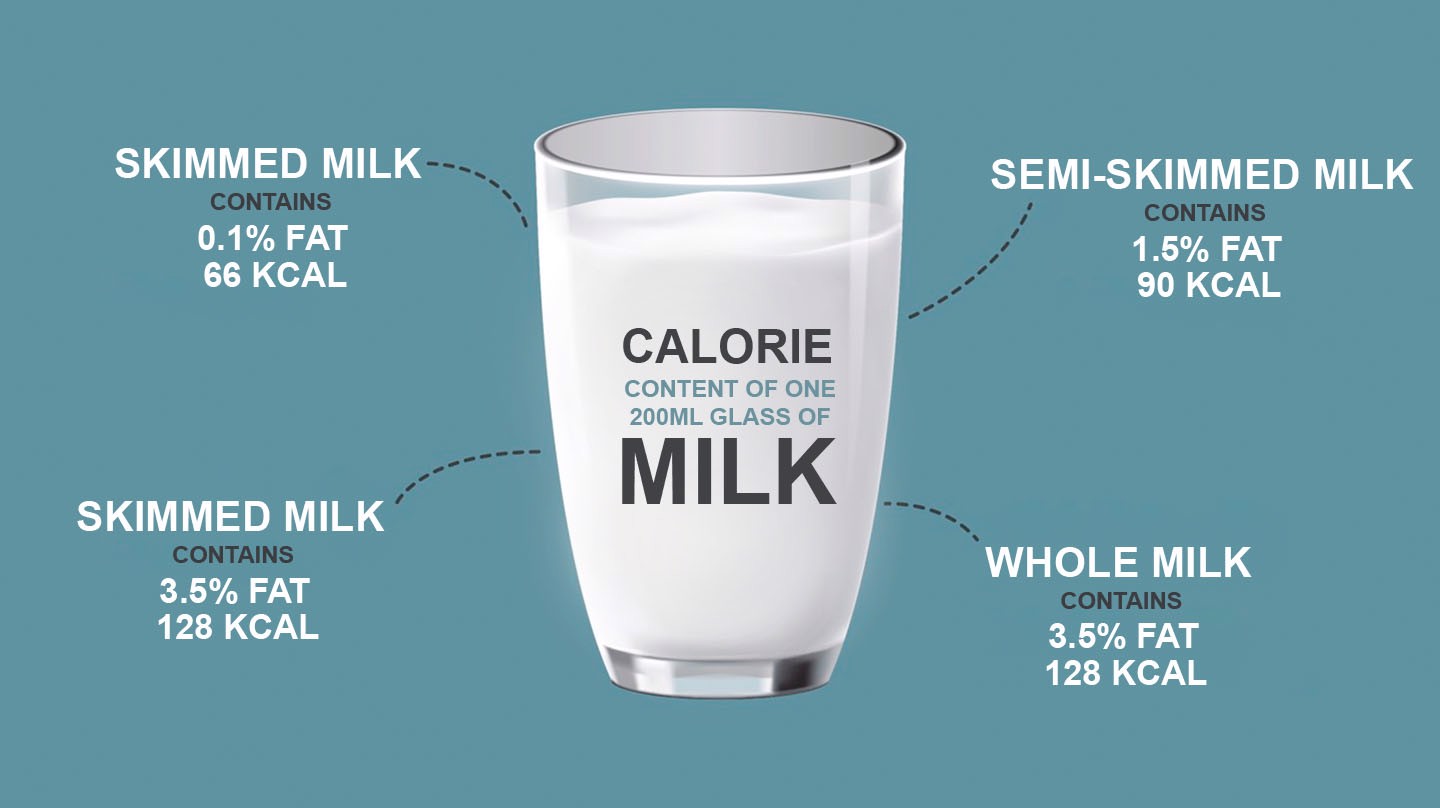
Semi-skimmed milk typically contains between 47 and 50 calories (kcal) per 100ml. For a standard 200ml glass, this results in approximately 94 to 100 calories. It serves as a nutritional middle ground, offering a balance of essential m...
Semi-skimmed milk typically contains between 47 and 50 calories (kcal) per 100ml. For a standard 200ml glass, this results in approximately 94 to 100 calories. It serves as a nutritional middle ground, offering a balance of essential minerals and proteins with a reduced fat content of roughly 1.7%.
Contents
The Caloric and Nutritional Profile of Semi-Skimmed Milk
In 2026, semi-skimmed milk remains the most popular dairy choice in many regions, particularly the United Kingdom and parts of Europe. Its popularity stems from its ability to provide the "creamy" mouthfeel associated with dairy while significantly reducing the caloric load found in whole milk. To understand the calories in semi-skimmed milk, one must look at the three primary macronutrients: carbohydrates, proteins, and fats.
Breakdown of Macronutrients
The caloric value of any food is determined by its macronutrient composition. For semi-skimmed milk, the breakdown per 100ml is generally as follows:
- Carbohydrates (~4.7g to 5.0g): Almost all carbohydrates in milk come from lactose, a naturally occurring sugar. Lactose provides about 4 calories per gram. Unlike added sugars, lactose has a relatively low glycemic index, meaning it provides a steadier release of energy.
- Proteins (~3.4g to 3.6g): Milk protein is considered a "complete" protein, containing all nine essential amino acids. It consists of approximately 80% casein and 20% whey. Protein also provides 4 calories per gram and is vital for muscle repair and metabolic health.
- Fats (~1.5g to 1.8g): This is where semi-skimmed milk differs most from other varieties. While whole milk contains about 3.5% fat, semi-skimmed is standardized to around 1.7%. Since fat contains 9 calories per gram, this reduction is the primary reason for the lower calorie count compared to whole milk.
The Impact of Processing on Caloric Density
The process of creating semi-skimmed milk involves centrifugal separation. In this mechanical process, the raw milk is spun at high speeds, allowing the lighter cream (fat) to be separated from the heavier aqueous part of the milk. To produce semi-skimmed milk, producers remove a specific portion of the cream until the fat content reaches the legal or industry standard.
Importantly, this process does not remove the water-soluble vitamins or minerals, meaning that per calorie, semi-skimmed milk is often more "nutrient-dense" than whole milk. You receive roughly the same amount of calcium and protein but with fewer "empty" fat calories.
Comparing Milk Varieties: Calorie and Nutrient Matrix
When choosing a milk type, it is helpful to see how semi-skimmed milk fits into the broader spectrum of dairy and plant-based alternatives. The following data represents standard averages as of 2026.
| Milk Type (per 100ml) | Calories (kcal) | Total Fat (g) | Protein (g) | Calcium (mg) |
|---|---|---|---|---|
| Semi-Skimmed (Cow) | 47 - 50 | 1.7 | 3.5 | 120 |
| Whole Milk (Cow) | 64 - 66 | 3.6 | 3.3 | 115 |
| Skimmed Milk (Cow) | 33 - 35 | 0.1 | 3.5 | 122 |
| Unsweetened Soy Milk | 32 - 40 | 1.8 | 3.3 | 120* |
| Unsweetened Oat Milk | 40 - 45 | 1.5 | 0.5 | 120* |
| Unsweetened Almond Milk | 13 - 15 | 1.1 | 0.4 | 120* |
*Note: Plant-based milk values for calcium typically reflect fortified levels to match dairy standards.
Micronutrient Density: More Than Just Calories
While the focus is often on the calories in semi-skimmed milk, the beverage is a significant source of micronutrients that are essential for maintaining health in a modern diet. In 2026, nutritional guidelines continue to emphasize the importance of food-based sources for minerals rather than relying solely on supplements.
Calcium and Bone Health
A 200ml glass of semi-skimmed milk provides approximately 240mg of calcium, which is roughly 30% of the Adult Daily Reference Intake (RI). Calcium is fundamental for the maintenance of bones and teeth, but it also plays a critical role in blood clotting and muscle function. Because the fat is removed but the solids remain, semi-skimmed milk actually contains slightly more calcium per 100ml than whole milk.
Vitamin B12 and Riboflavin (B2)
Semi-skimmed milk is an excellent source of Vitamin B12, which is necessary for red blood cell formation and the healthy functioning of the nervous system. It also provides Riboflavin (B2), which helps the body release energy from food. For individuals following a vegetarian diet, dairy remains one of the most bioavailable sources of these B vitamins.
Iodine Content
In recent years, iodine deficiency has become a concern in several developed nations. Milk is one of the primary sources of iodine in the human diet. Iodine is essential for the production of thyroid hormones, which regulate metabolism. Standard semi-skimmed milk provides a consistent source of this trace element, supporting cognitive function and skin health.
Weight Management and Satiety
For those monitoring their weight, the calories in semi-skimmed milk offer a strategic advantage. Weight management is not merely about consuming the fewest calories possible; it is about the satiety (the feeling of fullness) that those calories provide.
The Satiety Factor
Skimmed milk, while lower in calories (~35 kcal/100ml), lacks the fat content that triggers certain satiety hormones in the gut. Conversely, whole milk is more filling but can contribute to a caloric surplus if consumed in large quantities. Semi-skimmed milk provides enough fat to slow digestion slightly and increase the feeling of satisfaction, which can prevent overeating later in the day.
Comparison with Plant-Based Alternatives
As of 2026, many consumers are weighing the calories in semi-skimmed milk against plant-based options like oat or almond milk. While almond milk is significantly lower in calories, it is often devoid of protein. Oat milk, while popular, often contains similar caloric levels to semi-skimmed milk but has a higher carbohydrate profile and lower protein content. For individuals prioritizing protein-to-calorie ratios, semi-skimmed dairy remains a highly efficient choice.
Practical Caloric Impact in Daily Use
Understanding the calories in semi-skimmed milk is most useful when applied to common serving sizes and culinary habits.
- Tea and Coffee: A typical "splash" of milk in tea or coffee is approximately 15ml to 30ml. This adds only 7 to 15 calories to your drink. For those who drink multiple cups a day, choosing semi-skimmed over whole milk can save 50–100 calories daily without the watery consistency of skimmed milk.
- Breakfast Cereal: A standard bowl of cereal uses about 125ml to 150ml of milk. Using semi-skimmed milk adds roughly 60 to 75 calories, compared to nearly 100 calories for whole milk.
- Protein Shakes: Many athletes prefer semi-skimmed milk as a base for protein powders. It adds approximately 10 grams of protein (when using 300ml) while keeping the fat intake moderate, which is often preferred for post-workout recovery where rapid absorption is beneficial.
Frequently Asked Questions
Does organic semi-skimmed milk have more calories?
No. The caloric content of organic semi-skimmed milk is virtually identical to conventional milk. The "organic" label refers to the farming practices, such as the absence of synthetic pesticides and the grazing habits of the cows. While some studies suggest organic milk may have slightly higher levels of Omega-3 fatty acids, these do not significantly alter the total calorie count per 100ml.
Is semi-skimmed milk healthier than whole milk for weight loss?
From a purely caloric perspective, yes. Because semi-skimmed milk contains roughly 25% fewer calories than whole milk, it is easier to maintain a calorie deficit while still obtaining essential nutrients. However, the "healthiest" choice depends on your overall diet. Some individuals find the extra fat in whole milk helps them stay full longer, which can indirectly aid weight loss by reducing snacking.
Are the calories in lactose-free semi-skimmed milk different?
Usually, no. Lactose-free semi-skimmed milk is created by adding the enzyme lactase, which breaks down the lactose into two simpler sugars: glucose and galactose. Because no sugar is actually removed, the caloric content remains the same—approximately 47-50 kcal per 100ml. However, many people perceive lactose-free milk as tasting sweeter because glucose and galactose have a higher perceived sweetness than lactose.
Does boiling semi-skimmed milk change its calorie count?
Boiling milk does not change the calories unless the milk is boiled for a prolonged period, causing water to evaporate. If water evaporates, the milk becomes more concentrated, and the calories per 100ml of the remaining liquid will increase. For standard cooking or making hot drinks, the caloric change is negligible.
Why does the calorie count vary slightly between brands?
The calorie count can vary by 1–3 calories depending on the specific fat and protein standardization used by the dairy. Some "fortified" semi-skimmed milks have extra milk solids or protein added, which may slightly increase the calories while boosting the nutritional value. Always check the nutrition label on the specific bottle for the most accurate data.
Recommendations for Daily Consumption
When incorporating semi-skimmed milk into your diet in 2026, focus on portion control and context. If you are using milk as a primary source of protein and calcium, a 200ml glass is a nutrient-dense addition to a meal. If you are using it primarily for beverages like lattes or cappuccinos, be mindful that a "Large" coffee house drink can contain up to 400ml of milk, which totals nearly 200 calories before any syrups or sugars are added.
For those looking to optimize their health, semi-skimmed milk remains a gold standard for balancing caloric intake with high-quality animal protein and essential minerals like iodine and calcium.
More information on dairy nutrition can be found via the British Nutrition Foundation or the NHS Eat Well guide.
Image Gallery