Understanding Term Life Insurance Policy with Low Premium and Cost Factors
Securing a term life insurance policy with a low premium involves balancing the duration of coverage and the death benefit amount against your unique health profile and lifestyle factors. Premiums are primarily determined by the insure...
Securing a term life insurance policy with a low premium involves balancing the duration of coverage and the death benefit amount against your unique health profile and lifestyle factors. Premiums are primarily determined by the insurer’s assessment of your mortality risk, including age, medical history, and occupation, which dictates the specific costs you will incur over the contract term.
Contents
The Mechanism of Term Life Insurance Pricing
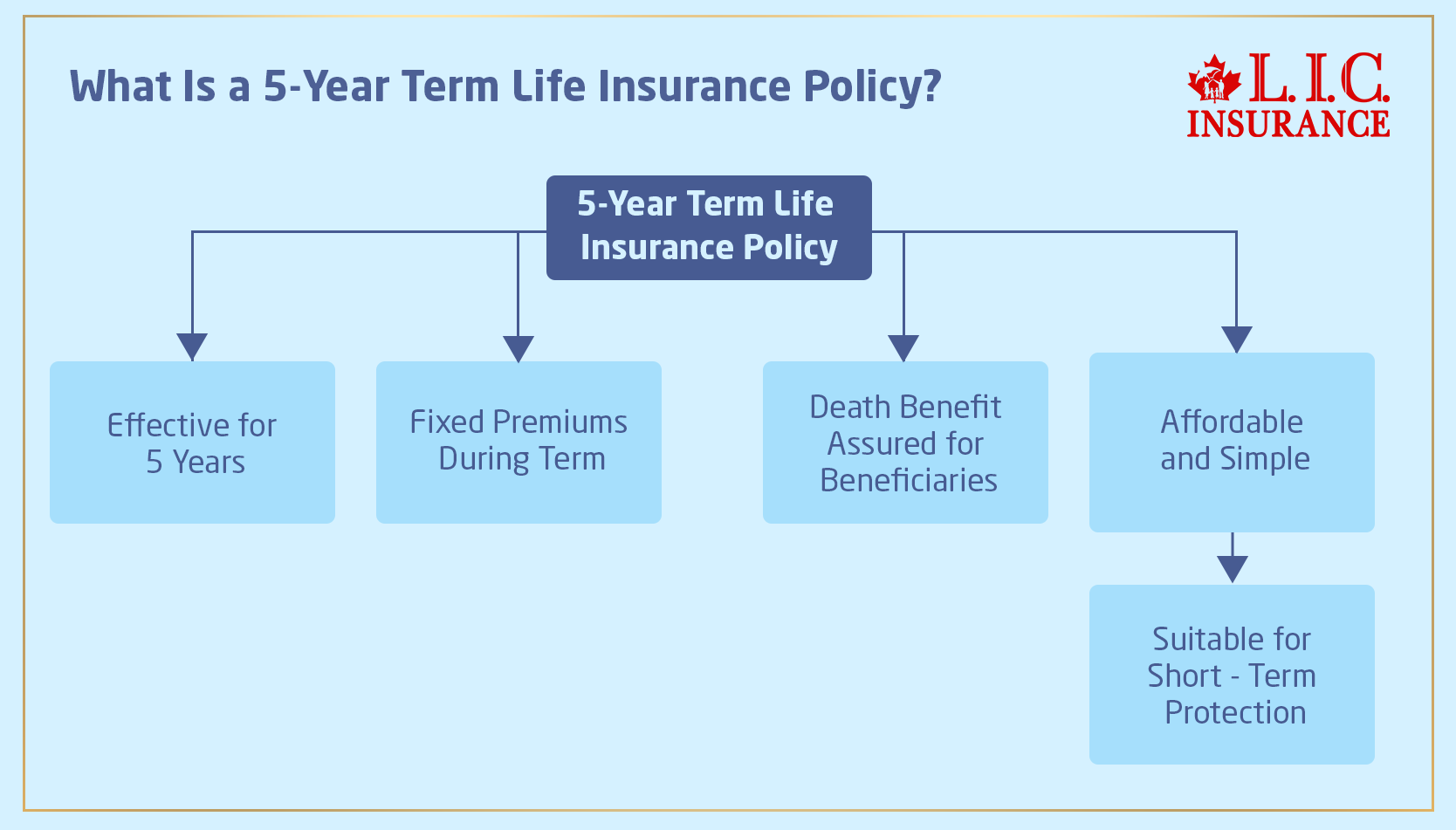
Term life insurance is designed to provide financial protection for a specific period—typically 10, 15, 20, or 30 years. Unlike permanent insurance, it does not accrue cash value, which is a primary reason it remains the most affordable way to secure a significant death benefit. When an insurer calculates your premium, they are essentially pricing the probability of paying out a claim during that set timeframe.
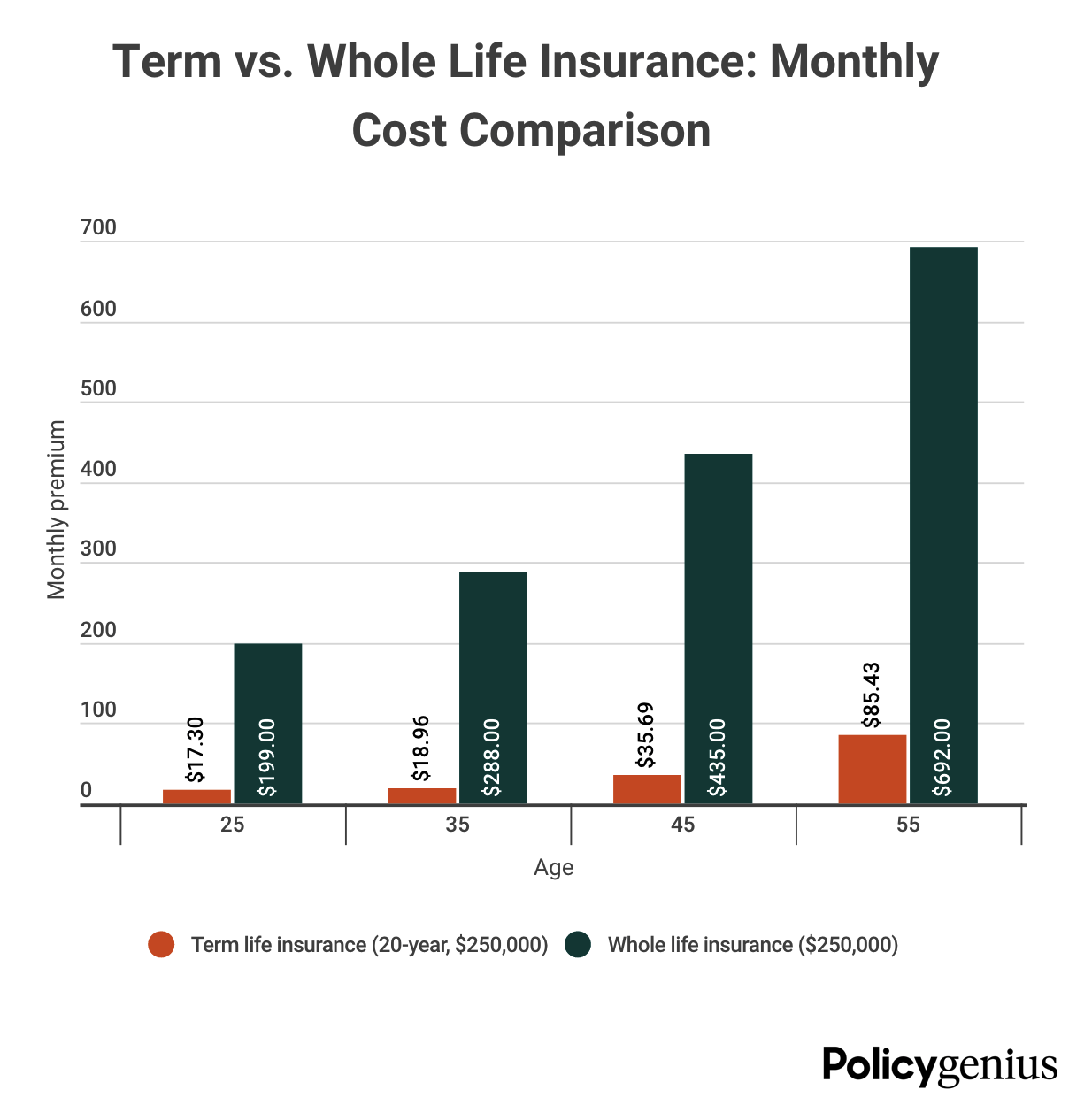
The "cost" of your policy is rarely a single number; it is a calculation of your risk profile against the insurer's actuarial tables. Younger, healthier applicants represent a lower risk, and thus, they are offered the lowest premium brackets. As you age, the cost of insurance increases because the statistical likelihood of mortality within a given term rises. This is why financial advisors consistently recommend locking in a policy as early as possible to secure "level premiums," where the rate remains constant for the entire duration of the term.
Key Factors Influencing Your Premium Costs
Understanding what drives your premium helps you identify opportunities to lower your costs. Insurers utilize a process called underwriting to verify your eligibility and assign a risk classification.
- Age and Gender: Generally, men pay slightly higher premiums than women due to statistical differences in life expectancy. Age is the most significant driver; a 30-year-old will almost always pay significantly less for a 20-year term than a 50-year-old for the same coverage amount.
- Medical History and Health Class: Insurers evaluate your BMI, blood pressure, cholesterol levels, and family history. If you fall into a "Preferred Plus" or "Super Preferred" health class, you will qualify for the lowest rates. Conversely, pre-existing conditions like diabetes or heart disease may increase premiums or lead to policy exclusions.
- Tobacco and Nicotine Use: This is one of the most drastic cost-influencers. Smokers often pay two to three times more for a policy than non-smokers. Most insurance companies require a period of at least 12 to 24 months of tobacco cessation before reclassifying you as a non-smoker.
- Occupation and Hobbies: If you participate in high-risk activities—such as skydiving, scuba diving, or professional auto racing—or work in hazardous fields, insurers may add a "flat extra" fee to your premium or deny coverage entirely.
- Coverage Amount (Face Value): Naturally, a $1,000,000 policy will cost more than a $250,000 policy. However, the difference is often less than expected due to administrative costs being spread over a larger benefit.
Comparing Term Life Insurance Costs
When shopping for a policy, transparency regarding your health and habits is vital. Falsifying information can lead to a denial of the death benefit for your beneficiaries later on. The following table provides a generalized view of how various factors influence the affordability of premiums.
| Factor | Impact on Premium | Potential Strategy to Lower Cost |
|---|---|---|
| Health Status | High (Critical) | Manage chronic conditions; maintain a healthy BMI. |
| Tobacco Use | Extremely High | Cease all nicotine consumption for 2+ years. |
| Term Length | Moderate | Choose only the years you actually need coverage. |
| Policy Size | Moderate | Balance your actual debt/income needs against budget. |
| Medical Exam | Varies | Choosing "no-exam" policies is convenient but often pricier. |
The Role of Medical Underwriting
The most cost-effective policies usually require a full medical underwriting process. This involves a paramedical exam where a nurse collects your vitals and blood/urine samples. While this may seem inconvenient, providing this data allows the insurer to be more precise about your actual risk. When an insurer has less data—such as in "simplified issue" or "guaranteed issue" policies—they compensate for the uncertainty by charging higher premiums. If you are in good health, opting for full underwriting is almost always the path to the lowest premium.
Strategies to Minimize Your Financial Burden
If you are looking for a term life insurance policy with a low premium, consider these actionable steps:
- Right-size your coverage: Calculate your "need" based on specific liabilities, such as a mortgage balance, children's education costs, and income replacement, rather than picking an arbitrary, high-value round number.
- Annual Premium Payments: Many insurers offer a discount if you pay your premium annually rather than monthly. Monthly payments often include administrative surcharges or interest.
- Laddering Policies: Instead of purchasing one massive, long-term policy, some individuals "ladder" smaller policies. For example, a 10-year policy to cover the remaining time on a mortgage and a 20-year policy to cover children until they reach adulthood. This can save money as you drop the shorter-term policies once the underlying debt or responsibility expires.
- Comparison Shopping: Rates vary significantly between carriers. One insurer may specialize in insuring people with specific medical histories, offering them lower rates than a competitor who considers that same history a high risk. Utilize independent brokers who can pull quotes from multiple A-rated carriers.
Limitations and Risks to Consider
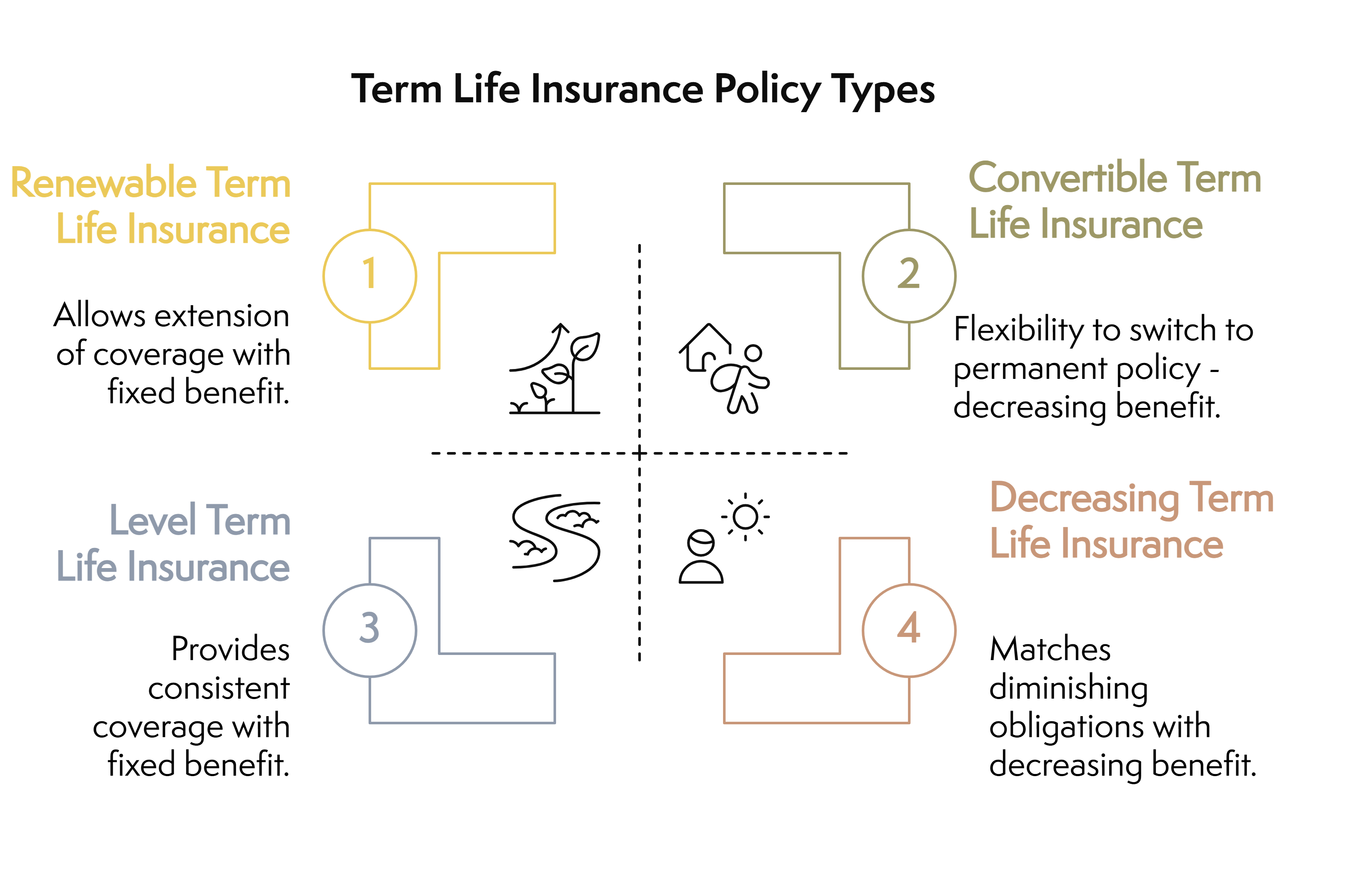
While prioritizing low premiums is a standard financial goal, it should not come at the expense of policy quality. Always verify the financial strength rating of the insurance carrier (e.g., A.M. Best or Moody’s ratings). A policy is only as valuable as the company’s ability to pay the death benefit years down the road. Furthermore, ensure you understand the "conversion" features of the policy. Some term policies allow you to convert to permanent insurance without a new medical exam; this is a valuable feature if your health declines significantly during the term of your policy.
Frequently Asked Questions
Does a cheaper policy mean less protection? No, the legal obligation of the insurance company to pay the death benefit is mandated by state insurance regulators. Provided you pay your premiums and did not misrepresent your health on the application, a low-cost policy provides the same contractual protection as a high-cost one.
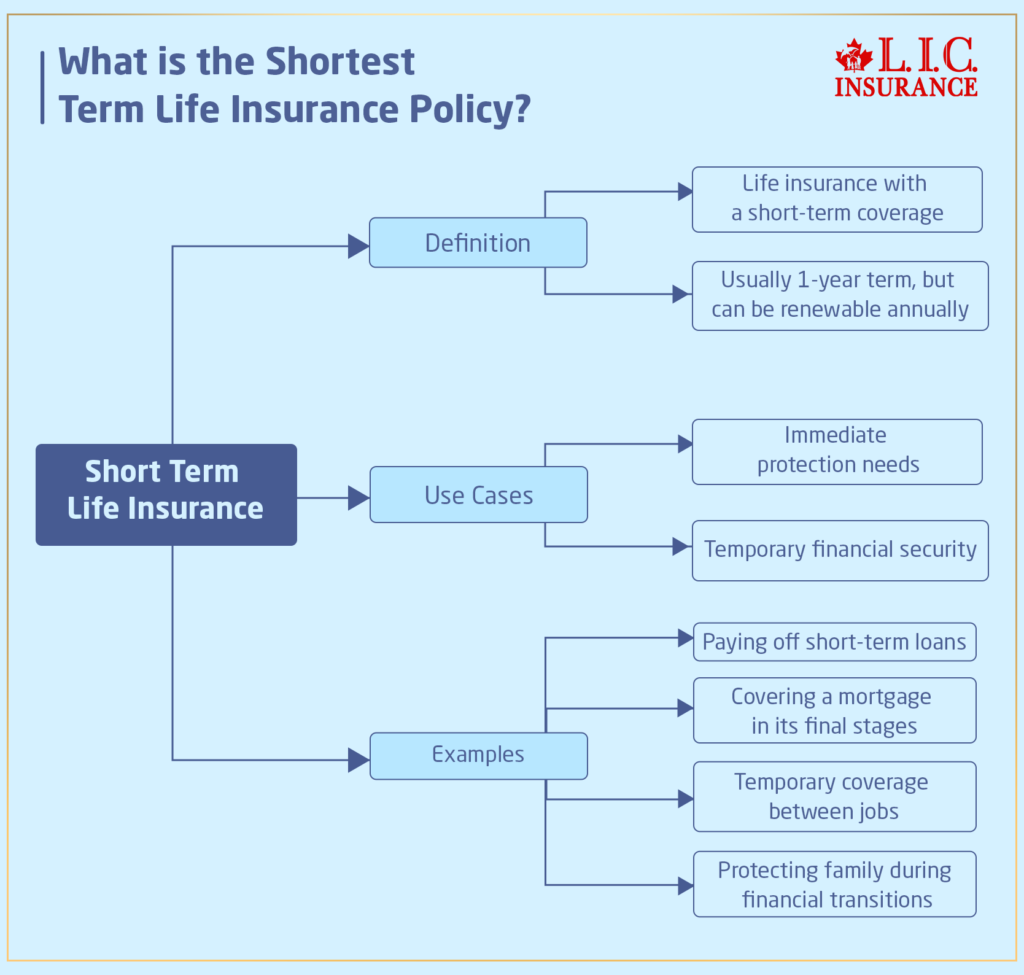
Can my premium increase during the term? If you purchase a "level term" policy, your premium is guaranteed to remain the same for the duration of the term. If you purchase an "annual renewable" term policy, the premium will increase every year as you age. Always confirm you are purchasing a level-term contract to lock in your costs.
Are online quotes accurate? Online quotes are generally estimates. Your final premium is determined only after the formal underwriting process is completed. If you receive an exceptionally low quote online, be aware that it may be based on a "preferred" health rating that you may or may not meet upon medical review.
What happens if I miss a premium payment? Most policies have a "grace period," typically 30 or 31 days. If you do not pay the premium within this window, the policy will lapse, and you will lose coverage. Reinstating a lapsed policy may require a new application and medical exam.
Is it better to get a medical exam or avoid it? If you are generally healthy, a medical exam will likely qualify you for lower rates. "No-exam" policies are best suited for individuals who have time constraints or specific health conditions that they prefer not to have scrutinized, but these typically come with higher costs for the same level of coverage.
Next Steps for Securing Your Policy
To start the process, conduct a brief audit of your current financial obligations. Determine the exact amount of coverage you require and the number of years you need that coverage to remain in effect. Once you have these figures, contact an independent life insurance agent to request "fully underwritten" quotes from at least three different highly-rated carriers. Prioritize the application process for the carrier that offers the best balance of price and financial stability. Finally, complete the medical exam promptly to finalize your rate and ensure your coverage begins as soon as possible.
Image Gallery